Overview
The first sip of an oat flat white from your local cafe tells you everything you need to know. On a good day, it's smooth, balanced and creamy — on a bad day, it's flat, split or watery. So what makes the difference between a great (or not so great) dairy-free coffee?
According to Anthony Douglas, World Barista Champion, long-time team member at Melbourne's Axil Coffee Roasters, and MILKLAB Global Brand Ambassador, it all comes down to the milk.
Anthony knows a thing or two about making great coffee. And he's spent more hours than most perfecting the relationship between espresso and milk. "When I first touched a coffee machine I had no idea there were even competitions let alone that I would be up there myself on stage," he tells Concrete Playground, when asked how he became one of the world's best baristas. "About five years into my career, that was my first exposure to competition. I decided to give it a go, and realised how much I could learn and grow through competition. That's what kept me going until I finally won."
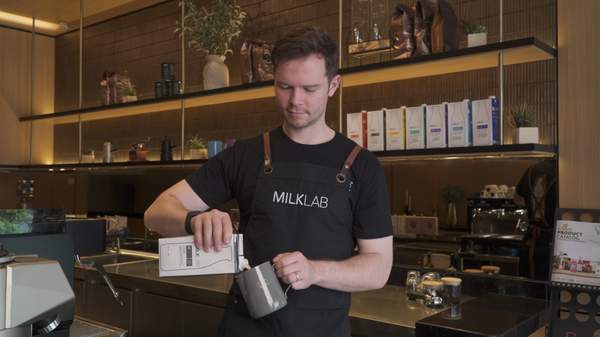

Now, his approach is all about the fundamentals. In fact, he believes a great cup of coffee should be simple. "I've always found the best results by keeping the process simple, focusing on the basics and executing them well," he says.
For Anthony, a good coffee using plant-based MILKLAB comes down to three things: temperature, texture and integration. "[It's about] being really present as you're steaming the milk and breaking down those bubbles. [Also] being conscious of how you're integrating the milk with the espresso so you preserve the flavour, while still ensuring it's integrated properly from top to bottom," he says.
It's something most people have tried at home, but it seems easier said than done. That is, until you've got a few of Anthony's go-to techniques up your sleeve to help achieve the perfect jug of silky milk. "I think it's important to achieve an even whirlpool and really maximise the power of the steam wand," he recommends. "Tilting the wand to the side enough so it spins, but not too close to the side, and ensuring it's angled low enough to really break down any bubbles on top."
If you really want to level up your milk game, he suggests introducing the air quickly so you have more time to texturise the bubbles into that delicious, creamy microfoam. And his final tip is temperature. "Too hot and the quality of the milk degrades, is more dilute (due to the extra time spent introducing steam). Too cool and the milk can overpower the flavour of the coffee due to the lack of dilution."
"Drinking temperature also has a massive impact on the types of flavours we experience and is one of the first things most customers notice when drinking a milk-based coffee."
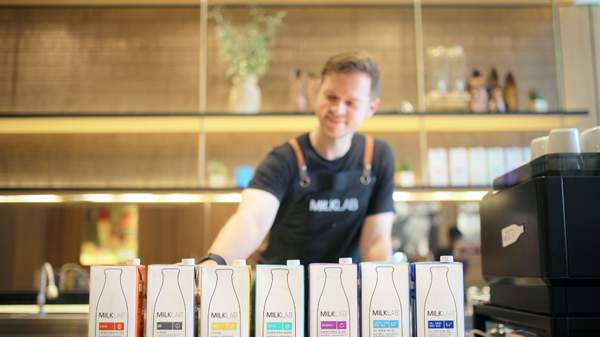
Anthony Douglas, World Barista Champion
When it comes to plant-based options, Anthony has a clear favourite — but rates them all. "Each milk does have its own unique flavour and texture based on the ingredient it's centred around," he says.
"I think my favourite would be MILKLAB Oat as it is the most versatile and works well to showcase any coffee it's paired with. MILKLAB Almond has a beautiful natural sweetness from the almond and is quite easy drinking. MILKLAB Soy I find has a great rich sweetness and body. MILKLAB Macadamia has this beautiful lush texture. And MILKLAB coconut once again has an amazing texture and tropical flavour that really works well with coffee."
It turns out, not every milk behaves the same way with every coffee and there's quite a bit of science behind making sure things go smoothly. "The key is understanding how they interact with different coffee. Coffee that is highly acidic, very fresh, or roasted darker often doesn't integrate as smoothly and can cause separation or curdling," he says.
If you're running into this issue, Anthony has one simple trick. "[You can] add a small splash of cold plant-based milk to the espresso before steaming and pouring. Cold milk has a higher tolerance for acidity and heat, and this step can help neutralise the compounds in the coffee that might otherwise cause a negative reaction."
So, there you have it. To get a plant-based coffee worthy of a world champion, go back to basics, perfect your steam wand technique and don't forget the power of temperature. With a little intention and the right milk, you can get cafe-level results at home.
Discover the full barista-approved MILKLAB range on the website.