Overview
If there's one thing you must do in Australia, it's to spend a night or two in the bush. Sleeping under the stars has always been a way of life down under. The quintessential Aussie experience was first a tradition of the First Nations people, adopted by the early European settlers and has been embraced as a weekend escape since the late 19th century.
Paperbark Camp in New South Wales is Australia's first glamping site, putting a luxurious safari-style spin on bush camping while keeping its connection with the land front and centre. Located in the sleepy village of Woollamia, the 'glampsite' cracked the top 12 on a global list of luxury camping spots, beaten locally only by Uluru's Longitude 131. From eco-conscious luxury tents to a treehouse restaurant that cooks with local produce, here's how Paperbark Camp embodies Aussie camping culture.
Refined and responsible camping

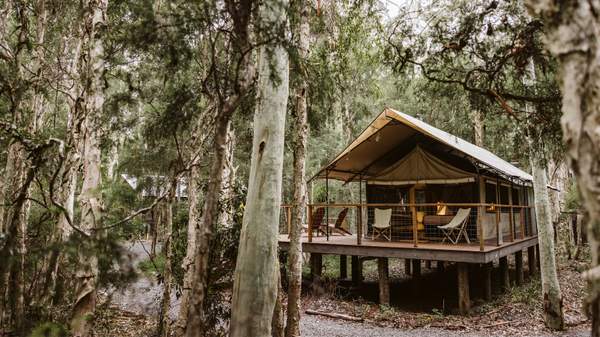
Image: Rachael Tagg
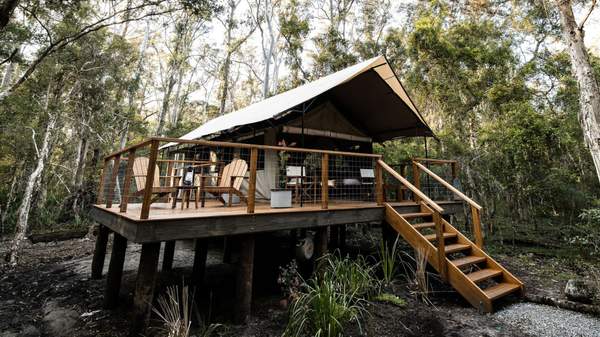
They might still be made of canvas, but these aren't your typical tents. A wooden deck raises each of the 13 tents off the ground. Polished hardwood floors, a king-sized bed and billowing canopy curtains transform the space into an upscale safari retreat, with an ensuite openair shower that doubles up as an unlikely kangaroo-watching spot attached. Sink into 100 percent organic cotton robes after enjoying the handmade soaps and lotions — all made from natural ingredients, of course.
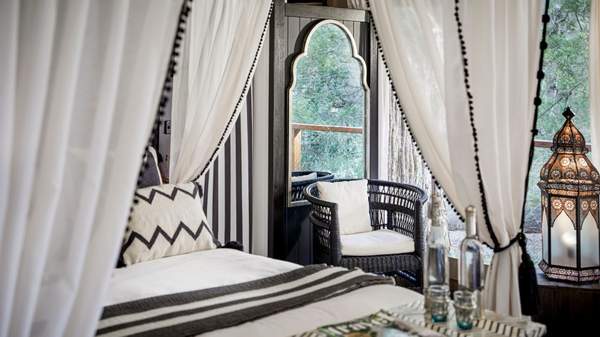
Image supplied
A Booking.com survey found that 91 percent of Aussies plan to make greener choices on their next getaway, and Paperbark Camp is on it. With an Advanced Eco Accreditation, the campsite is designed to leave as little trace as possible: there are no air-conditioners, TVs, bar fridges or power points throughout the tents (although you can sneak in a phone charge via USB ports).
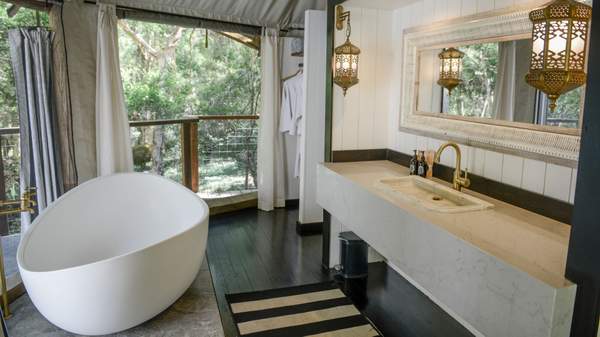
Image supplied
Dine in a treehouse
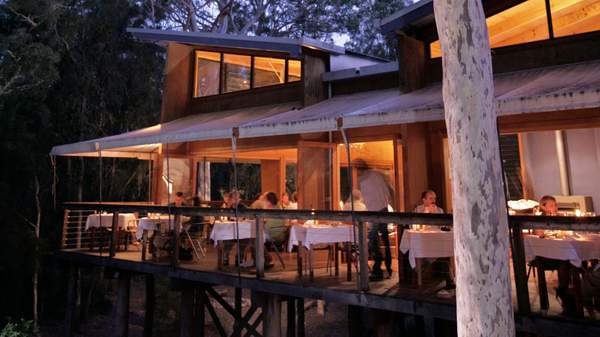
Image: Dick Sweeney
One of the best parts about camping is watching the morning mist lift with a hot cuppa in hand. At the campsite's Gunyah Restaurant, flat whites and lattes are made by baristas, but outdoor dining is taken quite literally. Sydney-based architects Nettleton Tribe are behind the treehouse design, which lets diners enjoy sweeping treetop views and sea breeze. The space acts like a meeting lodge for overnighters — there's a lounge area with chess boards and a cocktail bar that opens after 3pm — but non-staying guests are welcome to dine in too.
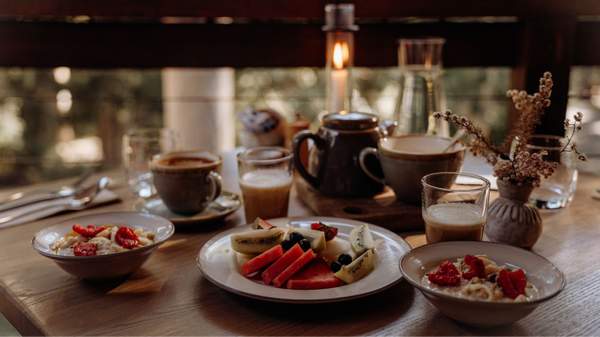
Image: Lola Jarrige
Breakfast is a must-have here, with highlights from the à la carte menu being sweet and savoury French toasts, housemade feta-topped corn fritters, and a hefty brekkie plate featuring Cumberland sausage, bacon, locally-made sourdough toast and Indian-style smashed potatoes. Come evening, the menu rotates daily — catch the menu on Paperbark Camp's Instagram stories. Previous standouts include a Japanese-style rice dish with smoked trout and egg yolk sauce, wagyu flank with a beer glaze, parsnip and witlof and grilled eggplant with a matcha salsa.
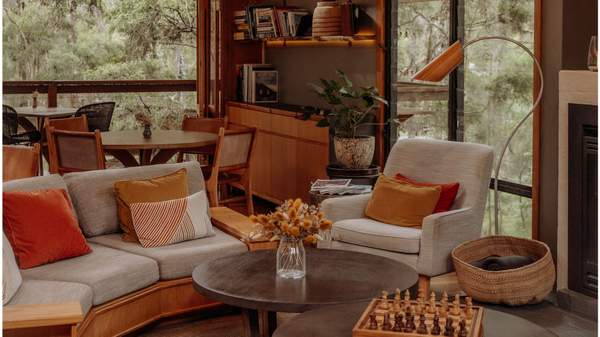
Image: Lola Jarrige
Bush meets the beach
According to this report from Africa Asilia, Australia is officially the best camping destination in the world. It won out over countries like South Africa, America and Canada based on factors like diversity of flora and fauna, the sheer number of national parks, minimal light pollution and the variety of outdoor activities. Put simply, Australia's nature is in a league of its own.
Paperbark Camp's offerings live up to that promise. Nestled in a 100-acre bushland full of kangaroos and nocturnal wildlife, the glampsite opens into walking trails through paperbark, gum, mangrove and eucalyptus forests. Or you can trek down to Currambene Creek for a leisurely kayak or paddleboard.
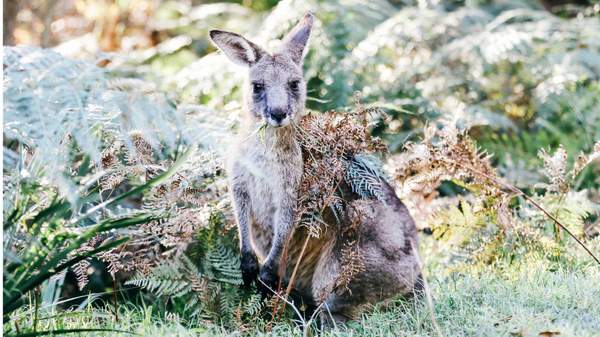
Image: Elise Hassey
Beyond the bush, you'll get some of the best beaches in Australia here. The Jervis Bay surrounds are a collection of pristine white beaches (the sand on Hyams Beach is proven to be pure white quartz!) and crystal-clear turquoise waves teeming with dolphins, seals and even humpback whales during their annual migration. Bikes are provided for cycling adventures to the bay or the coastal town of Huskisson, home to two award-winning microbreweries.
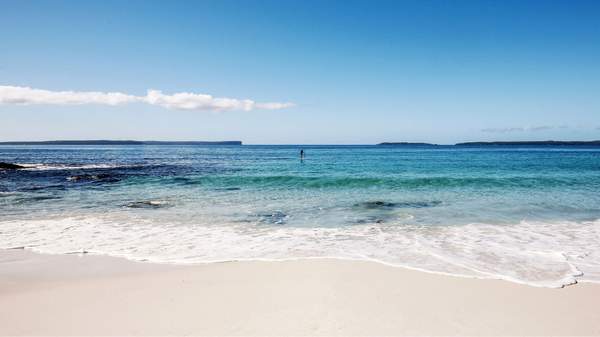
Image: Elise Hassey