Inside the Indonesian Island Resort Where Remote Luxury Runs on Solar Power and Desalinated Water
About 300 kilometres from Singapore, Bawah Reserve makes a compelling case for a more considered kind of luxury.
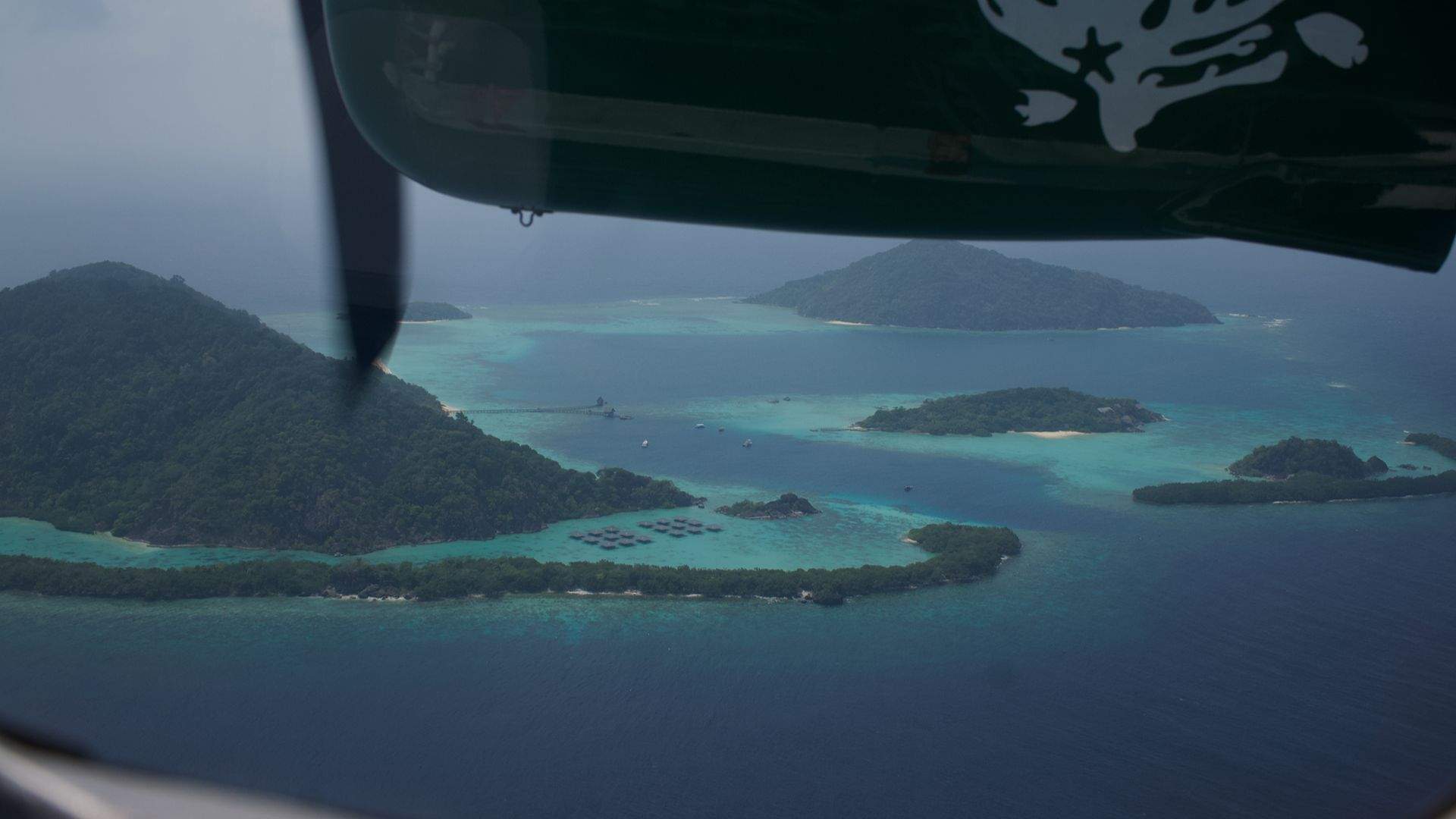
From a couple of thousand feet up, Bawah Reserve looks like a place modernity has yet to reach. But on the ground, keeping it that way takes more than sheer remoteness. Located about 300 kilometres from Singapore in the distant Anambas Archipelago, this pristine eco-resort invites guests to trade their everyday surroundings for an island oasis. Here, the outside world feels a long way off. But behind the scenes, serious thought has gone into ensuring immense luxury doesn't come at a cost, at least not for the environment.
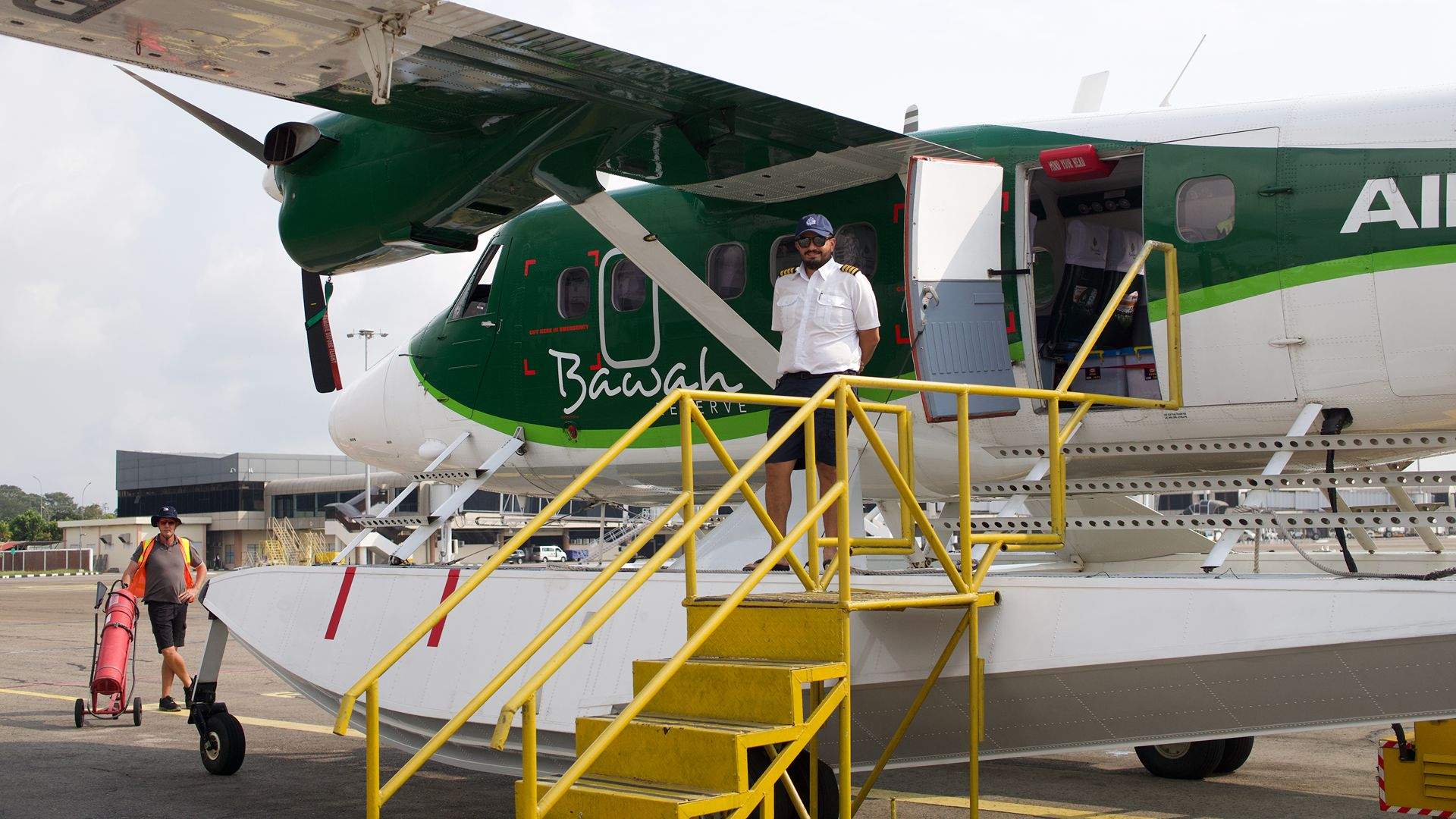
While reaching Bawah is relatively simple, the journey sets a suitably luxurious tone. Departing Singapore, staff chauffeur guests through every leg of the trip, starting with a 30-minute ferry crossing to Batam, Indonesia. Next, you'll head to a nearby airport, where you'll be shuffled through back doors, onto the runway, and eventually to your private seaplane, which operates exclusively to and from the resort and is the only point of arrival and departure.
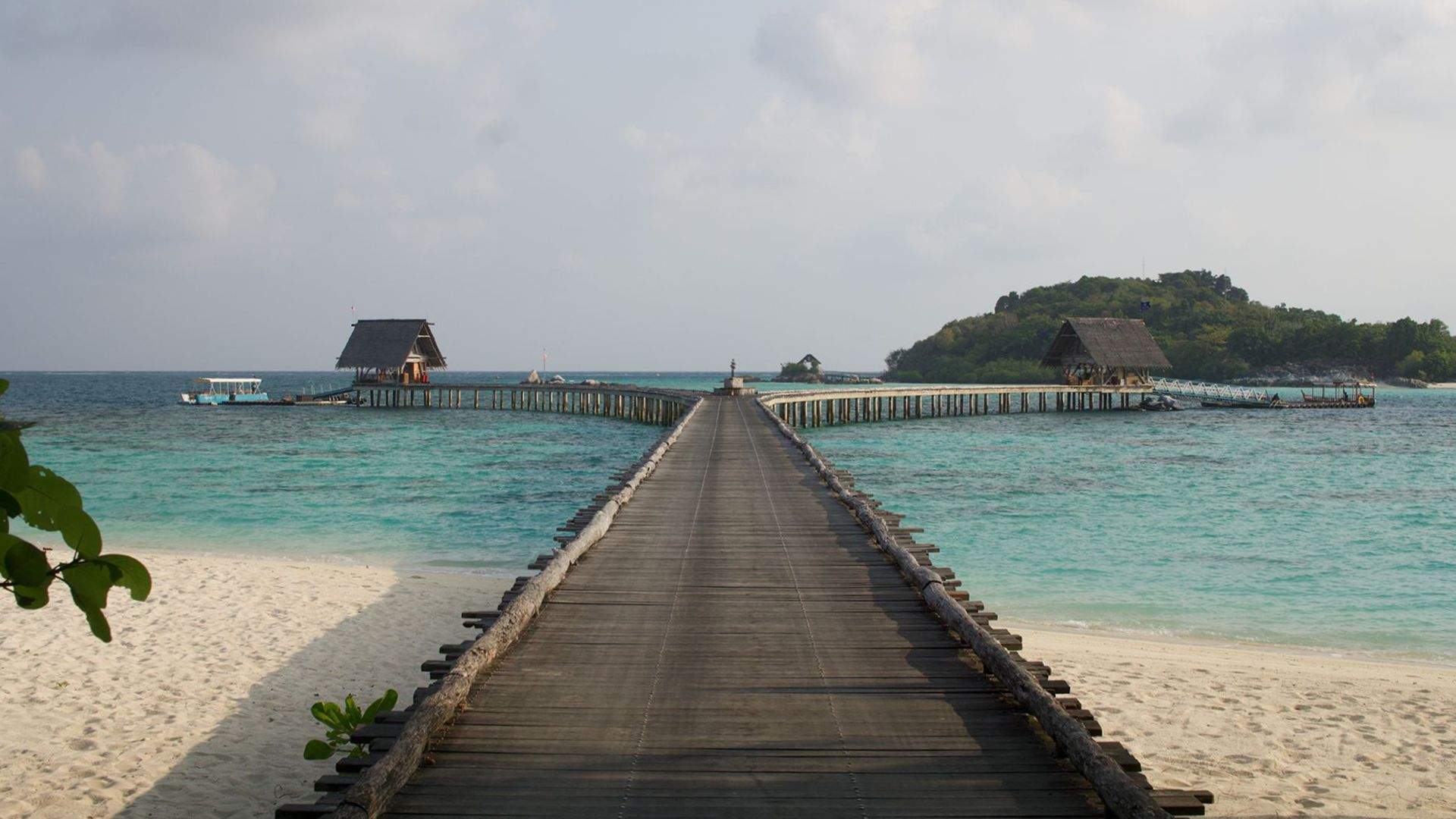
As you ascend over Batam's coastline, busy ports and shipping lanes eventually give way to a seemingly endless ocean, with the occasional speck of land in the distance. About 80 minutes later, Bawah Reserve — amid a collection of six private islands — comes into view. But don't expect a glistening edifice as you prepare to touch down on the waves. Instead, little more meets the eye than Bawah's arched jetty or the 11 neighbouring over-water bungalows.
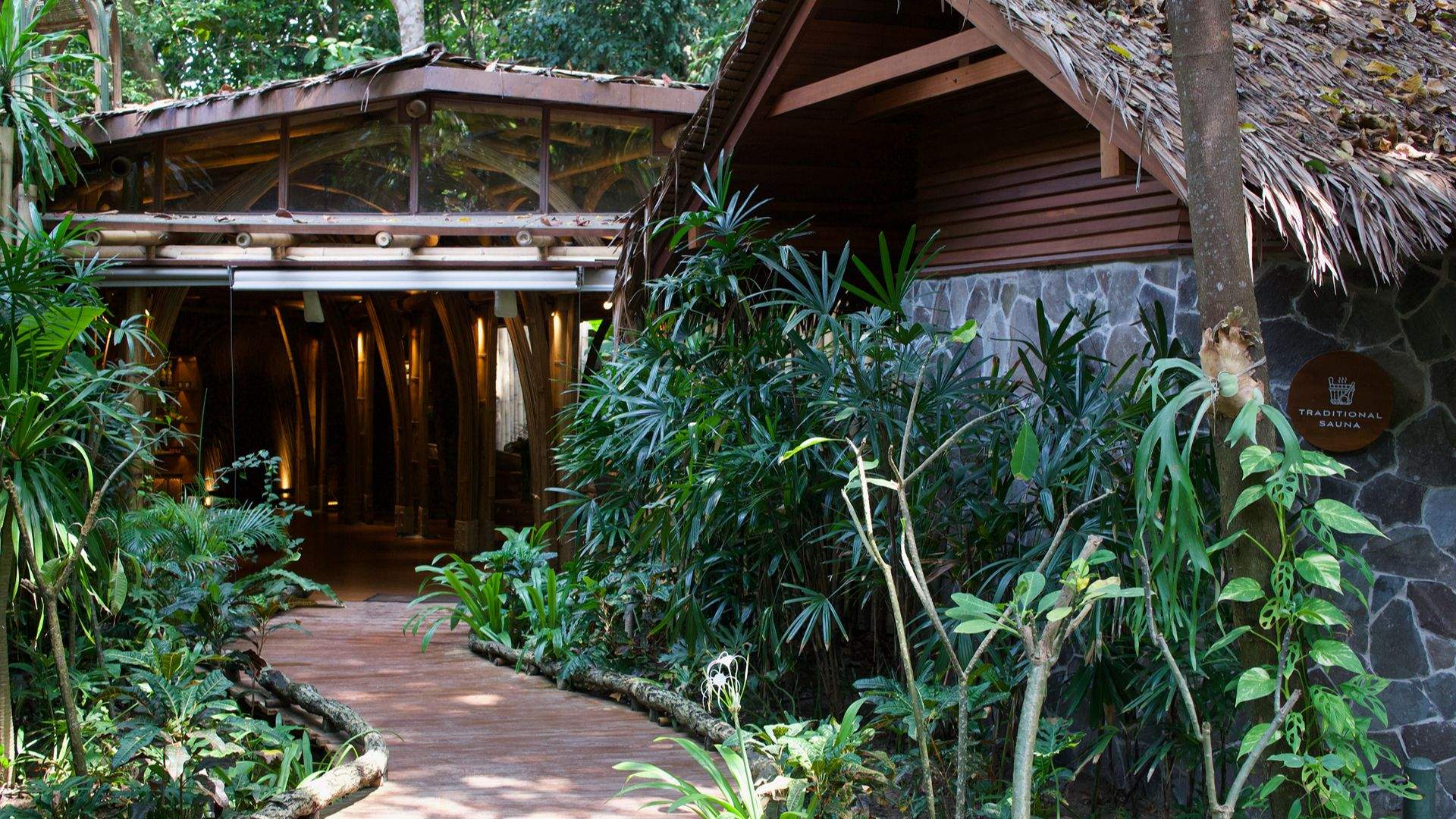
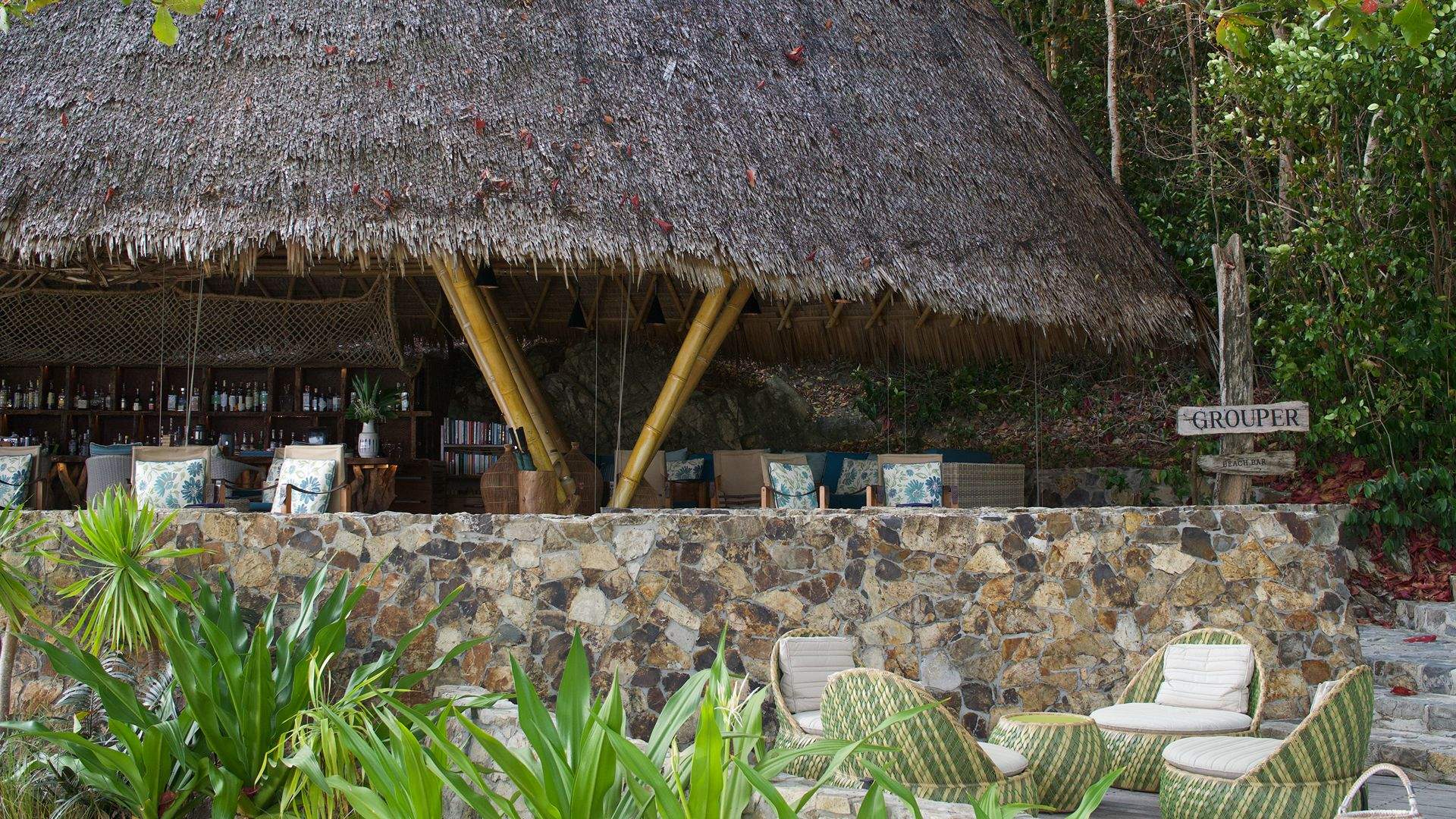
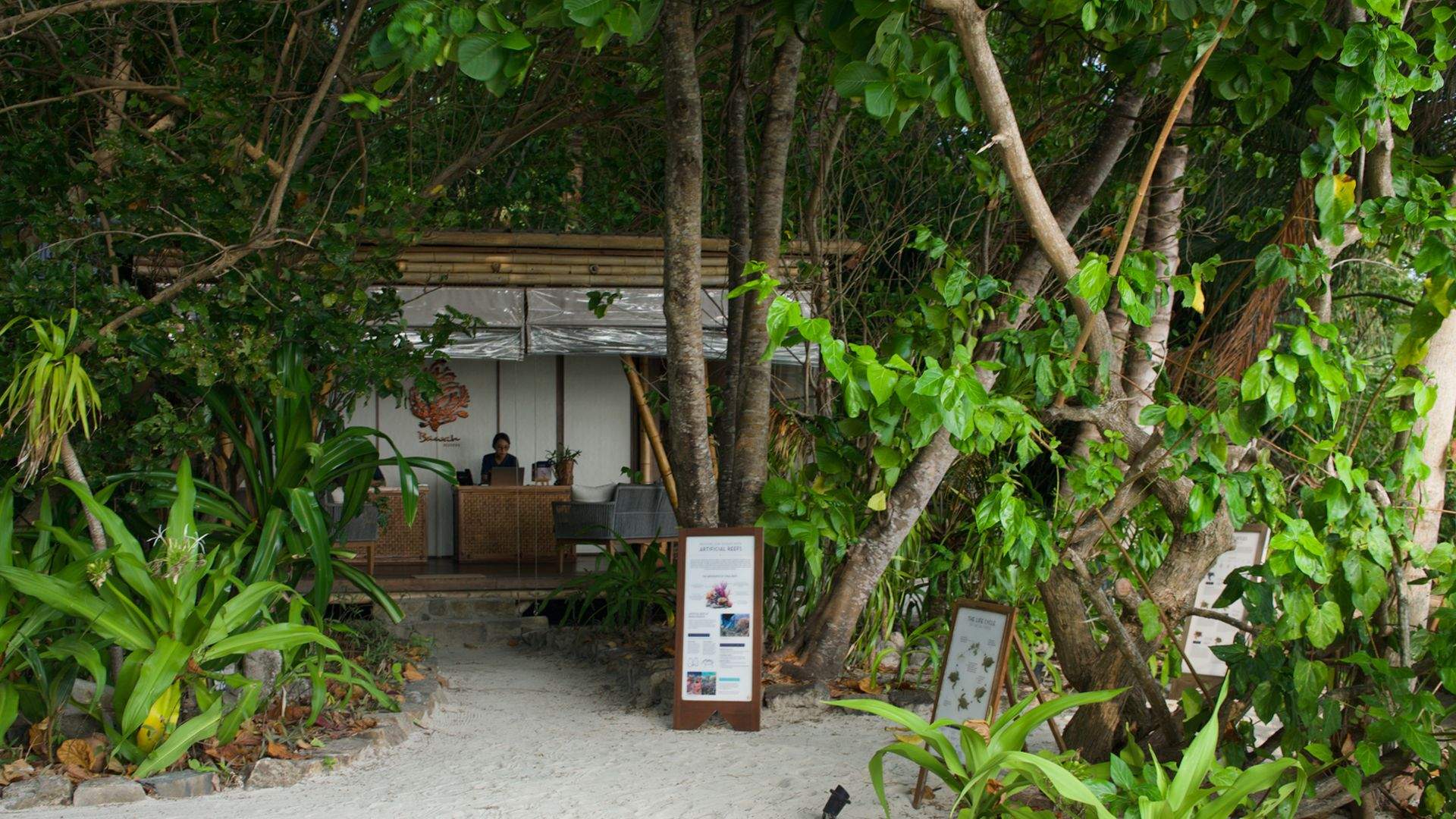
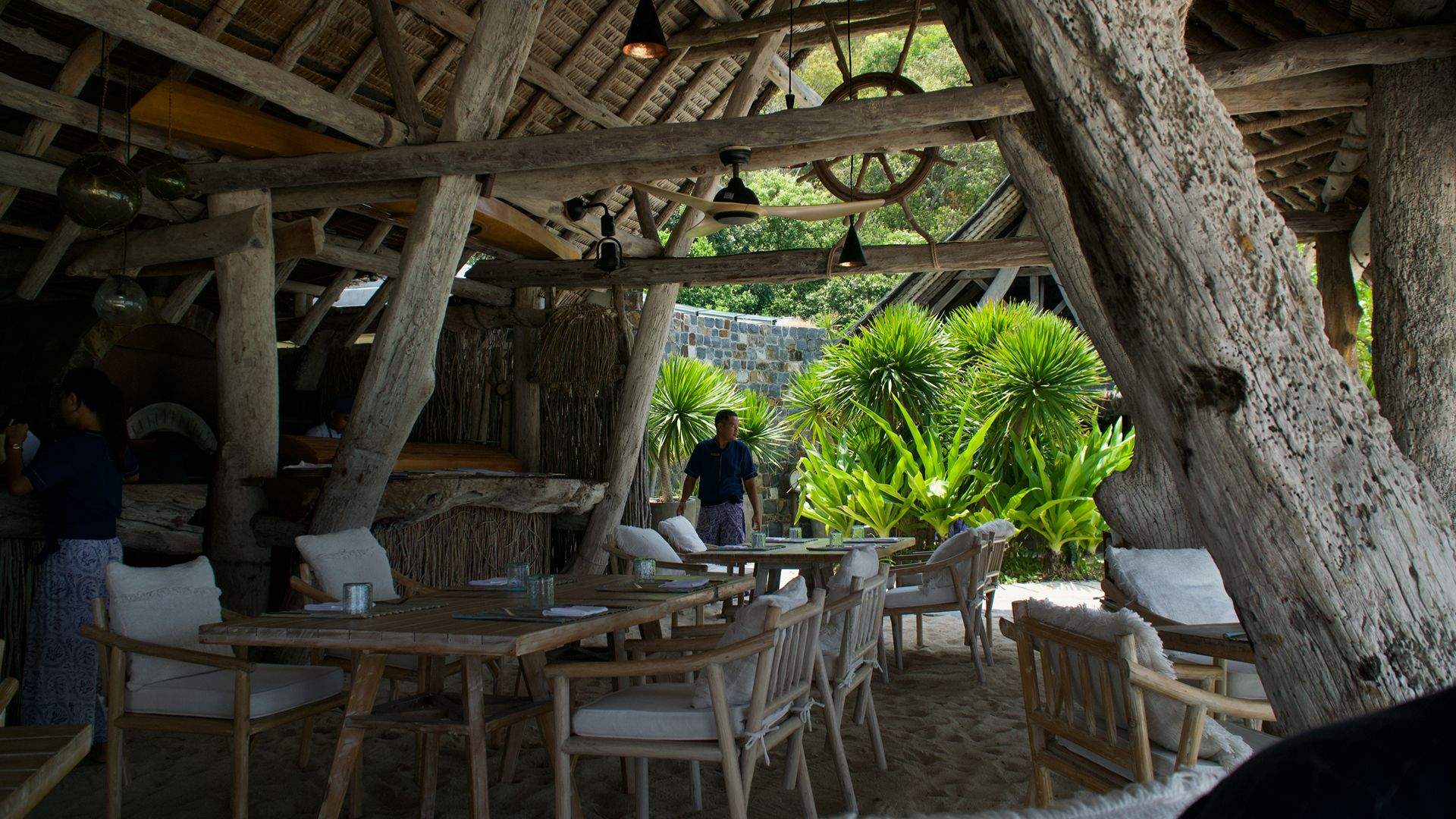
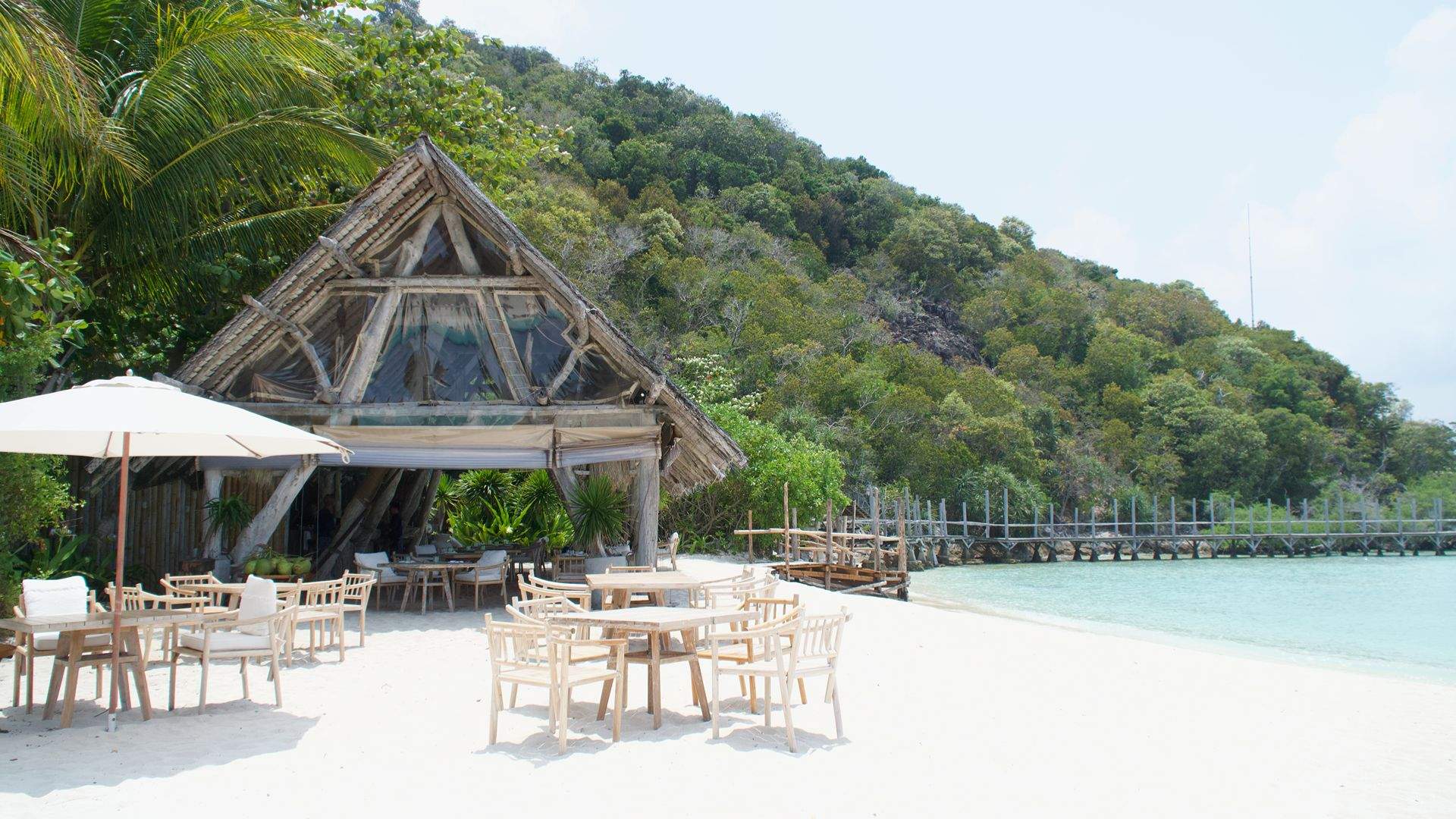
Does that perspective change at sea level? Less than you might think. Stepping from the plane onto the jetty, it won't take long to realise that Bawah has been thoughtfully designed to blend into the landscape, with its restaurants and bars merging with treetops and tented villas tucked behind the white-sand beachfront. Of course, this isn't a coincidence. When work began on the resort in 2012, the mission was to harmonise the built environment with the natural landscape.
"At Bawah, we see the guest experience, the health of the environment and the wellbeing of local communities as closely connected," says Paul Robinson, Chief Operating Officer at Bawah Reserve. "Operating here has reinforced that tourism can contribute positively when conservation is part of everyday decision-making, with resources committed to it over time."
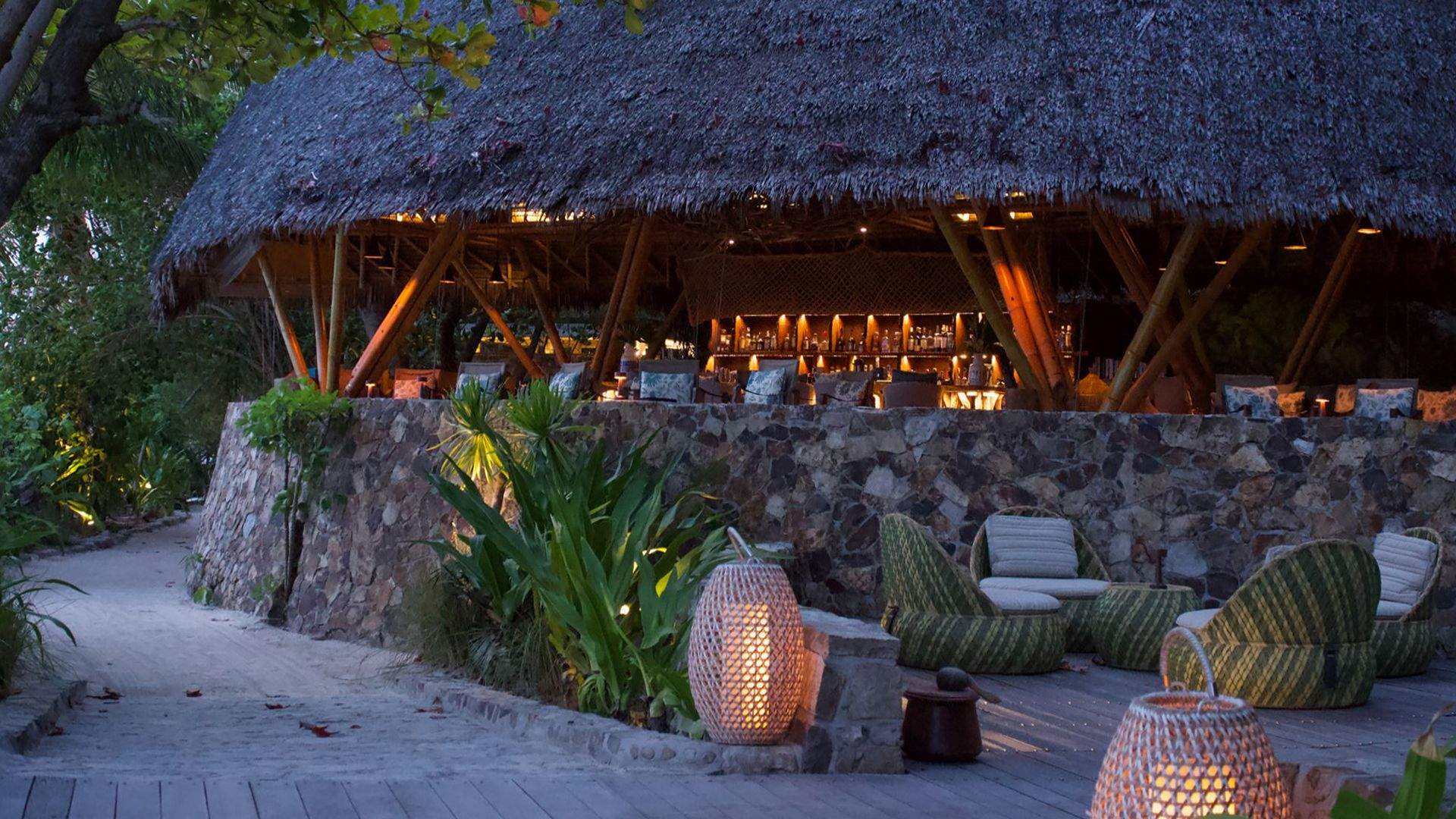
Singaporean architect Sim Boon Yang conceived the resort with that mission in mind, and it defines virtually every aspect of Bawah, with the island's ecosystem put first during construction. In practice, that meant no heavy machinery was used, and every beam, stone and structure was ferried in by boat or repurposed from what already existed on the island. The striking stone staircase that winds around to Grouper Bar and up to Treetops Restaurant, for instance, was shaped piece by piece from stone quarried on the island.
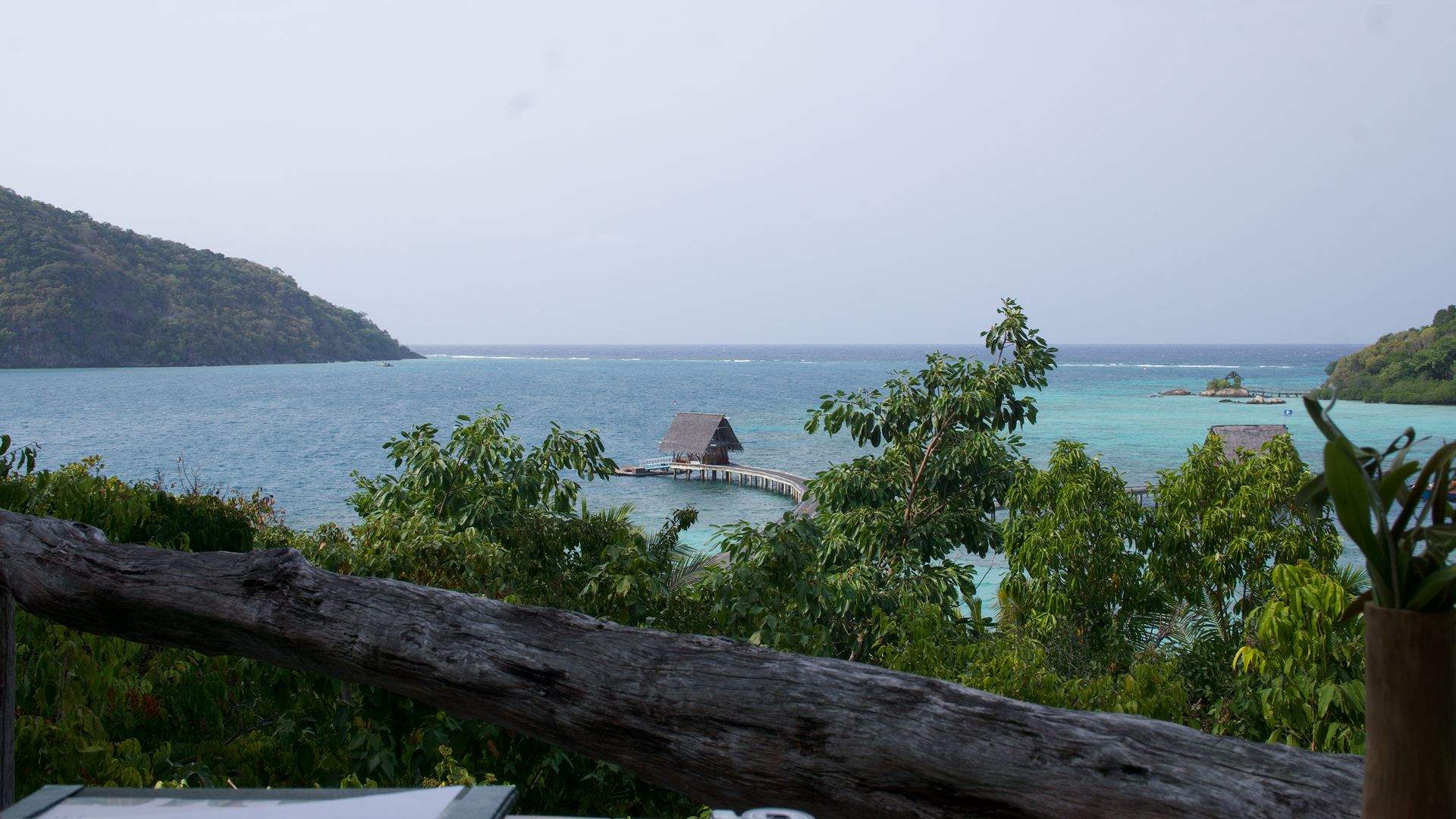
Above water, the sharp-eyed will notice the jetty is asymmetrical. Specialist divers oversaw the process to ensure the structure would not damage the delicate coral reef below, home to abundant marine life, including a growing population of sea turtles that hatch right on the resort's beachfront with the help of Bawah's marine biologists. Beyond the built structures, the sustainability practices are equally extensive. Bawah Reserve is home to Indonesia's largest floating solar farm built at sea, with 18 solar platforms saving over 170,000 litres of diesel annually. In optimal conditions, it produces about 80 percent of the island's energy needs.
Besides sustainable power, Bawah also has robust solutions for accessing clean and reliable drinking water. While the island's groundwater is used sparingly — the more you use, the higher the water's salinity becomes — rainwater is collected extensively from roofs of staff accommodation and other back-of-house buildings. Even more impressive, Bawah has its own on-site desalination plant, which produces all the fresh drinking water the entire operation needs.
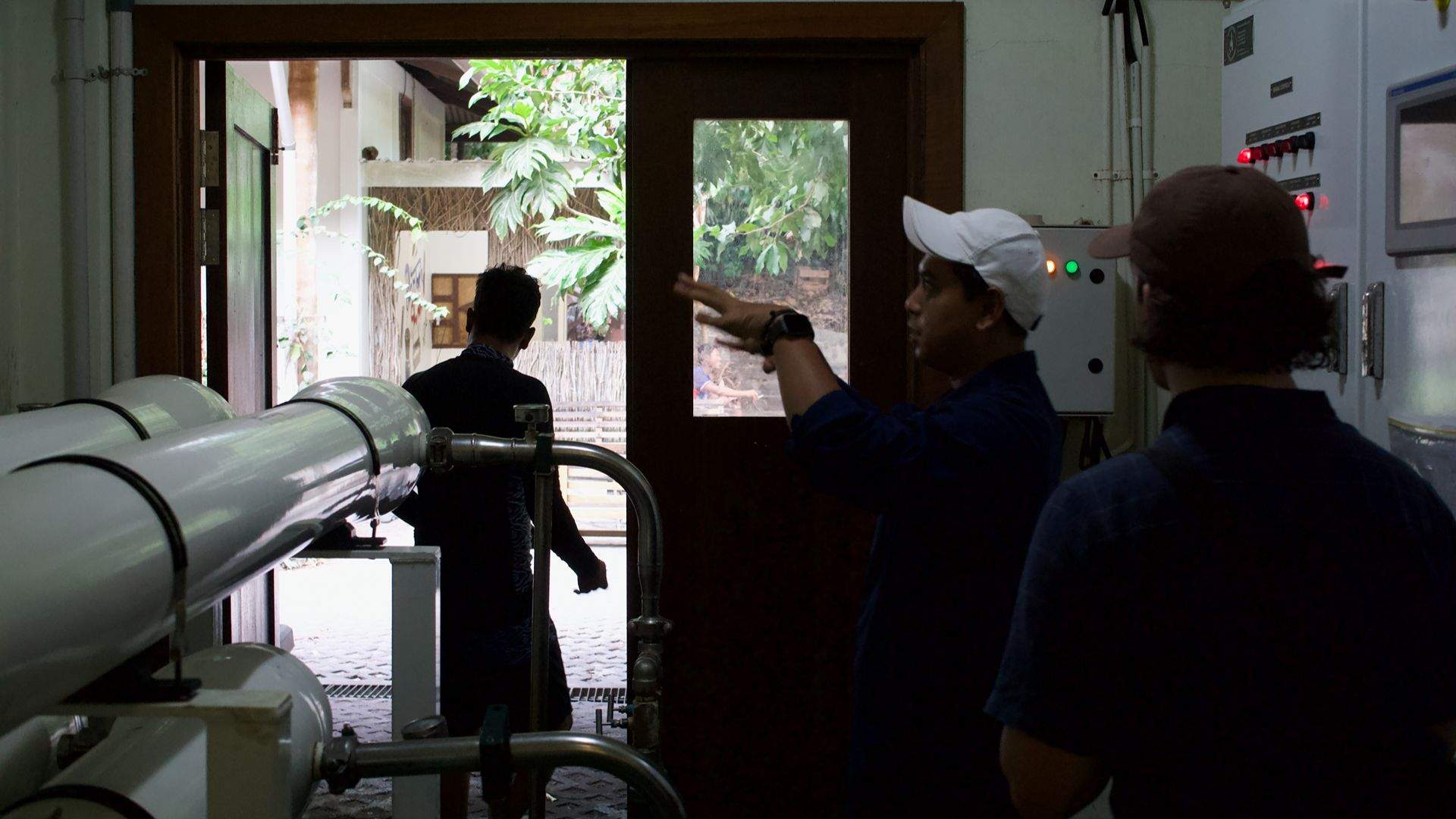
For Robinson, the wastewater system is a particularly important part of Bawah's conservation efforts. "It's probably not something most guests think about while looking out over the lagoon, but on a remote island, what happens to water after it goes down the drain matters enormously," he says. "I'm particularly proud of that kind of investment because our earth-first philosophy has to extend to the essential systems that keep the resort running."
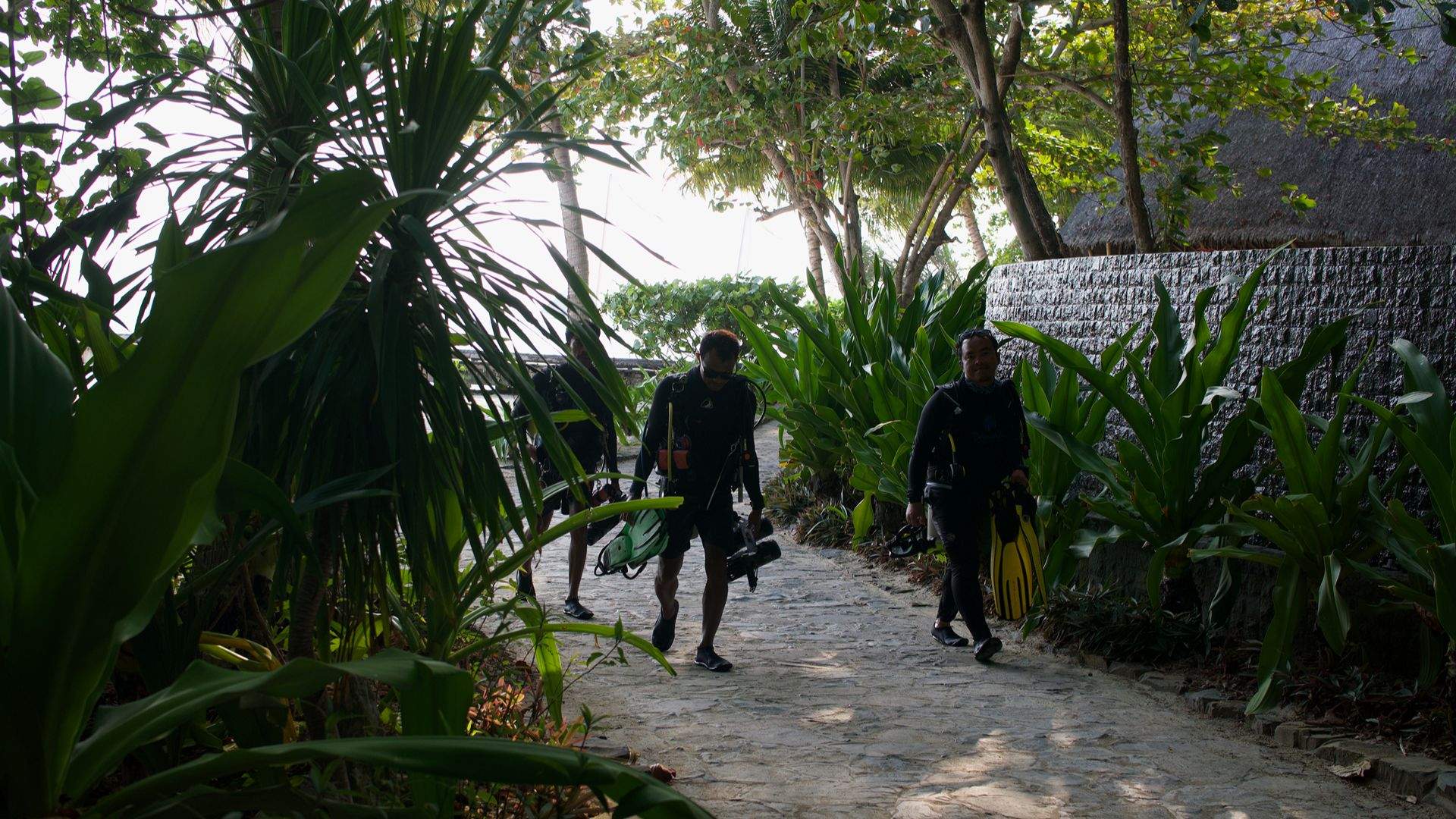
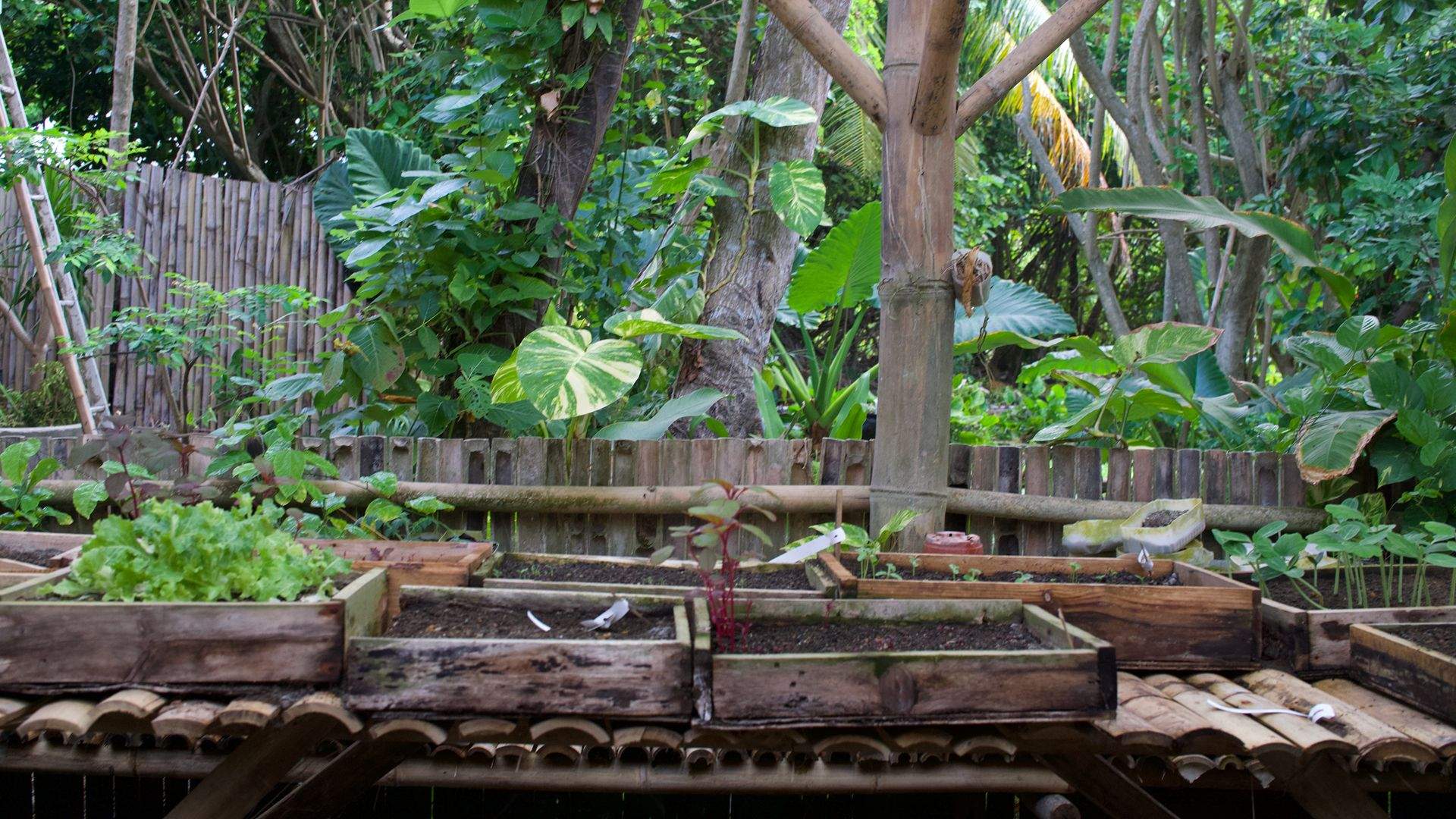
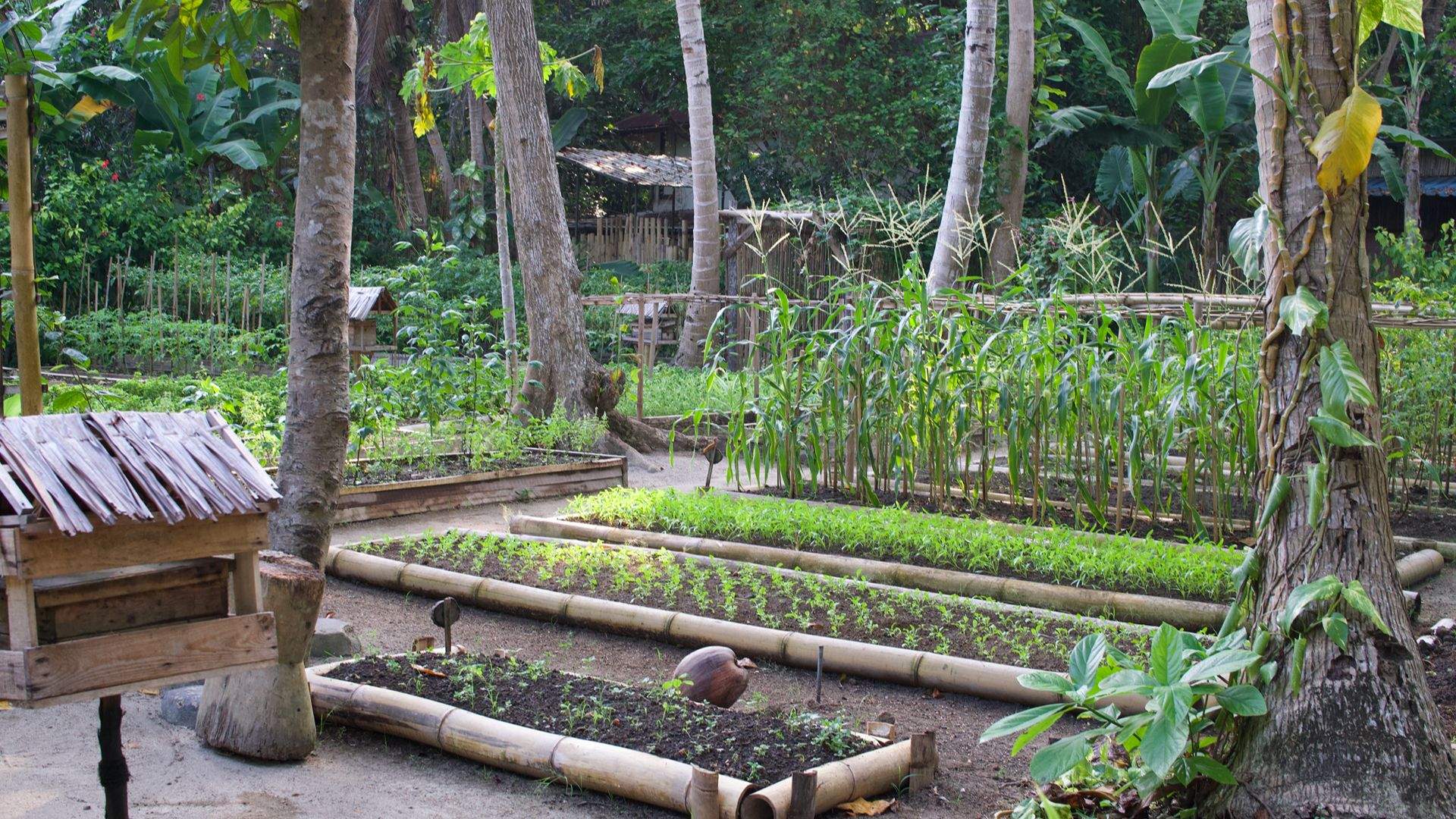
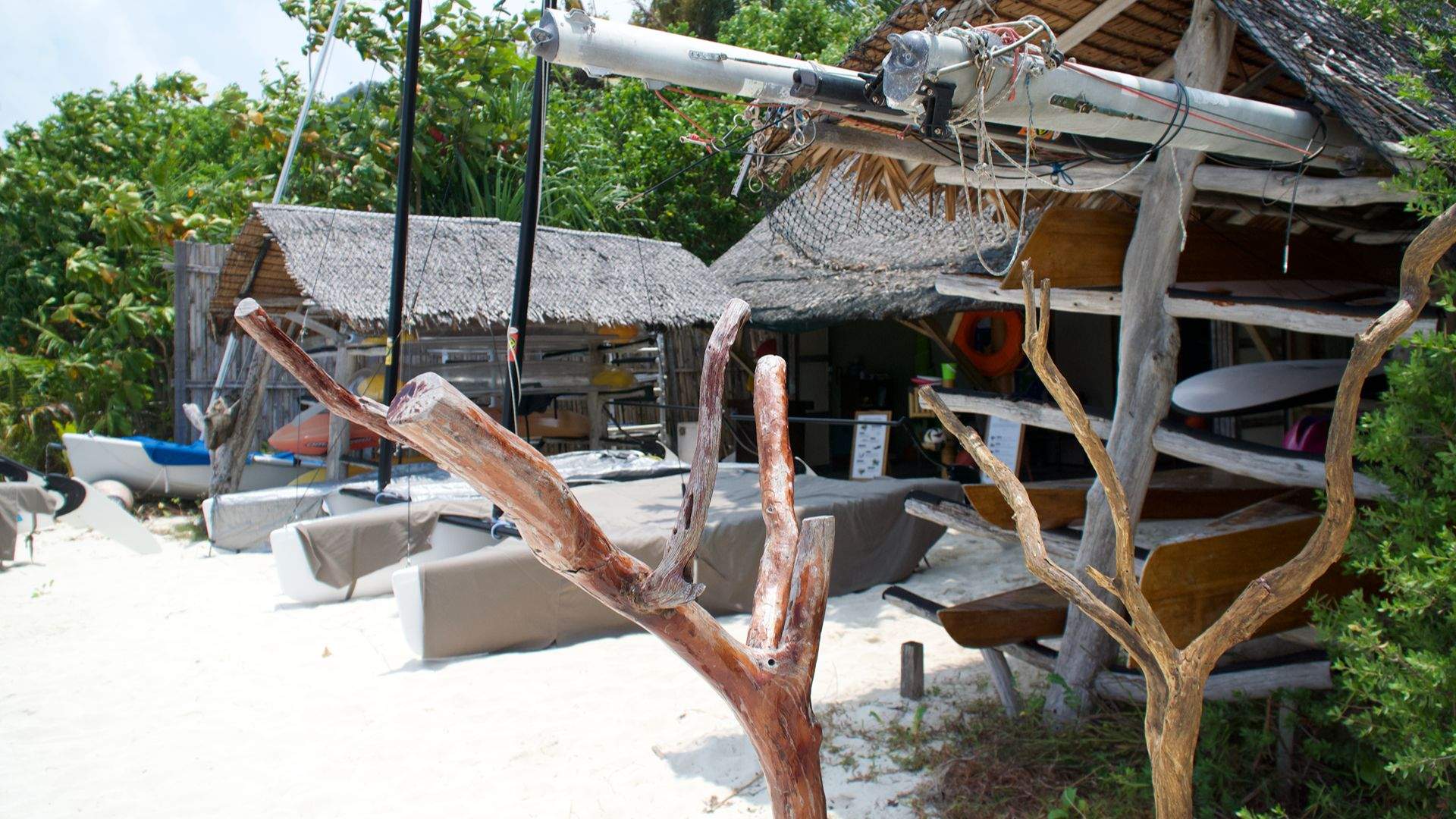
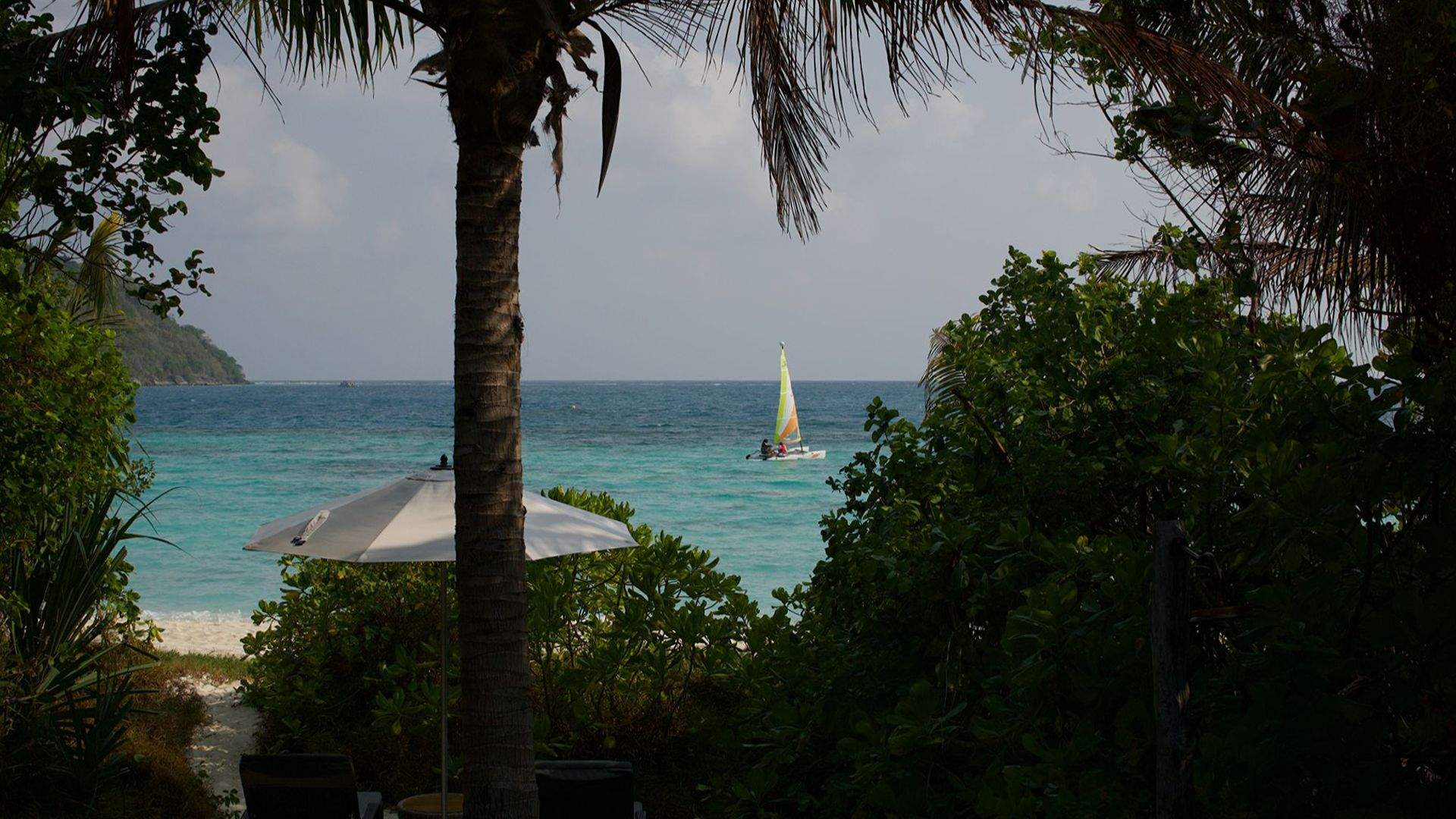
The scenery makes it easy to forget about any of this, but plenty of resort activities help you get to know your surroundings. Ride a catamaran, kayak lagoons and alcoves, snorkel or scuba dive the protected marine conservation area, tour the permaculture gardens or hike through untamed forest to various lookout points across the island. Here, the resort's luxuries often take a back seat to the natural environment. That said, you won't likely skip your daily included treatment at Bawah's fully-kitted spa.
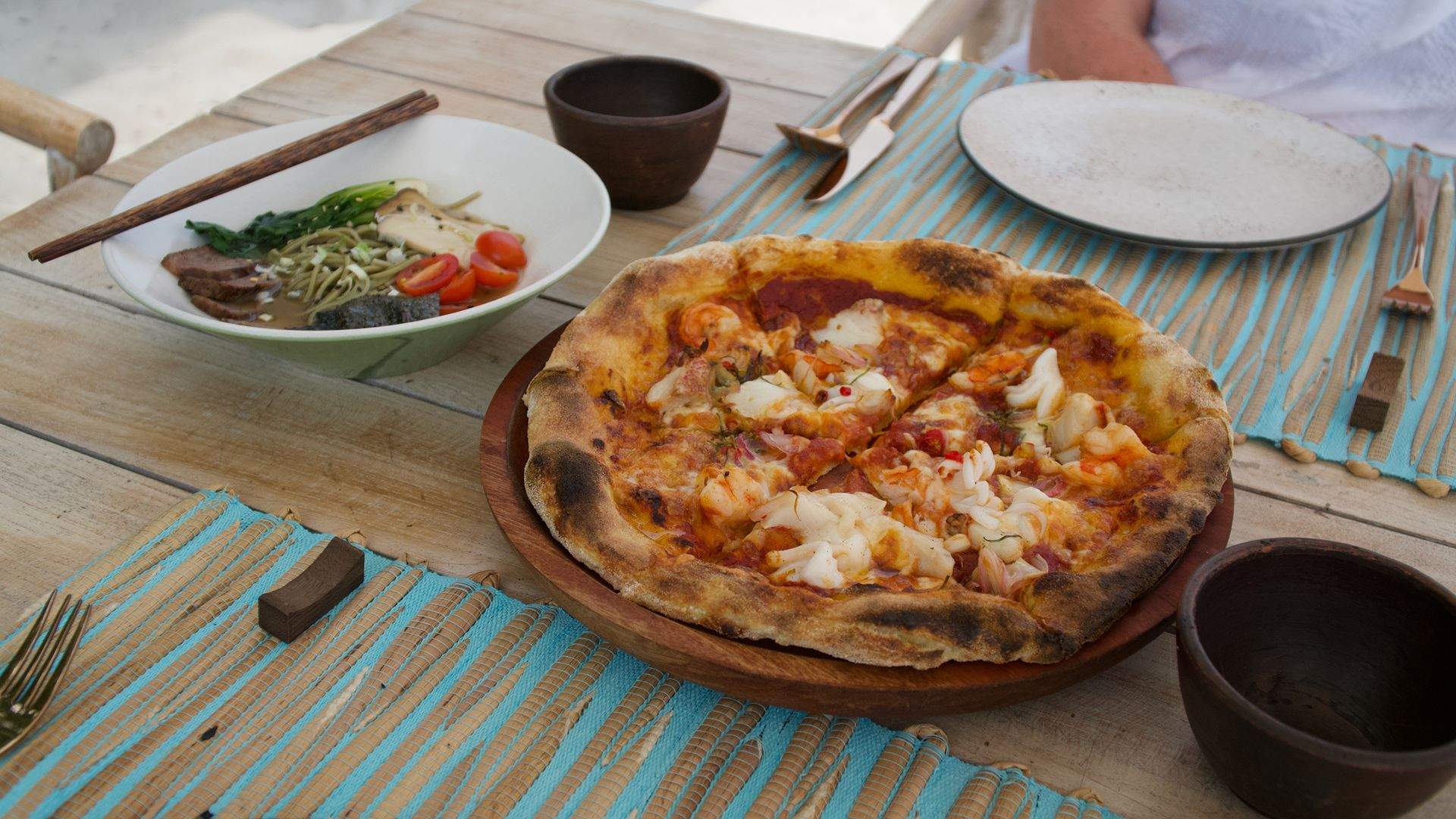
Additionally, on-site gardens provide about 40 percent of the fruit and vegetables that land on guests' plates, with much of the rest coming from Batam. This considered approach to dining prioritises local produce while reducing the need to transport ingredients over long distances. It's another way Bawah's environmental commitments extend beyond its more visible initiatives, informing the finer details of island life as much as the systems operating behind the scenes.
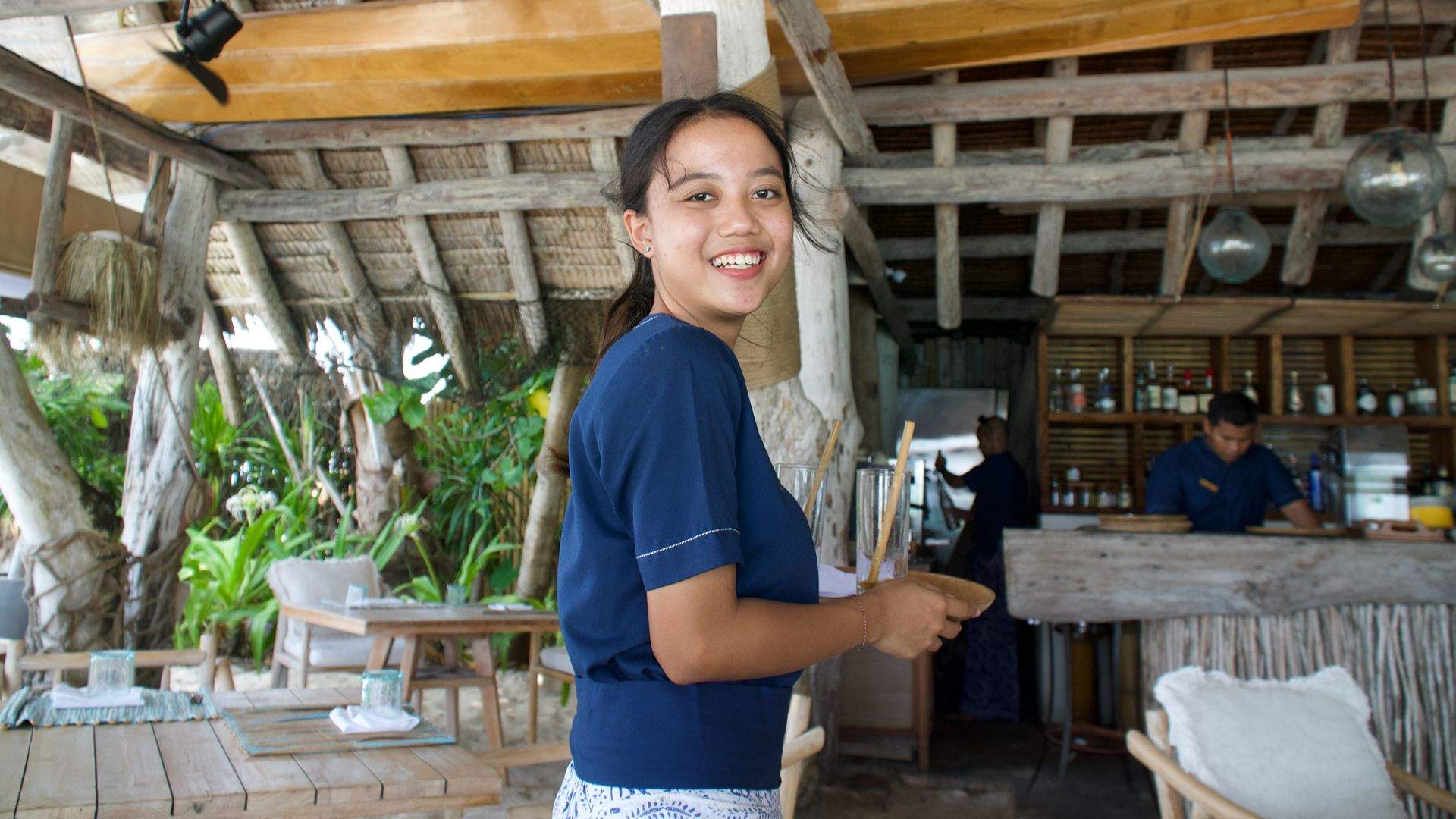
The same emphasis on local involvement is reflected in the resort's workforce. Around 98 percent of Bawah's employees are Indonesian, with 23 percent coming from remote communities across the Anambas Islands. By creating employment opportunities for people in the surrounding region, the resort helps ensure the benefits of tourism reach beyond its shores, giving local communities a stake in the resort's ongoing success.
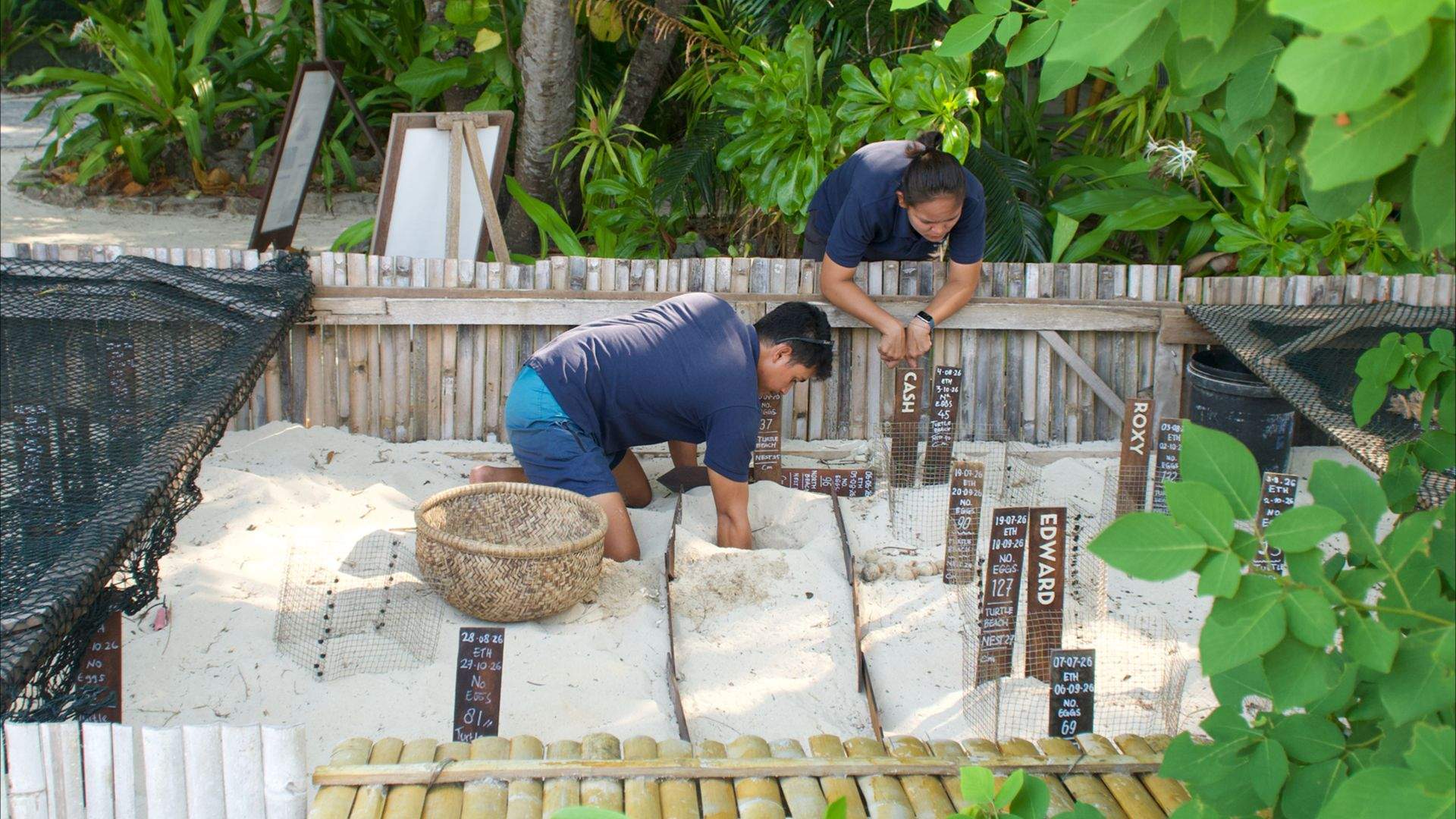
According to Robinson, it's about creating an appreciation for the island that lasts beyond their stay. "We also want guests to build a connection with the place. Whether they're snorkelling with our marine team or learning about coral restoration, understanding what they're seeing can turn appreciation into a sense of responsibility," he says. "Our aim is for guests to leave feeling restored, but also more aware of the value of protecting places like Bawah."
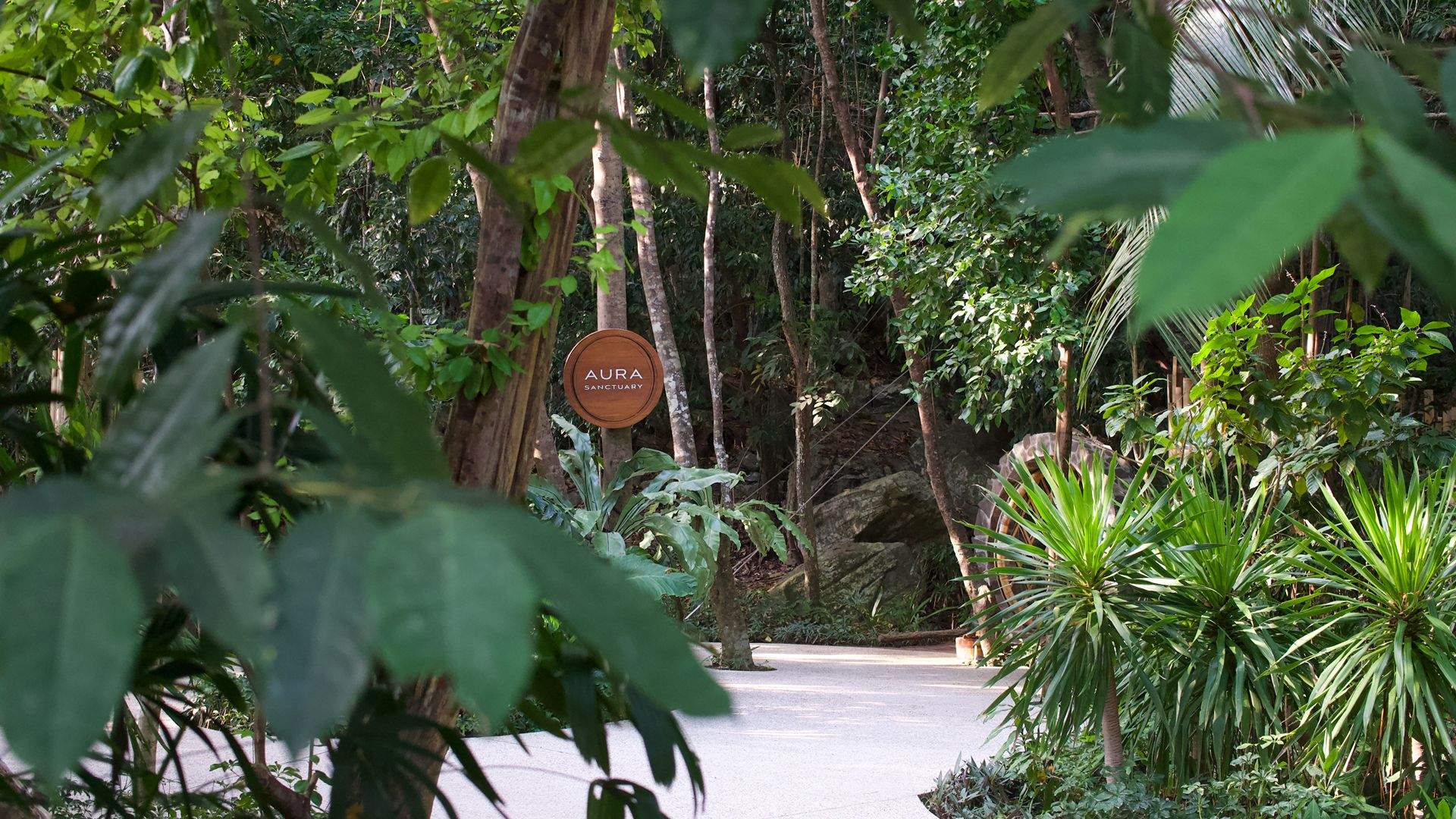
Bawah Reserve is located in the Anambas Archipelago about an 80-minute flight from Batam, Indonesia. Head to the website for more information.
Like what you see? Subscribe to the Concrete Playground newsletter to get stories just like these straight to your inbox.
Concrete Playground stayed as a guest of Bawah Reserve.
Images: Hudson Brown