Overview
If you've been waiting for the cold months to kick into high gear, you might have seen news about how the possible impending El Niño could lead to disappointingly warm weather. Forecasts released this week by the Australian Bureau of Meteorology confirm that, but not an El Niño yet. Here's what your winter could look like across the country.
A quick refresher if you're not already familiar: El Niño is one half of a regular weather cycle that defines rainfall and ensuing weather changes on both sides of the Pacific Ocean. We've just started to climb out of its opposite, La Niña, which brings more rain and cloud cover to Australia, but El Niño sees the clouds and the ensuing moisture become scarce. It's generally triggered by rising ocean temperatures, which block that moisture from crossing the ocean. You can read more about the causes of El Niño here.
Earlier this year, it was reported that we are headed for a so-called "Super El Niño". The symptoms of a Super El Niño in the Pacific Ocean haven't started yet, but forecasts for the coming months point to some very El Niño-esque rainfall (or lack thereof) across the country. The biggest impacts will be felt by farmers, and also alpine towns hoping to welcome snowsport tourists.
For the southern states, forecasts are predicting below-average rainfall, especially from June. In the NT and the northern parts of WA and QLD, it's a different story: above-average rainfall is predicted, but the baseline is very low and easily exceeded thanks to the annual dry season. In central and northwest Australia, rain forecasts are consistent with average winter weather, which is dry year-round.
The temperature is looking similarly toasty, with the chance of higher-than-average minimum and maximum temperatures averaging between 60 and 80 percent across the country. While the differences aren't dramatic, mostly a one-degree increase against the average, some regions will suffer more than others from, namely Australia's alpine townships.


Tourism Snowy Mountains
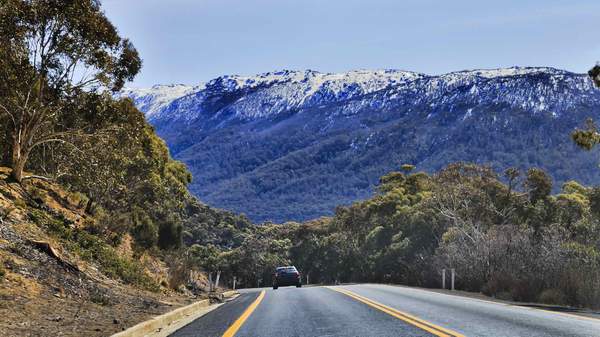
Drier and warmer conditions almost universally lead to less snowfall, which can put tourists off from making the annual pilgrimage to resort towns like Perisher, Falls Creek, Mount Buller and Thredbo. But as BOM senior climatologist Caitlin Minney told the ABC, spontaneous rainfall systems like Southern Ocean cold fronts and East Coast lows can drive sudden and plentiful snowfall — so don't put the snow gear in storage yet and keep a ready eye on the forecast.
It's looking quite likely that an El Niño will be officially declared in winter, which means we can expect drier conditions for as much as a year to come, including a higher-risk fire season and a greater chance of drought.
Follow the Australian Bureau of Meteorology for the most up-to-date information and weather forecasts.