Honouring Hakumai: Head Chef Akira Horikawa's Take on Omakase Dining, White Rice and the Pursuit of Perfection
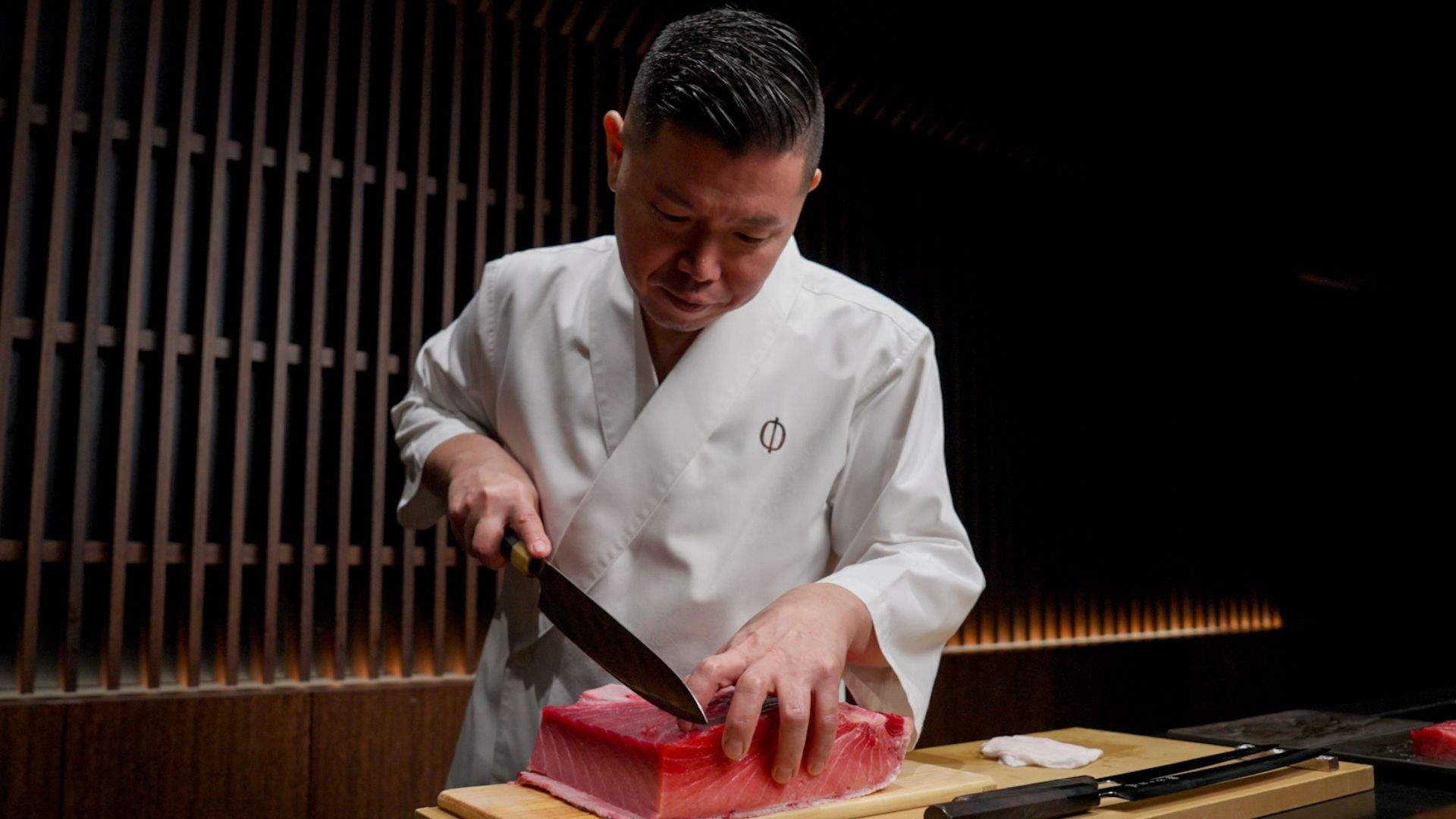
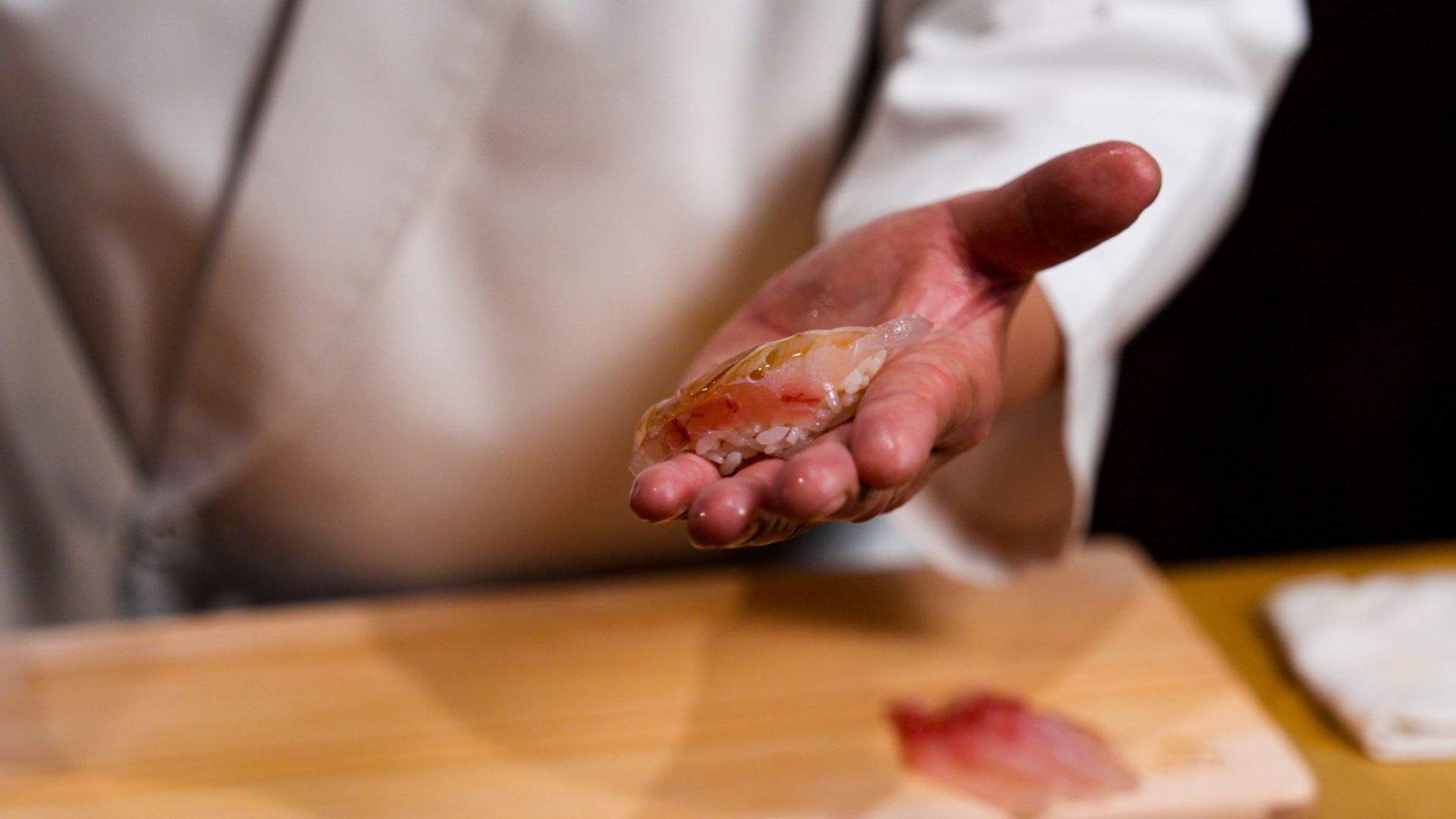
Walk into Omakase at multi-dining precinct Prefecture 48 on any given night. You’ll likely find head chef Akira Horikawa doing what he’s best at — quietly crafting some of the most refined sushi in the country. “To me,” he tells Concrete Playground, “the perfect piece of sushi is when the topping and the rice come together in perfect ratio and harmony. Neither should overpower the other. The two elements should create something greater than the sum of their individual parts.”
Horikawa has spent over three decades chasing that balance. Trained in the traditional Edo-mae style of sushi, which prioritises purity, simplicity and seasonality, he now leads the Omakase dining experience at this Japanese restaurant in Sydney’s CBD, hidden away above Sussex Street.
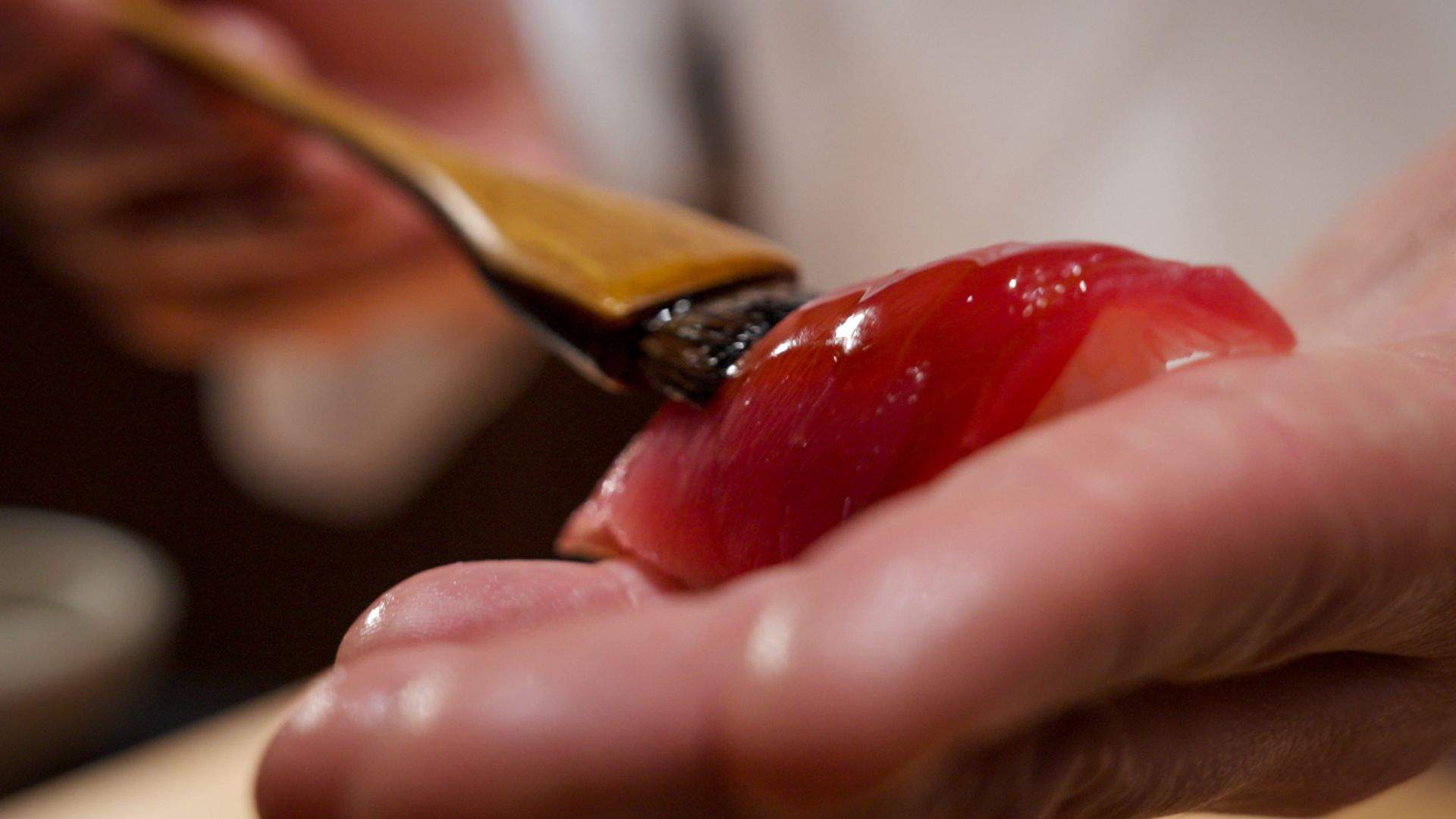
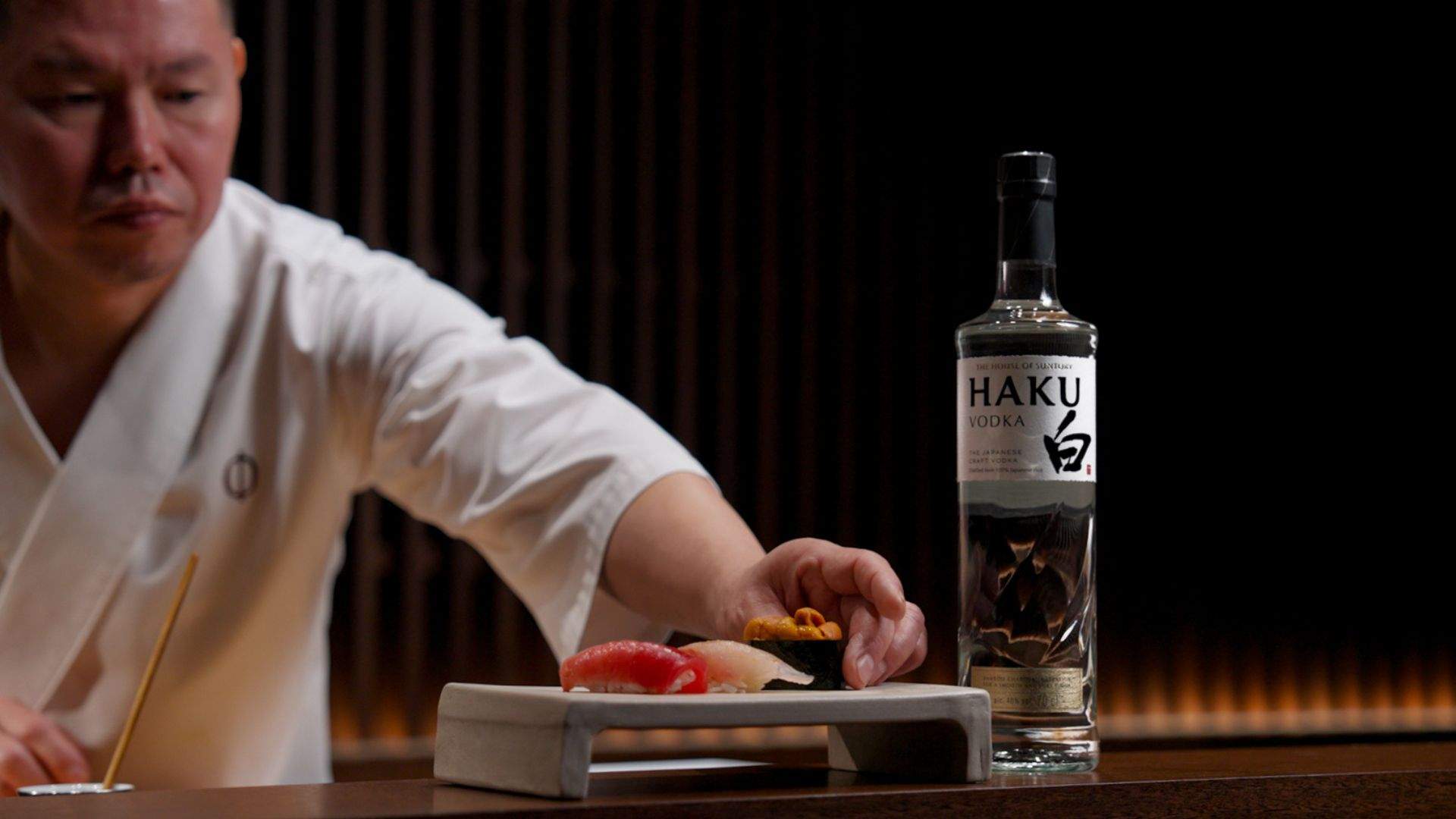
With only two preset menus each night, one short course and one long course, the restaurant stays true to the roots of omakase. Guests leave their taste buds in the hands of the chef, enjoying dishes like akami zuke, southern calamari, tamagoyaki and matcha pudding.
From Tokyo to Sydney
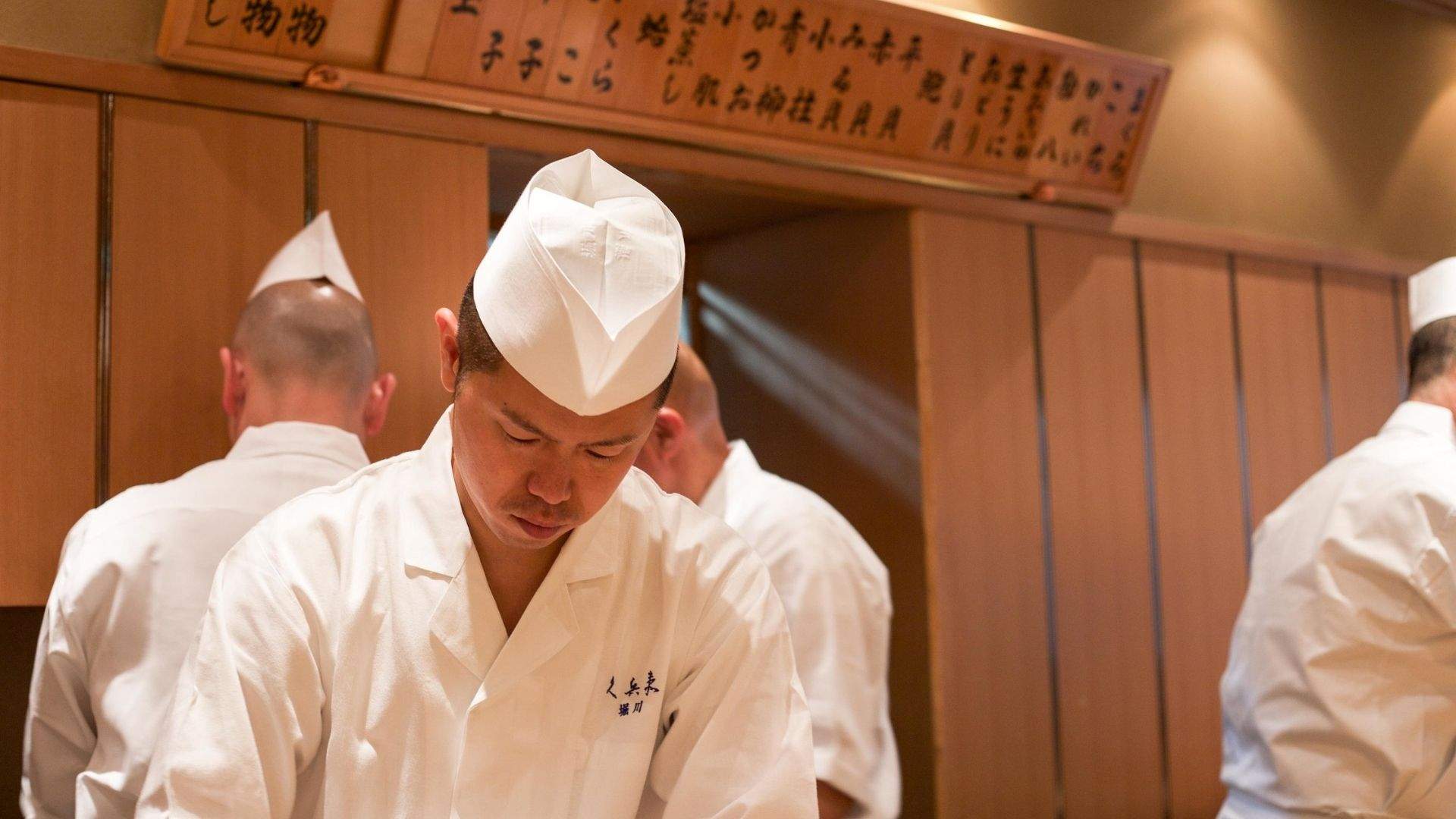
Originally from Tokyo, Horikawa’s love for food started early. “I’ve always loved eating, good food makes me genuinely happy,” he says. “I wanted to share that joy with others, which naturally led me to pursue a career as a chef.” His journey took him through some of Japan’s most highly regarded kitchens, including Ginza Kyubey (the birthplace of gunkan ‘ship-style’ sushi) before bringing his expertise to Australia.
But despite decades in the kitchen, Horikawa doesn’t consider himself a master. “I don’t think I ever will,” he says plainly. “And honestly, I believe that the moment a chef thinks they’ve mastered something is the moment they stop growing.”
“Sushi’s beauty lies in its simplicity and to highlight that simplicity demands constant pursuit of perfection. So, I continue to seek improvement every day.”
The Art of Hakumai
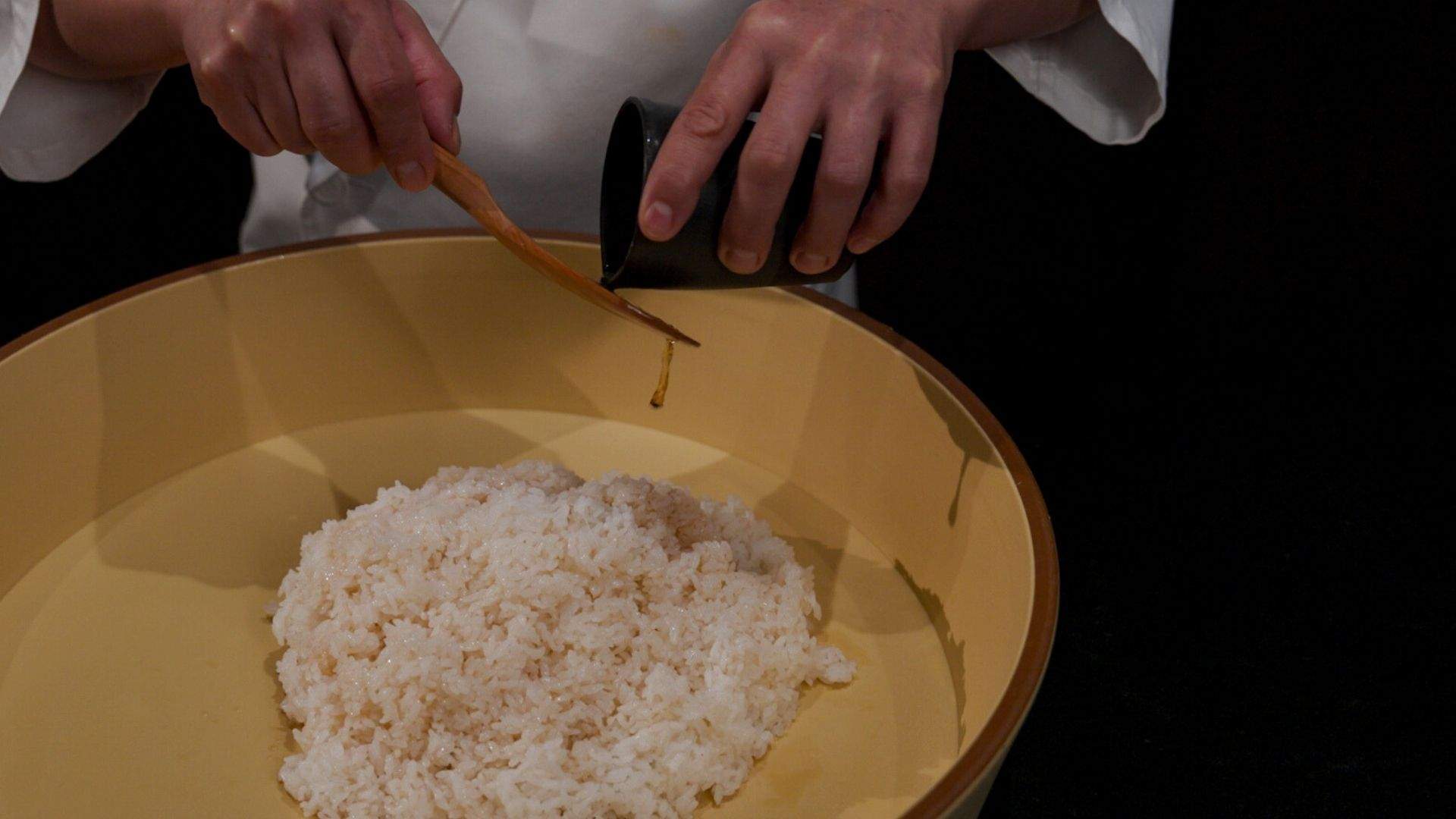
At the heart of every piece of great sushi is the rice. It’s the backbone, Horikawa says, and in his view, it’s often one of the most underappreciated ingredients in Japanese cuisine. “It supports and elevates the ‘neta’ [topping], allowing each bite to feel complete,” he says.
Japanese hakumai, or polished white rice, is a chef’s staple. “It’s a beautiful balance of stickiness, subtle sweetness, umami, and texture,” Horikawa explains. “It’s what gives Japanese food its comforting, signature feel — a true staple and source of pride.”
The rice Horikawa uses at his restaurant is specially cultivated in Niigata, known for its perfect growing conditions. But even the best rice requires careful handling. “The quality of the rice itself and the balance of water when cooking the rice are the most important elements,” he says. “Sushi rice should absorb the vinegar seasoning evenly, with each grain distinct yet cohesive — coming together in perfect harmony.”
That sense of harmony goes beyond sushi, too. One of the head chef’s favourite dishes to create with hakumai is Tamago Kake Gohan, which is essentially a bowl of warm rice with raw egg. “Living overseas, where edible raw eggs aren’t as readily available, I find myself craving these simple, nostalgic meals. They’re a reminder of home and the comfort that good rice can bring.”
A New Way to Enjoy
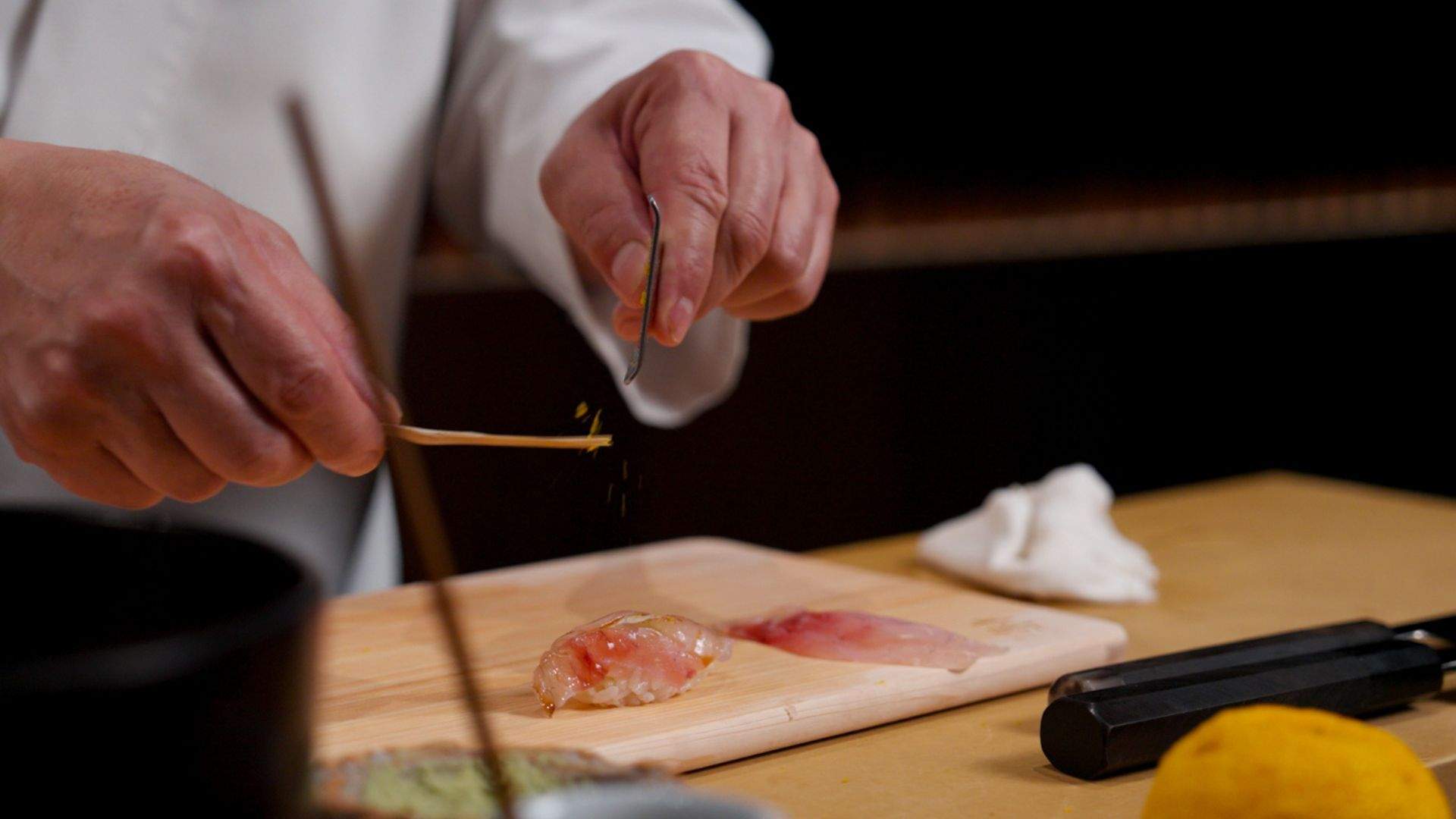
This winter, hakumai will be honoured in a different way — through the glass. In partnership with Haku Vodka, venues across Sydney and Melbourne (including Omakase’s sister venue, The Whiskey Thief, at Prefecture 48) will be serving bespoke rice-based cocktails alongside dishes that honour the humble grain of white rice.
Inspired by the art of hakumai, Haku Vodka uses traditional Japanese fermentation and distillation methods in Kyushu that preserve the rice’s sweet and subtle flavours in the final product. Now, the spirit will be served with Japanese dishes that reimagine rice — not just as an essential part of the meal, but as something to savour from start to finish.
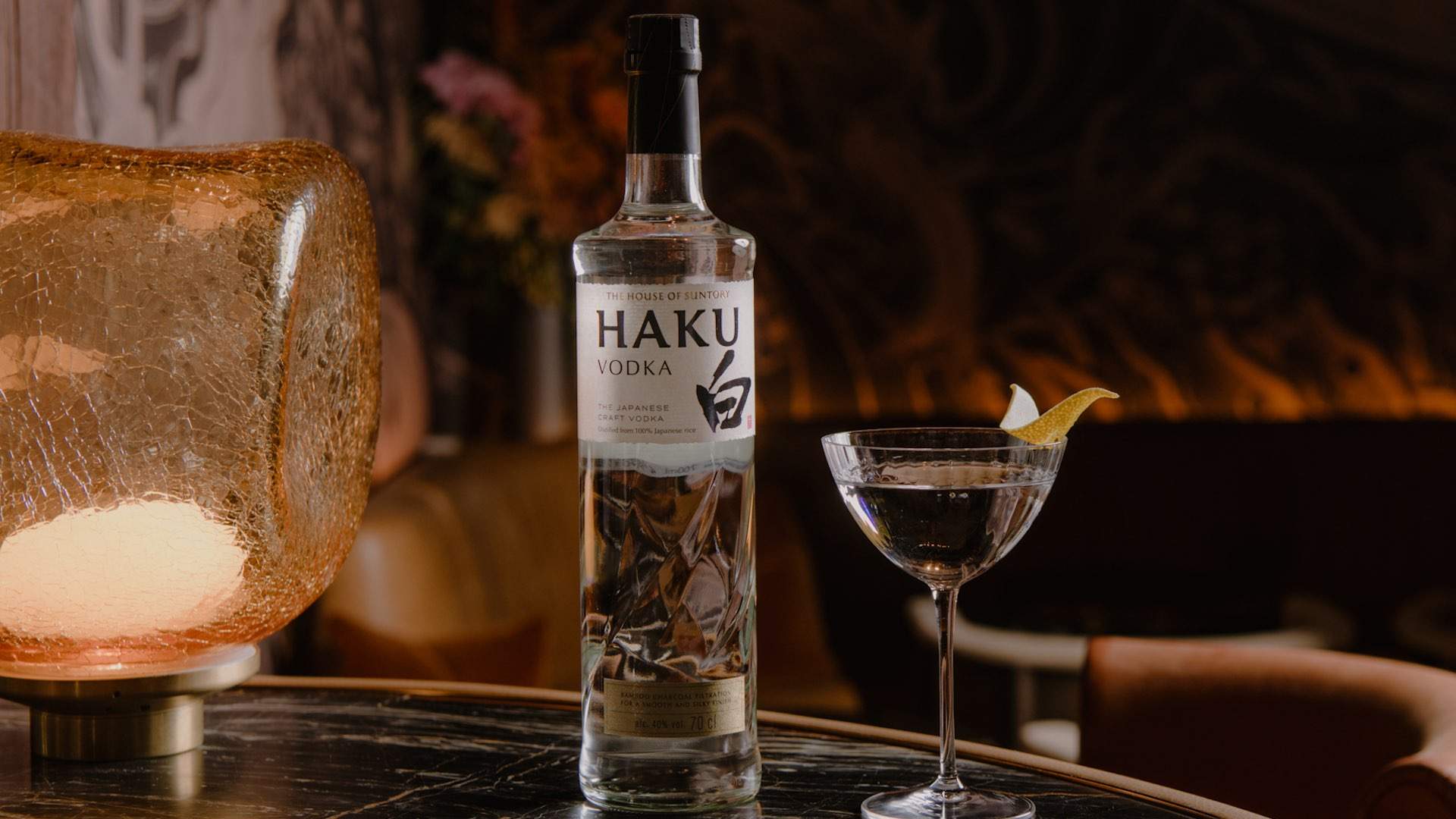
With a few simple ingredients, you can try the class Haku Martini at home too. Smooth, simple and delicious, the cocktail combines Haku Vodka with dry vermouth and a hit of citrus.
Ingredients
60ml Haku Vodka
10ml dry vermouth
Lemon twist
Method
Add Haku Vodka and dry vermouth to a mixing glass filled with ice.
Stir for 20 to 30 seconds, then strain into a chilled coupe or martini glass.
Run a lemon twist over the surface and drop it in to garnish.
Serve the Haku Martini on a quiet evening and savour the ultimate nod to the craft, the culture and the quiet beauty of white rice.
You can try a Haku Vodka martini and dishes that honour hakumai at venues across Sydney this July and August, including Prefecture 48, Icebergs Bondi, Bar Sumi and The Roosevelt. And across Melbourne at spots like Curious, Holy Grail, Rossi and Yugen. Visit here to learn more.
By Jacque Kennedy
Images: Jiwon Kim