A Weekender's Guide to Tasmania's Wild West Coast
As rugged as its reputation suggests, Tassie's West Coast lives up to its persevering motto: "We find a way, or we make a way."
Set adrift at the bottom of Australia, Tasmanians lean into their difference from those on the mainland. For some, that means wearing shorts on the coldest of cold days. For others, being little more than one degree of separation from everyone else on the island is a source of pride. But within this thriving microcosm is an even smaller one — Tasmania’s West Coast.
In recent years, Hobart has become an increasingly sought-after destination, with local and international travellers captivated by its innovative dining and provocative arts scene. Of course, the region’s abundant natural attractions also draw a crowd. Yet the former industrial heartland to the west remains an outsider. More remote and wild in nature, it wasn’t so long ago that only hikers and thrillseekers viewed its rawness as an upside.
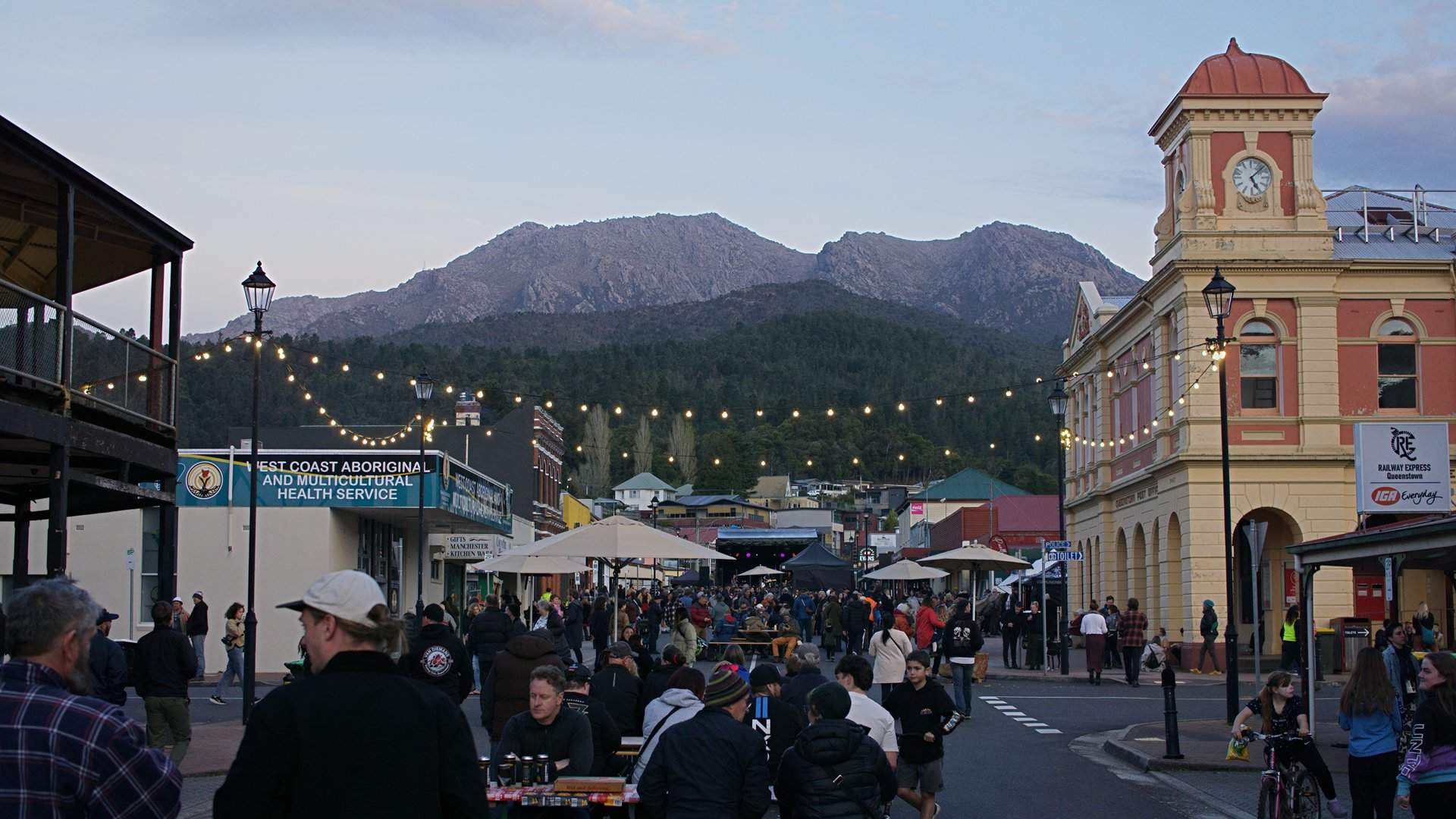
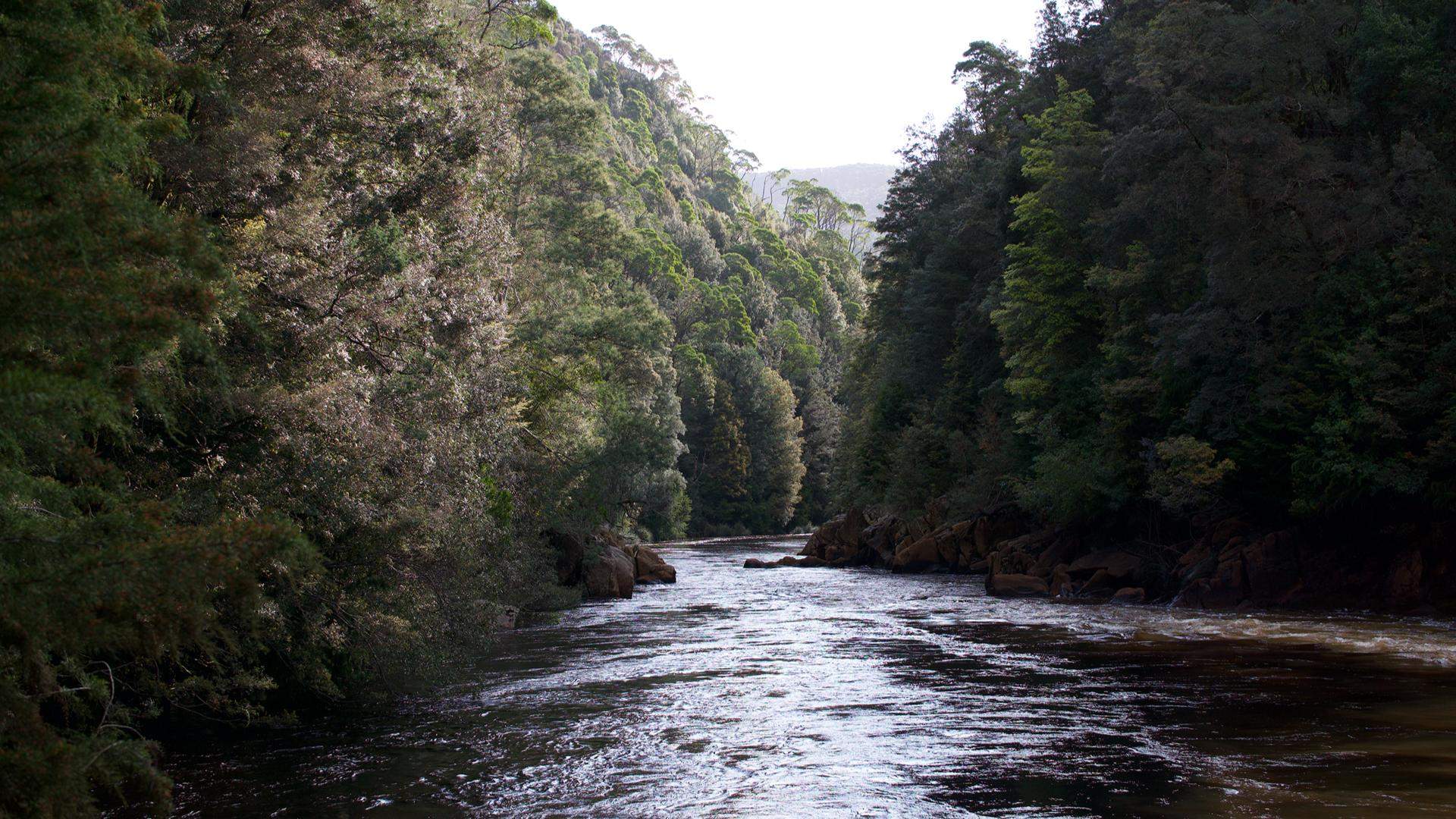
But this perception is quickly changing. Sure, the untamed beauty remains, making it prime position for escaping your comfort zone. Yet set between lush rainforests, millennia-old lakes, and windswept beaches, historic mining towns like Queenstown and Strahan feature sophisticated stays, dining experiences and arts events that belie this unrestrained region’s burly repute.
Getting there
Mainlander or not, Tasmania isn’t so large, but that doesn’t mean you won’t need a car to get around. Whether you fly into Hobart or Launceston, the West Coast’s central hub, Queenstown, is about a three-and-a-half-hour drive from both. Just know, the roads west are mostly tight and winding, so take your time and factor in several stops along the way. Word to the wise: stock up on motion sickness tablets.
Beyond heading in the right direction, Tassie and the West Coast in particular demand that visitors pack appropriately. With four seasons in a day an almost daily reality, trust you’ll be needing a reliable rain jacket, proper cold weather gear and even sun protection. Layered up, the locals will spot you coming from a mile away. But at least you won’t get soaked through when the weather turns south.
Where to eat, drink and sleep
Five-star accommodation isn’t exactly around every corner amid this rugged hinterland, though there’s no shortage of charming cottage stays and converted manors.
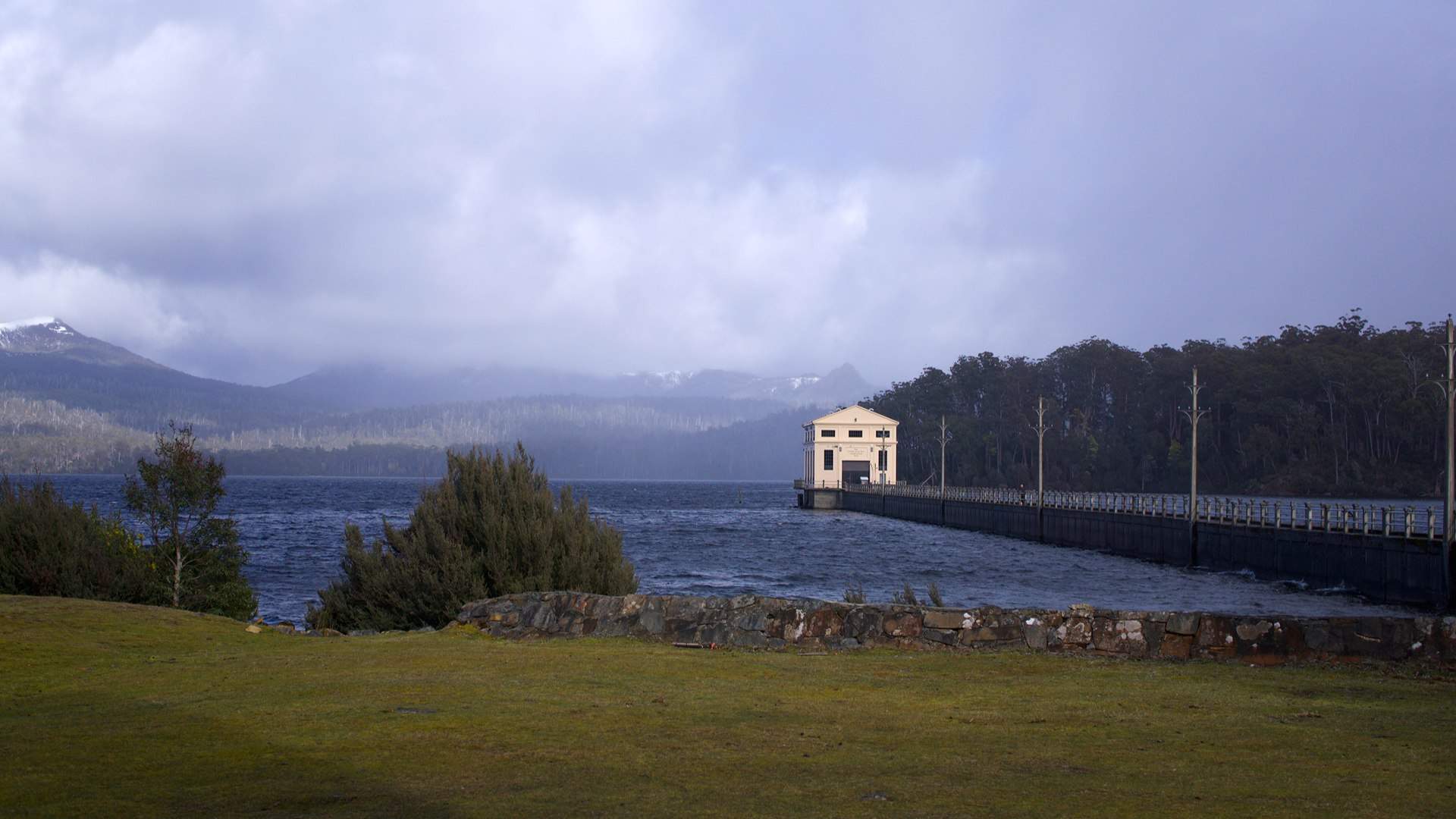
Yet one boutique adults-only retreat that captures the imagination is Pumphouse Point, an art deco monument and symbol of the region’s industrial past. Connected by a flume about 200 metres from Lake St Clair’s shore — Australia’s deepest freshwater lake — the pump house was built in the 1930s as part of Tasmania’s hydroelectricity scheme, designed to feed water to the nearby Tarraleah Power Station.
Today, the massive turbines are gone, replaced with three levels of luxe accommodation. Waking to the sound of waves lapping at the building’s edge, views of the tree-lined lake shore and distant mountains are equally peaceful. Across the blustery flume, with original hydro pipes still in place, a warm shorehouse offers safe harbour from any wild weather.
Here, wood fireplaces heat a relaxing lounge and a suitably upscale restaurant that showcases small-scale growers and producers.
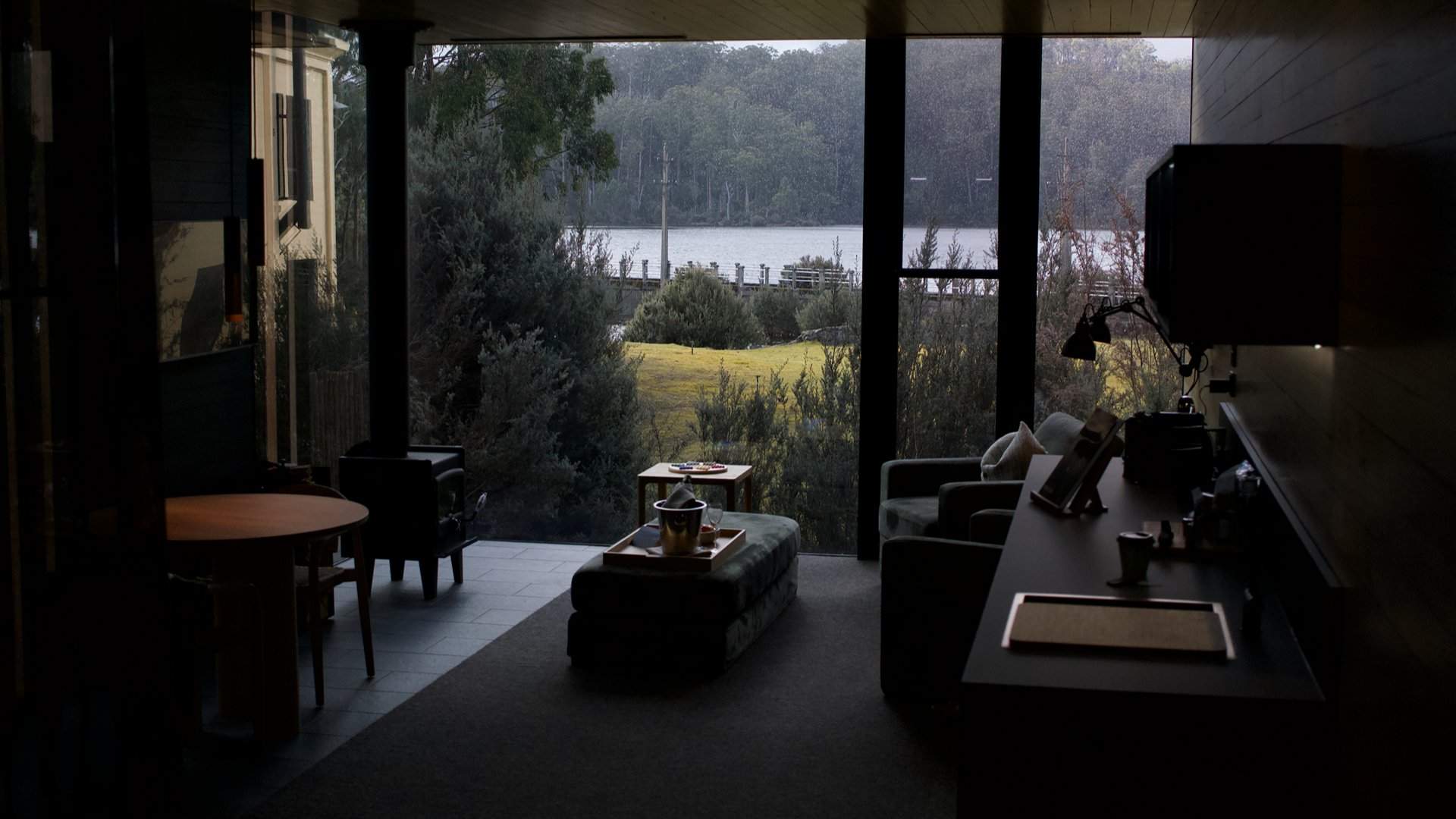
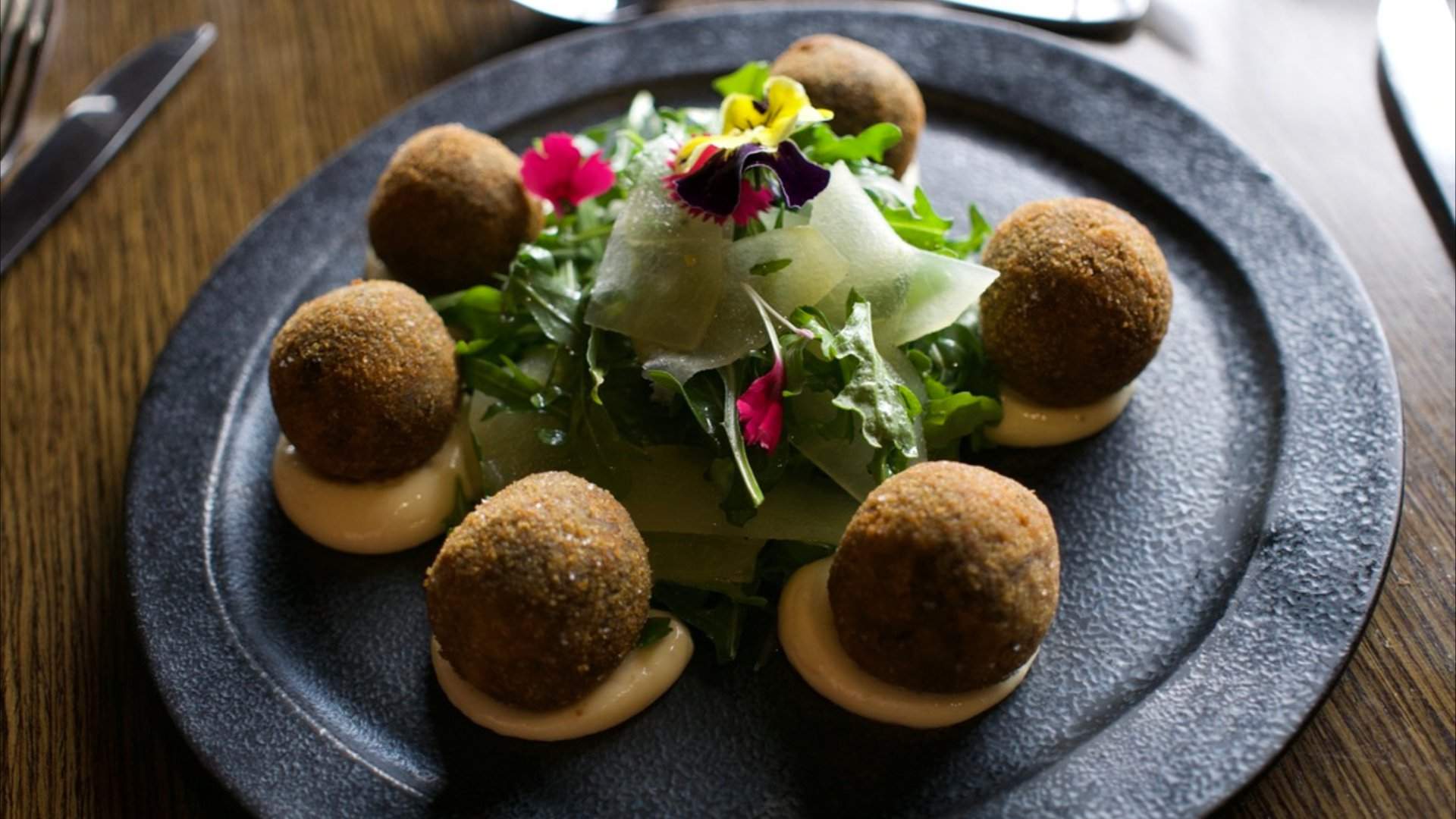
Nestled into bushland beside the shorehouse, Pumphouse Point has more recently added The Retreats — a series of contemporary cabins perched on the lake edge. Taking things up a notch with an all-inclusive experience, admire the views alongside your own wood fireplace, then break out the Tassie-made provisions, like Coal River Farm camembert, Ziggy’s sliced meats and Bangor pinot noir.
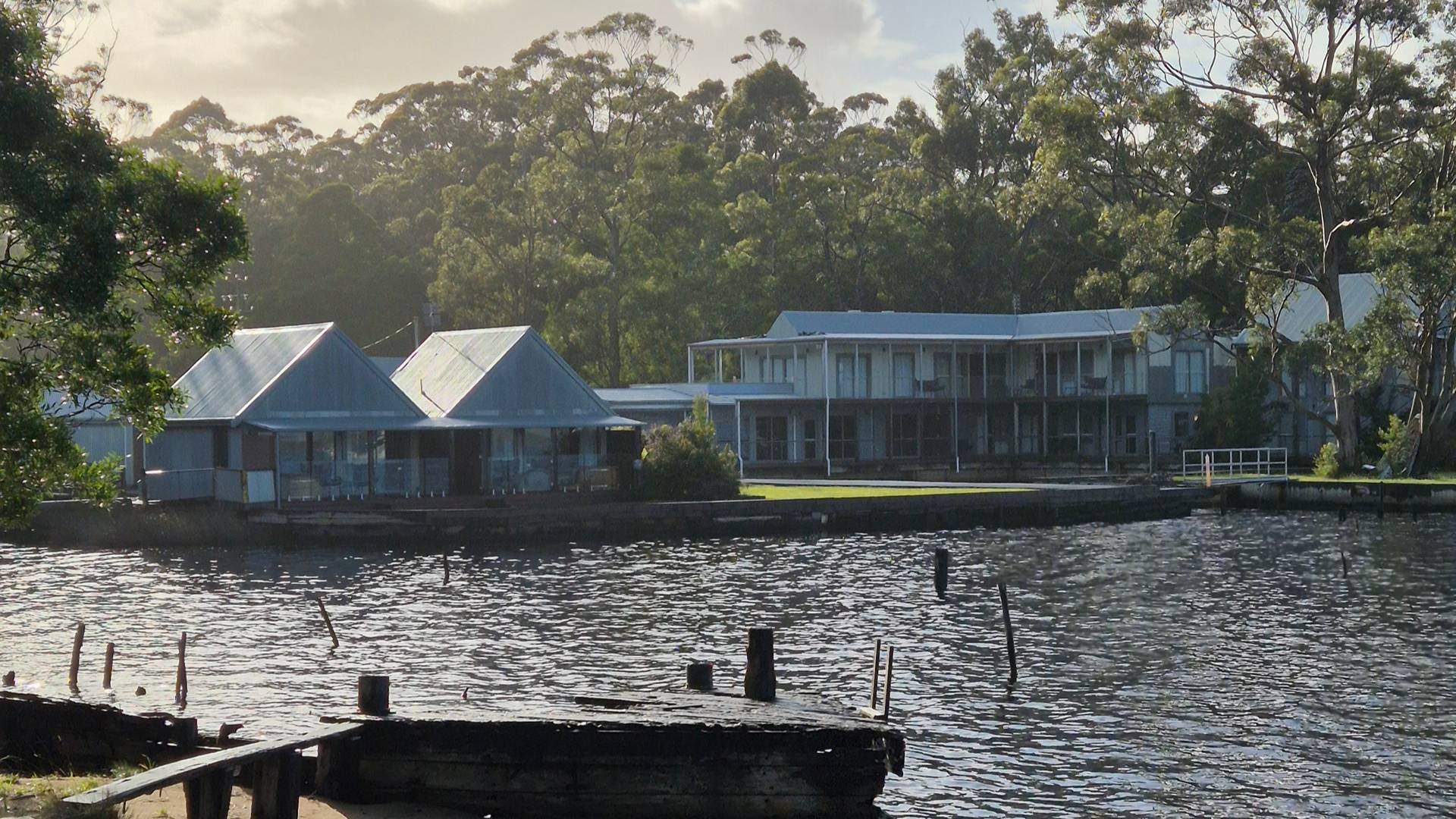
Further west is Strahan, once a hotbed for the maritime and logging industries. Overlooking the harbour, Risby Cove plays into this history. A former sawmill turned boutique hotel, a dozen or so rooms and suites, some with waterfront spas, invite countryside bliss. There’s also a top-notch restaurant, serving sophisticated cuisine highlighting Tasmania’s northwest food pantry. In town, The Coffee Shack serves a solid brew, while dolphins are known to put on a show in the harbour.
Alternatively, The Ship That Never Was is an iconic local theatre production that has run every night of the week for the past 31 years, making it Australia’s longest-running play.
What to do
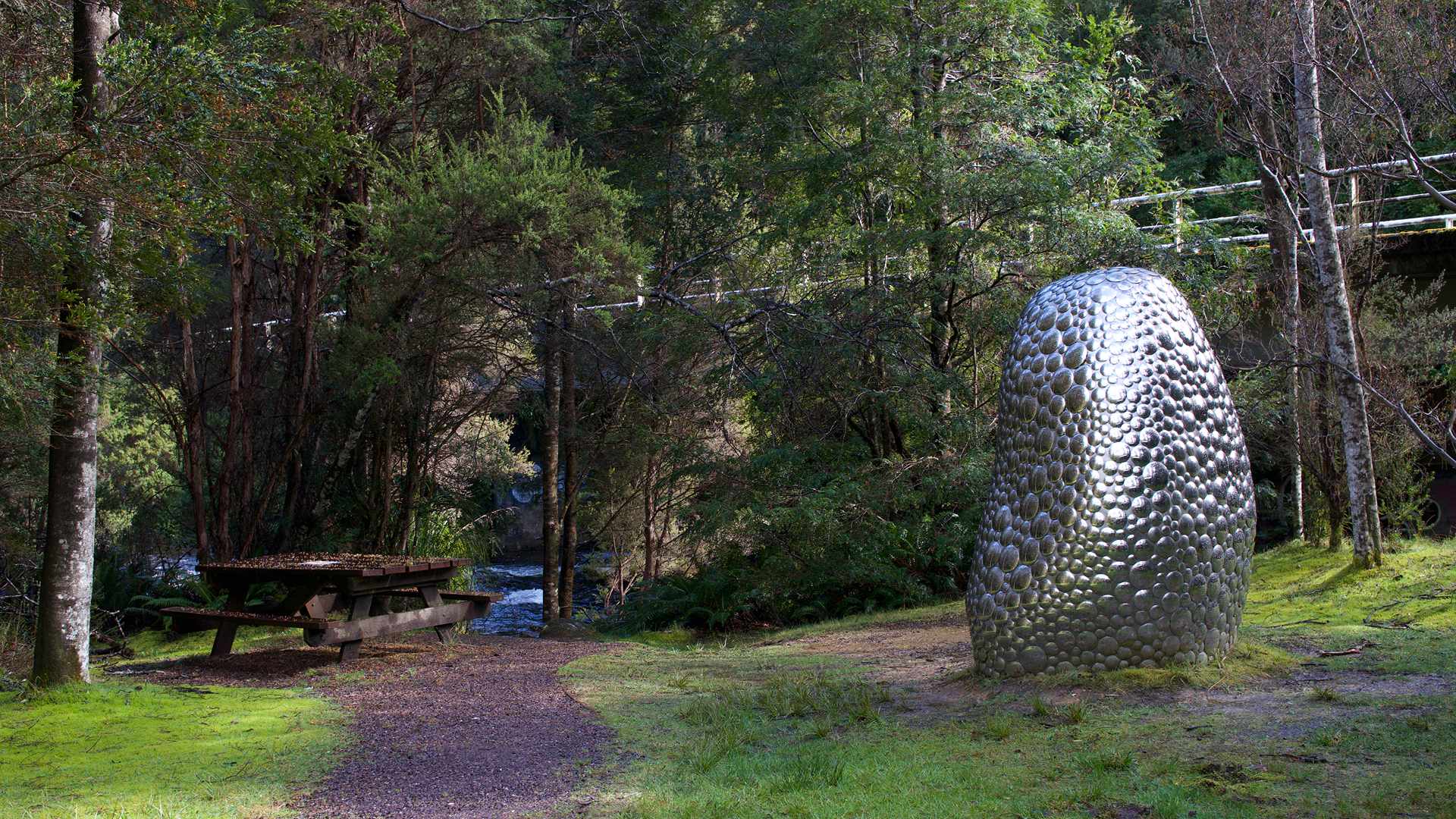
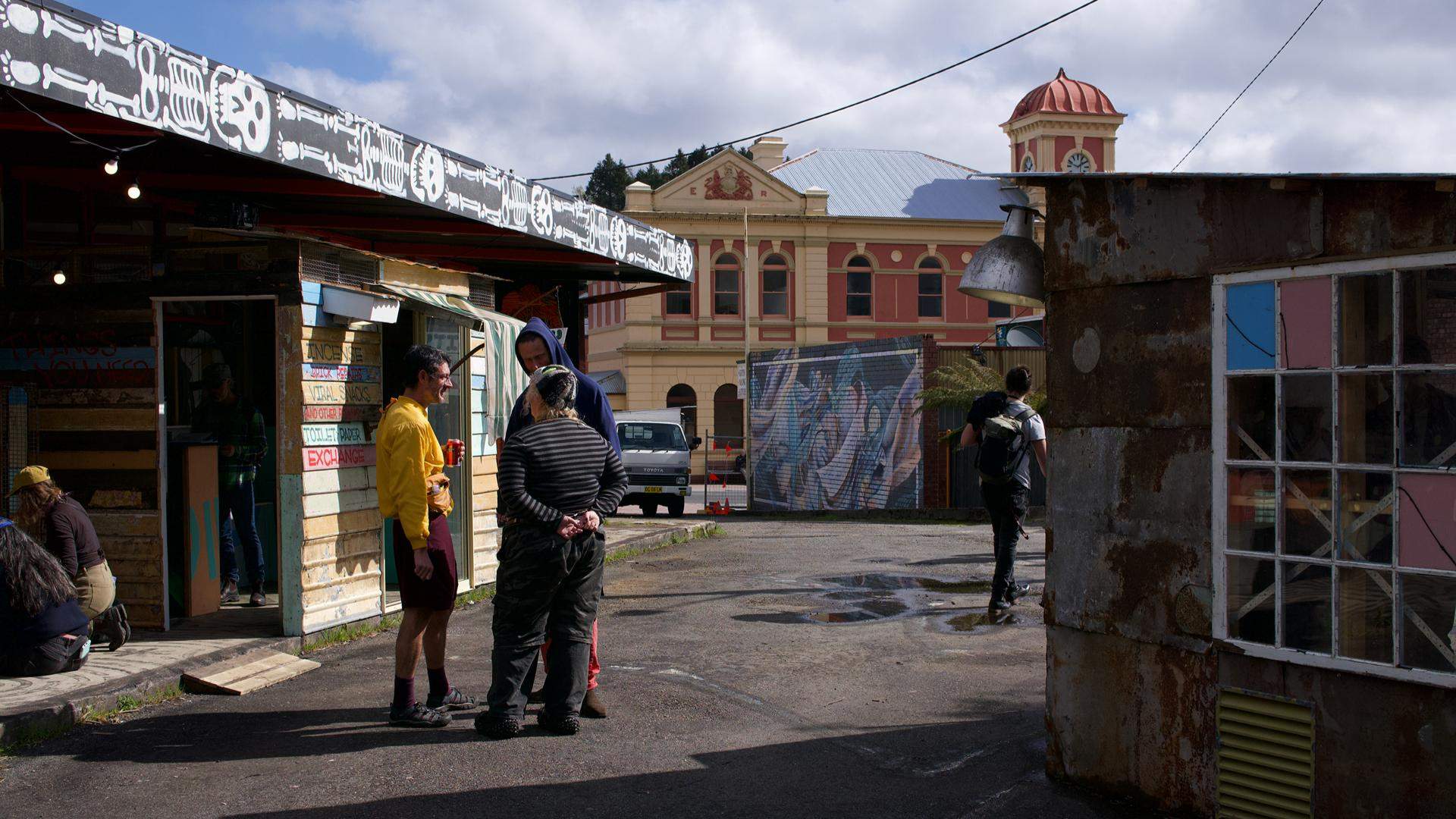
Between Mount Lyell and Mount Owen, Queenstown is a storied mining town and main hub in the west. Renowned for its moon-like landscape — caused by unfettered mining activity and acid rain — this tight-knit village is increasingly home to Tasmania’s thriving arts community, drawn to its inspiring scenery and affordable housing.
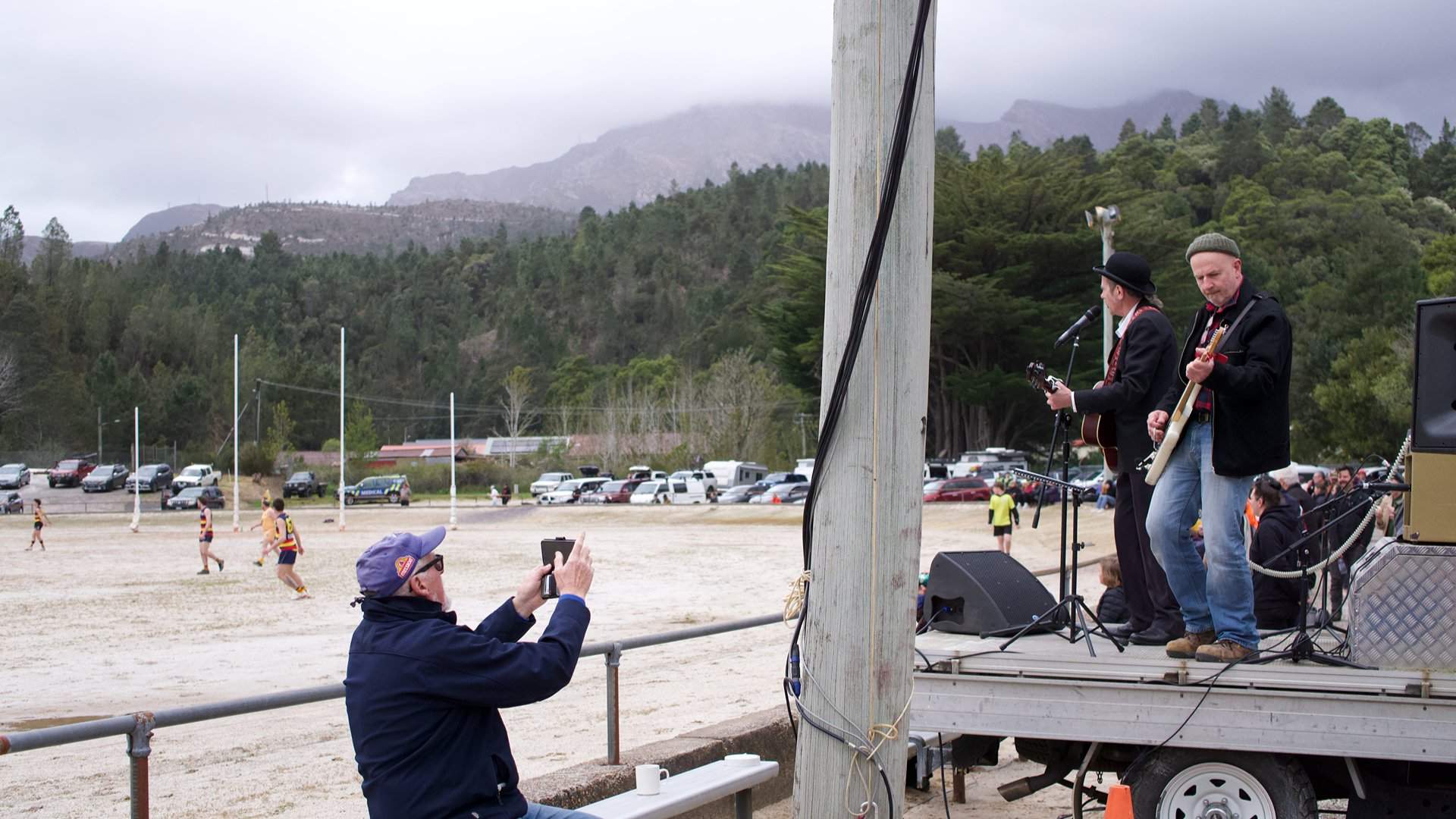
The Unconformity, a biannual arts and culture festival that just held its eighth edition, represents this evolution. Taking over Queenstown’s patinaed scout halls, shopfronts and ad-hoc spaces, site-specific works by local, national and international artists delight visitors from far and wide. Think mutating nation states, shamanistic dance, late-night parties in art deco theatres, and an artist versus athlete footy match played on a gravel oval.
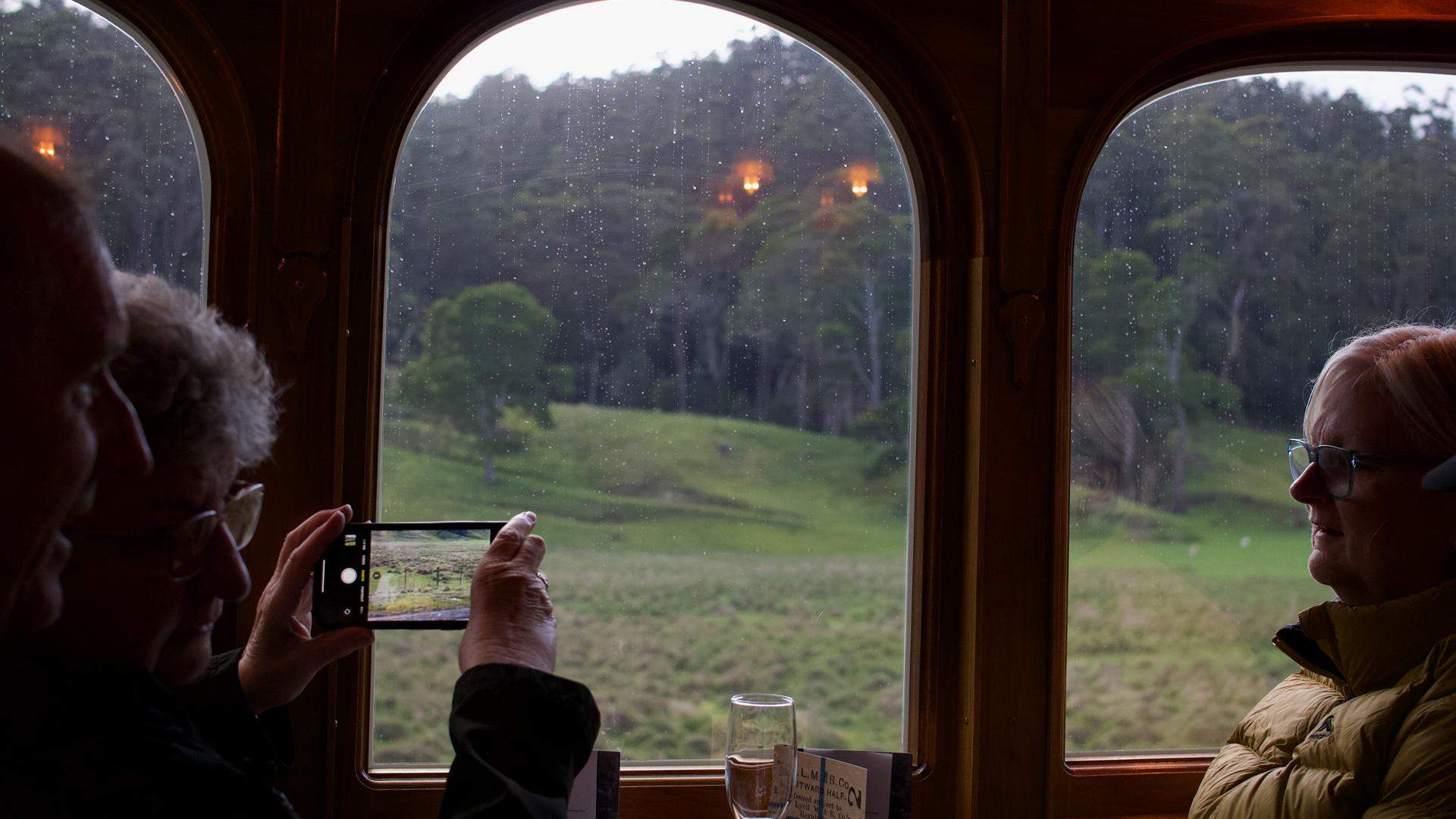
Back in Strahan, the West Coast Wilderness Railway conforms somewhat more to the region’s traditions. All aboard, the journey rambles through rainforest and over Australia’s oldest iron bridge, retracing how pioneers built this railway to transport copper ore. If you opt for the dining carriage, expect sparkling wine, local cheese and pumpkin scones — a holdover that speaks to the region’s motto: “We find a way, or we make a way.”
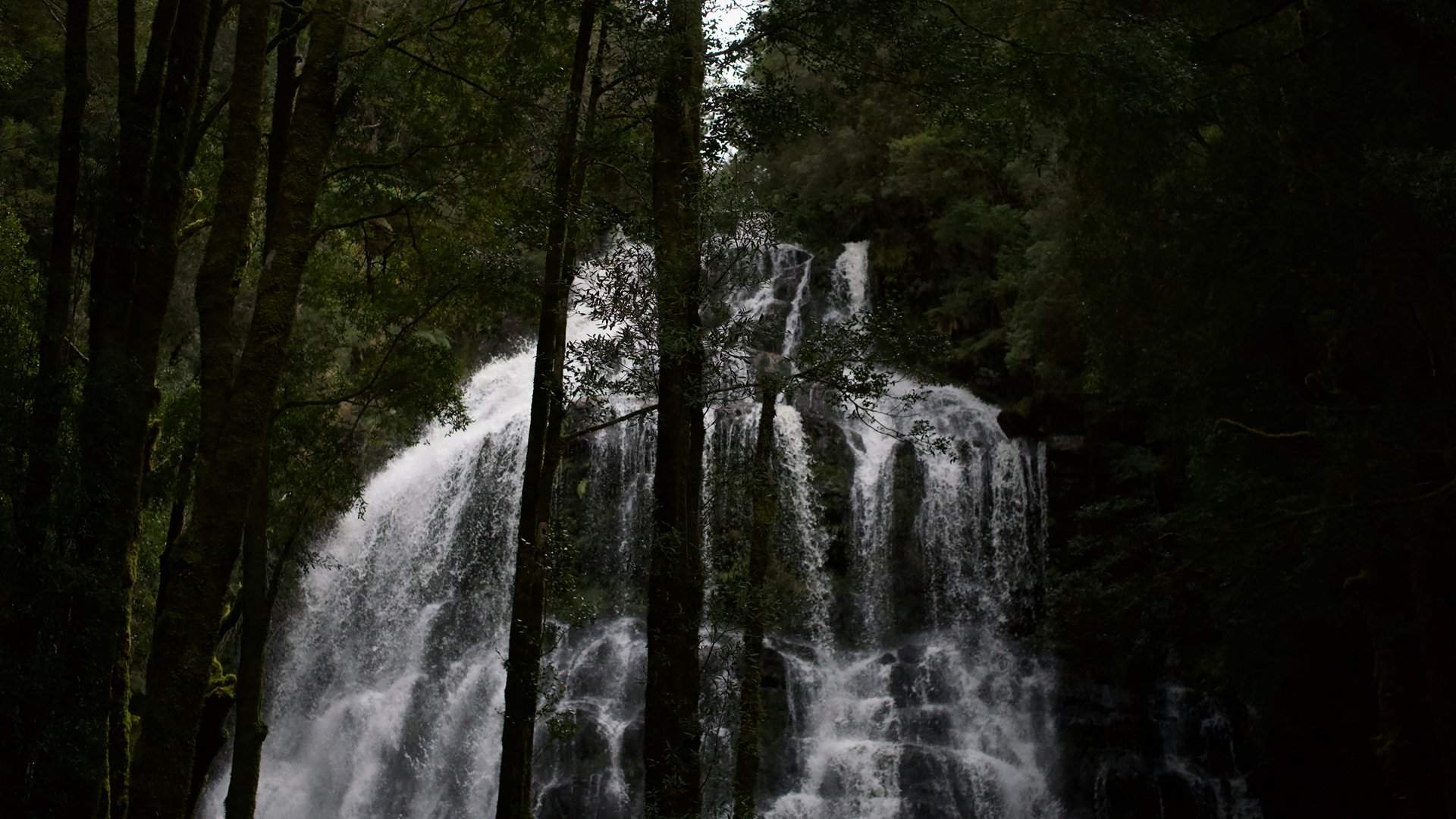
Encounters with nature’s extremes are ever-present. Hold onto your hats at Ocean Beach — a gale known as the Roaring Forties makes land here, whipped up over 20,000 kilometres of open sea from South America. Nelson Falls and Hogarth Falls are calmer options, offering short yet serene hikes that culminate in flowing cascades. Though it might seem like the end of the world out here, a civilisation that charts its own course is never far away.
Concrete Playground stayed as a guest of Tourism Tasmania.
Images: Hudson Brown.
Want to explore other Tasmanian regions? Check out these guides to make the most of a Hobart adventure or cruise the foodie south.