Overview
Eating out has always been central to Melbourne life, but the way people are doing it is starting to look a little different. Despite cost-of-living pressures, diners are still heading out — they're just being more selective, more value-focused, and a lot savvier about when and where they go.
According to industry operators and booking data, here's how the city's dining habits are evolving.

Smarter Deals, Not Just Discounts
Commune Group — behind venues including Studio Amaro, Moonhouse, New Quarter, Tokyo Tina and Firebird — has seen this shift first-hand. Over more than a decade, the group has weathered everything from the pandemic to seasonal downturns. But in the past year, it's doubled down on clever ways to entice people into restaurants.
"There's a certain cohort in Melbourne at the moment that are looking for deals and specials throughout the week," says Managing Director Rob Gringlas. "I think that hasn't always existed — or maybe it has, but we weren't aware of it."
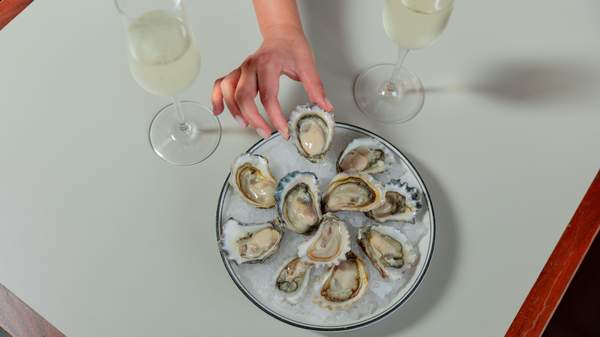
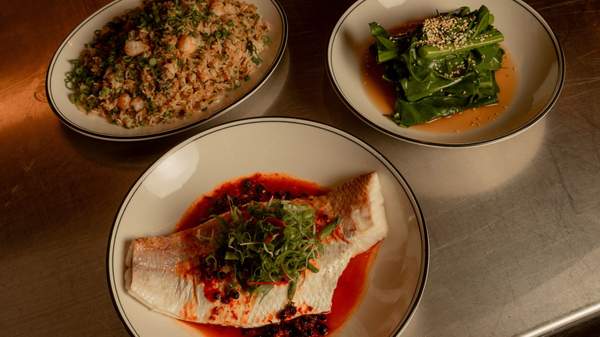
Instead of blanket discounts, the team has leaned into value-driven activations that still feel special. At New Quarter, the "High Tide" weekend special features an impressive selection of raw seafood, banana-leaf steamed snapper, salads, condiments and rice or vermicelli — a spread you won't find on the standard menu. Unlimited drinks are also included but Gringlas says that's a value-add, not the full story.
"Instead of just saying, 'here's a set menu and we are offering bottomless booze', we're trying to create bespoke menus that are things you can't otherwise get," Gringlas says.
This is just one of several specials being offered across the group, from Moonhouse's Fish Night (a $30 midweek deal built around the market catch of the day) to Firebird's Chicken Night (a $25 Wednesday exclusive of woodfired chook and two sides). Gringlas says they're not meant to last forever — they'll typically run three to six months — and while they've managed to draw in younger crowds chasing specials, they also give loyal regulars a reason to come back.
Value Plays From High-End Operators
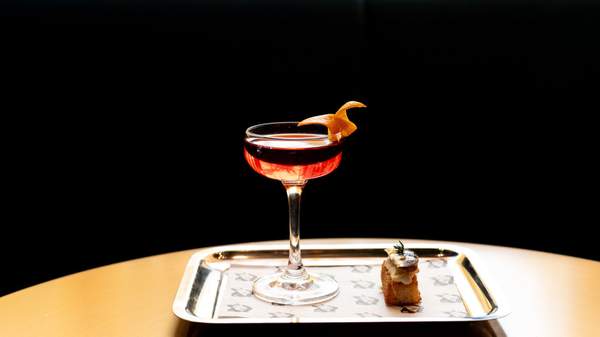
While the seasonal set menu at Gimlet will set you back $160 a head before drinks, its sibling bar Apollo Inn offers the same considered service and ambience that Trader House is known for at a more approachable price point. Its current collaboration with Grey Goose — a flight of three mini martinis for $45 — removes the barrier to entry, giving cost-conscious consumers a chance to experience the brand without blowing their budget or committing to a multi-course meal.
This shift is something operators across the city are leaning into. Grant Smillie, owner of Marmont, says he's "never seen more operators putting forward offers and value-driven initiatives — often venues that historically never touched discounting."
He suggests that at the moment, diners are being more strategic than ever about when and where to visit in order to maximise the value of their experience. So it pays for operators to lean in — something that Smillie is unafraid to do.
At Marmont, a $35 wagyu-and-fries combo every Wednesday has become a mid-week staple, letting diners enjoy the full venue experience at a fraction of the price. They're also serving mini martinis for $14 a pop and snacks from $15 — offerings that Smillie says appeal to those seeking small luxuries in the face of cost-of-living pressures, the so-called "lipstick effect."
Across Melbourne more broadly, the same pattern is playing out. Diners are swapping big-ticket dinners for smaller indulgences — from sweets to inventive drinks. Non-alcoholic beverages are a big part of this shift too, with people happily spending $10 on a specialty tea or coffee as an everyday luxury, even if they're holding back on bigger-ticket purchases.
Hotel Restaurants on the Rise
Another cost-of-living twist? The resurgence of hotel restaurants. According to OpenTable, Australians are increasingly treating hotel dining as an attraction in itself — a sense of escape and indulgence without leaving town. 40 percent of diners surveyed say hotel restaurants beat independents on atmosphere, underscoring the growing pull of hotel dining.
Casual dining still rules (74 percent prefer it when eating at hotels), but rooftops and buffets are hot contenders — and often a destination in their own right.
In Melbourne, that's driving fresh interest in spots like North & Common at Adina Coburg, Lona Misa at the Ovolo South Yarra, Salted Egg at the Quincy Hotel and Fleet Rooftop Bar at the Vibe Hotel Melbourne, set on the 22nd floor with sweeping views and a fitout that feels more like a destination bar than a hotel restaurant. Luci at Hilton Melbourne is also leaning into value-adds, having resurrected its BYO offer with no corkage — a rare five-star incentive for those chasing luxe nights out for less.
Cheap-and-cheerful dining still has its place, but the trends suggest Melbourne diners want something special — they just can't invest as much as they used to. They're doing it smarter, stretching their dollars further, and chasing small luxuries that feel worth the spend.
Looking for some cheap eats in Melbourne? Here are our fave meals under $20.
Images: Supplied