The Best Beaches in Victoria According to Lonely Planet
From the southernmost tip of the country to a graveyard of doomed voyages, these are Victoria's best beaches, as chosen by Lonely Planet.
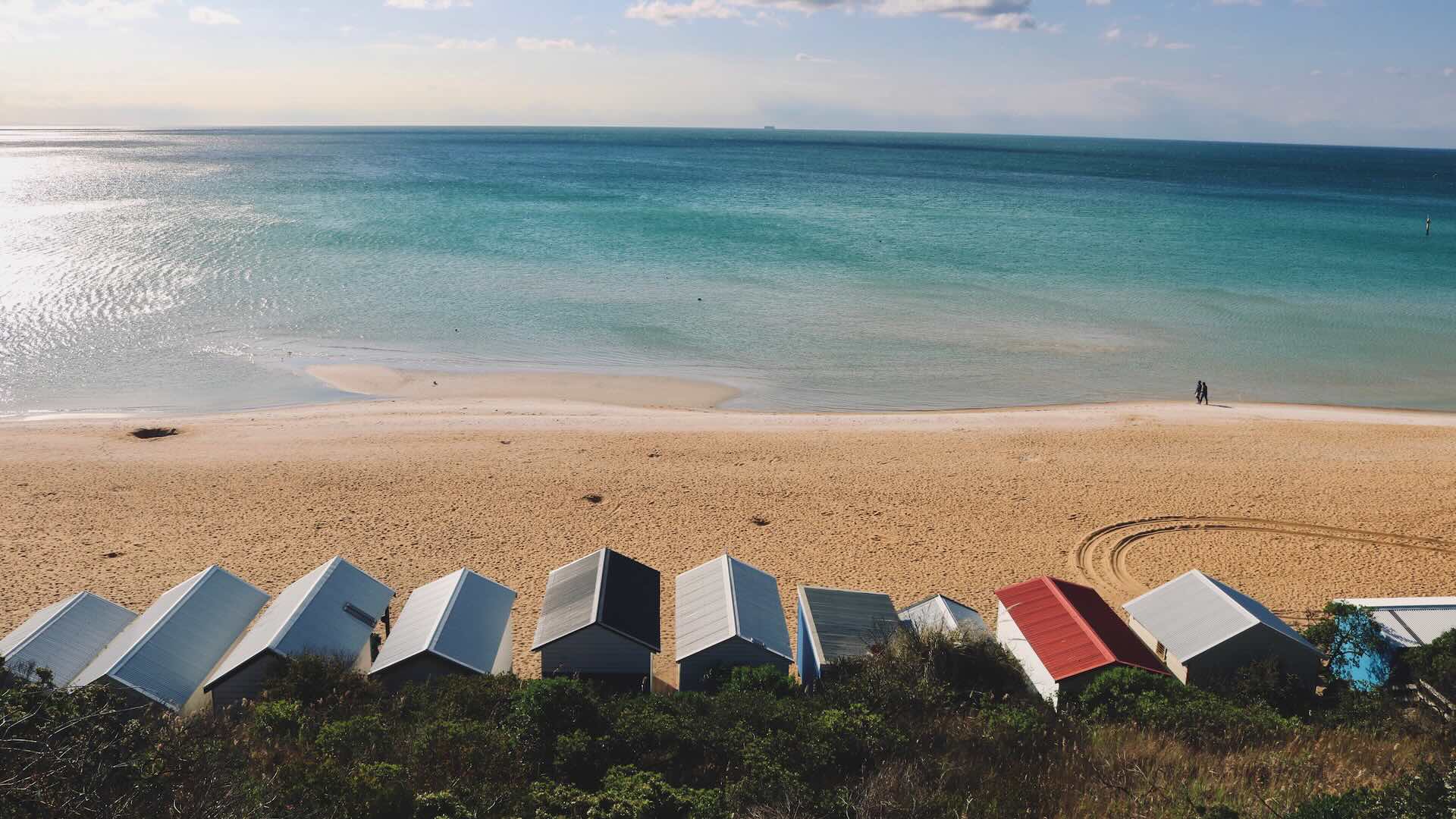
Victoria sits in a special place, just as scenic as the rest of Australia, but situated where climates collide in spectacular fashion, especially by the sea. From the calm waters of Port Phillip to the wilder surf breaks of the Bass Strait, Victoria is home to just shy of 700 beaches, and among them are some of the most spectacular shorelines in the country.
If we had to choose our favourites, we've already picked Melbourne's best beaches, and the best beach camping in Victoria, but we've turned to the travel experts at Lonely Planet for the showstopper shorelines that top Victoria's beaches. For the rest of Australia, you can read their Best Beaches Australia guide, available online and in your nearest bookseller.

iStock
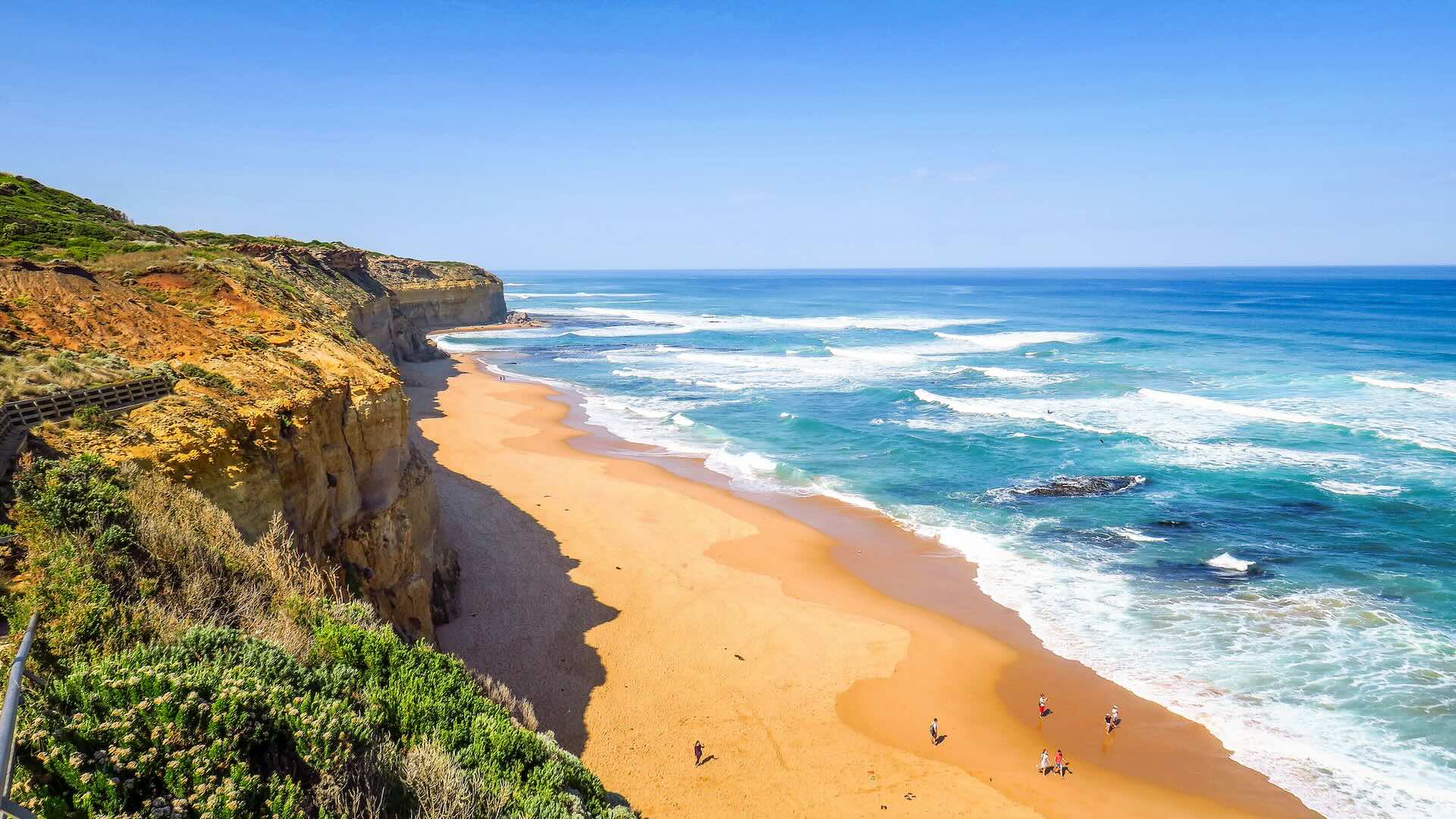
Bells Beach, Surf Coast
One of Australia's most legendary surfing beaches, Bells was enshrined in pop culture when Patrick Swayze's adrenaline‐junkie character, Bodhi, waits his whole life to surf its fabled '50‐year swell' in the 1991 action film Point Break. But before its movie stardom, Bells Beach came from humble beginnings. Originally inaccessible, motorbikes and bulldozers eventually cleared a path to the beach in the 1950s, and in 1962 it hosted its first ever surfing contest when a gaggle of local surfers gathered at the frigid water's edge. Fast forward over 60 years and Bells enjoys a global reputation as one of Australia's – and the world's – best surfing beaches.
The humble community‐run Easter Rally has morphed into the Rip Curl Pro, the longest‐running event in competitive surfing and an iconic stop on the World Surf League Championship Tour. Crowds flock to the dramatic red‐clay cliffs framing this natural amphitheatre every year over the April Easter weekend, watching as surfers carve, duck‐dive and glide along enormous 6m (20ft) waves. The thigh‐burning surf forms when Southern Ocean waves wrap around the point and hit an exposed reef, creating a surging wall of water with a right‐hand break perfect for carving with a surfboard.
Getting there: Located on Victoria's Great Ocean Road, Bells Beach is 5km (3 miles) from the closest town of Jan Juc, or a 90‐minute drive southwest of Melbourne. You can also get here by bus. Stairs lead down from the car park to the small beach.
Shutterstock
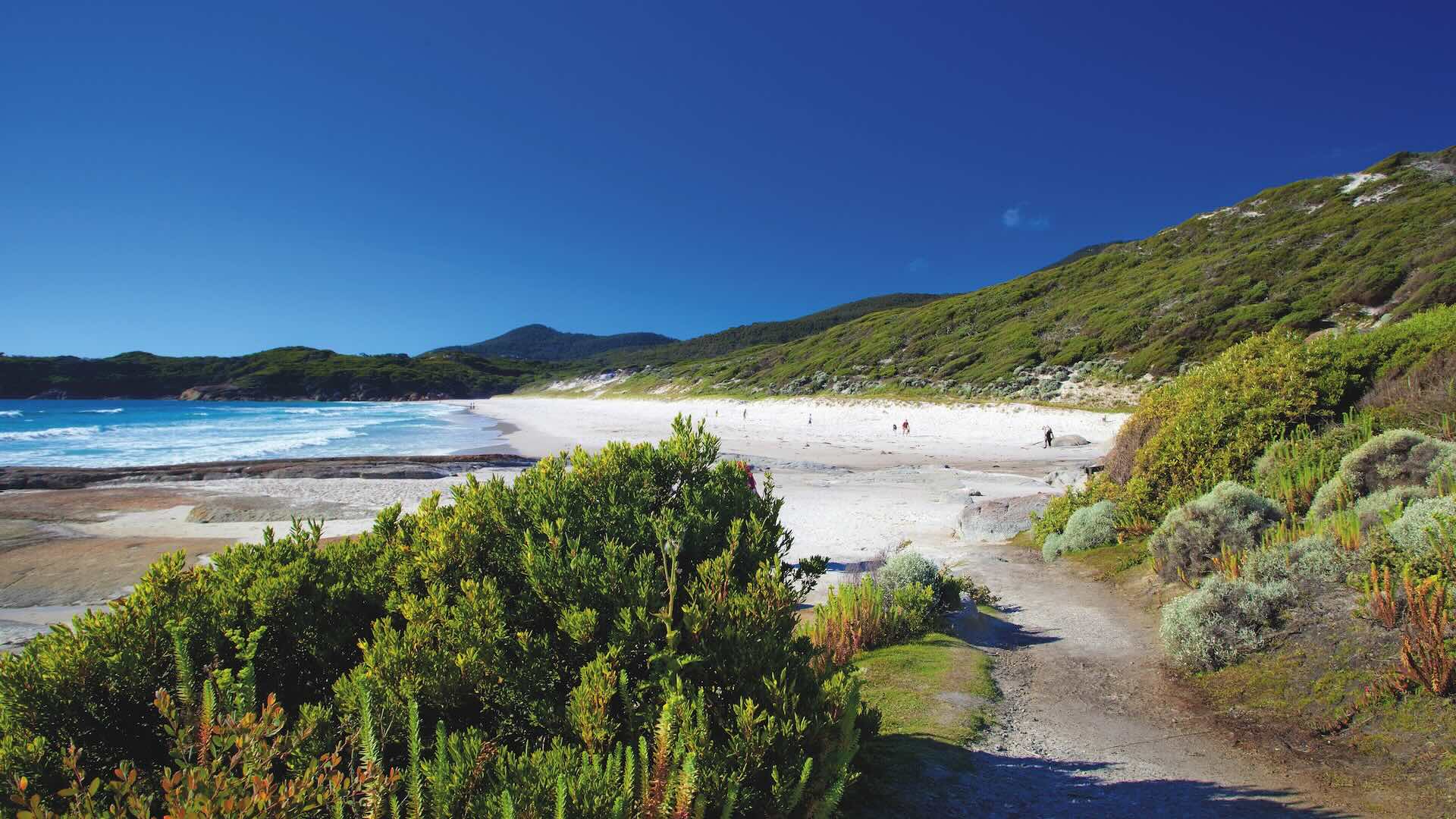
Squeaky Beach, Wilsons Promontory National Park
Enclosed by impressive granite boulders at either end, Squeaky Beach is a standout in Wilsons Promontory National Park, a rugged slice of wilderness at the southernmost tip of mainland Australia, bordered by Victoria's largest marine national park. The fine, rounded grains of quartz sand on this snow‐white beach compress underfoot, creating a high‐pitched squeak – hence the name. Wander between the huge boulders at the northern end of the beach and splash in hidden rock pools, or dive into the bay's crystalline waters; at their most inviting during the warmer months (particularly November to March).
Connecting Squeaky Beach with Picnic Bay and Whisky Bay to the north, the 6.2km (3.9‐mile) Three Bays Walk is another way to immerse in this spectacular stretch of coastline. Allow two hours each way. There's camping just around the headland at Tidal River; perfectly placed to savour a Squeaky Beach sunset. Native wildlife–watching opportunities also increase during the golden hour – look for wombats, kangaroos, emus and other critters.
Getting there: Squeaky Beach is 222km (138 miles) or about a three‐hour drive from Melbourne/Narrm. Park behind the beach or walk here from Picnic Bay or Tidal River. Alternatively, catch a Yarram‐bound bus to Fish Creek, and take a taxi from there.
Shutterstock
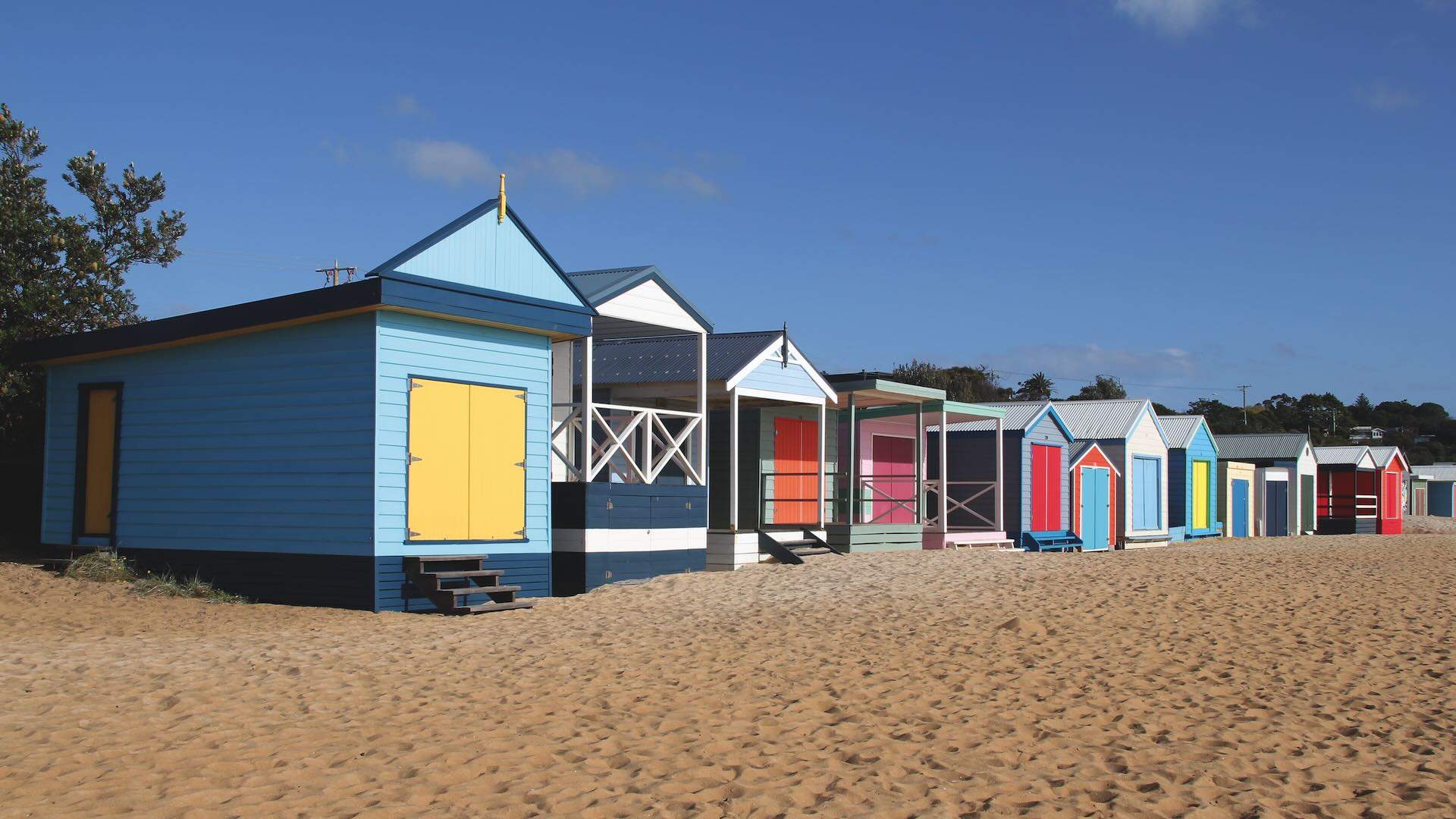
Mount Martha Beach, Mornington Peninsula
If you're flying into Melbourne/Narrm, you'll likely see Mount Martha Beach before you leave the airport, thanks to its brightly painted beach huts splashed across billboards welcoming you to Victoria. Nearly 100 weatherboard huts were first built in the mid‐19th century and, despite not having running water or electricity and some falling into disrepair, they're much‐loved local landmarks; privately owned and usually locked. Lapped by the calm waters of Port Phillip Bay, the beach itself runs for 2km (1.2 miles), split down the middle by a shallow creek.
At the northern end lies Mount Martha Life Saving Club, which patrols the beach from November to May, and a yacht club teaching kids and adults how to handle a jib. Wheelchair‐friendly beach matting extends from the Life Saving Club down to the waterline, and the club has an accessible changeroom with showers. Just across the road is a handy village of fish‐and‐chip shops, supermarkets and delis; perfect for picking up supplies for a sunset picnic by the water.
Getting there: Located on the traditional lands of the Bunurong people, Mount Martha Beach is an easy one‐hour drive from Melbourne along the coast. Arrive early to score a coveted parking spot.
Shutterstock
Wreck Beach, Great Otway National Park
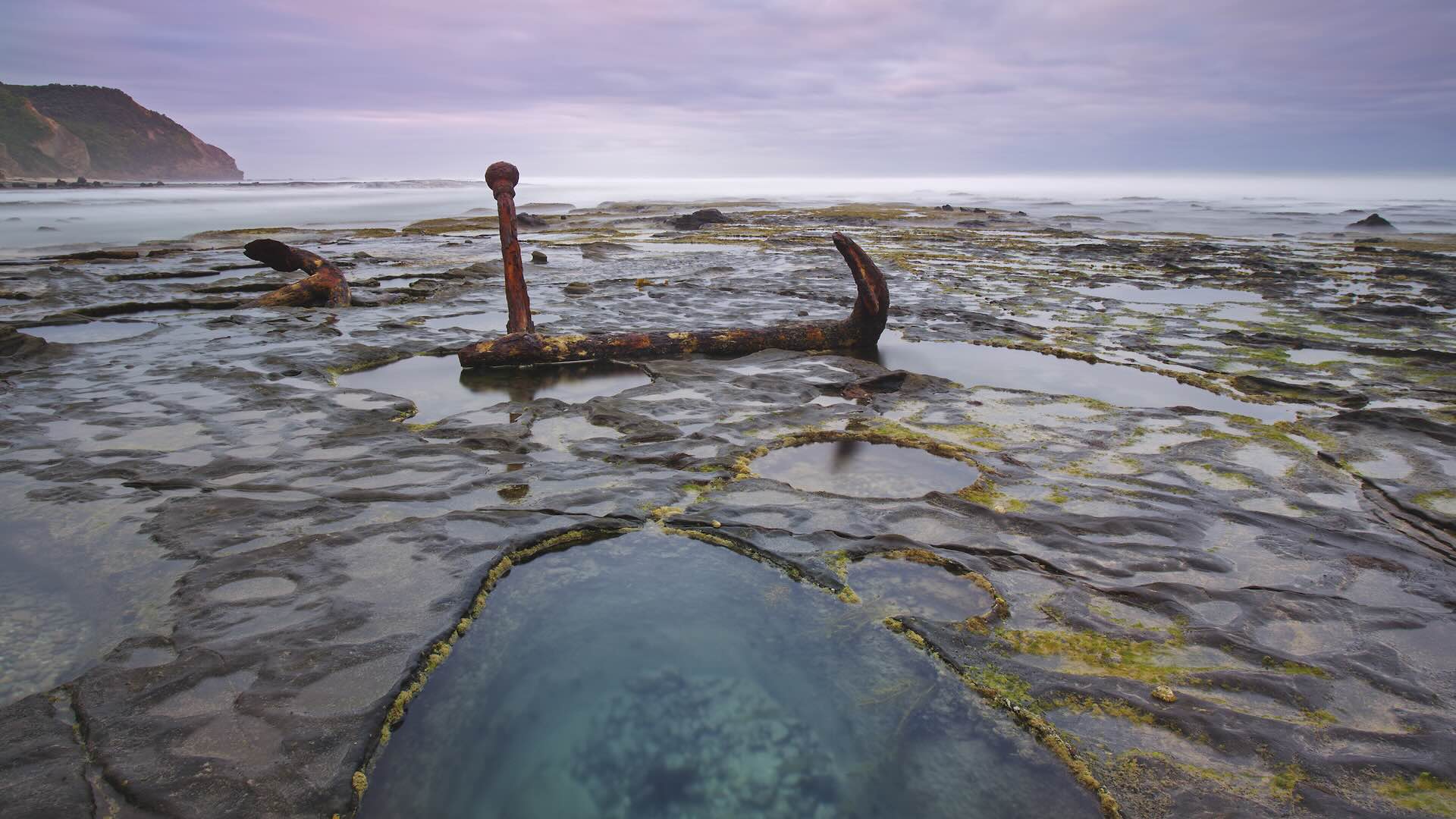
Descending the 366 steps from the cliffs down to Wreck Beach is a gamble. At high tide you'll find just a short belt of sand and heaving surf, with nowhere to go but back the way you came. But time your visit for low tide and you'll discover an abundance of history in the rock pools. In the mid‐19th century, decades before concrete was first poured on Victoria's Great Ocean Road, this infamous stretch of shallows and hidden reefs was feared among sailors, who dubbed it the Shipwreck Coast.
An estimated 660 ships met their fate along the coast, many of them drawn to Melbourne/Naarm during Victoria's gold rush from 1851 to 1896, in hopes of cashing in on the city's immense wealth. Today, stories of ruin and survival are scattered like flotsam from Anglesea to Port Fairy, including the remains of two shipwrecks at Wreck Beach. The steep staircase leads you down to 2km (1.2 miles) of beach backed by a natural amphitheatre of wind‐buffered golden cliffs. There are no facilities, and the rough surf makes the water unsuitable for swimming, but wander about 400m (1312ft) from the bottom of the stairs and you'll find a pair of anchors with fascinating stories.
Jutting out of a figure eight–shaped rock pool are the rusted remnants of Marie Gabrielle's anchor, with other parts scattered in the pools surrounding it. While carrying tea from China to Melbourne in 1869, Marie Gabrielle was blown off course by a heavy gale and crashed into Moonlight Head. Everyone onboard survived but the tea could not be saved. The Fiji wasn't as lucky. After leaving Hamburg, the ship was tragically close to the end of its journey when bad weather and faulty navigational equipment caused it to crash into Moonlight Head in 1891. Locals sent lifesaving gear from Port Campbell, which included a vital length of rope that went missing when they arrived at the wreck. The Fiji's rusted anchor is all that remains on the beach, but climb the steps at the northern end to see a white tombstone dedicated to the lost crew, including a poignant mention of the cook, 'name unknown', who perished with them.
Getting there: Wreck Beach is a three‐hour drive from Melbourne/Narrm along the Great Ocean Road. From the car park, a short bush trail leads to a staircase to the beach.
Getty
Ninety Mile Beach, East Gippsland
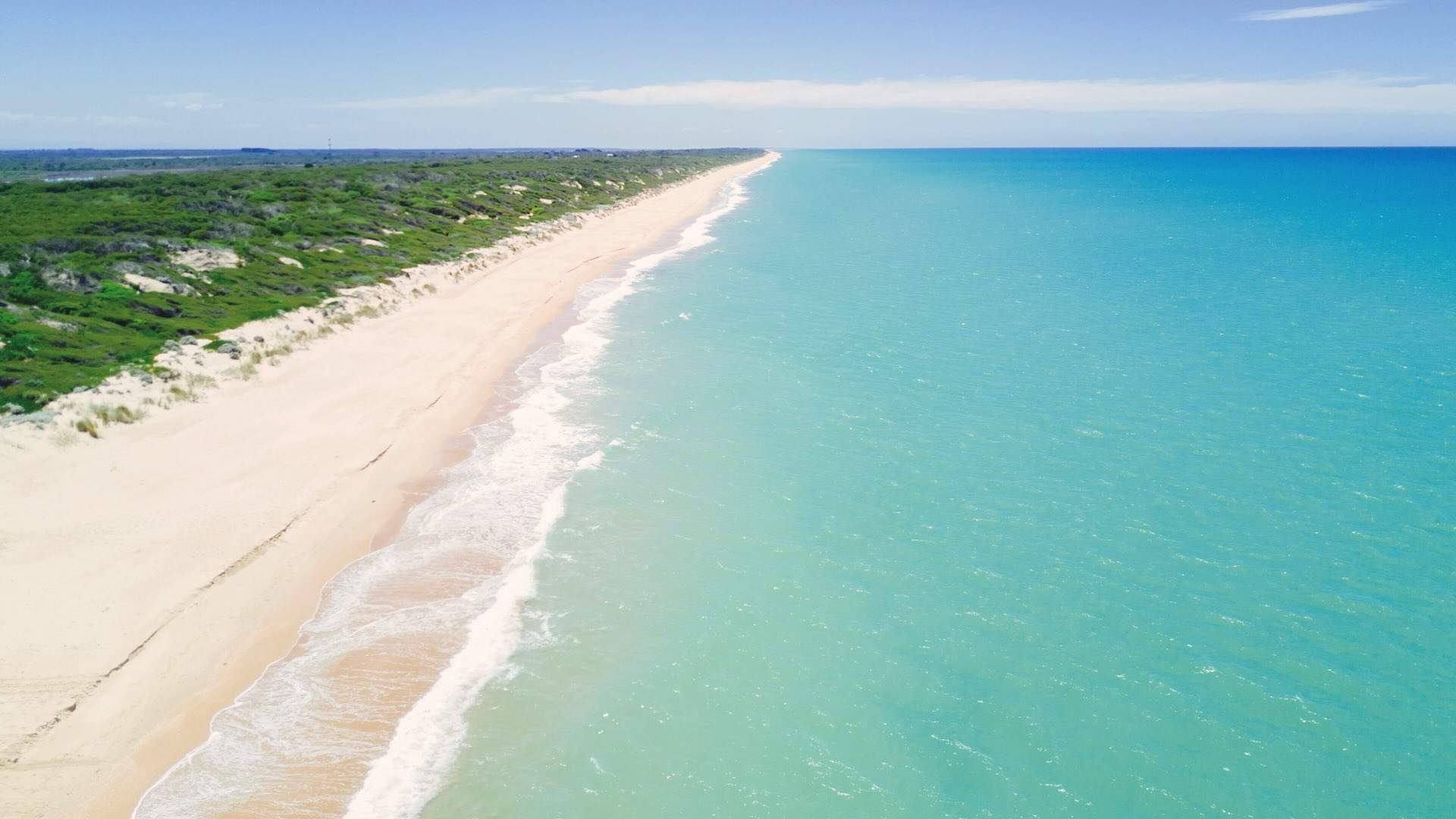
From the top of Ninety Mile Beach's dunes, you can look both ways and see nothing but unending sand. Free from rocky outcrops to obstruct the view, Australia's longest single beach is an unbroken stretch of dunes, shallow inlets and lagoons that separates Gippsland Lakes from Bass Strait. Festooned along its length are the sleepy coastal towns of Woodside Beach, Seaspray, Golden Beach and – the largest and most popular – Lakes Entrance. In summer the area is popular for fishing in the surf, beachside camping and long walks, while in winter you can try your hand at spotting humpback and southern right whales migrating up the coast.
To really connect with nature, pitch a tent or drive your caravan to one of 20 free camping spots behind the sand dunes. Most sites have toilets and paid showers, and most importantly, unrivalled
access to the water. Beaches are patrolled during summer at Woodside, Seaspray and Lakes Entrance, with beach wheelchairs and accessible toilets available at Lakes Entrance Main Beach and Seaspray Surf Life Saving Club.
Getting there: Ninety Mile Beach is a three‐hour drive east of Melbourne/Narrm, cutting a trail inland through the regional towns of Warragul, Morwell and Traralgon before arriving at Lakes Entrance.
These excerpts were supplied by 'Lonely Planet' from their 'Best Beaches Australia' guide — available online and at bookstores near you now.
Images: supplied


