From Greece to China: The Rise of Lesser-Known Wine Regions — And Their Native Varietals
Australian food culture has diversified over the last decade, while wine lists have lagged behind — now, that's starting to change.
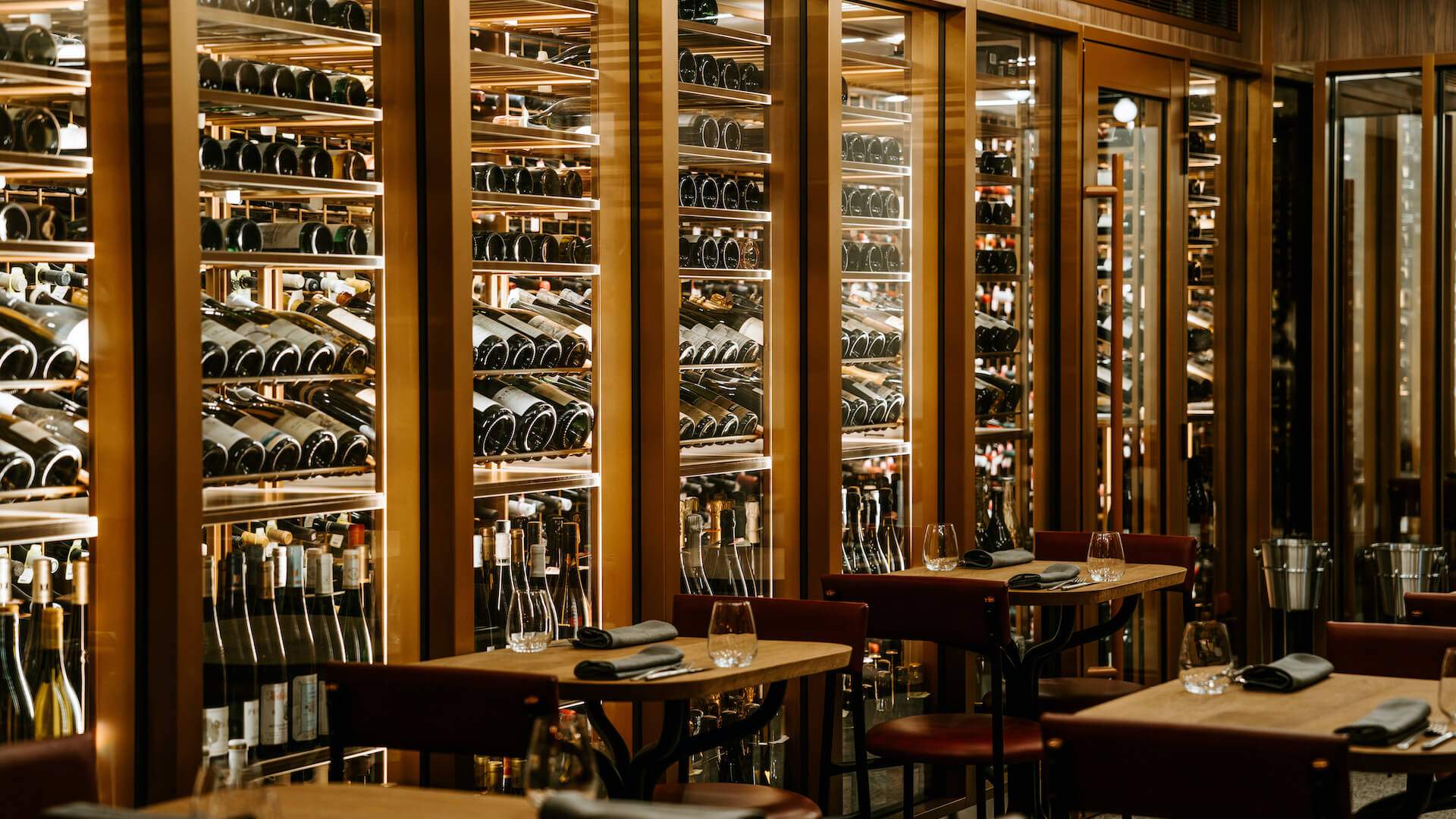
In the last decade or two, Australian food culture has become increasingly diverse. Our menus reflect our multicultural identity, global consciousness, travels and diaspora communities. Wine has been slower to adapt. France, Italy and Australia still dominate many wine lists and bottle-shop shelves, but more venues and retailers are introducing lesser-known wine regions into the conversation.
Once novel, wines from Greece, Lebanon, Türkiye and China are beginning to hold their own on lists that are slowly decentring the traditional European heavyweights. "People are really interested [in having] this conversation," says Andrew Wyse, sommelier and co-owner of Cardwell Cellars, an Abbotsford bar and bottle shop with an emphasis on underrepresented wine regions.
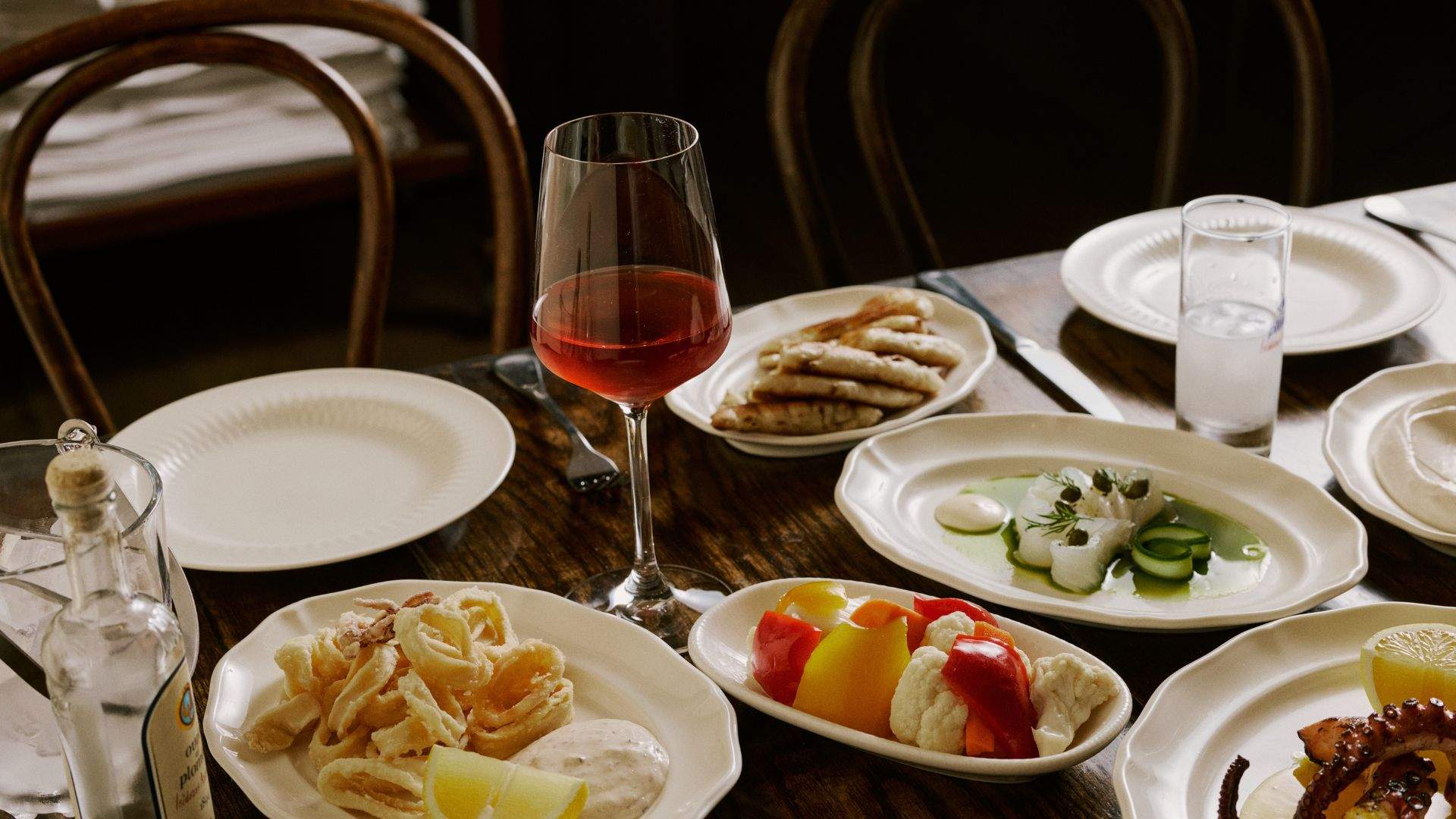
"It's not just a novelty. People that come in and don't know what we do get super excited by having a conversation about something they haven't tried before, discovering something new, realising that there's wine produced in a place that they didn't realise produced wine."
Greece, he says, is one of those places. While it has a long history of wine production, its modern industry is experiencing something of a renaissance, with producers increasingly championing the country's indigenous grape varieties.
Melbourne venues including Kafenion, Aegli — and its forthcoming sibling Helios — and Salona are helping push the narrative. Aegli chef and owner Ioannis Kasidokostas says customers are still getting their heads around Greek wines, so he'll often offer a glass on the house to familiarise them.
View this post on Instagram
Rosé is one place to start, with Greek examples often offering more colour, fruit and weight than the pale, delicate style commonly associated with Provence. Then there's assyrtiko, Greece's great indigenous white grape, commonly grown in the volcanic soils of Santorini. High in acidity with citrus, mineral and saline notes, it's a good option if you like the freshness and minerality of Chablis.
Across the Mediterranean, Lebanon and Türkiye are also producing wines that are beginning to find an audience here. Melbourne restaurants including Rumi and its sibling The Rocket Society are dedicated to Lebanese wines, while Tulum, sibling Kismet and Fitzroy pop-up Lokanta are putting Turkish bottles on the table.
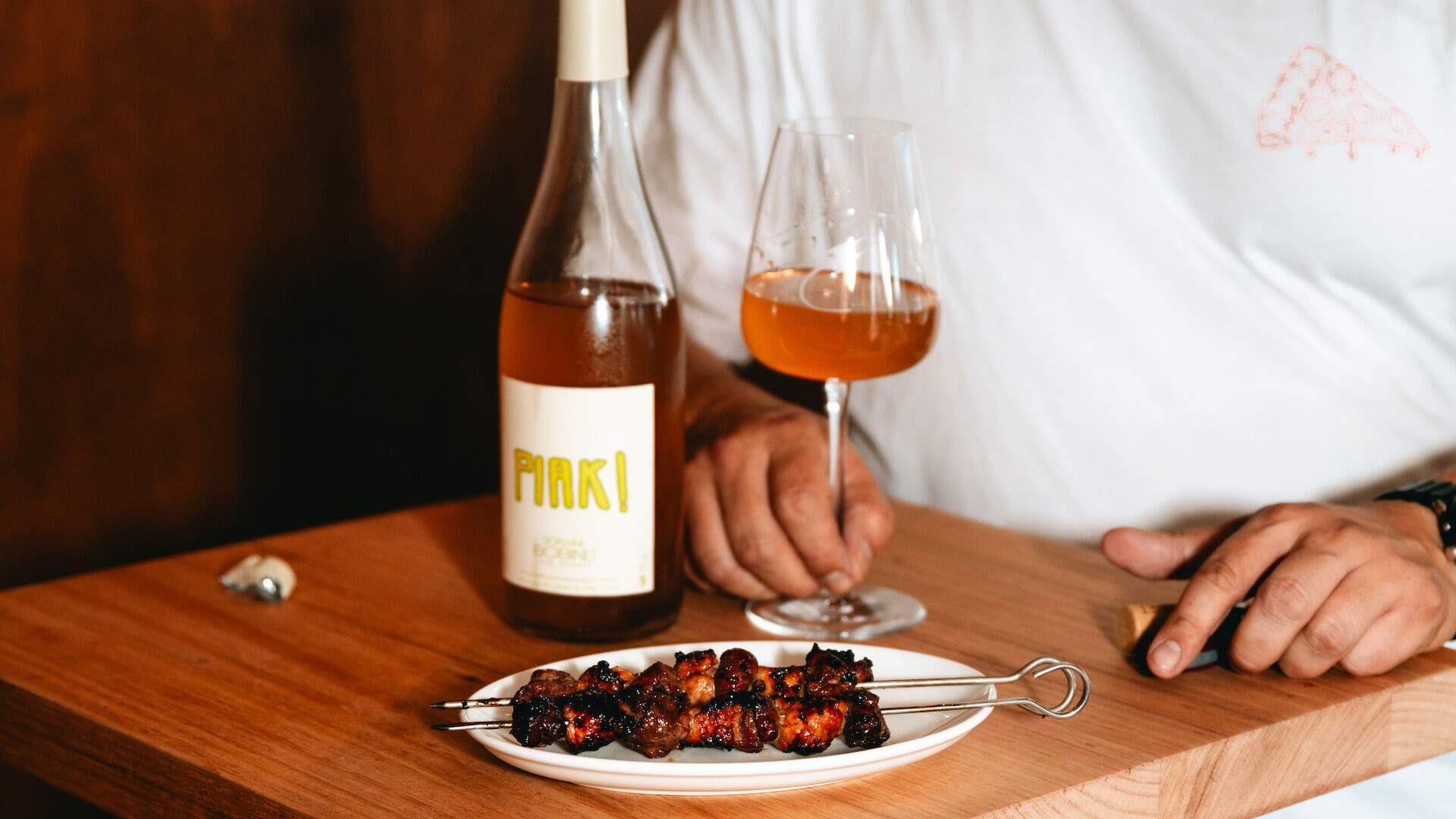
Lebanon's vineyards benefit from high-altitude growing regions and a range of distinctive terroirs. Its reds often draw on international varieties including cabernet sauvignon and cinsault, while indigenous grapes are attracting renewed interest.
Merwah is one to look out for. An indigenous white grape traditionally grown in Lebanon's mountains, it's increasingly being made in contemporary styles including sparkling and skin-contact wines. At The Rocket Society, an amber expression by Mersel offers an especially good example of how these wines can work with food, its acidity cutting through barbecue-driven dishes.
Turkish wine has an even longer history, with a huge number of indigenous grape varieties alongside international ones. The current wave of producers is finding new ways to work with both. Pasaeli, stocked at Lokanta, is one example, producing pét-nat from heritage Turkish grapes including çalkarası.
View this post on Instagram
China is another emerging player in Australia. Though wine has been made in China for thousands of years, the modern industry is relatively young, and its wines remain largely unfamiliar to Australian drinkers.
Ningxia, in the north, and Yunnan, in the southwest, have both developed reputations for producing wines from international varieties, including Bordeaux grapes and chardonnay. At Melbourne venues including DOM, Moondrop and Ho Jiak, Xiao Pu's Tangerine has become a popular introduction to Ningxia wine. Made by winemaker Pu Renfu, the skin-contact chardonnay is a good entry point for drinkers interested in new-wave wines.

Arianna Leggiero
Circl, whose list encompasses more than 1,500 bottles and 150 wines by the glass, also highlights a range of regions outside the usual canon, with 50ml pours available if you'd like to sample a wide range. And if you'd rather take a bottle home, Cardwell Cellars offers wines from Japan, Croatia, Portugal, Hungary and other less common regions.
Wyse says he's already started to see wines from countries like Austria move from a special feature to a standard on restaurant menus. "It's kind of broken through already in our market," he says. "Now it's just becoming a normal part of everyone's wine list." It may only be a matter of time before the others follow.
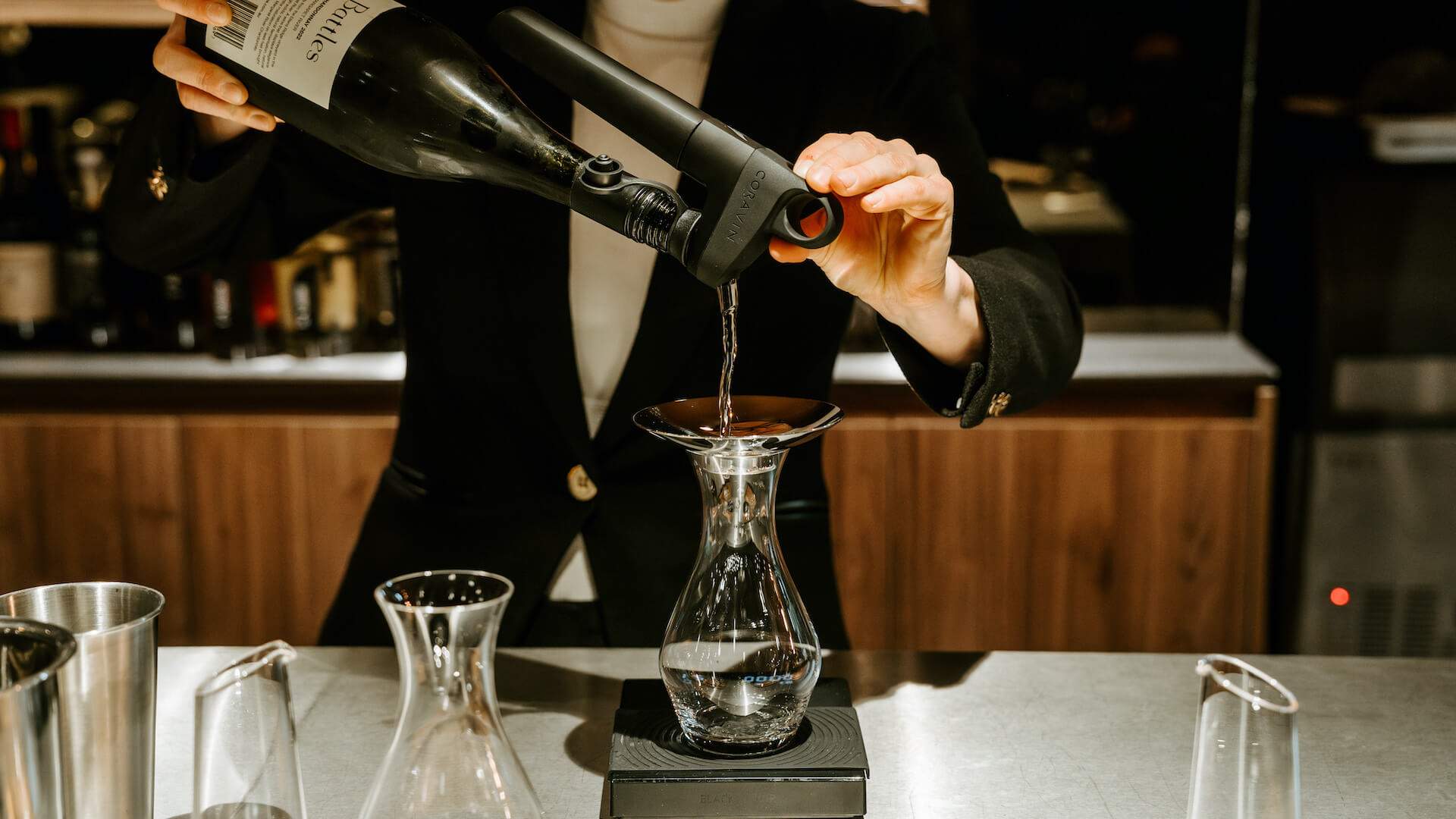
For more top-notch drinking, check out our guide to The Best Wine Bars in Melbourne for 2026.
Like what you see? Subscribe to the Concrete Playground newsletter to get stories just like these straight to your inbox.