CP Picks: We Tried the New Fujifilm X-T30 III to See If It Could Replace Our Digi Cams and Film Cameras
We swapped our phones for Fujifilm's new X-T30 III — the sleek, compact camera that captures the chaos and colour of 90s film and 00s digi cams, with all the ease of 2025 tech.




If you're chronically online and/or partial to an Instagram photodump, you'll have noticed the quiet, yet decided, return of the vintage camera. Gen Z and millennials have been trawling Depop and eBay for point-and-shoots that bring back the joy (and chaos) of unfiltered photography, and those with more patience have rediscovered the magic of film. With the 24/7 convenience and technological sophistication of our pocket smartphones, this pull towards cumbersome (and often expensive) retro photography makes one thing clear — we're not looking for perfection, we want nostalgia, texture and fun.
But as charming as those old cameras are, there's no avoiding the frustrations of outdated tech: short battery lives, low-resolution screens and the slow process of getting photos from an SD card to your library. Film, too, has its downsides — it's slower, pricier and less sustainable, and if you've ever experienced the heartbreak of a ruined roll, you'll know it's not always kind. Fujifilm's new X-T30 III promises the best of all worlds: the imperfection and spontaneity of early digital and film photography, paired with the reliability and ease of 2025 technology — and we got to test it out.

The new Fujifilm X-T30 III in Silver.
Over the last few weeks, we swapped our phones for the X-T30 III — taking it to gigs, park hangs with friends and out for dinner — to see what it's like to shoot on a real camera again.
The first thing we noticed was how different it feels to take photos without a phone. There's no rush to post, no automatic filters, no instant scroll. Just the act of noticing something, lifting the camera, and deciding what you want the photo to feel like. Learning simple things — such as how aperture affects depth and how exposure changes a mood — made us think more deliberately about what we were shooting. We started framing scenes with intention instead of snapping aimlessly.

Shot on the Fujifilm X-T30 III.
And maybe best of all, we were more present. Without a phone in hand, we weren't bouncing between apps or notifications — we were actually in the moment, noticing the light, the colours, the details.
Design-wise, the X-T30 III nails that balance between retro and modern. Compact but weighty, it feels like something from the early 00s — a brushed-metal body with tactile dials and a subtle vintage edge. It's intuitive enough for beginners but still gives you room to play. At just 378 grams, it's light enough to carry everywhere yet solid enough to feel serious.

Shot on the Fujifilm X-T30 III.
Fujifilm has long been known for its colour science, and the X-T30 III feels like a love letter to that legacy. The new Film Simulation Dial, borrowed from Fujifilm's premium X Series models, makes it easy to switch between iconic looks — from the soft, creamy tones of 'Nostalgic Neg' to the crisp clarity of 'Reala Ace'. There are 20 film simulations in total, each with its own texture and tone, plus three customisable slots so you can save your own 'recipes' for different styles. It's like carrying a film lab in your pocket — but one that never runs out of rolls.
With a 26.1-megapixel X-Trans CMOS 4 sensor and Fujifilm's latest X-Processor 5 engine, it's quick, sharp and reliable. Autofocus tracks everything from faces to fast-moving subjects, while the 6.2K video option and new 9:16 movie mode make it simple to capture both cinematic clips and vertical social content. It also features a built-in flash, tilting LCD screen and Wi-Fi connectivity for instant sharing or printing straight to Fujifilm's Instax Link printers.

Shot on the Fujifilm X-T30 III.
And while shooting on the X-T30 III felt like a welcome break from our phones, it's still built for the world we live in. Through the Fujifilm Camera Remote app, photos transfer wirelessly to your phone in seconds — ready to post, send or edit on the go. You can even use your phone as a remote control, perfect for self-portraits or group shots when you want to be both in front of and behind the lens at once.
We're no photography experts, and that's what made this camera such a pleasant surprise. It's genuinely beginner-friendly — from the one-touch Auto Mode lever that takes the guesswork out of exposure, to subject-detection autofocus that quietly does the heavy lifting. Once we started experimenting, we realised how much more intentional (and creative) our shooting became. Instead of solely focusing on the subject or landscape we were shooting, there was the ability to customise the feeling we were trying to capture — a little blur, deliberate overexposure, a hint of movement.
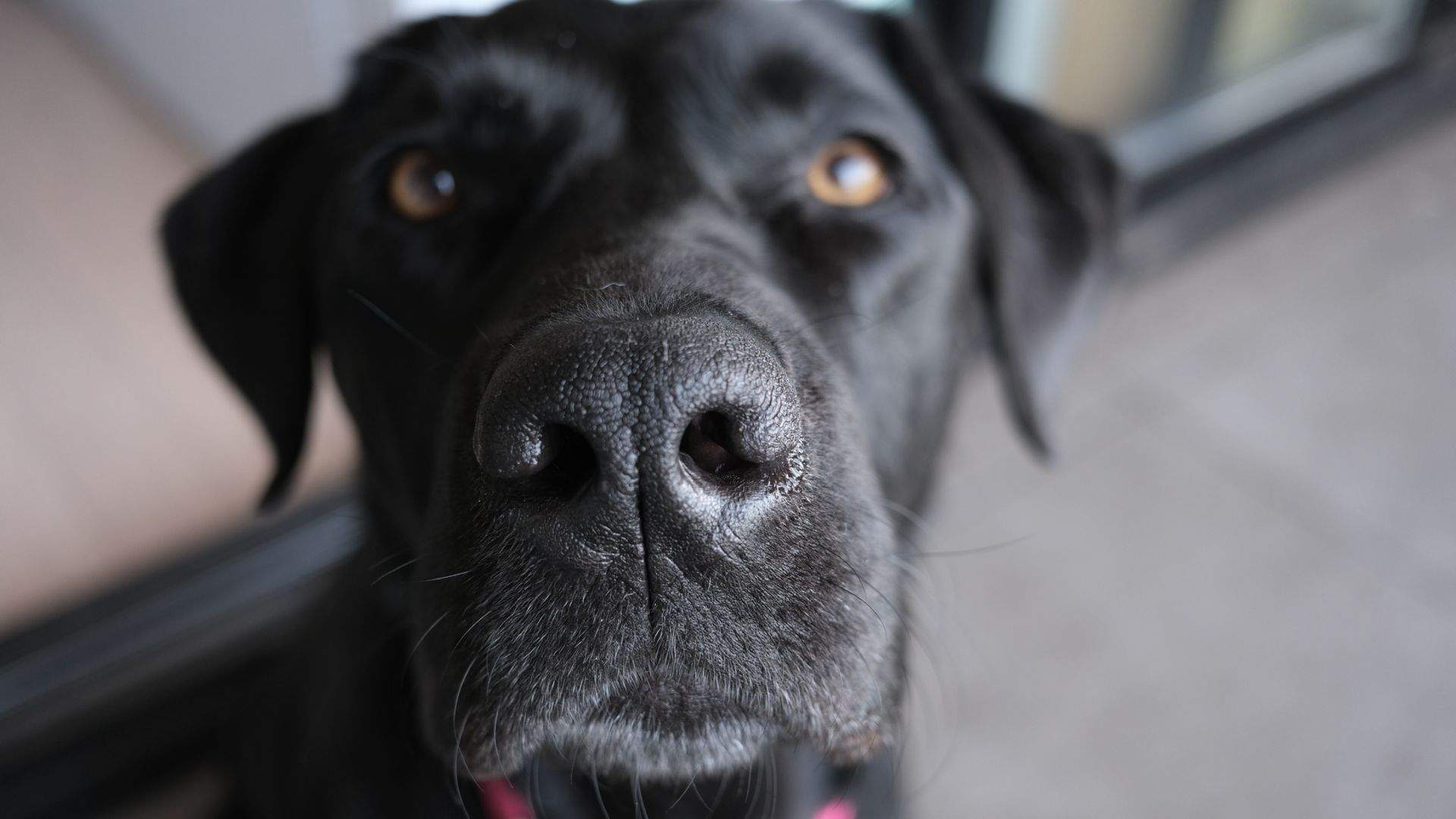
Shot on the Fujifilm X-T30 III.
And maybe that's the real appeal of the X-T30 III: it makes you fall back in love with taking photos. It's not about chasing perfection — it's about slowing down and seeing everyday moments differently. Not unlike the deliberately B-roll shots peppered through an IG dump, shooting on a camera with this much versatility allows you to tell a whole story.
We loved the Fujifilm X-T30 III for its ability to speak to the nostalgia of the film and digicam revival, but modern enough to keep up with today's tech and creative demands. It delivers film-style warmth and depth straight out of camera, while staying light, fast and intuitive enough for spontaneous shooting.

Shot on the Fujifilm X-T30 III.
For casual photographers or creative explorers, it's the perfect in-between: accessible without being basic, aesthetic without being gimmicky, and compact enough to live in your tote or handbag. In short, it might just replace your digi cam, your film camera — and (hopefully) your phone.
The brand new Fujifilm X-T30 III will be available from late November 2025. Find out more.
Images: Supplied | Eliza Campbell, shot on the Fujifilm X-T30 III.