How Emmy-Winning Composer Bear McCreary Found the Scores for 'Battlestar Galactica', 'The Lord of the Rings: The Rings of Power' and More
The self-described lifelong "soundtrack-collecting nerd" — and "sci-fi/fantasy/horror nerd", too — is performing his music for the screen live in Australia.

For more than two decades now, the sound of much in the science-fiction, fantasy and horror genres on-screen — small and big alike, and across not only TV and movies but also video games — has hailed from Bear McCreary. The show that kickstarted his career: Battlestar Galactica. In his mid-twenties, McCreary began living his score-composing dream when assisting on the 2004 miniseries led to a job on the 2004–09 TV series that followed. Next came Terminator: The Sarah Connor Chronicles, another entry on a resume that's now filled with bringing his own sonic spin to well-known realms again and again.
With Agents of S.H.I.E.L.D., McCreary stepped into Marvel's orbit, for instance. Before it was a television sensation, The Walking Dead came from graphic novels. Outlander stems from the books of the same name. Everything from the Snowpiercer TV series and Isaac Asimov adaptation Foundation through to prequel series The Lord of The Rings: The Rings of Power, streaming's Percy Jackson and the Olympians and Halo as a television show — plus movies Godzilla: King of the Monsters, Child's Play, and both 10 Cloverfield Lane and The Cloverfield Paradox — also fit. "I did the show for The Omen," McCreary notes to Concrete Playground, mentioning more. "I did a game in the Star Wars universe."
"That's quite a list," he continues. "It's funny, now that you put it all together, it's like 'wow, maybe more often than I haven't, I've been'," McCreary says of his long lineup of projects based on recognisable titles so far. "But that really is a commentary on our industry today, which involves so much recycling of older IP."
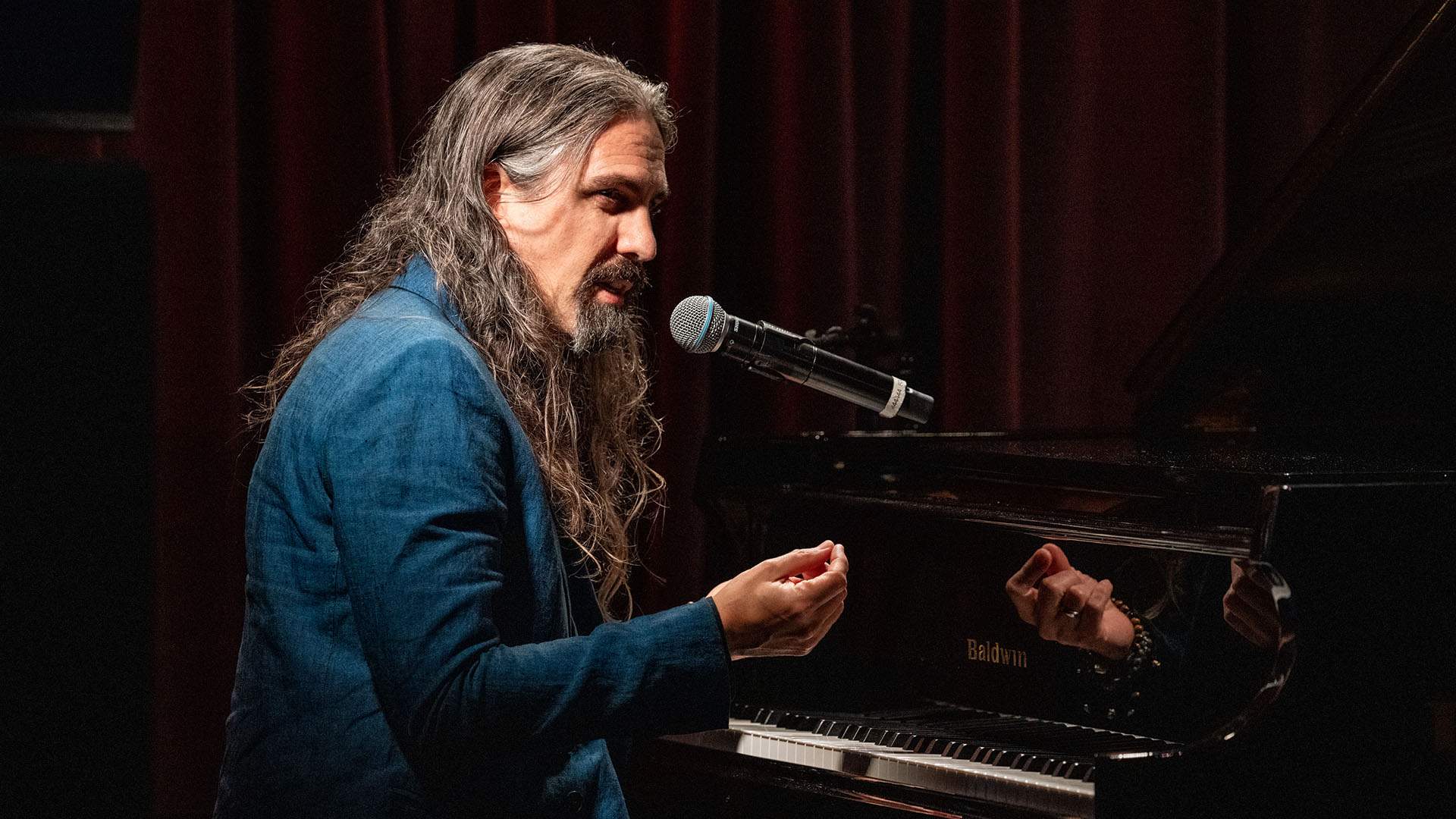
Timothy Norris/Getty Images for The Recording Academy
For God of War and God of War Ragnarök, McCreary has two BAFTA Games Awards. His three Grammy nominations in three successive years — 2023–25 — come from Call Of Duty: Vanguard, God of War Ragnarök again and the latter's DLC pack God of War Ragnarök: Valhalla. The Emmys have recognised his work on Human Target, Black Sails and Outlander with nominations, and on Da Vinci's Demons with a win for Outstanding Original Main Title Theme Music.
McCreary has also scored five films in a row for director Christopher Landon: Happy Death Day and its sequel Happy Death Day 2U, Freaky, We Have a Ghost and 2025's Drop. He's been reading scripts for the upcoming third season of The Rings of Power when we chat, and his efforts are now echoing from the third season of Foundation, too. But 2025 has also been about a first for him; although he's far from new to performing his music in concert, he's been embarking upon his first proper tour. After dates in Europe and North America across April and May, McCreary is playing four Australian dates between Wednesday, July 23–Monday, July 28: at The Forum in Melbourne, Sydney's Enmore Theatre, Eatons Hill Hotel in Brisbane and Perth's Astor Theatre.
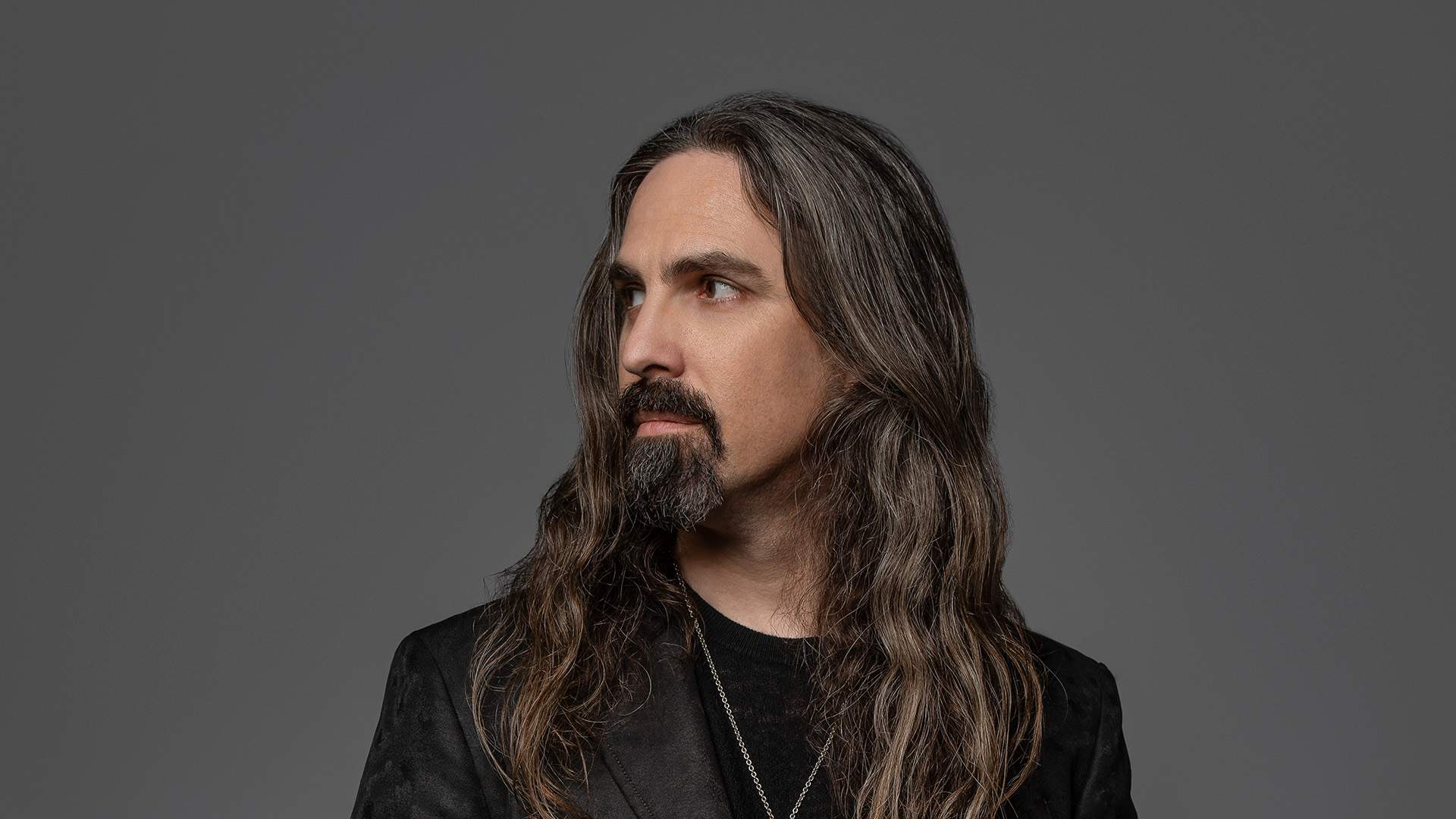
Ted Sun
When you primarily compose for the screen, what does it mean to be able to play your music live to an audience in concert? "There's a fundamental thing about making music that I love and crave. And when you write music for the screen, you get it in a weird way — and that is that audience feedback," McCreary advises. "You get it over time. You get it online, interacting with people out in the world that may figure out who you are — but for the most part, you don't experience your music with other people. You just sort of trust that it's out in the universe and people like it or they don't; they're having an experience."
"So I wanted that visceral, immediate sense of community and interaction. And playing music live for an audience, it happens immediately. You can feel it. There's an electricity in the air. And I was craving that. I had performed a lot, maybe 15 years ago, when I had done Battlestar Galactica — I performed that music live with increasing frequency. And I sort of stepped away from that in order to solidify my career in film, television and video games. But it was time to get back to it. It was time to get back to my roots," he says.
Australian audiences aren't just being treated to music from many of the above titles live when McCreary takes to the stage, however. In 2024, he also released The Singularity, his star-studded debut rock album. How did his big break on Battlestar Galactica help lead him to here — and before that, how did being self-described lifelong "soundtrack-collecting nerd" and "sci-fi/fantasy/horror nerd", too, as well as the type of kid who recorded the soundtrack to Back to the Future in the cinema as a six year old, set him on this path? We also spoke with McCreary about that, finding inspiration for his projects, the intimate relationship that audiences have with music for the screen, evolving the sound of a series, repeat collaborations, a future stage musical and much, much more.

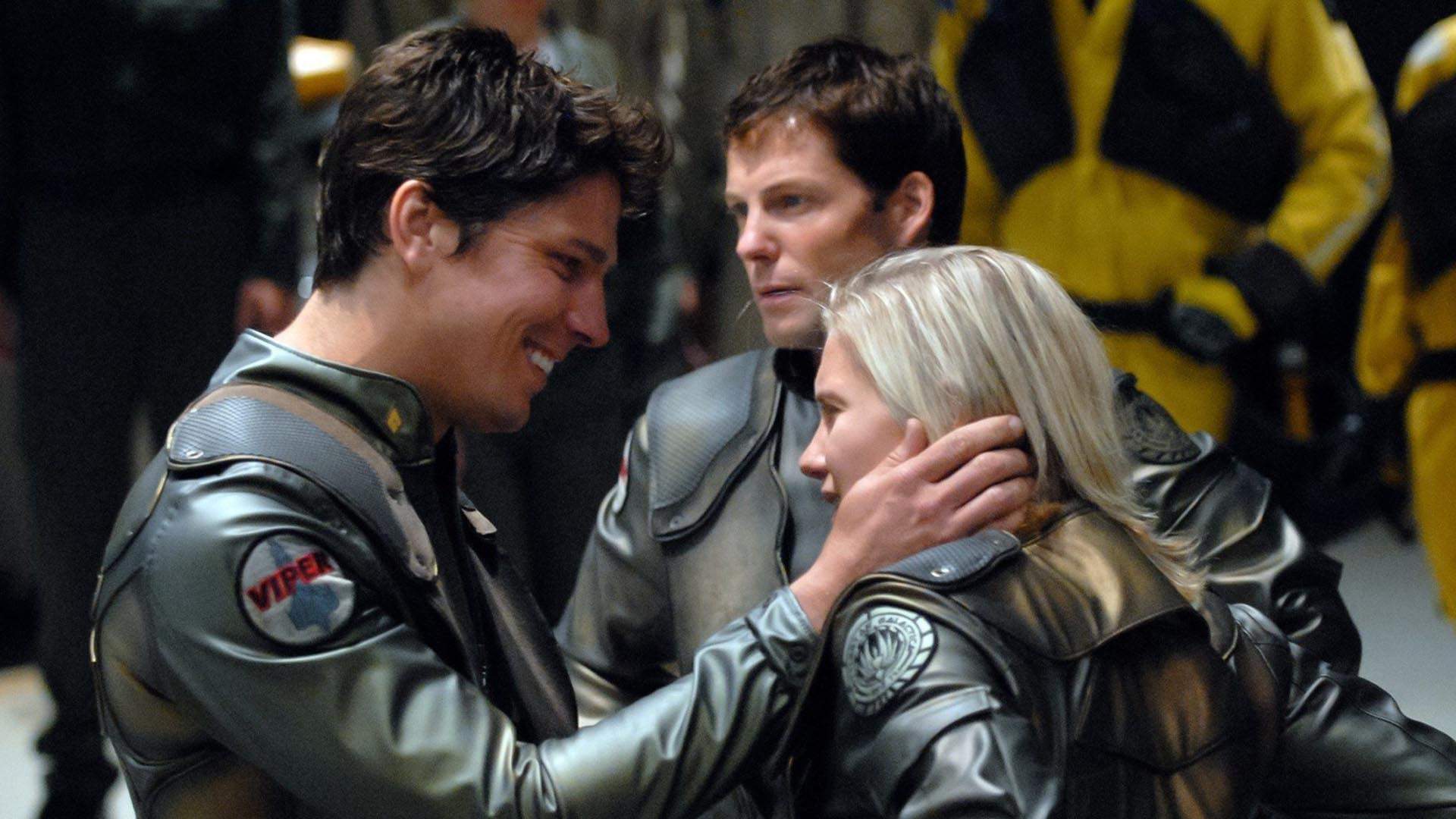
On Battlestar Galactica Becoming McCreary's Big Break
"I really have to go back to when I was five. I was obsessed with film music, even when I was five or six years old. I started collecting soundtracks. I started trying to write my own music when I was like seven or eight.
And by the time I was 13, I was writing music all day, every day — and bringing in everybody around me that I could. My friends in high school, I would force them to be in bands and come over to record. When I got to college, I started doing student films with increasingly large student orchestras. Anybody that I met that could make a movie or play an instrument, I tried to work with them.
So by the time I was an assistant on Battlestar Galactica at the age of 21, 22, I'd put in my 10,000 hours a couple times. So as I recall, I had the opportunity to score one episode of the show while they were looking for a real composer — because no television series of that scale would hire an unproven 23-year-old child. Whether or not I'd worked on the miniseries, I mean, it just didn't matter, they were looking for somebody else.
And I did the first episode of the show — I did work with Richard Gibbs [The Simpsons, 10 Things I Hate About You] on the miniseries and learned a lot during that experience, and contributed some to the sound of Battlestar Galactica. And then I had the chance to do one episode, and I guess the rest is history.
I remember at the end of that episode, the producer sat me down and said 'well, why don't you come in tomorrow? Let's take a look at the next episode'. And there it was."
On Why McCreary Was Drawn to Film Scores as a Child
"When I was a baby, my mum would take me to movies. She took me to movies that you shouldn't take a baby to go see — dramas like The Natural and Gandhi. I saw The Empire Strikes Back when I was two.
I was so small that I think I wasn't tall enough to see over the seat. My mum would set her purse down, because the flip seat would otherwise smash me.
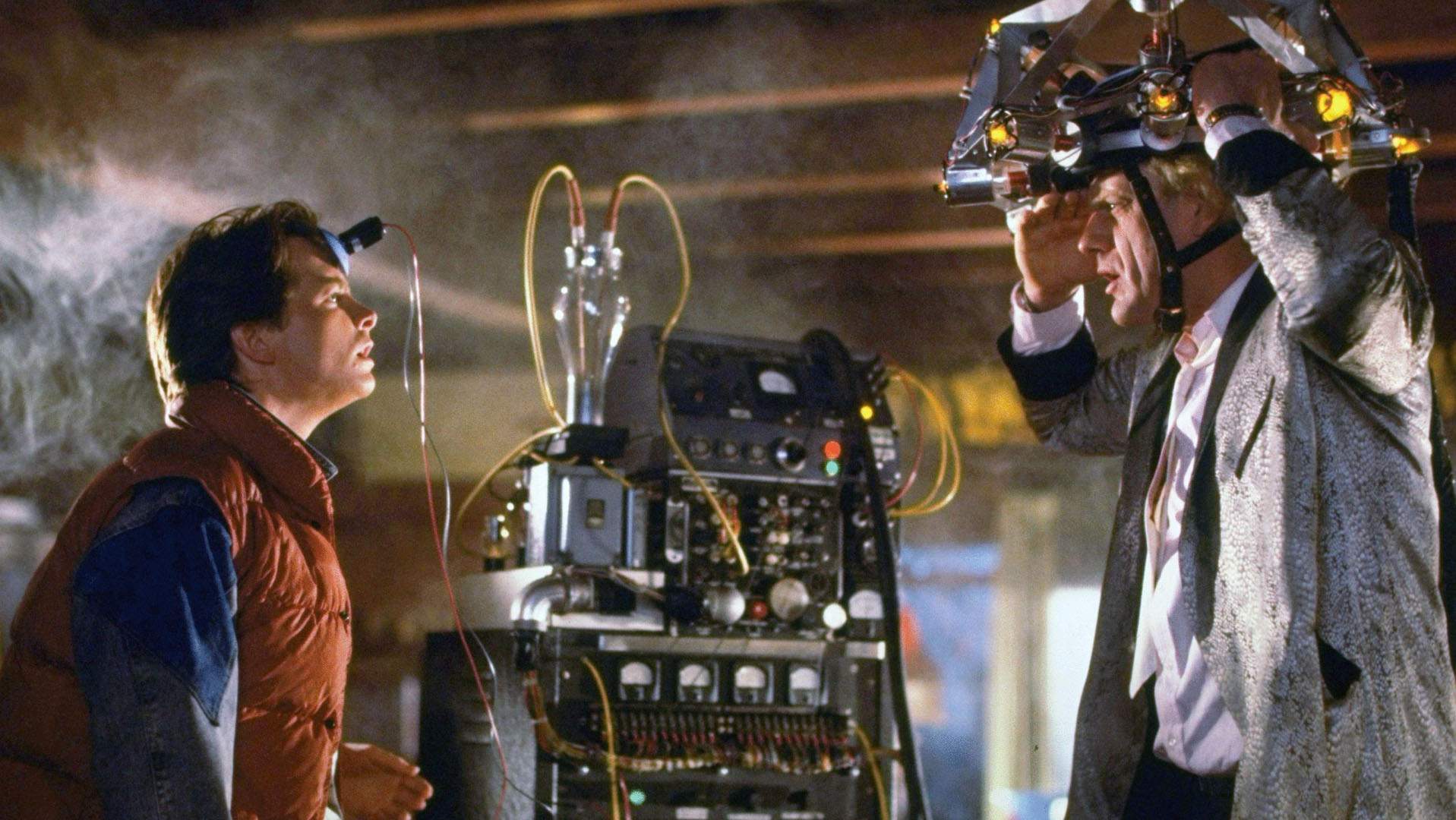
So I do think that for some of these movies, I sat there staring at the back of a chair, listening to the movie. And when I was six, a film called Back to the Future came out. And that one really caught my ears. And I asked my mom to take me a second night.
So we went back the next night after I saw Back to the Future. This time, I snuck in a cassette recorder — my little Fisher-Price cassette recorder — and I held it up over my head and I recorded the movie so that I could hear the music, and fast forward past all that annoying dialogue and sound effects.
So even at age six, I was trying to filter out the other sounds in a film so I could hear what was going on in the music. Why that is, I don't know. But you can easily imagine how you take a kid that's wired that way, and I'm definitely on path to become a soundtrack-collecting nerd, which I still am — if you combine that with the piano playing that I started learning at that time, it was almost like 'ohh, it's chocolate and peanut butter, let's put those together. I can use those skills to explore this passion'.
So it really was something I knew that I wanted to do from a very young age."
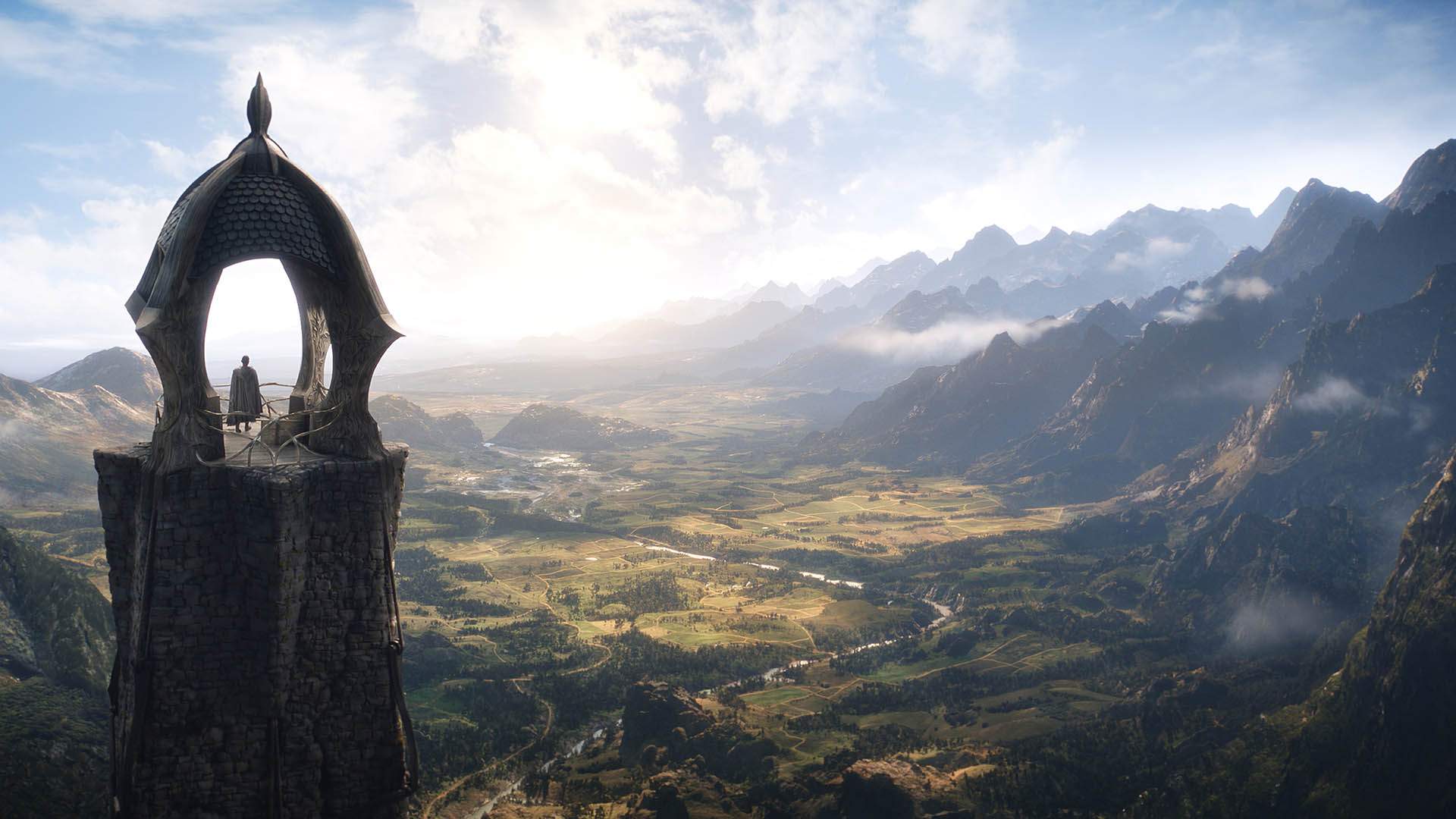
On Where McCreary's Inspiration Comes From, Especially When Working on Projects with Such Pivotal Source Material
"I definitely feel very fortunate that I can take on projects that inspire me. And every once in a while somebody will call me about a project, and I will confess to them that I think their story is really solid and their vision is really clear, and I'm just not excited by what they want and that they deserve to have someone who's passionate about the kind of story they want to tell.
That happens pretty rarely, because I started my career with Battlestar Galactica. And then I went to Terminator: The Sarah Connor Chronicles, and then The Walking Dead and Outlander and Marvel's Agents of S.H.I.E.L.D. And I've worked with Godzilla and Star Wars and Lord of the Rings and God of War. I grew up a sci-fi/fantasy/horror nerd, so I very much planted my career in the orchard I wanted to grow in.
So I'm very fortunate to be inspired by the material that I'm offered, but also I am inspired by going back to the music that I loved as a kid. I think there's some scientific truth that the ages 12 to 16 are where our brains form, and we form a bond with media at that age that is lifelong. And I do find myself returning to that material and even applying it to modern material.
When I scored The Lord of the Rings: The Rings of Power, I was inspired by Howard Shore's music for the films to a degree, but I was 21 when those came out. I was more inspired by James Horner [Titanic, Avatar], John Williams [Star Wars, Indiana Jones, Jurassic Park], Basil Poledouris [Conan the Barbarian, Starship Troopers], Jerry Goldsmith [Planet of the Apes, Star Trek], Ennio Morricone [The Good, the Bad and the Ugly, Once Upon a Time in the West]. I think if you put my scores for Rings of Power up against those older scores from the 80s and 90s, there's a more obvious connection there. That's where my heart lies.
So I want music to make you feel the way the music from my childhood made me feel."
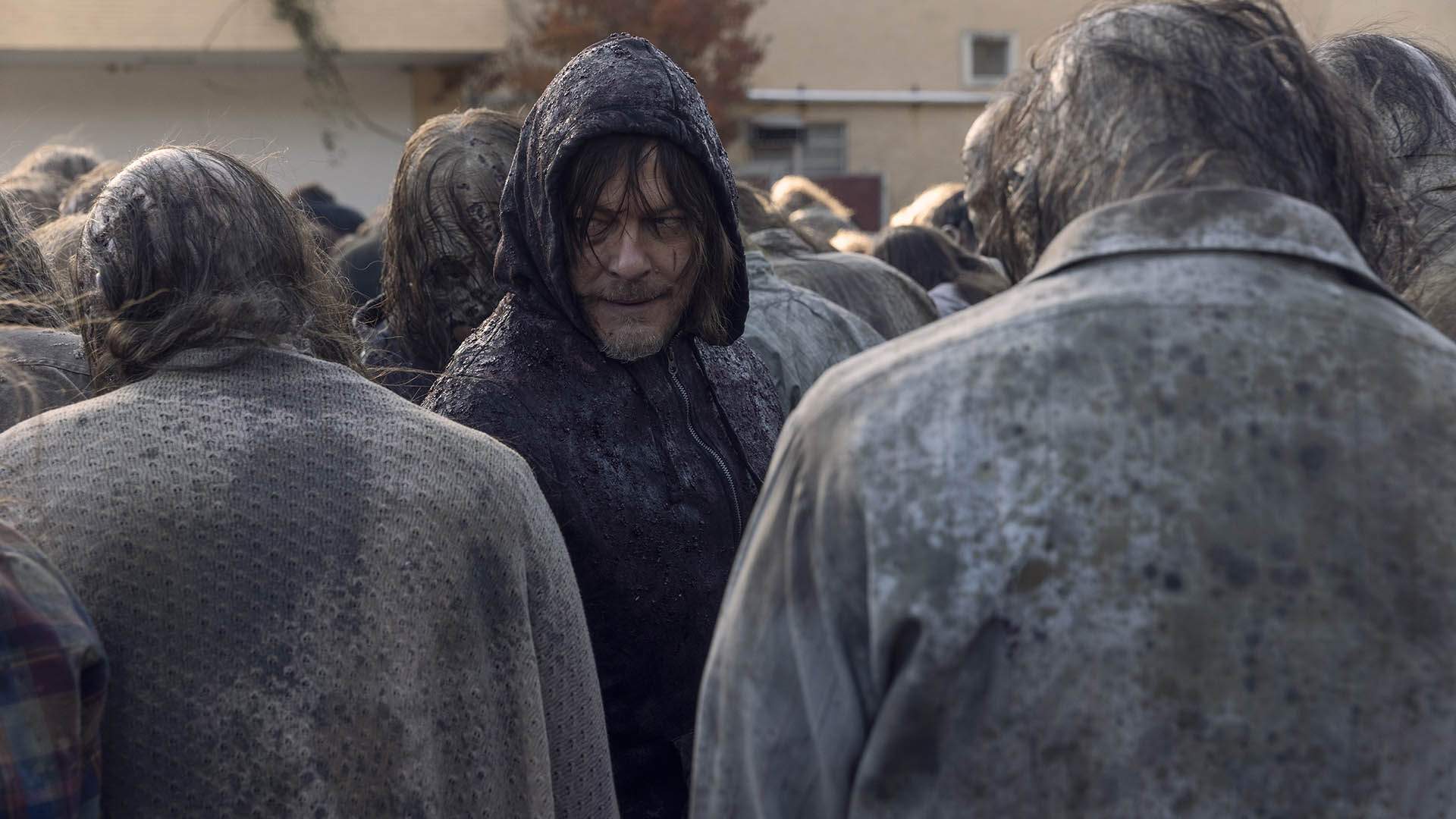
Jackson Lee Davis/AMC
On Thinking — or Not — About the Intimate Relationship That Audiences Have with Music for the Screen
"I try not to think about that, because it adds undue pressure. Ultimately, my job is I need to write that scene and make it work, and if I start thinking about writing something that transcends that, it just adds undue pressure.
When I wrote The Walking Dead main title, if I had been thinking 'well, this needs to last 15 years — or more, the rest of your life. This little idea, is it good enough? Is it good enough to last forever?', I would freak myself out, right. 'No, it's not. It can't be that good.'
No, I just needed to tell this 30-second story for The Walking Dead main title. And that 30 seconds arguably is the most-successful 30 seconds I've written in my entire career.
So I try not to think about those things, but I am grateful for those transformative relationships, because I have those. So many of my favourite scores are for films that I have not seen as many times as I've listened to the scores. Or the scores transcend even the movies. The movies not might even be that good, but the scores become invaluable to me.
And I try to have space in my heart for being grateful for that. If that happens, if I can write this scene, do my job, but also be open to the fact that maybe some six-year-old kid will hear that and want to record it and listen to it again — if I could be part of somebody else's journey the way that Alan Silvestri [Back to the Future, Predator] or Elmer Bernstein [The Magnificent Seven, Ghostbusters] inspired me — that's a pretty magical thing. And I try to be grateful for the possibility without applying pressure to myself that I have to do that."
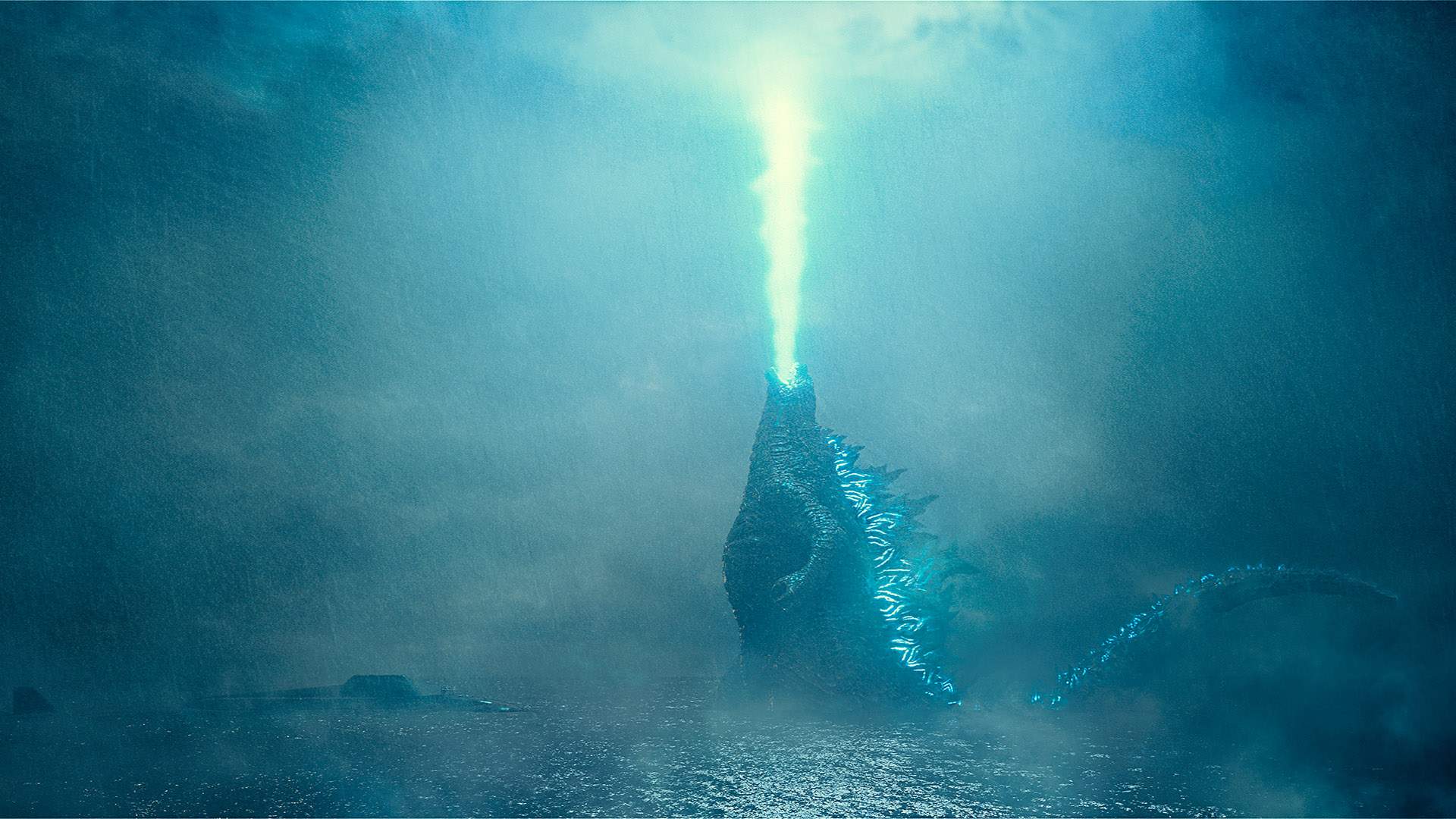
On the Sense of Responsibility That Comes with Working on Projects with Inbuilt Fanbases Attached Because They've Existed in Some Form Before
"That definitely comes with, I don't want to say pressure, but a thing to be mindful of. And I always try to look at something through the lens of a fan and deliver what is most effective for the most-passionate fans, and yet will not be distracting or kitschy for someone who does not know that material.
I think I was very successful in that in particular with Battlestar Galactica and Godzilla: King of the Monsters. Both had big, brassy fanfares that were — in one, the Godzilla march was written in the 50s by Akira Ifukube; Battlestar Galactica was written in the 70s by Stu Phillips, obviously as a response to Star Wars. And nothing could have been further from the trend in scoring when I did Battlestar or Godzilla than big brassy marches.
But in both cases, I struggled and found ways to very earnestly and lovingly take that music and bring it into something that sounds very modern — that doesn't sound like a cameo or an homage, it just sounds like the score. And if you know, you know.
And that's what, I guess, I pride myself on that. I try to be very respectful of the older material, and maybe part of it is karmic — eventually people will be doing new versions of all these things, right? I'm a steward of this material for a while, and I hope at some point in the future, when somebody does a remake or continuation of something I worked on, that I'll be afforded the same consideration."
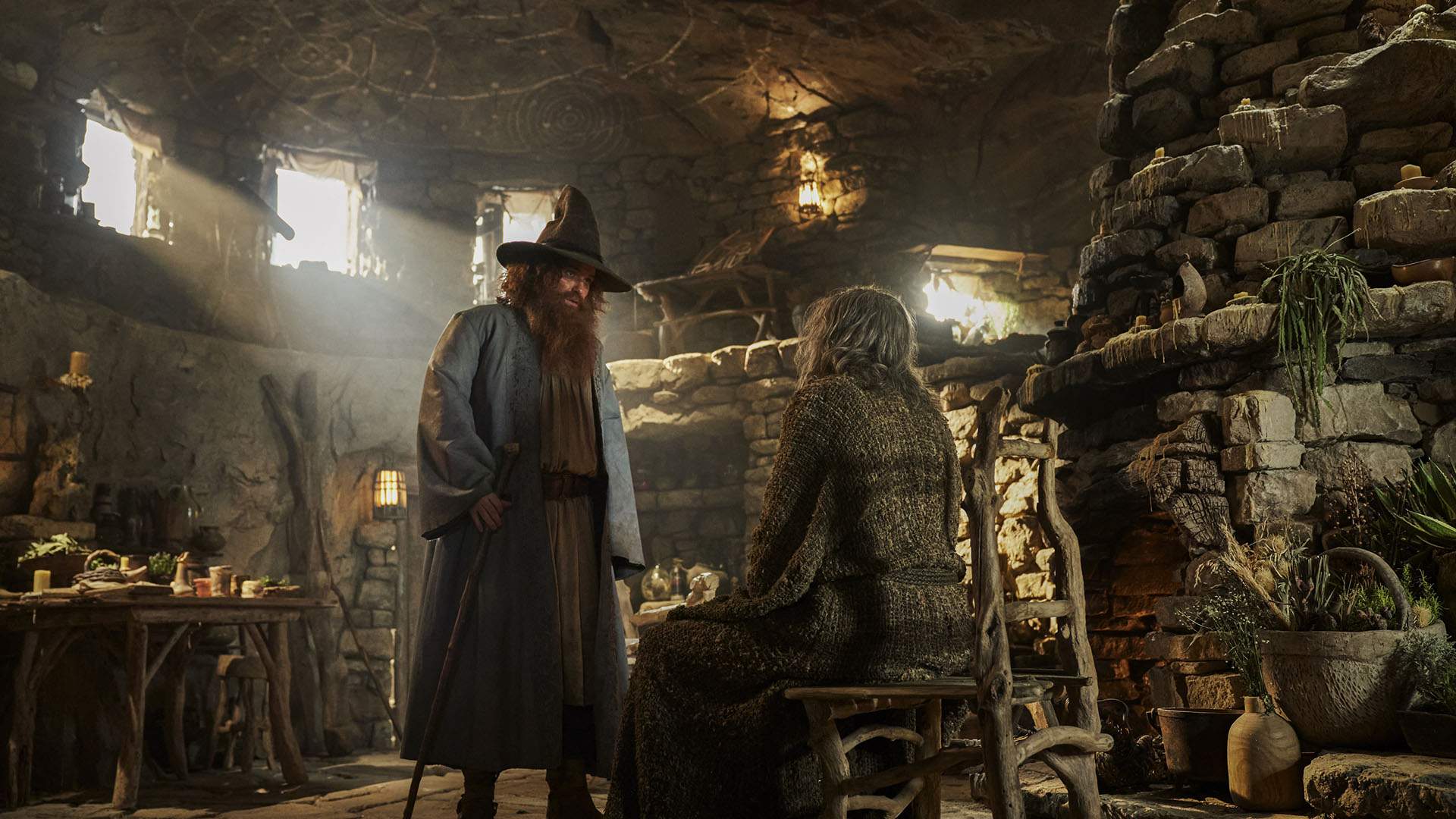
On the Thrill of Being Able to Add Your Voice to a Genre or Title That You've Always Loved, Like Fantasy and Lord of the Rings
"It's pretty incredible. It's almost unlike anything else. Just earlier today, I was reading scripts from the new season. And I've had the same experience every time I read the scripts: 'I get to do that? I get to do that! Wait, I get to do that!'.
I'm giddy. It's like a joyous experience. It fills me with joy. I've never really felt pressure, except in the second season, I think, when I wrote a song called 'Old Tom Bombadil' — I did feel the weight there.
Tom Bombadil [played by Rory Kinnear, Toxic Town] appears in the show. He's a beloved character who goes very deep in the lore. If you loved these movies and you don't know who we're talking about, that's how deep it goes. He was not in the Peter Jackson films. Probably the most-glaring omission from those films. So for him to be in our show is a big deal — and he sings.
When you read the book, like half his dialogue is in verse. And I realised that aside from writing a song for a television show, I was potentially codifying, in an official adaptation of Tolkien's material, a melody for Tom Bombadil that people would hear in their heads when they read Fellowship of the Ring.
That is the first time that I've really felt that weight — of working outside the medium. I'm not even thinking about the show. He appears very briefly in the show. It's not really that big a deal. But the idea that if this melody is good, it might resonate with people the next time they read Fellowship of the Ring — and at that time I was writing it, I was reading it to my daughter. And so before the show even came out, I got to give it a test run. When we got to the Tom Bombadil pages and I caught myself going 'ohh, he started to sing. Should I? Should I try it? Should I try my melody? Here it goes'.
And I just rolled those lyrics right off the tip of my tongue, using that melody, and it worked. And I was pretty happy. I was pretty happy with that."
On Bringing a Sense of Weight, Urgency and Epicness to a Score, Such as Foundation
"I am still looking to the masters that I grew up listening to. And in the case of Elmer Bernstein, I came of age with him as a mentor. I knew him personally.
I think it's fascinating your question — because how does the Foundation main titles start? Sparkling flutes and clarinets. Cellist. Glockenspiel. This very light, delicate, sparkling cloud of particles. It's not heavy at all.
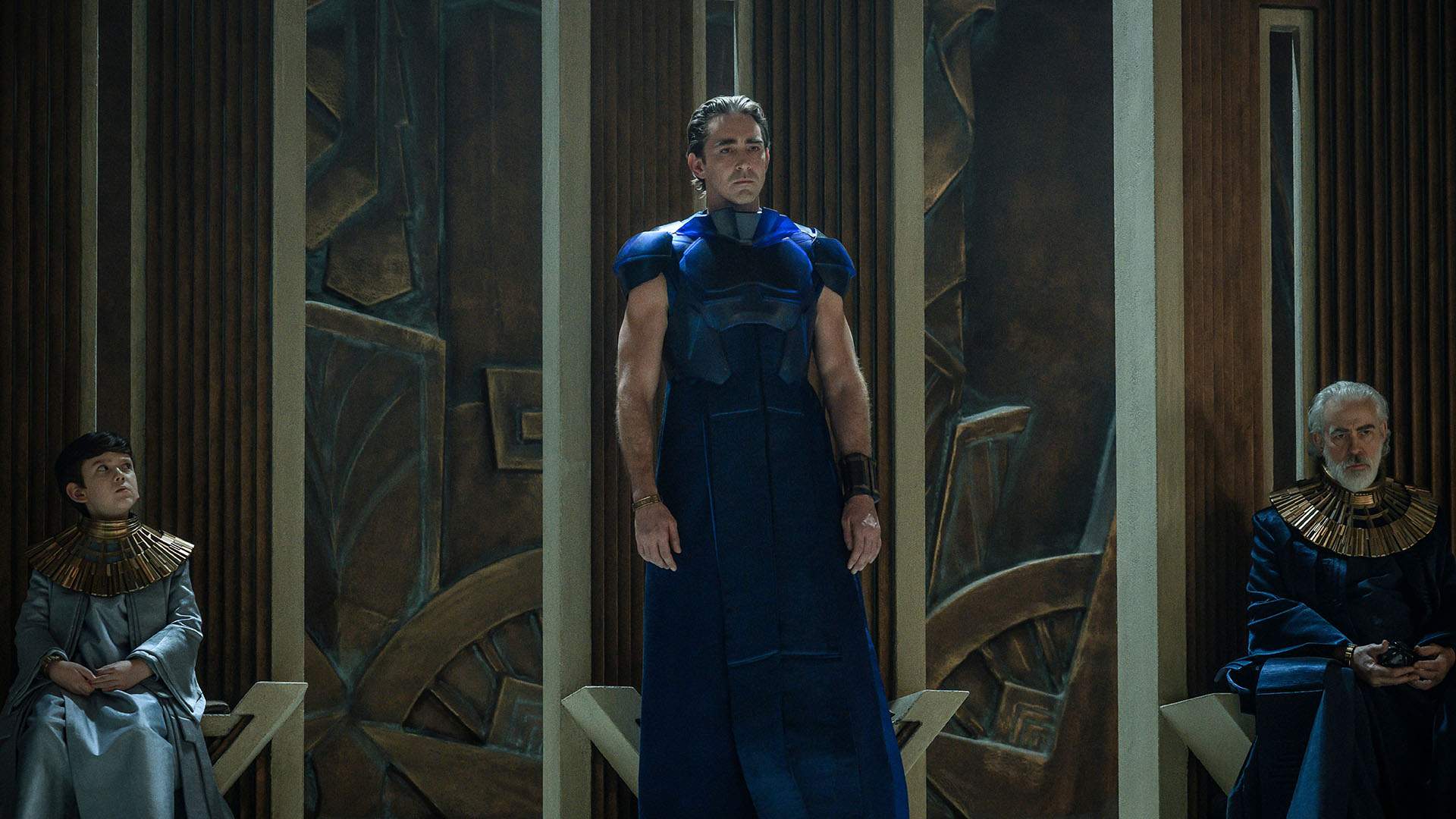
And you get acclimated to that texture — and then halfway through, when the bottom drops and suddenly 'boom', now we're getting epic. It feels more epic, because I actually reacclimate your sense of frequencies. I sort of took those frequencies away for a while.
So it's through that kind of contrast that I think you can achieve real dynamics and emotional impact. And with Foundation, that's the name of the game. We're telling a story that takes place over like a millennium, and asking the audience to keep track of characters spanning centuries. So I'm really trying to tread lightly where I can, so that I can come back in with devastating impact."
On Evolving the Sound of a Series Across Multiple Episodes and Seasons
"I have found I have to be very open-minded. Not evolving the sound is much harder for me than evolving it. Granted, I've never done like a Law & Order show that goes on for my entire life and is very similar every week, so I'm already taking on shows where the characters change a lot.
And look, my first show was Battlestar Galactica, and I learned this real fast — I had a theme for Starbuck [Katee Sackhoff, Fight or Flight] and I really wasn't looking ahead. So she escapes from the planet in episode 104, big triumphant moment, and I've got this theme that I kind of decided 'oh, that's her theme'. And then in the eighth episode, she starts torturing this guy, Leoben [Callum Keith Rennie, Star Trek: Discovery]. And suddenly I'm realising the range that our show has, and we are creating complex characters.
Just four episodes later, after her triumphant fanfare, I wanted to use that same theme but tell a very different story — and I had to really work because I hadn't prepared for that. I really wasn't looking ahead.
So having learned from that, I am often looking ahead now. Knowing what's coming really helps, but also just being flexible. You don't always know what's coming.
Certainly when I started the first episode of Walking Dead, no one would have been talking about season ten. No one would have been thinking 'in a dozen years'. We were just thinking 'we've got six episodes here, how can we we stretch this formula for six episodes? Here we go'. And I ended up doing 100, I don't even know — I've lost count. Many, more than 100."
On Returning Collaborations with the Same Filmmaker, Such as Christopher Landon's Movies From Happy Death Day to Drop
"I adore Chris Landon. I love that relationship. And so many of my favourite composers had these long-term relationships. And I've studied their scores. I think subconsciously, we all have.
Spielberg-Williams. And George Lucas and John Williams. Hisaishi and Miyazaki on all the Studio Ghibli movies. Danny Elfman and Tim Burton. Fellini and Rota. There are so many more. And we start understanding that this director's style, this director's voice, is aided by this composer's sound.
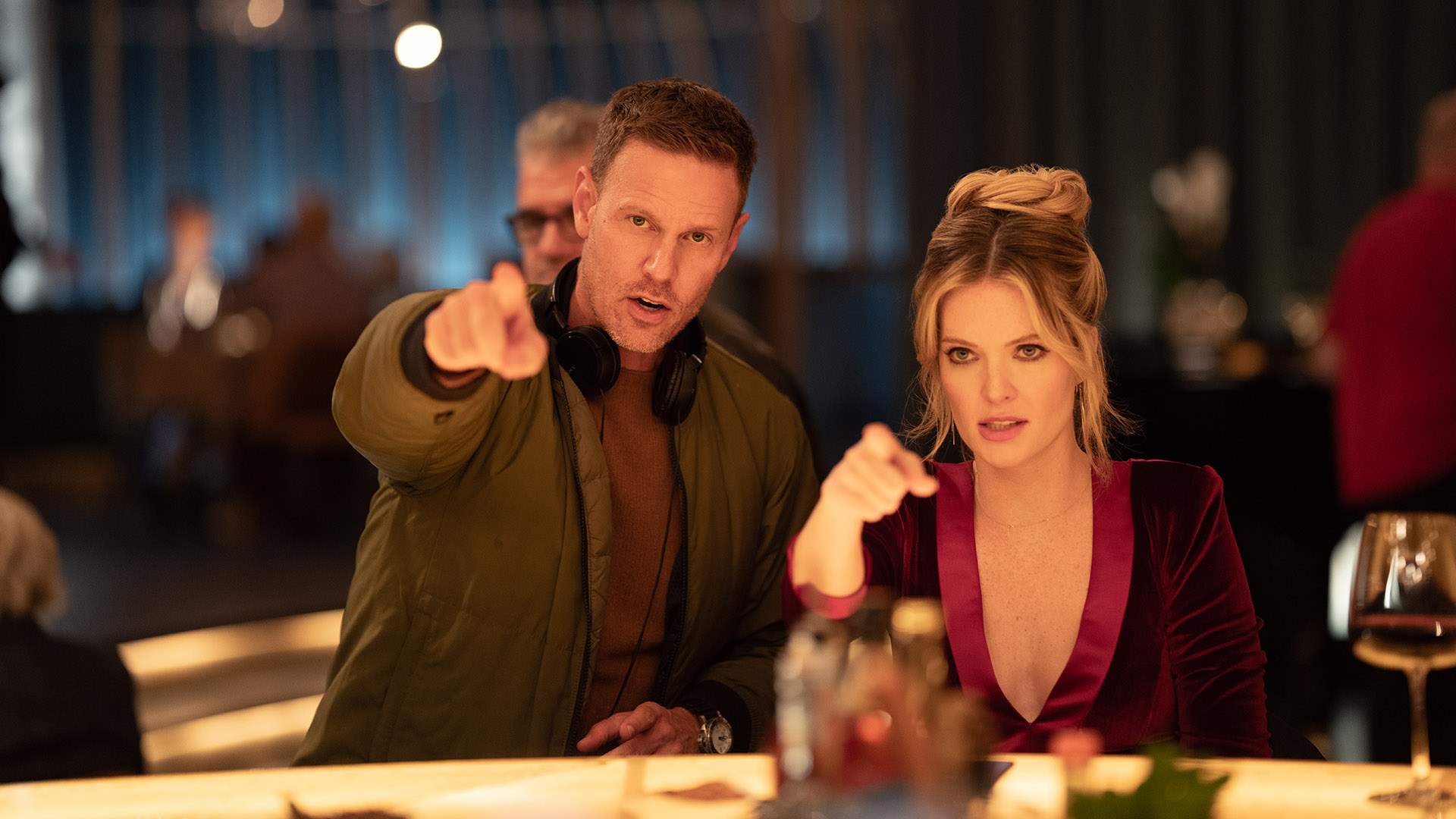
And with Chris, he is the feature film director with whom I have worked the most. We've currently done five films together in the span of not ten years. So I cherish that relationship. And I'm always trying to keep up with Chris. He is such a visionary. He's always combining different genres. It's a slasher and teen drama. Now we're going to throw in Back to the Future time travel. Now I'm going to do Freaky Friday meets Friday the 13th. And I'm just like 'okay, okay, hold on. Hold on, Chris. Give me a minute. Let me catch up. Let me catch up with you'.
Drop was — maybe it was in some ways the easiest, and in some ways the hardest, because it completely shook up the rhythm. I read his script for Drop, and I called him and I said 'Chris, I think you're just making a movie — you're making a movie with one tone. I can't believe it. This is essentially a high-concept 90s thriller. That's it'. And he goes 'yeah, isn't it fun?'.
So it really took me a minute to recalibrate and just do one genre with Chris Landon. That was a nice, welcome surprise.
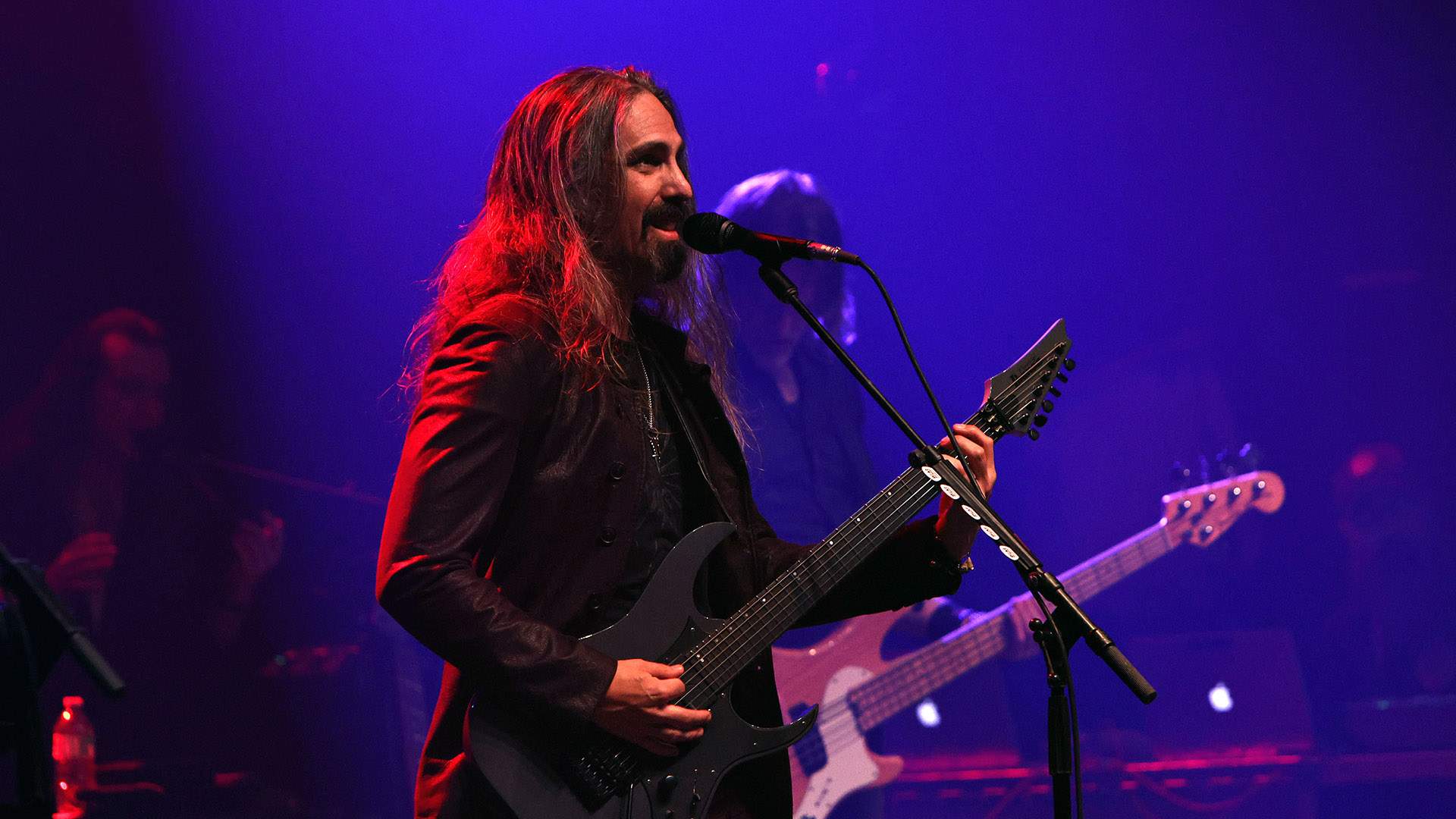
Jeremychanphotography/Getty Images
On the Ultimate New Composing Music Challenges for McCreary
"I think to be completely honest with you, I am so grateful to have worked on all of the things that I already described. Any one of those is a dream project. I think it's why you can see me working in other mediums where I am not established — where I'm the very small fish in a big pond.
I put out my first metal record last year, The Singularity. And on that I collaborated with Serj Tankian from System of a Down, Slash, Jens Kidman from Meshuggah, Kim Thayil from Soundgarden, Corey Taylor from Slipknot and all these people. And I learned so much about rock 'n' roll.
And I've been working on a show, a musical intended for Broadway, working with some incredibly talented people for the last six, seven years. We're going into a number of readings over the next two years. And again, I'm learning on the job — and how to write a Broadway show.
So in many ways, when it comes to being fundamentally challenged and pushed out of my comfort zone, I kind of am looking at records — and I made a graphic novel out of The Singularity — and just other mediums. Because as fun and thrilling and exhilarating as scoring film is, I've been doing it professionally for 20 years. And if you factor in all my childhood experiments with trying to do it, I mean it's 30 years, right?
So if you give me footage and tell me what you want, I have a lot of experience, no matter what the footage is, in doing that. So I think also ultimately, that's why I'm going on the road — is it's another huge challenge, just suddenly bringing this music out on the road, bringing it to an audience and playing it for an audience that maybe isn't used to hearing this music live. That's really scary. I feel like I'm up on the tightrope there.
So those are the kinds of projects I think you'll see me adding to my portfolio as time goes on. But I love I love scoring. It's like my happy place.
I've been working on a movie all week for a director I've never worked with before who I admire greatly and it's just, it's the best feeling. So you know me, I'm just multitasking and juggling all this stuff all the time."
Bear McCreary is touring Australia between Wednesday, July 23–Monday, July 28, 2025 — head to his website further details and the tour website for tickets.


- 13 Best Book Releases to Read This October
- Honda ZR-V-Approved: The Honda Team's Favourite Spots
- Year-Round Pools and Swimming Spots for a Good Dip in Any Season
- X-Factor Venues Made to Impress Even the Most Jaded Out-of-Towners
- Wine Bars with Excellent By-the-Glass Lists to Slowly Work Through
- Views and Lookouts That Handsomely Reward the Effort of the Climb