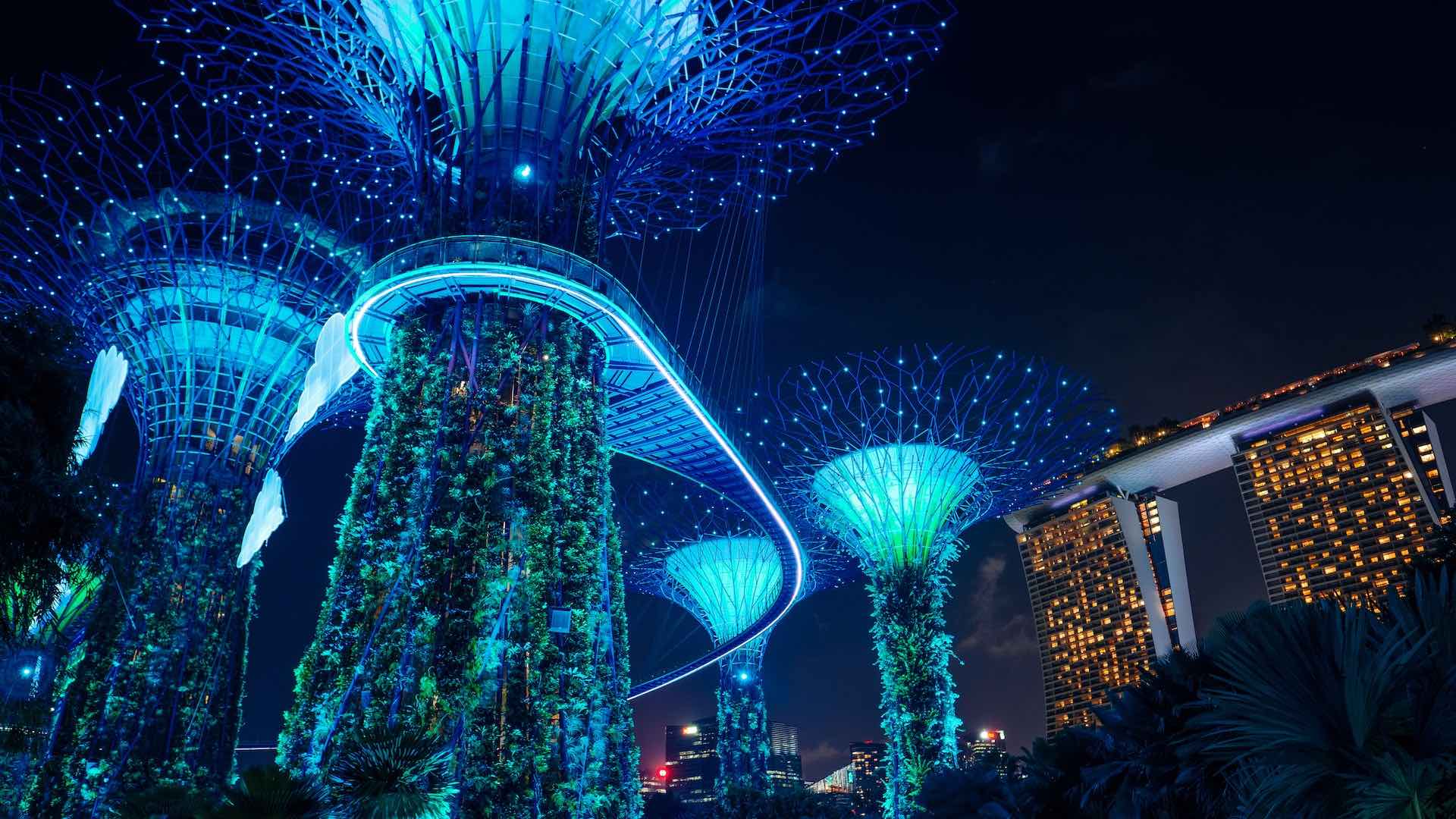
A First-Timer's Guide to Singapore
Often treated as a layover, Singapore rewards those who linger — with street eats, fine dining, art, culture and neighbourhoods full of character.
For many Australians, Singapore is a stopover city — a convenient pause on the way to Europe or Asia. But to treat it as just a layover is to miss one of Asia’s most vibrant destinations.
Compact and efficient, the Lion City is easy to cover in a couple of days, yet layered enough to reward a longer stay. From hawker centres and Michelin-starred restaurants to independent shopping, galleries and street festivals, Singapore is a stunning combination of tradition and modernity.

Before You Go
Singapore is small, fast-paced and remarkably easy to navigate, but for first-time visitors with just a few days, preparation makes all the difference. Staying connected is essential — especially if you’re relying on the MRT network to get across town or want to look up directions to hawker centres on the fly. A roaming eSIM provides unlimited coverage the moment you land, making public transport and last-minute planning seamless.
Travellers should also be ready for Singapore’s climate, which is hot and humid year-round, with sudden downpours common. Lightweight clothing and an umbrella are essentials. Credit and debit cards are widely accepted, though it’s wise to carry some cash for hawker stalls and independent shops.
If you only have a couple of days, the best approach is to divide your itinerary into the city’s core experiences: eating, neighbourhood exploring, cultural immersion, wellness and nightlife. This guide is structured with that in mind — so whether you’re here for 48 hours or a long weekend, you’ll leave with a sense of Singapore’s depth and character.
Stay
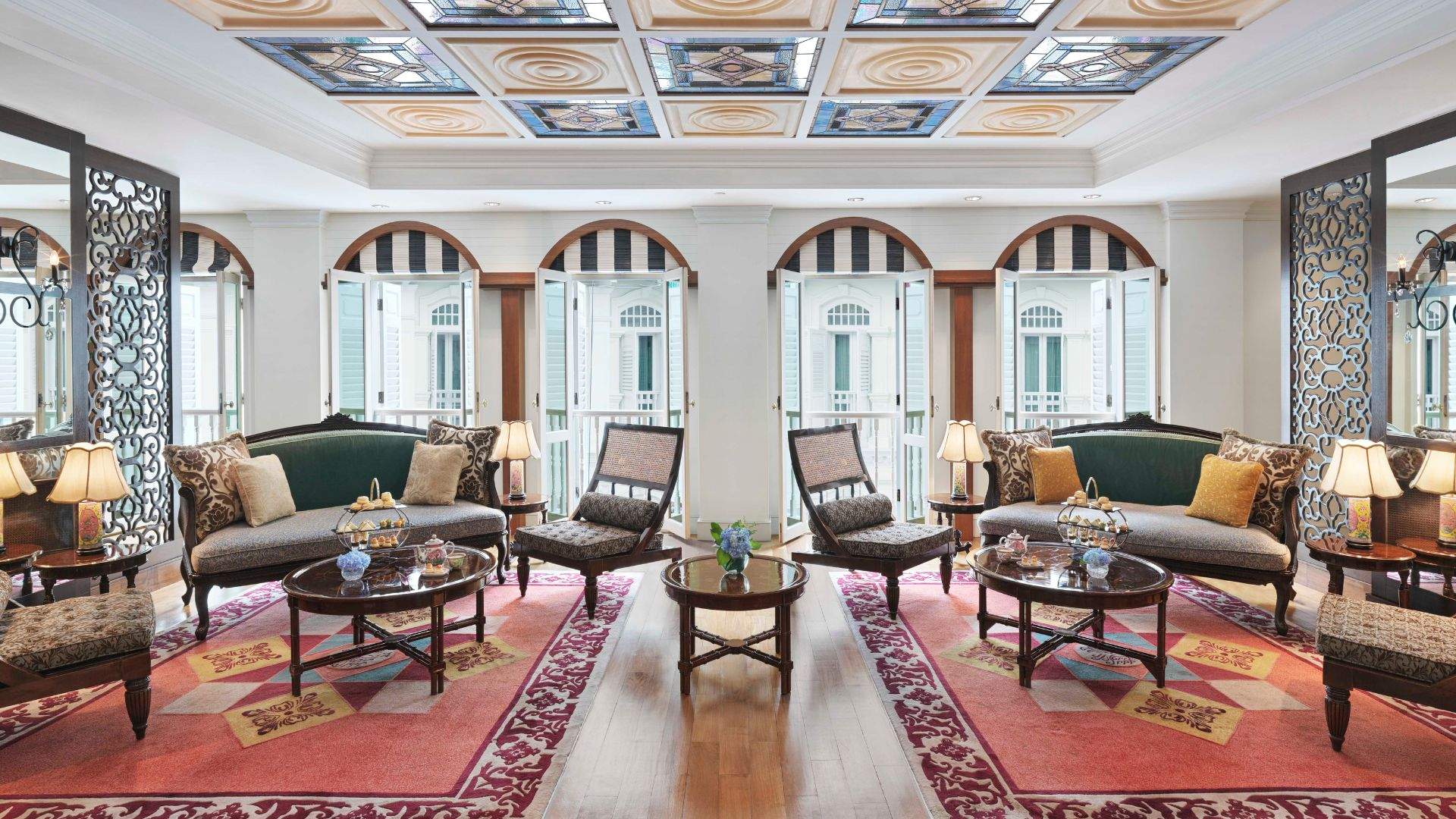
Location is everything when time is short. The InterContinental Singapore sits in the heart of Bugis, one of the city’s most historic and well-connected districts, making it the ideal base for first-timers. From here, you can walk to hawker centres, browse boutiques, explore major museums and easily connect to the MRT.
The hotel itself blends luxury with heritage, weaving Peranakan influences into its design and atmosphere. It’s also a culinary destination in its own right — The Lobby Lounge serves elegant high teas that nod to the city’s love of afternoon indulgence, LUCE offers refined Italian cuisine (and plays host to an extraordinary breakfast buffet), while Man Fu Yuan delivers Cantonese classics in a polished setting. Staying here doesn’t simply mean resting between outings — it means having some of the city’s best food and drink on your doorstep.
EAT AND DRINK
STREET EATS
Hawker centres are woven into the fabric of Singapore, and there’s no finer example than Lau Pa Sat. Set in a Victorian-era structure in Singapore’s financial heart, this national monument houses a smorgasbord of edible delights. Expect everything from charcoal-grilled satay and hokkien mee to biryani and barbecued seafood.
Chicken rice is practically Singapore’s national dish and Tian Tian Chicken Rice, at Maxwell Food Centre, has it down to an art. The family-run stall opened in 1987 and has garnered a Michelin Bib Gourmand award for its perfectly poached chicken, fragrant rice and richly flavoured secret sauce.
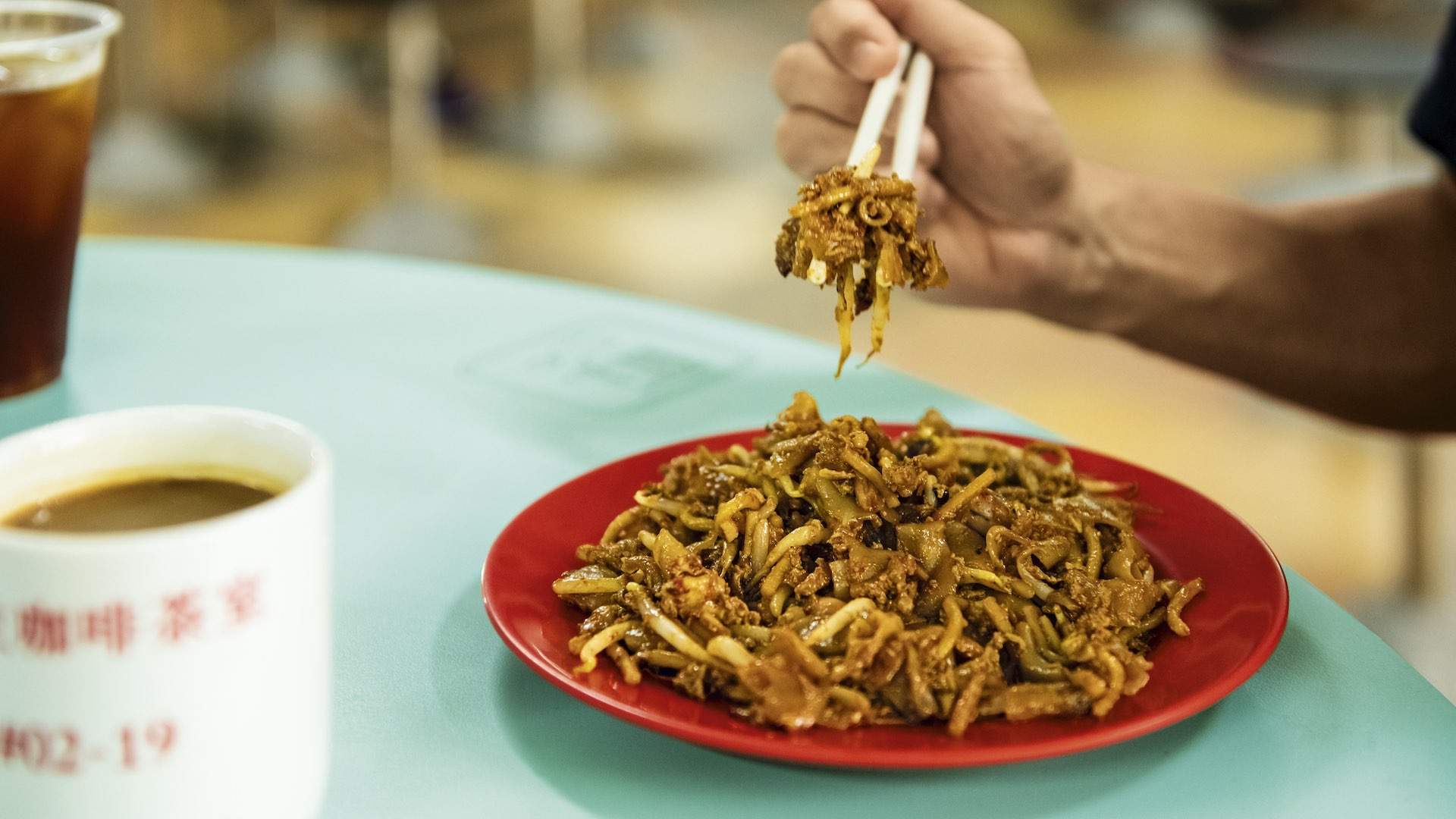
Even before it opens each day, there are queues around the block at Hill Street Char Kway Teow. The Michelin-recommended stall is rightfully popular for its wok-fried noodles, about which the late Anthony Bourdain once asked: “How can anything this ugly be this good?”
Drawing on Singapore’s Indian influence, Mr & Mrs Moghan’s Super Crispy Roti Prata whips up crispy, fluffy versions of the Indian flatbread with well-seasoned fish curry or dalcha (lentil stew). They usually close at around midday and there are often long waits, so plan accordingly.
FINE DINING
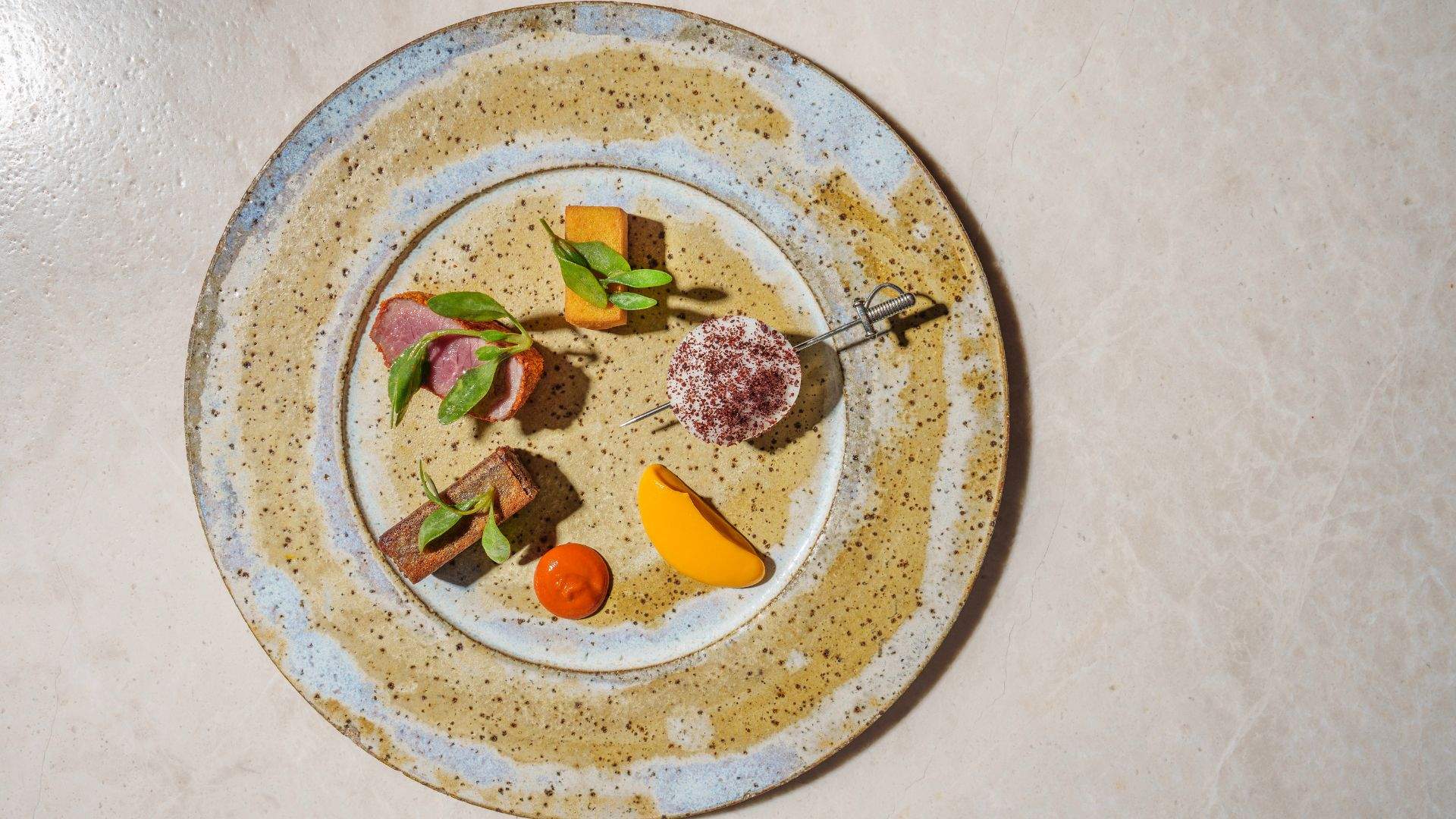
After sampling street food, see how Singapore’s chefs reinterpret tradition at the fine-dining level. Marguerite, set within the Flower Dome at Gardens by the Bay, is one of the city’s most distinctive restaurants. Melbourne-born chef Michael Wilson leans on French inspiration but adapts it for the tropics, presenting playful takes on classics in a setting surrounded by rare plants. It’s refined but approachable, proving that Michelin-star dining doesn’t have to feel theatrical.
Other standouts include Candlenut, the world’s first Michelin-starred Peranakan restaurant; Labyrinth, where hawker favourites are reinvented with precision; and Cloudstreet, blending Australian produce with Sri Lankan flavours. If you’d prefer to keep things closer to your base, the InterContinental offers its own take on theatrical dining with Banquet of Hoshena, a projection-mapped, multi-sensory experience that matches Singapore’s appetite for blending food with spectacle.
SEE AND DO
ARTS AND CULTURE
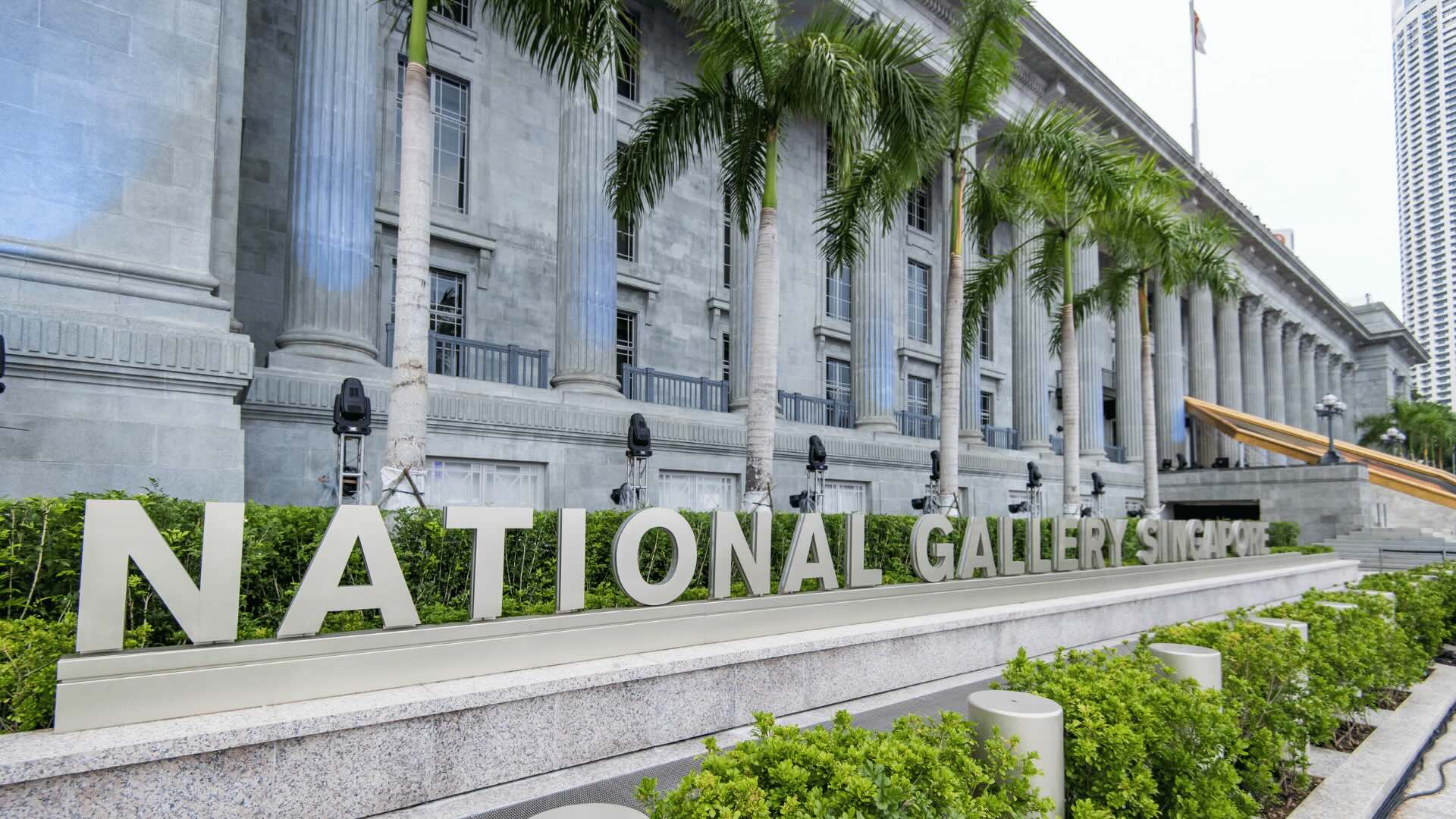
Created by converting the former Supreme Court Building and City Hall, the dazzling National Gallery of Singapore houses over 8000 artworks across its 64,000 square metres. Inside, you can explore the world’s largest public collection of Singapore and Southeast Asian art, and indulge in fine food and drinks.
Gaining independence in the 1960s, Singapore has a rich and complex history. Get to grips with it at the National Museum of Singapore, which was established in 1887 and explores the city’s art, culture and history through immersive displays and compelling galleries. For a thorough explanation of the country’s cross-cultural heritage, check recently reopened Peranakan Museum which shows how migration shaped the city’s identity, from food to fashion.
Working with world-renowned organisations including the Smithsonian Institute, the ArtScience Museum at Marina Bay Sands hosts major exhibitions that combine science, art, technology and knowledge. From sea creatures and Nobel Prize-winning ideas to multimedia art pieces and Disney, you never know what you’ll find at this fascinating institution.
Wellness is also woven into Singapore’s cultural rhythm. Locals balance late nights and hawker feasts with morning runs along Marina Bay, and spin and reformer classes in boutique studios like Ally Singapore. It’s a reminder that in Singapore, art, food and wellbeing aren’t separate pursuits but parts of the same lifestyle.
HAVE SOME FUN
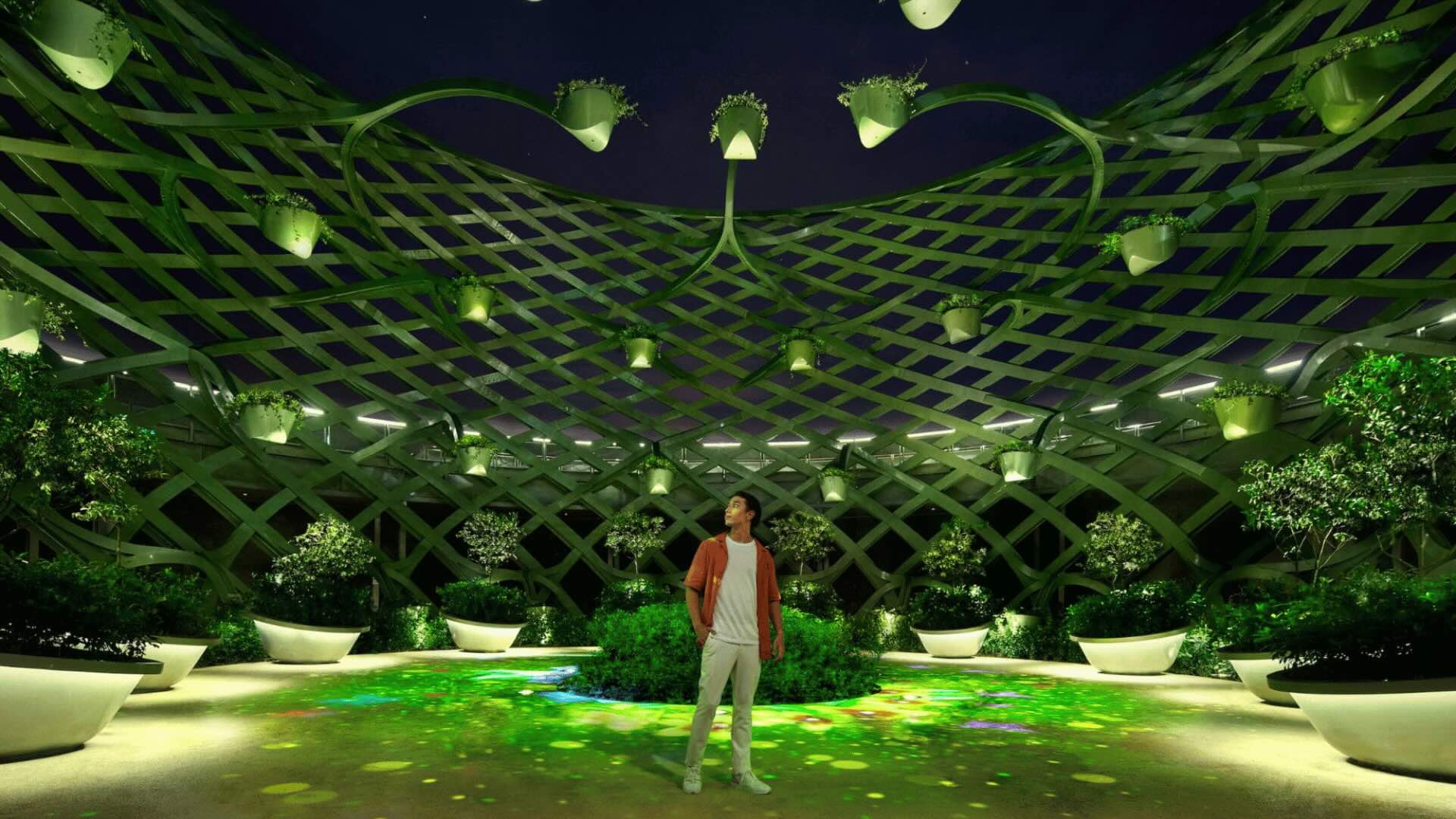
Once a British military base, Sentosa is now a go-to destination for fun. The island hosts a slew of attractions, from golf courses and beach clubs to defunct forts and a casino. Highlights include the Adventure Cove Waterpark and the sprawling Universal Studios Singapore theme park.
The Singapore Zoo is arguably one of the world’s best places for an up-close encounter with the animal kingdom. Opened in 1973, the zoo now houses over 2800 animals in spacious settings that mimic their natural habitats. For a different perspective, visit the neighbouring Night Safari where you can see over 900 animals go about their nocturnal activities.
Always ahead of the game, Singapore got the first international outpost of the Museum of Ice Cream in 2021. Set in former barracks on Dempsey Hill, this pink-hued space invites visitors to unleash their inner child. And yes, you can indulge in unlimited ice cream while you’re there.
NEIGHBOURHOOD WANDERS
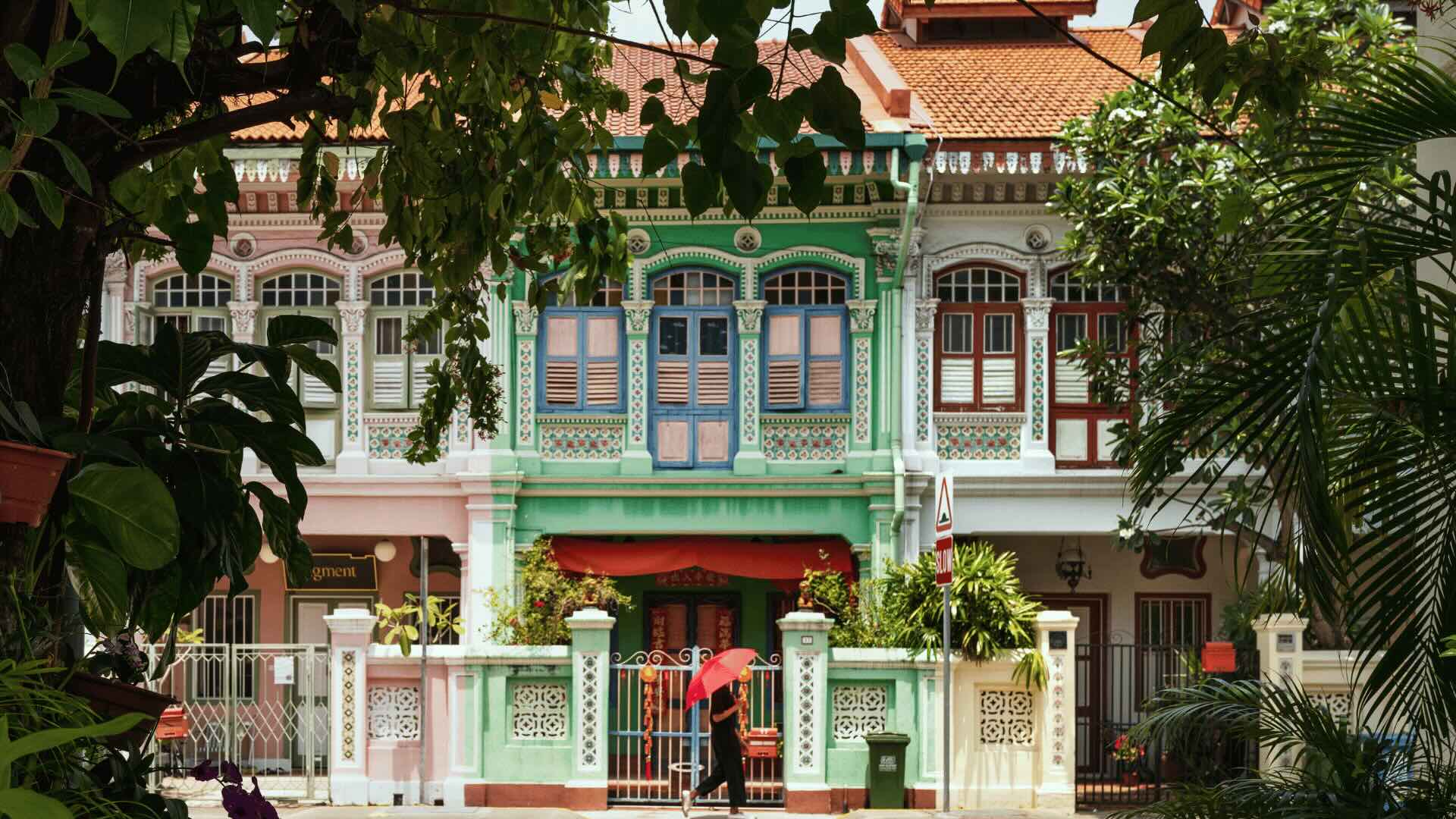
A residential neighbourhood once dominated by Peranakans and Eurasians, the Katong/Joo Chiat area retains its cultural heritage with a contemporary twist. Delve into the area’s history at The Intan and Eurasian Heritage Gallery, then explore the prewar shophouses that now house cafes and boutiques.
During Singapore’s colonial era, Kampong Gelam was an enclave for the Malay and Arab communities. Today, this neighbourhood honours its heritage but with a hip, modern twist. The district is anchored by the majestic Sultan Mosque, and visitors can (soon — it reopens in 2026) explore its history at the Malay Heritage Centre, before sampling traditional dishes at the Michelin Bib Gourmand-awarded Hjh Maimunah.
The oldest housing estate in Singapore, Tiong Bahru is worth visiting for its 60s and 70s architecture — but you’ll stay for food and shopping.
WHY STAY LONGER?
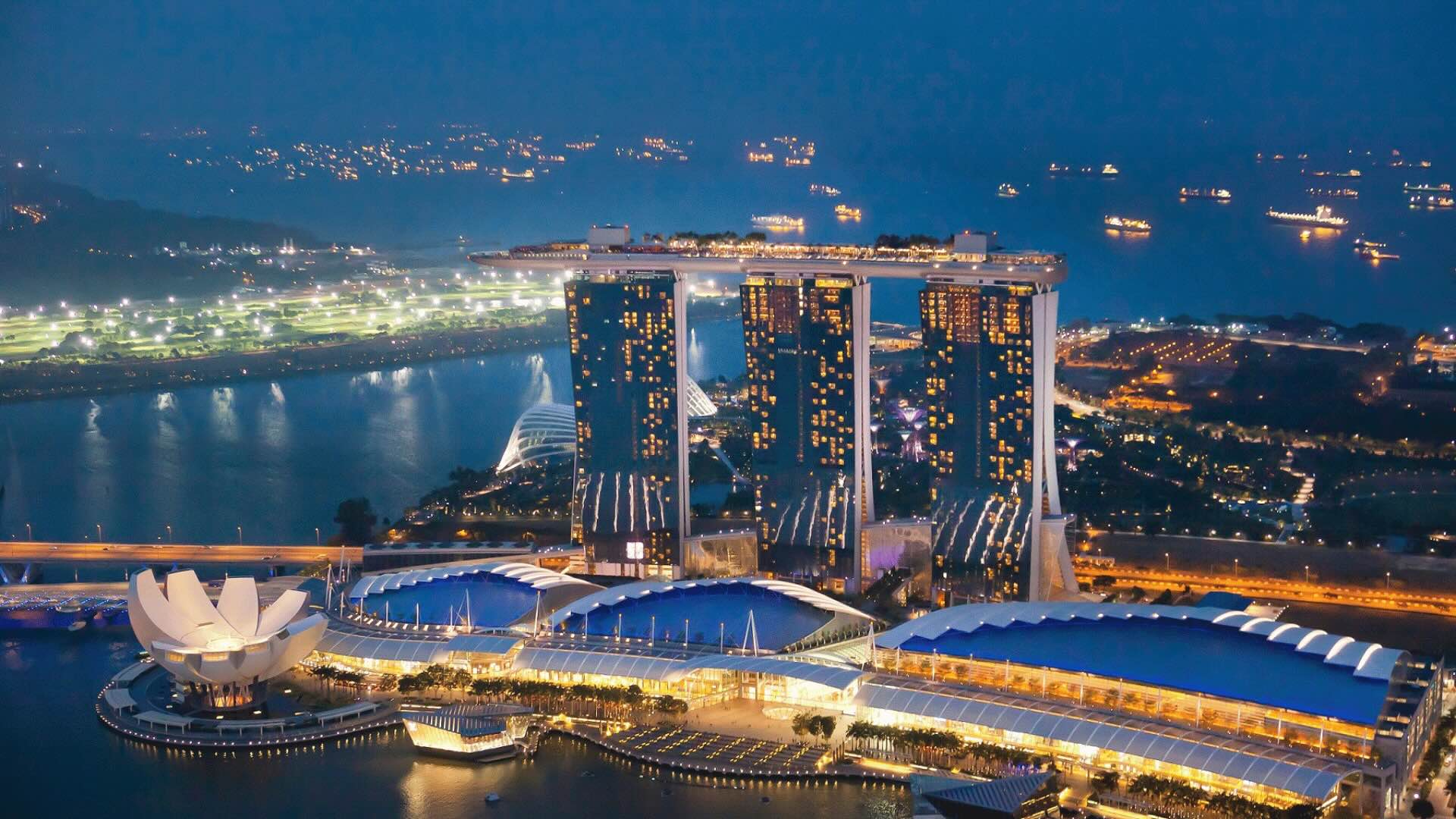
What makes Singapore special isn’t just its efficiency or scale — it’s the way street food sits alongside Michelin stars, heritage districts neighbour glass towers, and local designers share space with global brands.
With the right base and a plan that balances eating, arts, neighbourhoods and wellness, you can fit a lot into 48 hours here. But Singapore is more than a layover — it’s a cultural and culinary melting pot made up of Asia’s best bits.
Concrete Playground travelled to Singapore as a guest of Intercontinental Singapore.
Images: Visit Singapore