How to Decode a French Wine List (And Actually Know What You're Ordering)
French wine doesn’t have to be confusing. Here’s how to read a list, understand the regions and order a bottle with confidence.
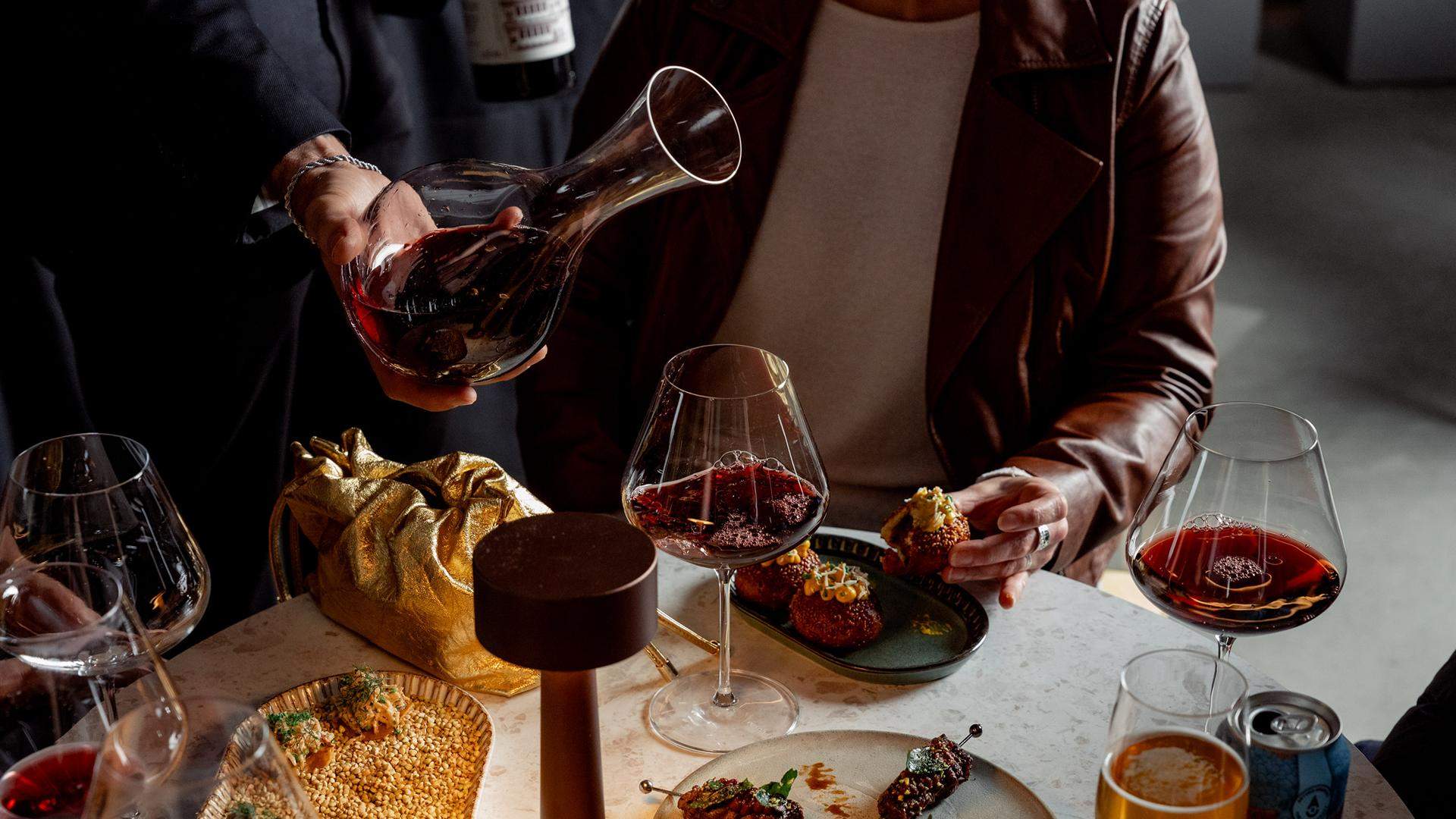
For years, French wine has carried a reputation that's both revered and, let's be honest, a little intimidating. Grand Cru? Appellation d'Origine Protégée? It can all feel like a secret language. But beyond the codes and classifications lies a truth worth rediscovering: French wine is less about labels and more about land. And today, a new generation of producers is making that land speak louder — with clarity, purpose and a surprising accessibility that's finally reaching Australian tables.
Read on for our guide to French wines, their Aussie lookalikes and what you should be drinking them with.

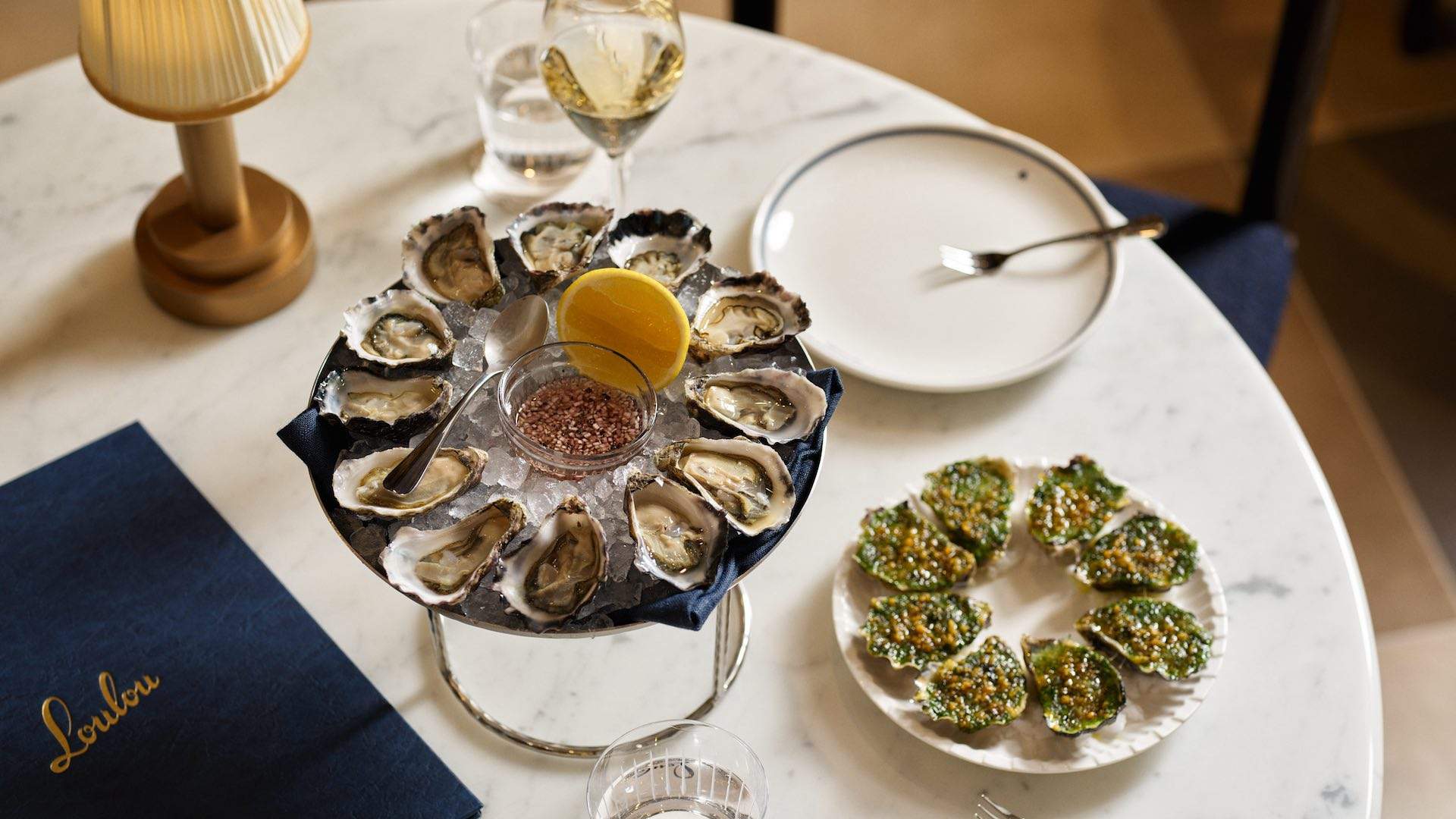
The Loire: Fresh, Crisp and Perfect With Seafood
Sauvignon blanc drinkers used to wines from the Adelaide Hills or Marlborough will find familiarity — and perhaps surprise — in the Loire's restrained, mineral expressions. Stretching from the Atlantic coast to the heart of central France, the Loire Valley produces some of the most food-friendly wines. It's one of the country's most diverse and dynamic regions, and one that pairs beautifully with Australia's seasonal, produce-driven cuisine.
Sancerre, Reuilly and Pouilly-Fumé offer crisp, flinty sauvignon blancs that elevate seafood, fresh cheeses and vegetables with vibrant acidity. Ordering oysters at a restaurant? Skip the sparkling and go for a Loire sauvignon instead — it'll slice through the brininess with razor-sharp freshness. Quincy adds a floral, zesty touch, ideal with grilled fish or salads. For reds, cabernet franc brings a lighter touch: bright-fruited, low in tannin and full of charm. Pair it with charcuterie, grilled vegetables or a Sunday roast chicken.
Parker Blain
Burgundy: Precision Rooted in Exceptional Terroir
Pinot noir lovers from Tasmania or the Mornington Peninsula will feel at home, but Burgundy adds a savoury depth that's worth exploring.
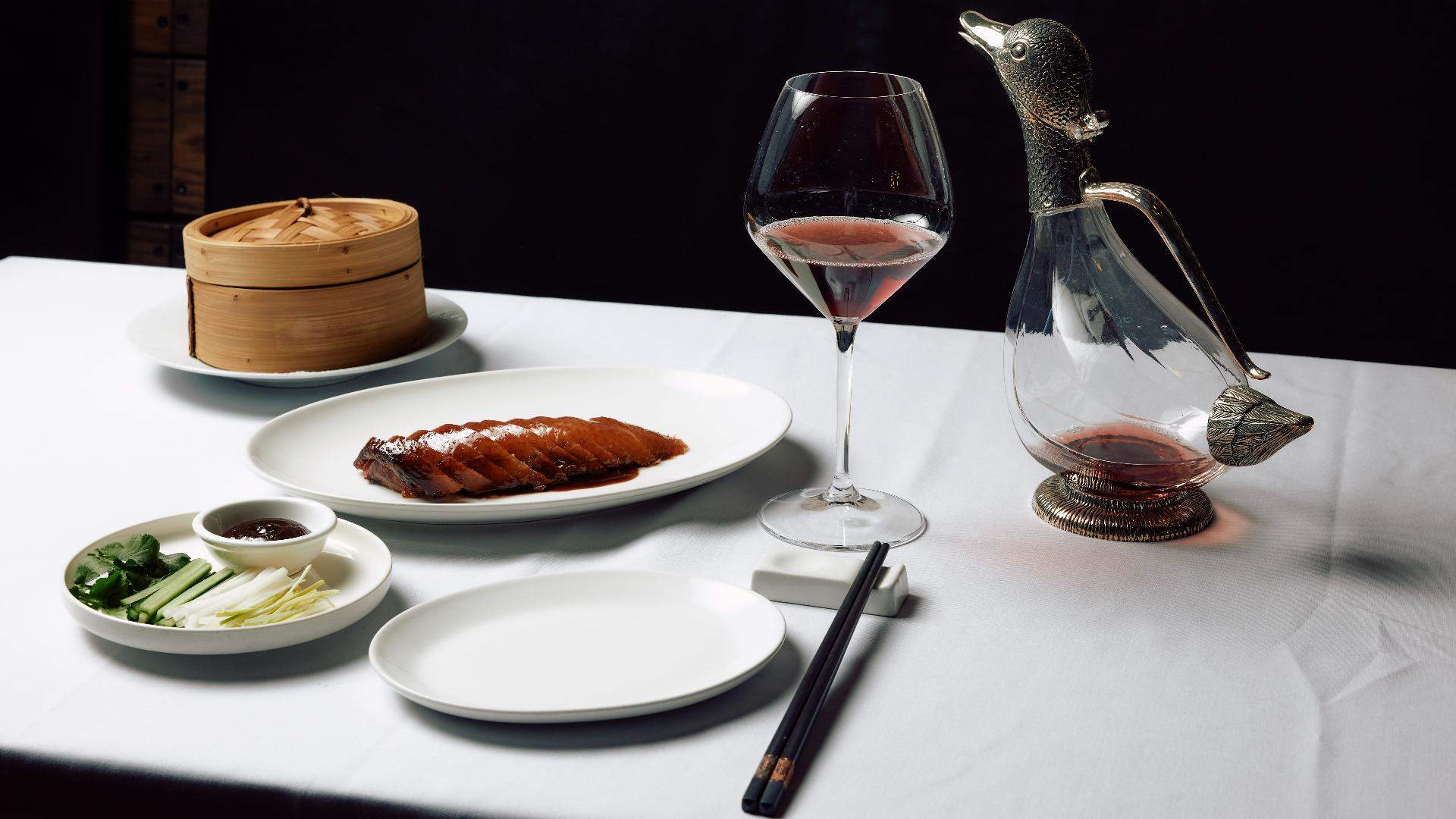
If Bordeaux built its prestige on boldness, Burgundy built its legacy on nuance. Here, pinot noir and chardonnay are the stars — two grapes Australians already know well, but in Burgundy they show another side. Pinot noir here is savoury, earth-driven and age-worthy. If you love Tasmanian pinot, you'll recognise the elegance but with less fruit and more mushroom, spice and forest floor. It's perfect with duck breast, mushroom risotto or soft cheeses such as brie.
Chardonnay shifts depending on its village — from steely and mineral in Chablis (picture it with freshly shucked prawns and grilled fish) to rich and nutty in Meursault (ideal with lobster, roast chicken or creamy pasta).
Kristoffer Paulsen
The Rhône Valley: Warmth, Spice and Balance
Fans of Barossa shiraz or GSM blends from McLaren Vale will find Rhône reds comfortingly familiar — but with lifted aromatics and distinctly European restraint.
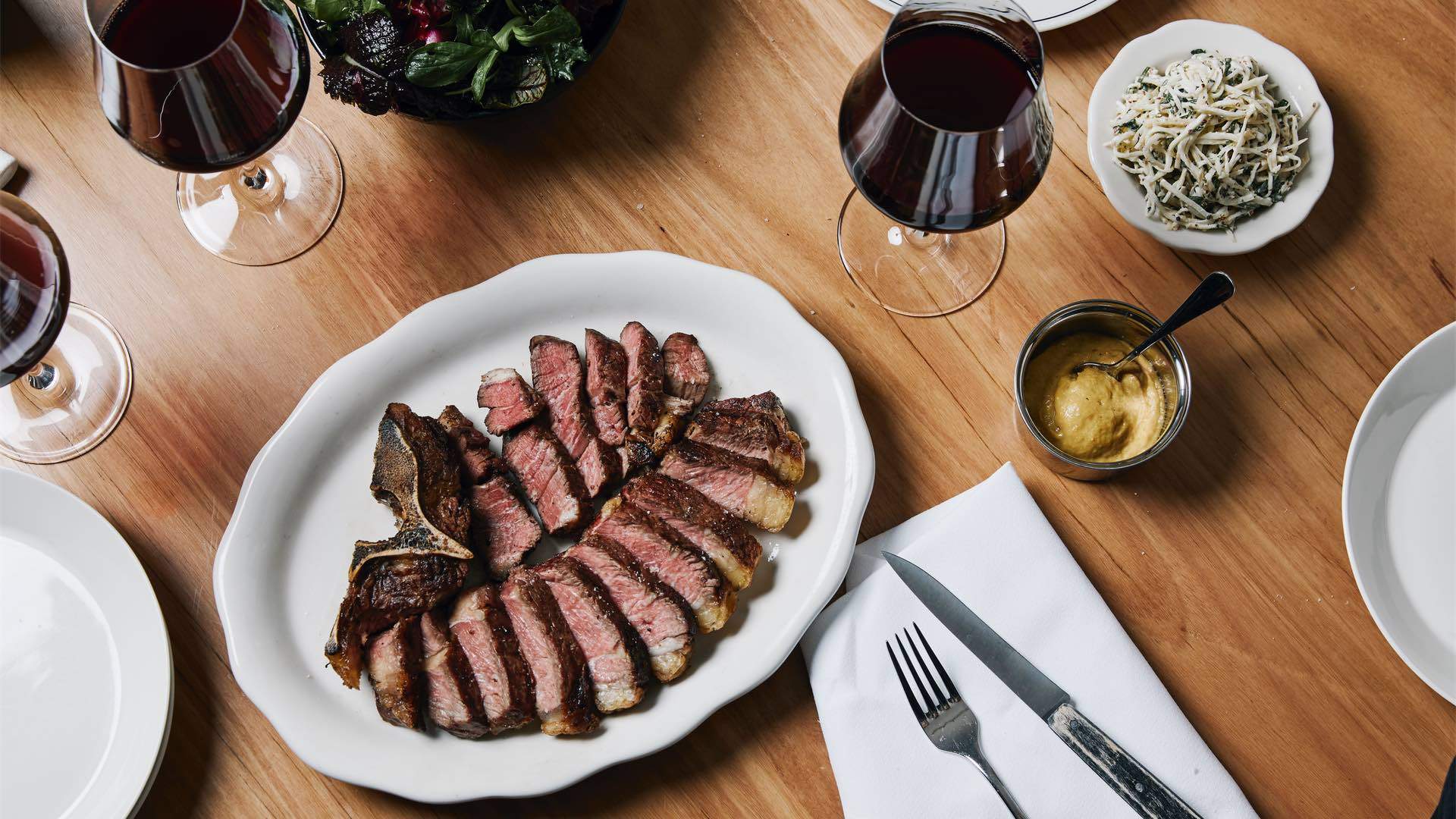
Stretching from Lyon to Avignon, the Rhône produces wines that feel instantly relatable to Australian palates: bold yet balanced, sun-drenched but structured. In the south, grenache-led blends like Châteauneuf-du-Pape offer layers of fruit, spice and silky tannins — perfect with chargrilled lamb or slow-cooked vegetables. In the north, syrah reigns supreme: savoury, peppery and elegant. If you love Barossa shiraz, it will feel like its leaner, spicier cousin. Pair it with beef fillet, venison, roast duck or smoky eggplant dishes.
Champagne: Beyond the Big Names
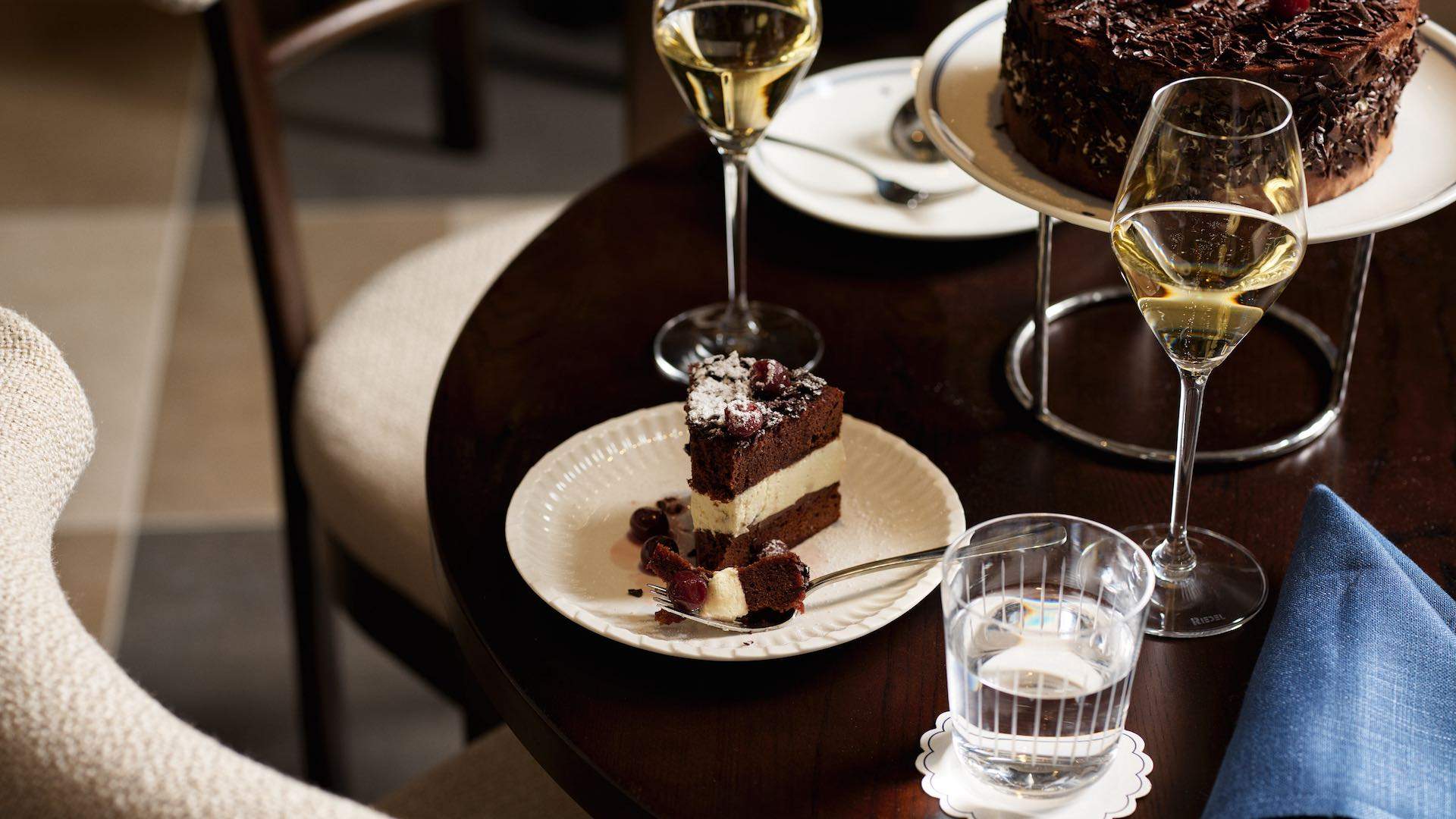
Champagne might be the classic aperitif, but in France, it's also a food wine. A glass of brut with oysters or tempura? Perfect. A bottle of rosé champagne alongside salmon, duck or a summer berry dessert? Even better.
Vintage champagne, made only in exceptional years, pairs beautifully with richer dishes like lobster, scallops or truffle risotto. Extra brut — bone-dry and precise — cuts through fried chicken or chargrilled seafood with ease. For Australians, the closest comparison is Tasmania's boutique sparkling scene, where grower champagnes offer freshness and complexity without the flash. If you normally reach for prosecco or Tassie fizz, try champagne in its many forms — brut for starters, rosé with mains or vintage for something special.
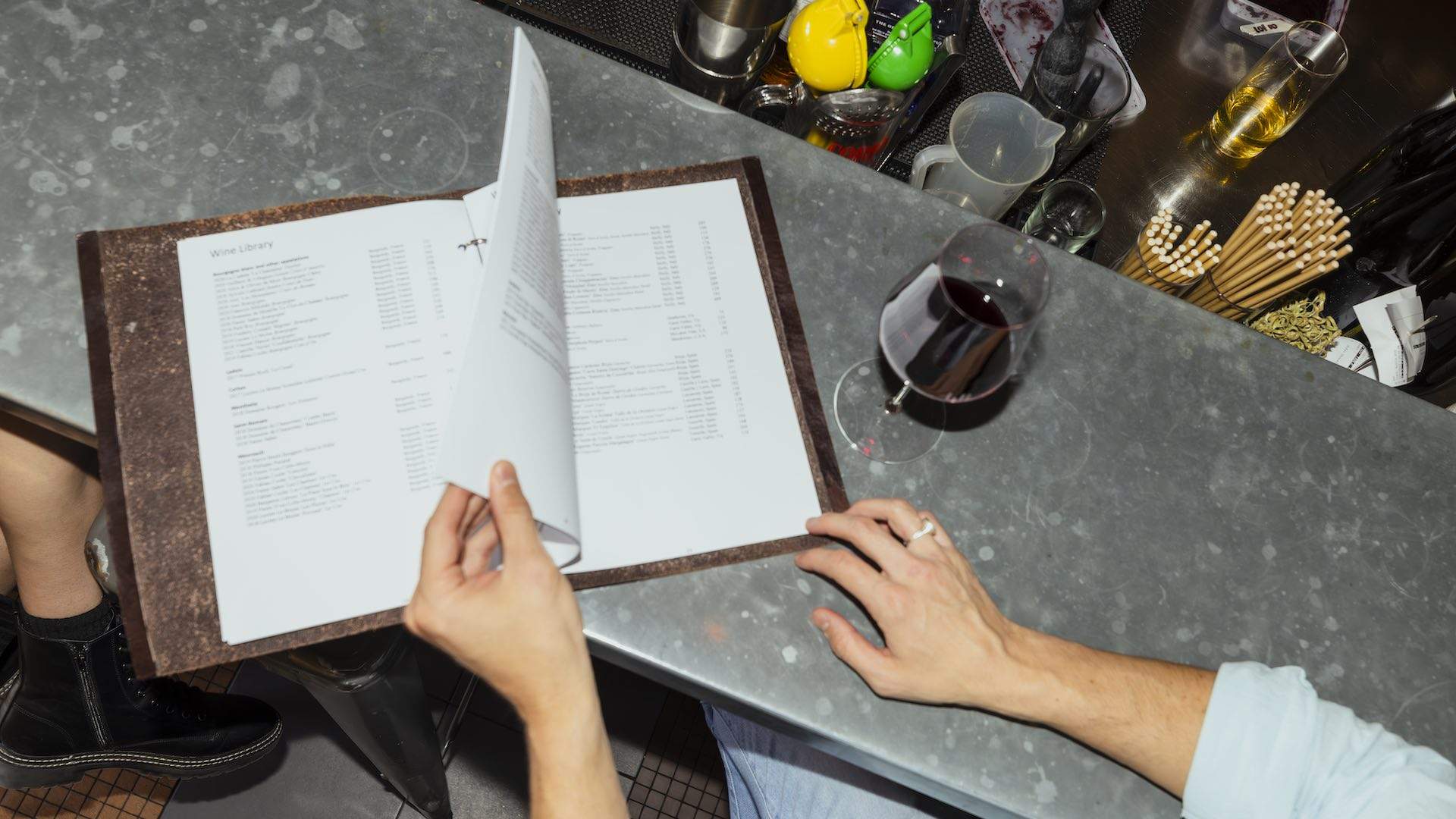
The renewed interest in French wine isn't about prestige — it's about connection. Just as Australians have embraced minimal-intervention wines from regions like the Adelaide Hills or Margaret River, they're now discovering that many French producers follow a similar ethos. While big names still dominate shelves, smaller importers are fuelling the renaissance.
One such importer is Aptent Gourmet, a Sydney-based team whose portfolio spans the Loire, Burgundy, Champagne and the Rhône — all chosen for their focus on small-scale, sustainable farming and wines that reflect people as much as place.
Ready to trial a French drop at your next dinner? Explore our favourite French restaurants in Melbourne and French restaurants in Sydney.
Images: Supplied


- Independent Cinemas with Interesting and Unexpected Screenings
- Hotel Bars That Even the Locals Should Know About and Frequent
- Galleries to Spend a Rainy Afternoon Wandering Around
- A Weekender's Guide to the Barossa Valley and Beyond
- Fish and Chips to Take Down to the Water on a Warm Evening
- Espresso Bars and Specialty Coffee Roasters to Start Your Day Right