Women Who Inspire Us: Liz Dawes OAM on Turning Unimaginable Loss Into Australia's Biggest Fight Against Childhood Brain Cancer
Thirteen years after her son Connor died at just eighteen, the founder and CEO of Connor's Run has helped make Australia a world leader in paediatric brain cancer research.
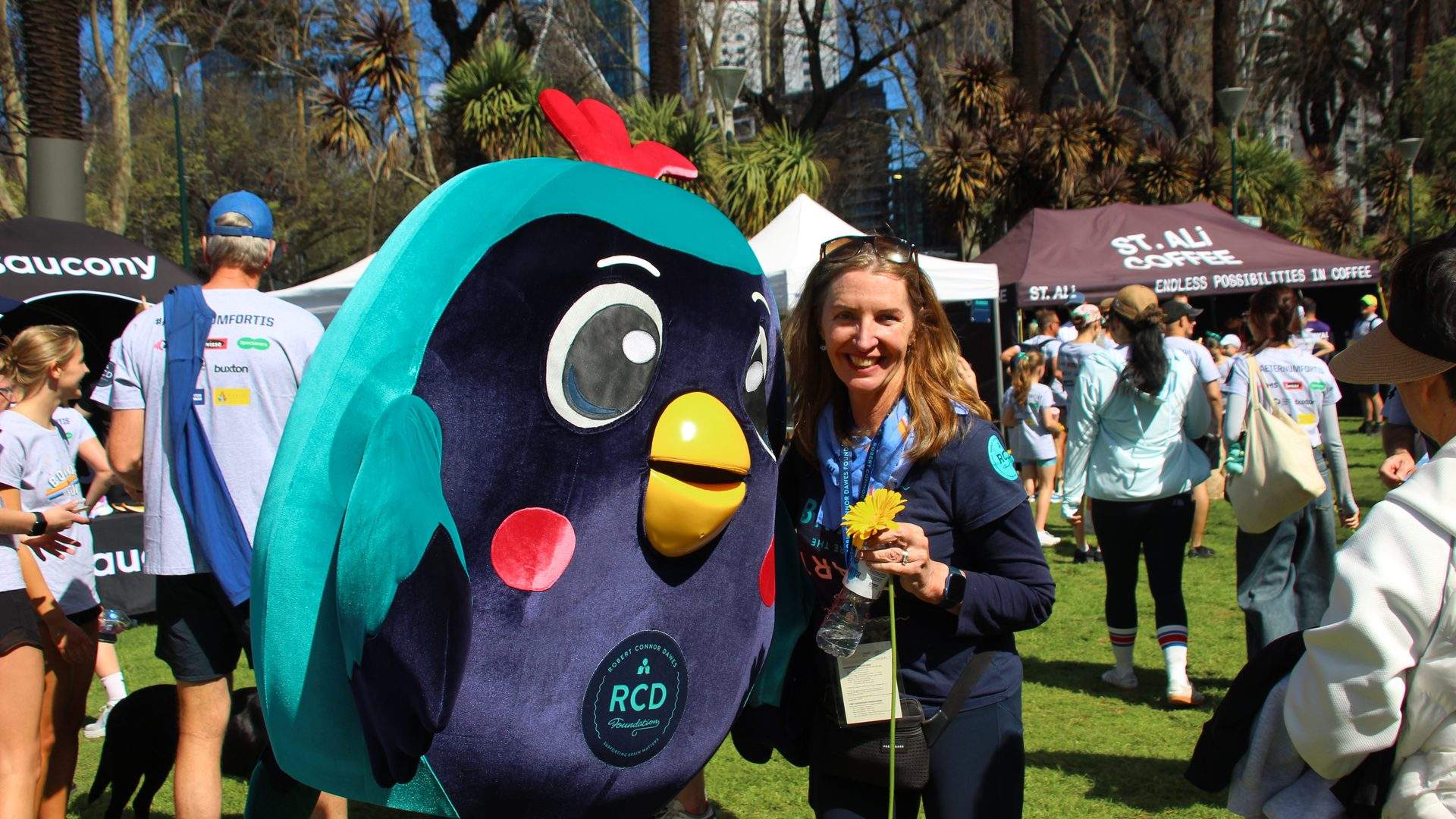
Liz Dawes OAM displays the kind of resilience we tend to mythologise: the parent who loses a child and turns unbearable grief into something universally redemptive. Dawes is the founder and CEO of the Robert Connor Dawes (RCD) Foundation, and the driving force behind Connor's Run — Australia's largest charity event dedicated to raising money for paediatric brain cancer.
Her son Connor was just seventeen — on the precipice of the rest of his life — when he was diagnosed with anaplastic ependymoma, an aggressive and rare form of malignant cancer. "Connor was a fascinating child — he was so bright," Dawes recalls. "Things just weren't hard for him; his brain was his future."
But in year 11, out of nowhere, that future started slipping. Connor's grades fell, his memory faltered, he was falling out of the boat during rowing training. Dawes and her husband took him back to the GP again and again. "He just became increasingly unwell in ways we couldn't really understand," Dawes says. "Some GPs never diagnose a brain tumour — it doesn't show up in blood."
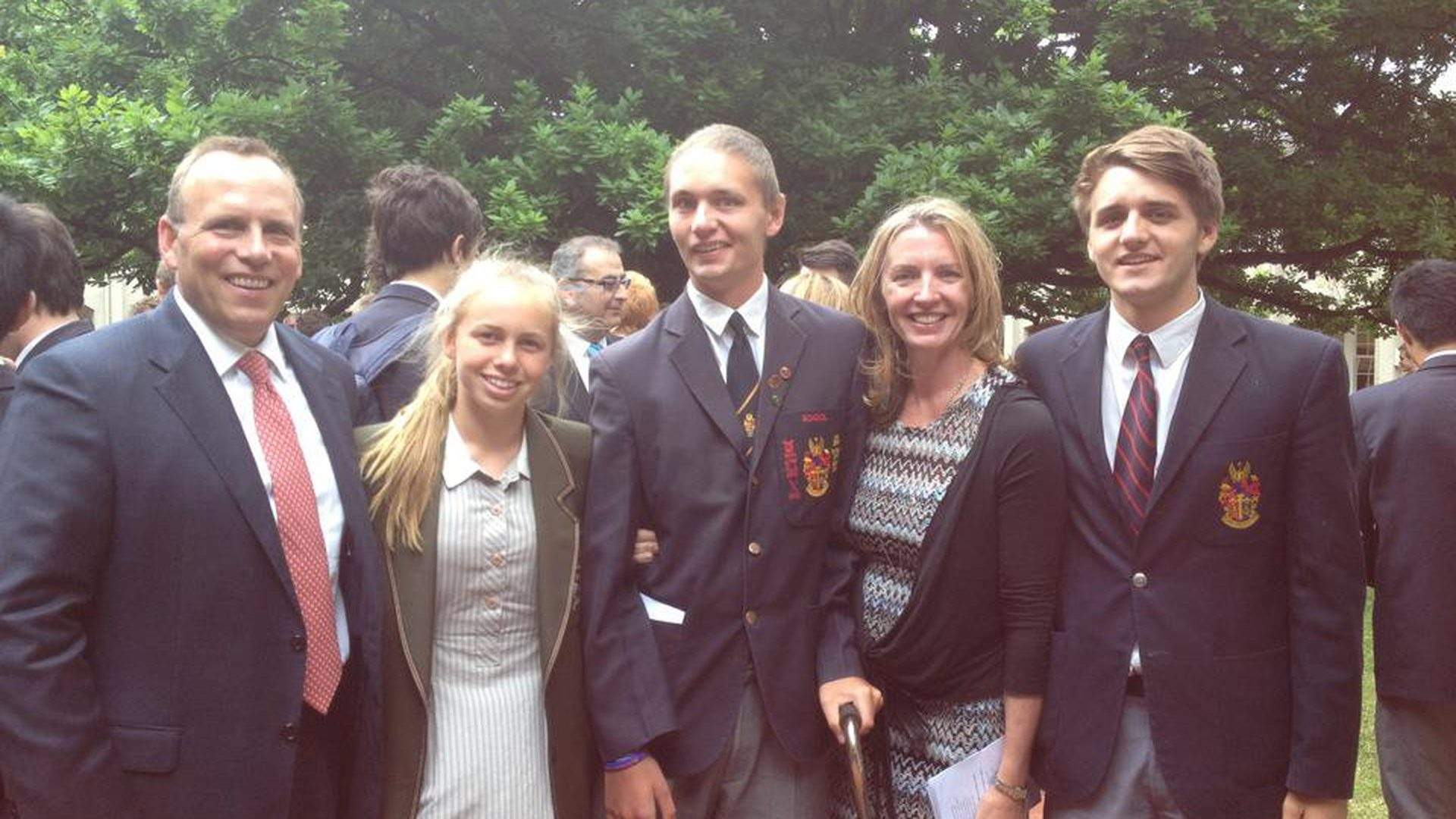
The eighteen months that followed Connor's diagnosis saw him shuttled between Peter Mac, the Alfred and St Vincent's for radiation and chemotherapy over six-week stretches. "I used to say, Connor, you're like Humpty Dumpty — everyone's trying to put you back together again."
It was during six weeks of radiation that the seeds of what would become the RCD Foundation were sown. A five-year-old girl was on the same schedule, with her own father in tow, and Connor couldn't bear it. "He could not bear that this little girl had a brain tumour like him — it literally distressed him," Dawes says. "And I was numb to her. I was only worried about him." When Connor died in April 2013, that little girl was the reason the foundation's answer became children.
"I thought Connor would want us to help kids," she says. "That's something I've never regretted." Weeks after the funeral, Connor's younger brother remembered something: Connor, who hated running, had once run home to the boat sheds on a whim, a few months after his diagnosis. "That was the genesis," Dawes says — and Connor's Run was born.
The foundation's structure was based on her son's initials — RCD (Robert Connor Dawes): Research, Care and Development. In the wake of his death, Dawes spent close to a year travelling the world, asking fundamental questions. "What is being done for kids with brain cancer in this country? Who's in charge? Who's setting the policy, the strategy?"
View this post on Instagram
What she found, eventually, was ANZCHOG — the Australian and New Zealand Children's Haematology Oncology Group. "All the nine children's cancer hospitals have a representative," she says. "Brain and spine — great." She's been engaged with them ever since. "We've helped double the number of brain cancer clinical trials under way," she says. Money, she decided early, would never be spent just to feel good. "We're not going to cure brain cancer for $50,000," she says of that first run's takings. "I wanted to make sure that if people were handing us $50, $100, $1,000, it had to have impact."
The clearest example of that impact is the AIM Brain project. "There was a lovely man from St Jude's in the US, here for a meeting, and he loves cricket, so we took him to the MCG," she says. "At that lunch I said, what can we do? And he said, you have to bring DNA methylation profiling for kids' brain tumours to Australia. They used to look through a microscope at the tumour. With this technology, you learn far more about the tumour type." Without it, he told her, Australian kids risked being locked out of future brain cancer clinical trials.
The RCD Foundation drove the project for seven years, with Carrie Bickmore's Beanies 4 Brain Cancer and the federal and Victorian state governments also contributing funding. It is now a fully accredited, standard of care test in Australia. "It can change diagnosis and subsequent treatment options in up to 30 percent of cases," she says.
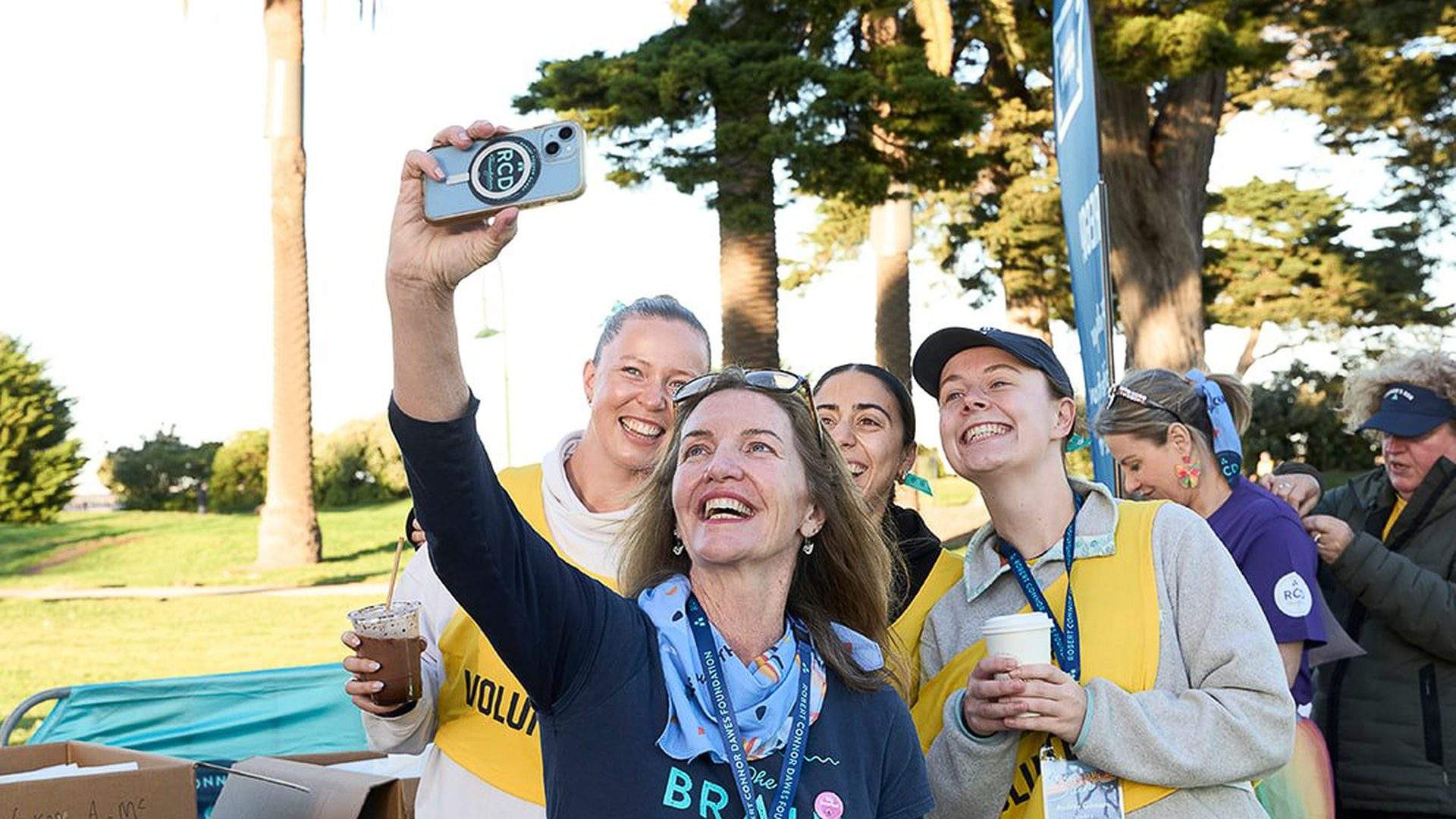
There's more in motion. "We have funded a laboratory project to design and develop methods for making personalised mRNA vaccines for kids with brain cancer," Dawes says. "This has informed parts of a clinical trial to test mRNA vaccines for seventy Australian children with difficult-to-treat and recurrent brain tumours. Is this going to be a cure for all? No. But we know with brain cancer there is no silver bullet, and it will be a combination of different therapies. This will hopefully, if successful, be another therapy in the arsenal against this terrible disease."
The other piece of the puzzle the RCD Foundation is helping to unlock is linking an individual child's health data in a central place from a number of different hospitals using different systems, to accelerate research and eventually help inform clinical decisions. "We are starting with three children's hospitals in a pilot study, focusing on linking each child's images, like MRI scans, with their clinical record information," she says. "It's massively complicated, but will have a big impact once complete."
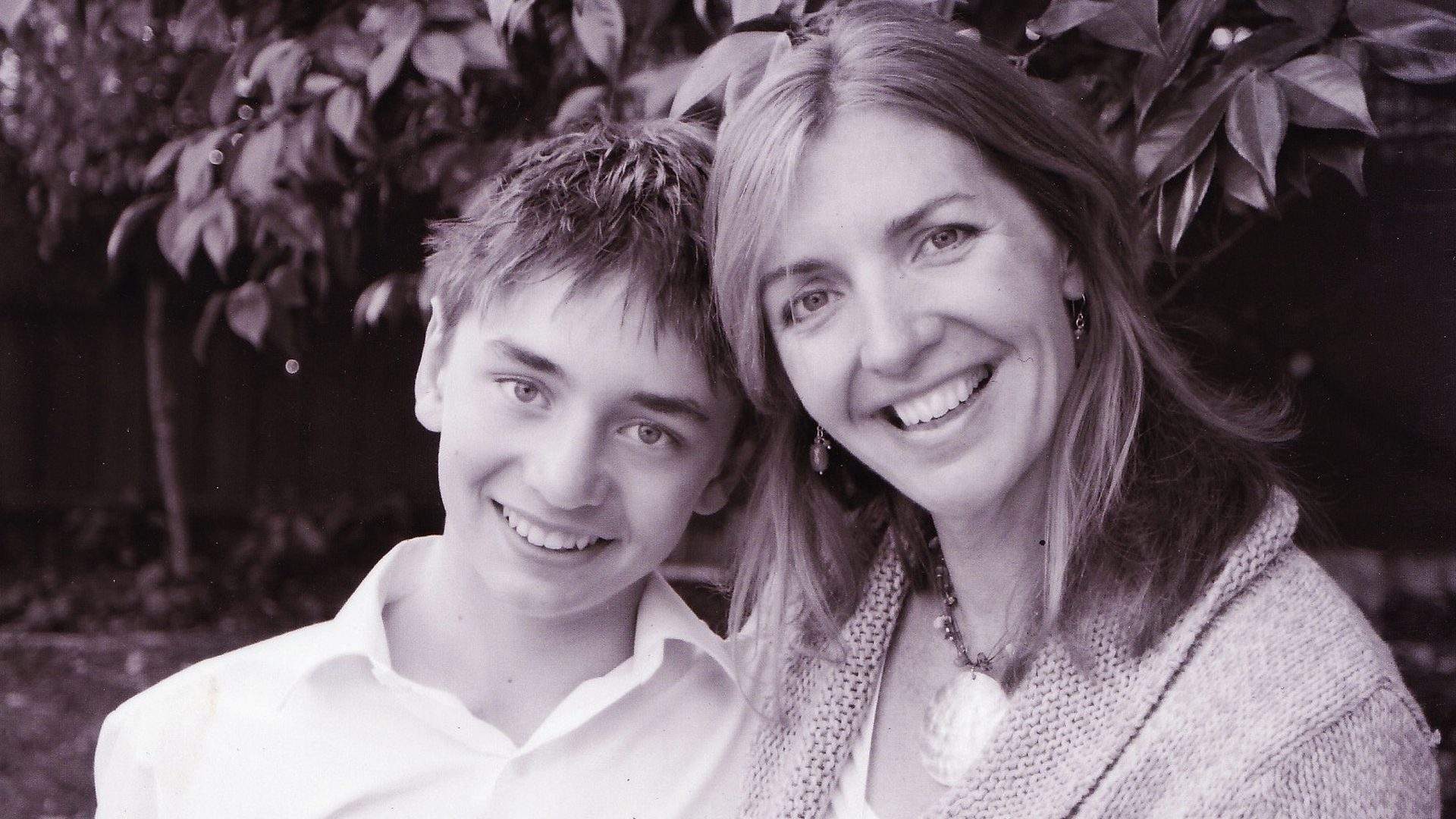
Ask Dawes what any of this has to do with grief, and she doesn't pretend the two have separated. "Every day I'm processing Connor's grief," she says. "I feel like it's a weather pattern. I'm going through a hard couple of days, or weeks, and I do tend to get myself refocused, re-energised. Being Connor's mom brought out the very best in me, and what we've achieved feels like the clearest manifestation of that," she says.
Held every September in Melbourne — this year on Sunday, September 13 — Connor's Run draws more than 5,000 people to walk, jog, dance or wheel their way through Bayside, with more than fifty families affected by a child's brain cancer diagnosis registered to take part for free. "These two weeks before Connor's Run, I always feel like it's my Christmas," Dawes says. "It brings out the best in people; I'm happy that we've given these families a vehicle to help celebrate their person."
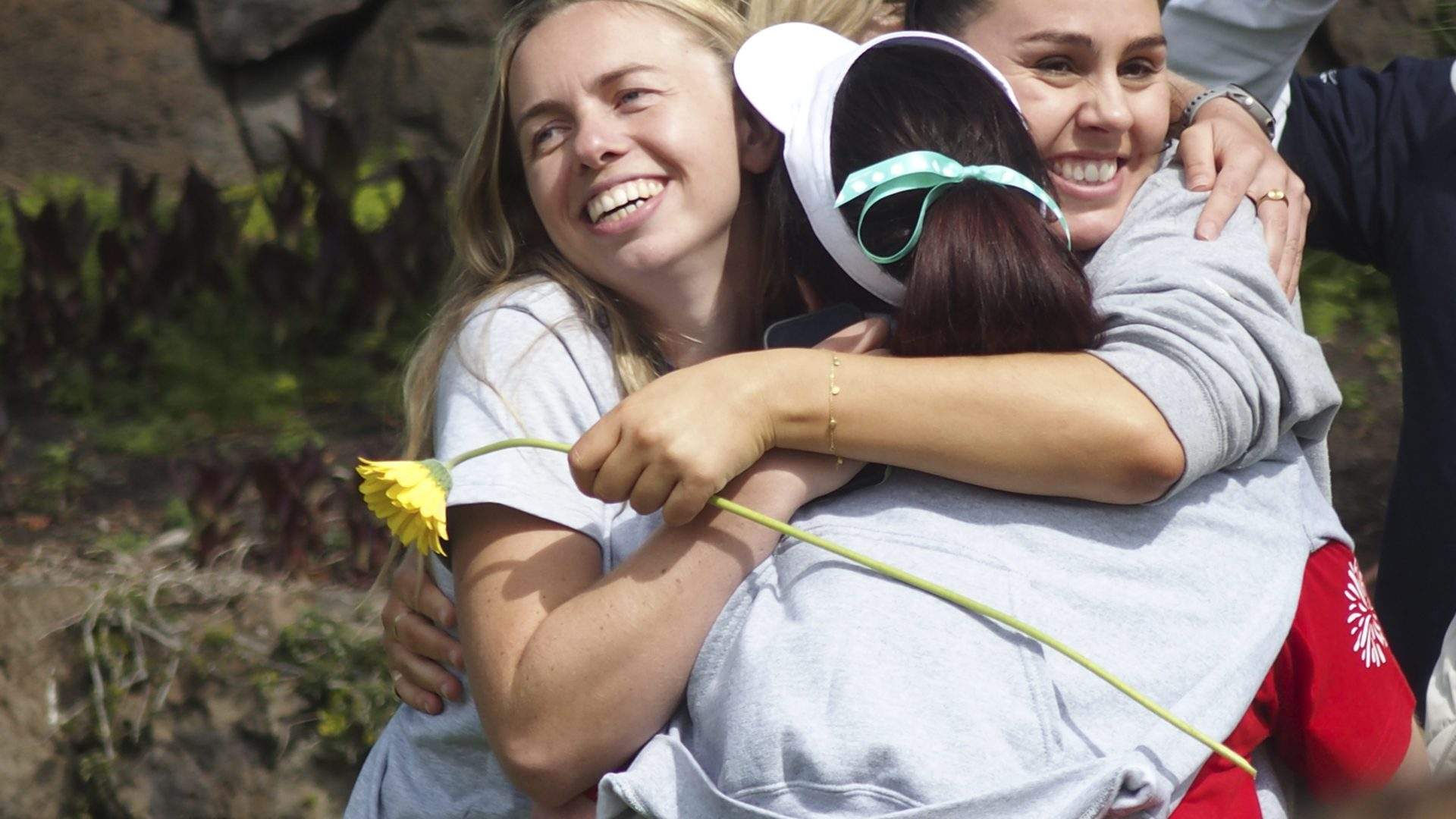
What began as a single Sunday that raised $50,000 has become Dawes's life's work. She and the RCD Foundation have personally raised in the order of $22 million since 2013 — a figure she expects to tip past $23 million once this year's run is done.
Find out more about the Robert Connor Dawes Foundation and register for Connor's Run, held in Melbourne on Sunday, September 13.
Images: Supplied by the Robert Connor Dawes Foundation