This Just In: Victoria's Free Public Transport Won't Be Extended — Despite a Continuing Fuel Crisis
Halfway through the free transport period, experts and residents want to know what's next from the Allan government.
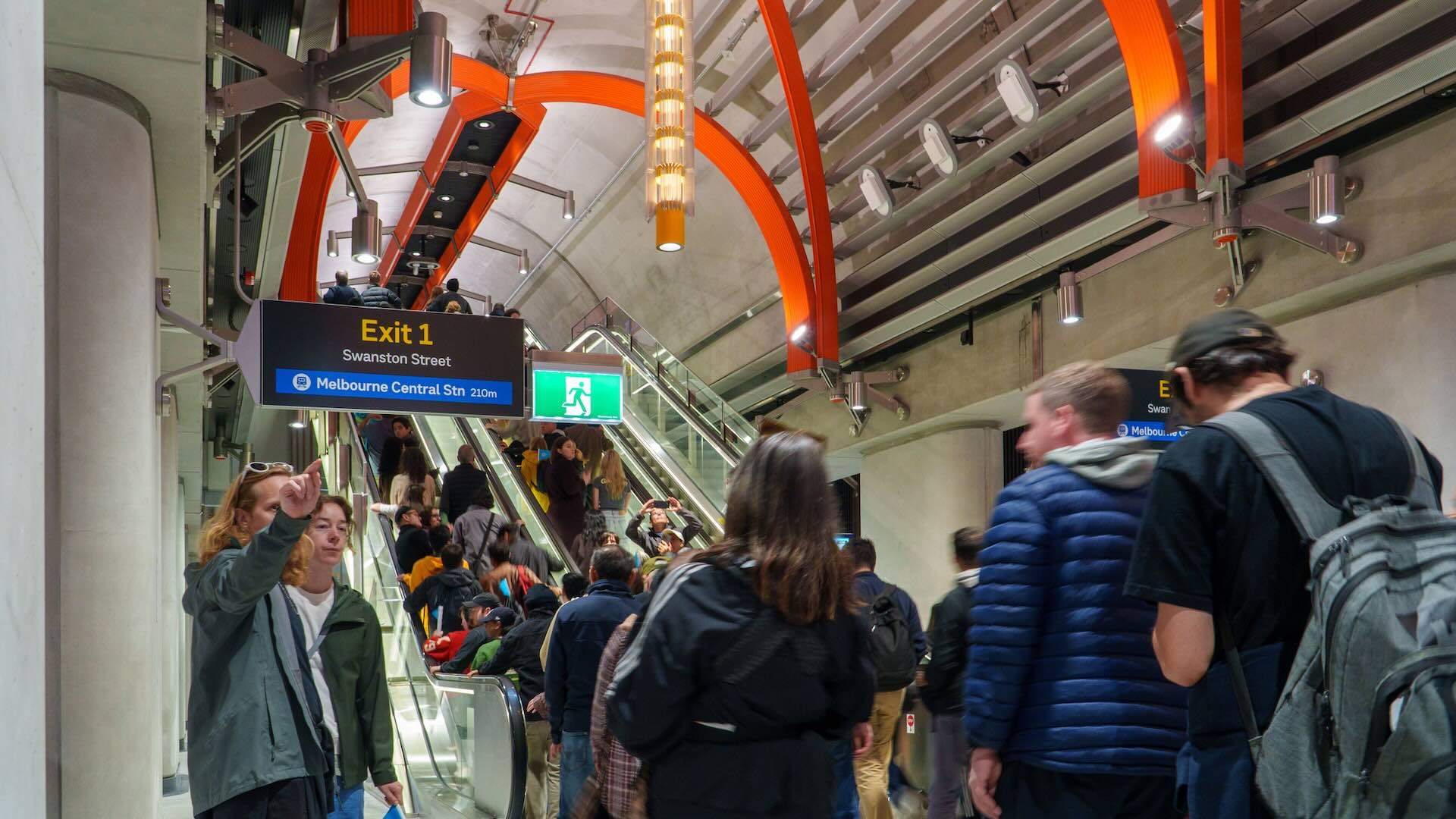
As the ongoing conflict in the Middle East and ensuing fuel shortage spirals through developments, with no clear end in sight, the impacts are going to be felt in Australia and around the world for months to come. In Victoria, commuters are currently enjoying a hefty compensation: a whole month of free public transport, but that month is going by fast.
Despite the consensus that the eye-watering prices at the pumps will continue for months on end, Premier Jacinta Allan is unlikely to renew the discounts come May, unless stockpiles become dangerously low. When announcing the plan in February, the Allan government confirmed the free period would cost the state government $71 million in lost revenue.
View this post on Instagram
While many Melburnians are enjoying the free transport, taking the opportunity to explore the destinations accessible via the regional rail lines, commuters have also been battling capacity woes as demand from former drivers strains peak-hour travel to its breaking point. John Hearsch, President of the Rail Futures Institute, told the Herald Sun that Victoria's transport network simply isn't built to sustain a sustained surge in passengers, saying, "I can understand why the government has done it but it hasn't necessarily been a good thing for everyone, especially passengers on regional lines."
Then there's the long-term fallout of a revenue loss for a state government that's already in debt. As reported by Sky News, analysts are warning that the Victorian government's spending habits could pour fuel on the cost-of-living fire.
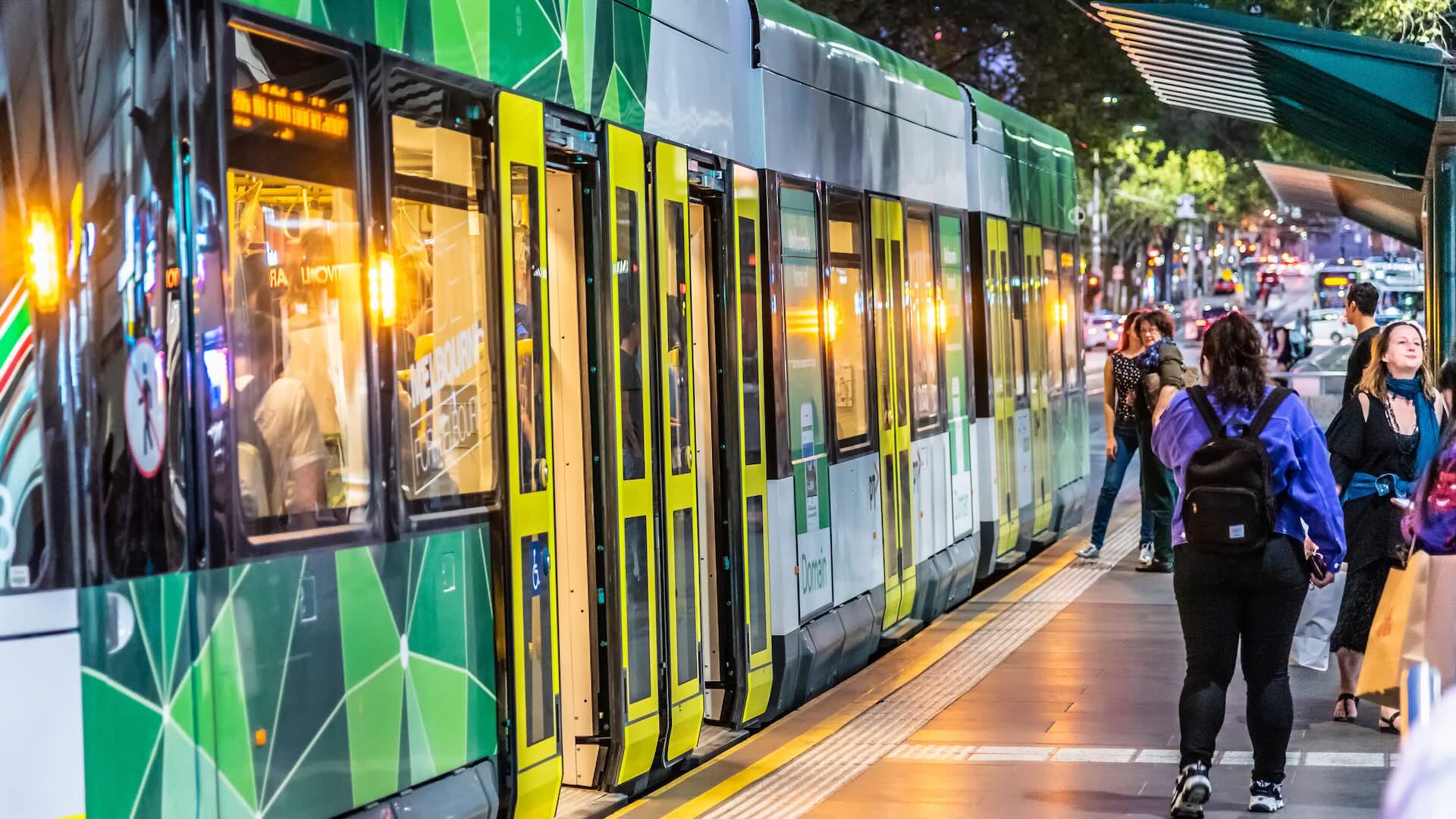
Adam Calaitzis Photography
Analyst John Walker told Business Weekend that the support spending is "actually going to add more demand to the economy. What we're seeing from the Reserve Bank is the opposite. They're trying to pull out demand so there is a little bit of tension here between fiscal policy and monetary policy."
The Reserve Bank is still targeting the 2-3 percent inflation band, but factoring in the already high rates pre-fuel crisis, another hike from next month's meeting could tip it as high as 4.35 percent.
The wider Australian economy is straining too, and it's already been warned that oil prices could play a major role in triggering a recession, with federal Treasurer Jim Chalmers revealing last month that inflation could push 5 percent by year's end — impacting cost of living prices for as long as the next three years.
Like what you see? Subscribe to the Concrete Playground newsletter to get stories just like these straight to your inbox.


- A Weekender's Guide to the Barossa Valley and Beyond
- From Cosy Mysteries to AI-Era Satire: The Best New Australian Books to Curl Up With This August
- The Best Australian Shoe Brands to Know Right Now
- The Best Places to Take Your Dad This Father's Day in Melbourne
- The 17 Best Facials and Aestheticians in Melbourne
- Where to Find the Best Pizza in Melbourne for 2026