The 2026 Federal Budget Is Shaking up Negative Gearing and Capital Gains Tax — And First-Home Buyers Might (Finally) Catch a Break at Auction
Tonight's federal budget is set to confirm the biggest changes to negative gearing and the capital gains tax discount in decades, and they're aimed at the investors who've been outbidding first-home buyers at auction.

The dream of home ownership has been quietly slipping out of reach for a generation of Australians, and the 2026 federal budget has just moved to change that. Treasurer Jim Chalmers' budget speech confirmed a sweeping overhaul of negative gearing and the capital gains tax (CGT) discount — two tax breaks that have shaped the Australian property market for more than two decades — alongside a new minimum tax rate on capital gains. The government estimates the changes will help around 75,000 Australians achieve home ownership.
From July 2027, negative gearing will be limited to newly built homes, and the 50 per cent CGT discount will be replaced with inflation-adjusted indexation — what Chalmers described in his budget speech as a way to "restore the taxation of real gains." Both changes apply prospectively, meaning existing property investors will be grandfathered into the current arrangements. New builds will also retain the option to use the existing 50 per cent discount, as a sweetener to keep investment flowing into fresh housing supply.
There's a less-flagged piece in the package: a new minimum 30 per cent tax rate on capital gains kicking in from July 2027, with the same minimum rate extending to discretionary trusts from July 2028. The change applies across asset classes — meaning the reforms reach well beyond residential property into the wider investment market.
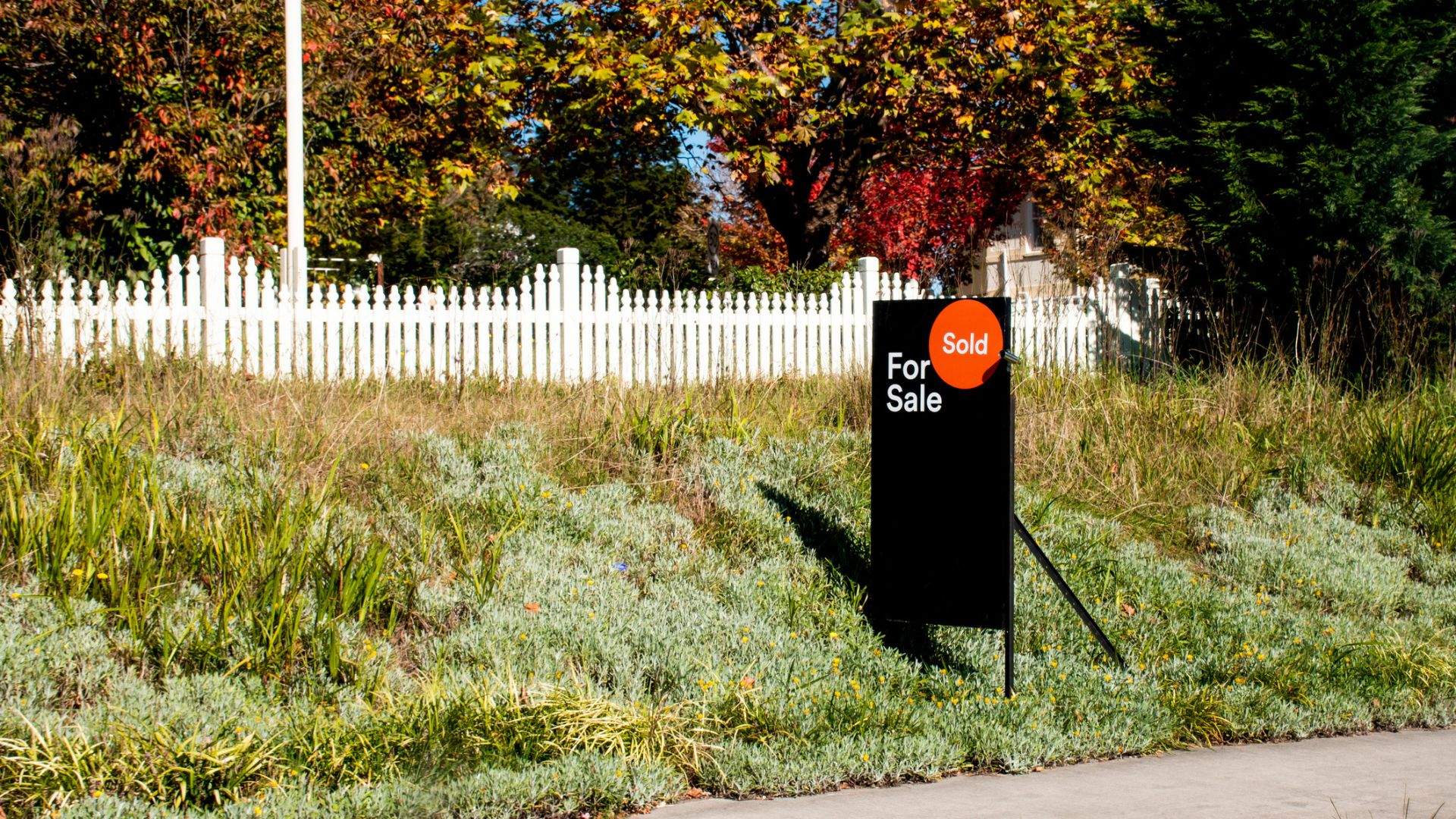
In his speech, Chalmers framed the changes as long overdue. "Since 1999, house prices have risen over 400 percent, more than twice as fast as average incomes," he said. Earlier in the day, the Treasurer told reporters in Canberra that "the status quo in the housing market and in the tax system is not working for too many Australians."
So what does it actually mean if you're trying to buy your first home? Senior economist Saul Eslake told the Nine Network's Today show that the changes weren't a "magic bullet" but could "remove some of the competition" young homebuyers are facing. Eslake said 80 percent of lending to property investors currently goes to existing homes, where investors are "effectively outbidding homebuyers and therefore forcing them to rent." A Parliamentary Budget Office analysis cited by the ABC found 80 percent of CGT discount benefits flow to the top 10 percent of salary earners, while 60 percent of negative gearing benefits go to the top 20 percent.
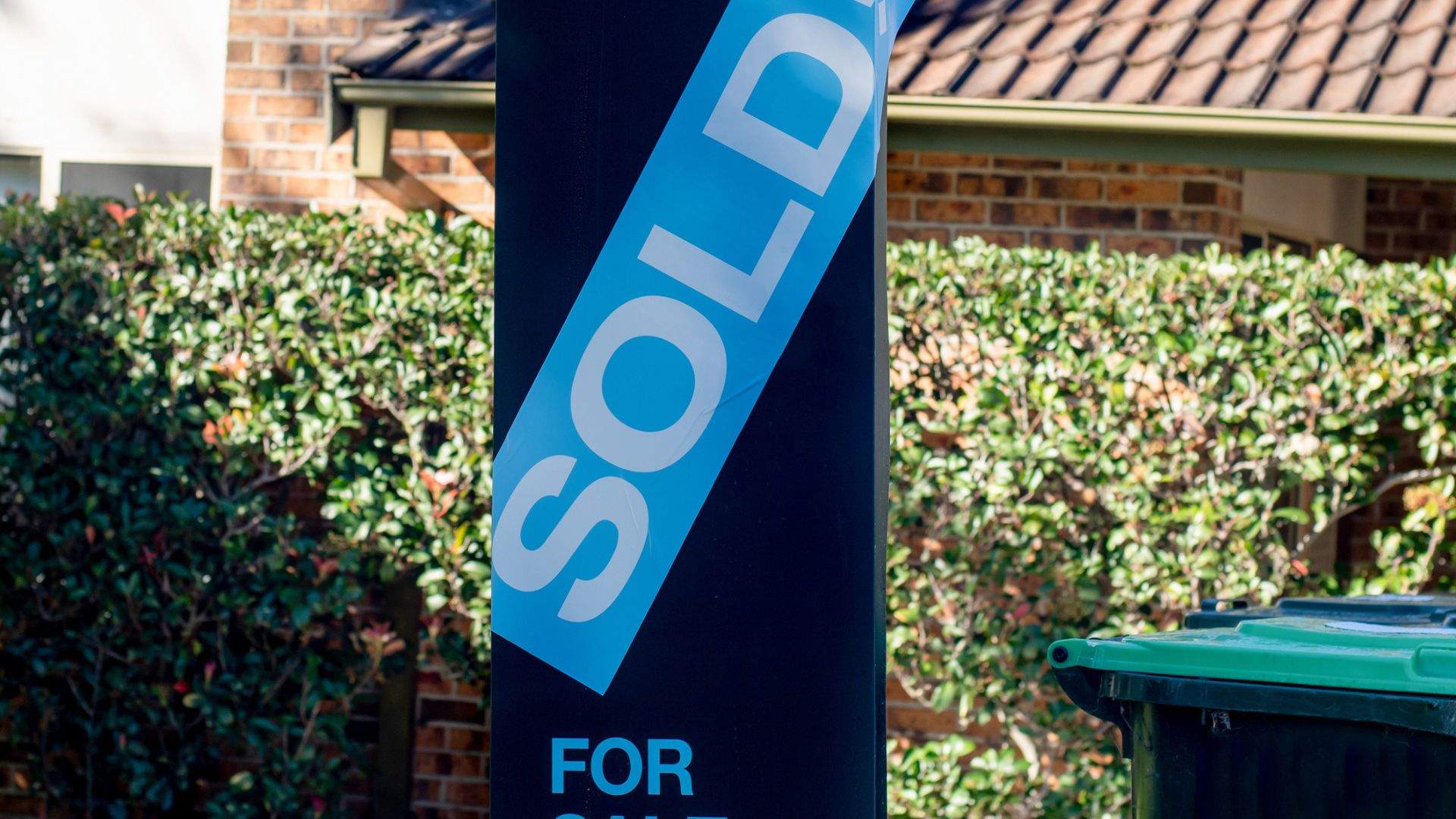
Not everyone is convinced. At a news conference reported by the Guardian, Shadow Treasurer Tim Wilson said "the Australian people have woken up to the new taxes on the self-starters of this nation", accusing the government of breaking its election promise not to touch negative gearing.
The budget also includes $2 billion for councils and state utility companies to deliver the roads, pipelines and wires needed to support construction of 65,000 new homes over a decade. The full 2026 federal budget is now available, with the new property tax rules taking effect from July 2027 — giving would-be investors just over a year to act under the existing rules.
Lead image: TBC — editor to source.
Like what you see? Subscribe to the Concrete Playground Newsletter to get stories just like these straight to your inbox.