Giving TV the Type of Raw, Authentic, Relatable and Hilarious Sitcom That You've Always Wanted to See: Kat Sadler Talks 'Such Brave Girls'
The first season of this British gem won two BAFTAs — and the second draws upon that tick of approval to "be more brave and confident".
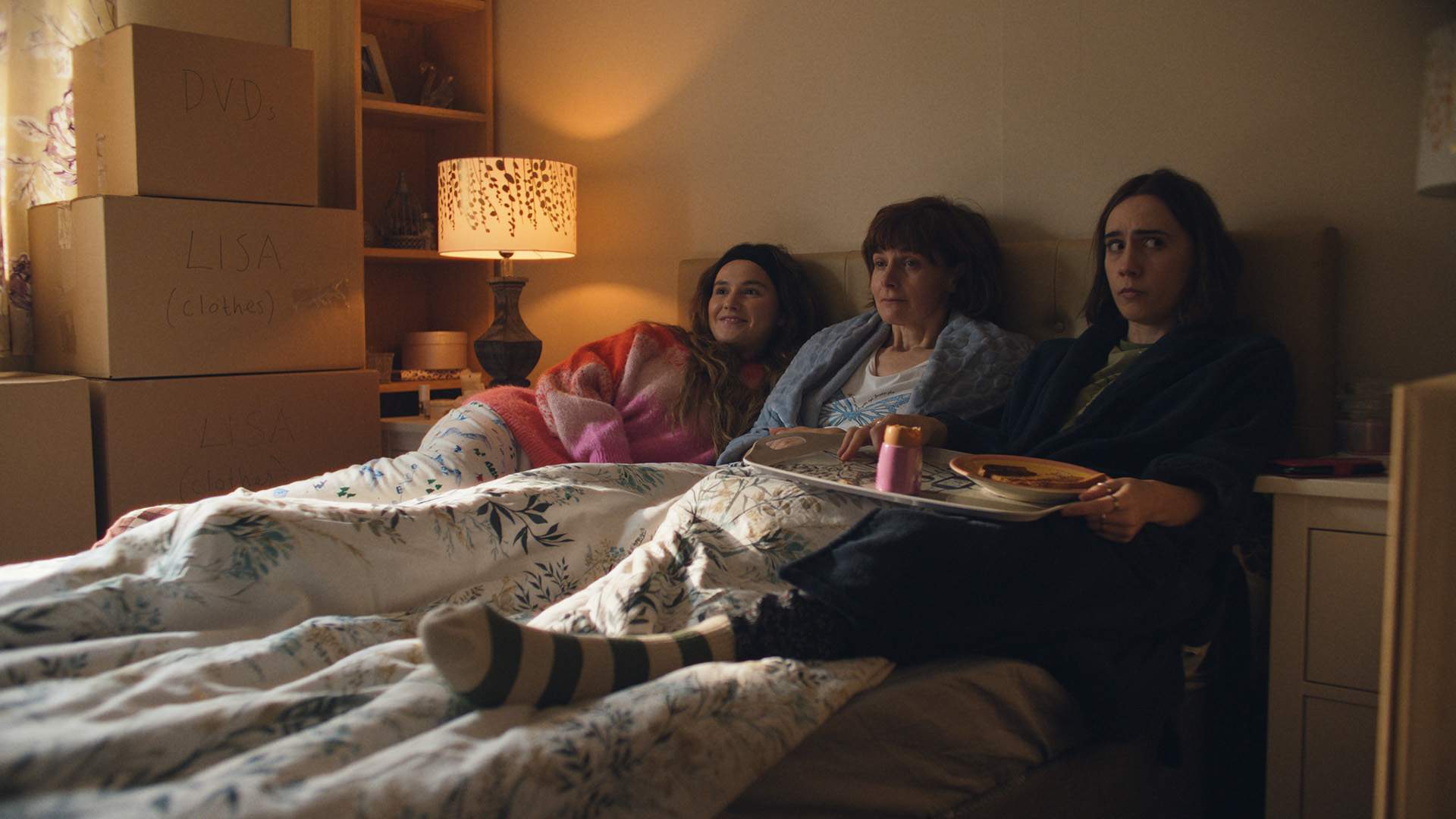
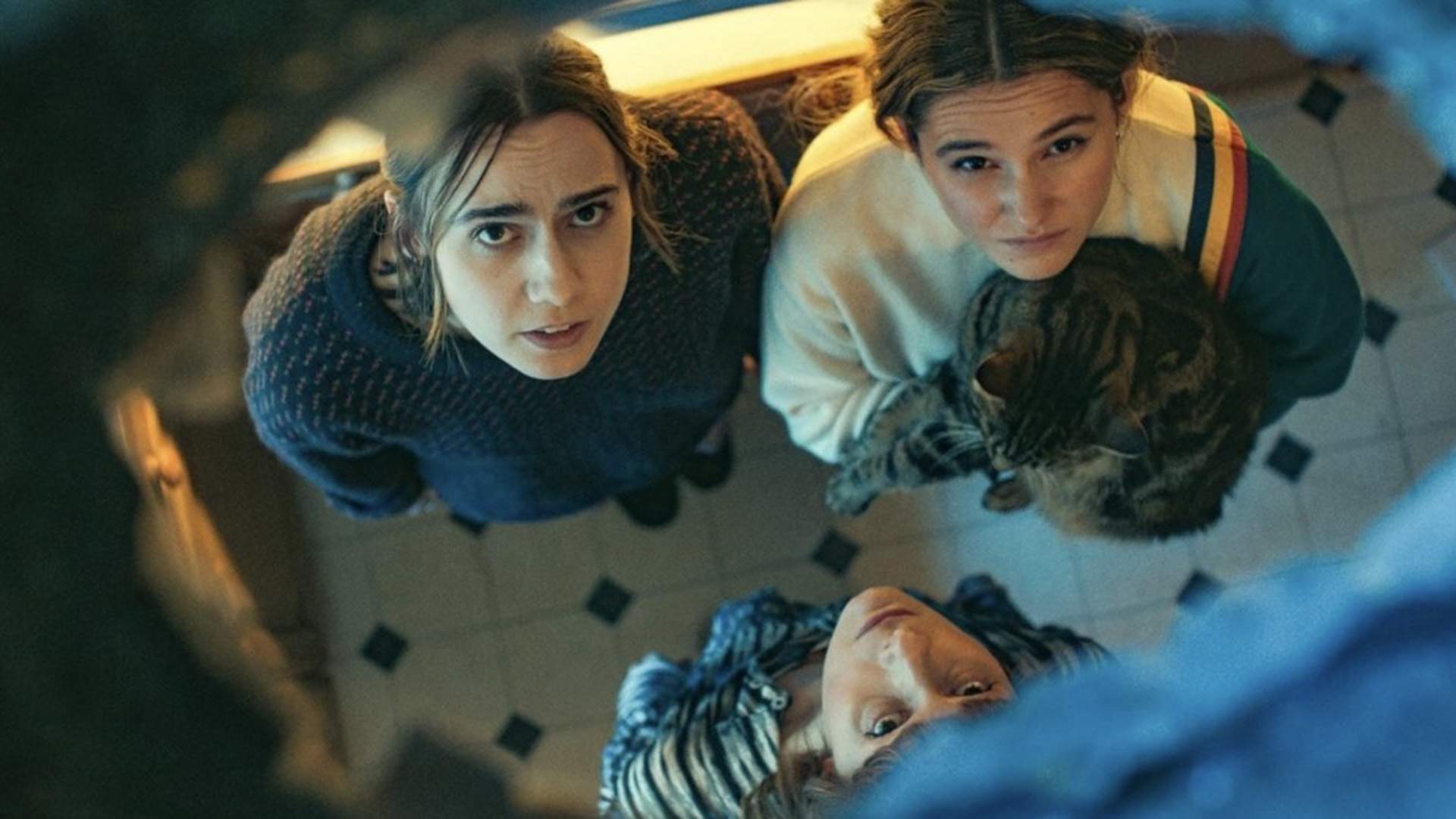
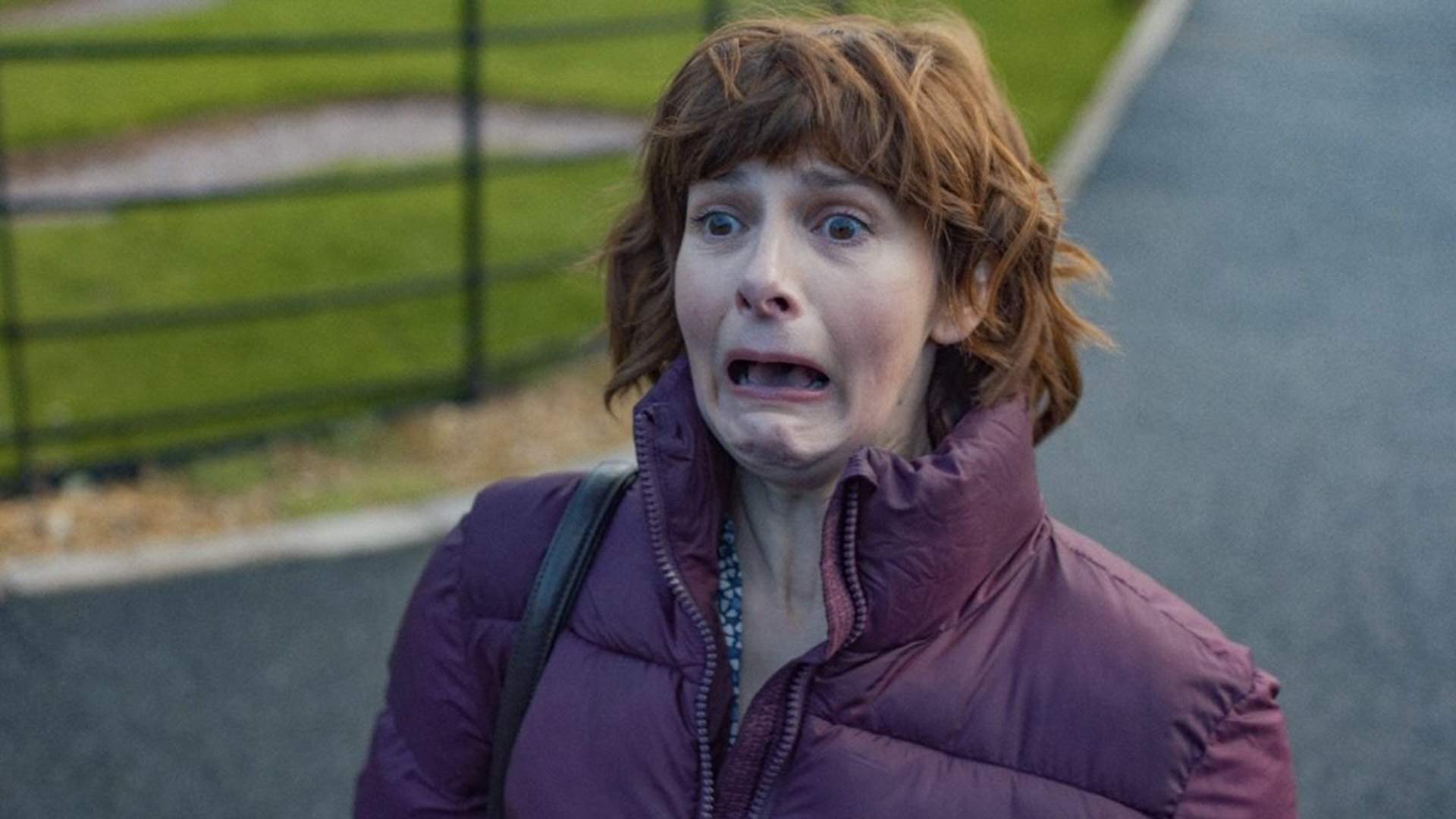
Only watching a single scene, merely a few minutes or just a sole episode of Such Brave Girls is impossible. With its blisteringly frank and hilarious first season in 2023, and now with its equally raw, authentic and side-splitting second run in 2025 — both streaming in Australia via Stan — letting instalment after instalment roll while binge-viewing is the natural response to pressing play on this British sitcom about three adult women in a dysfunctional family. That said, there's a line in the show's second season that couldn't sum it up better, even if you were to only ever hear one piece of dialogue from the Kat Sadler-created series. "Your mouth's doing the right thing, but your eyes are trying to call the Samaritans," Josie, her on-screen alter ego, is told when she cracks a smile.
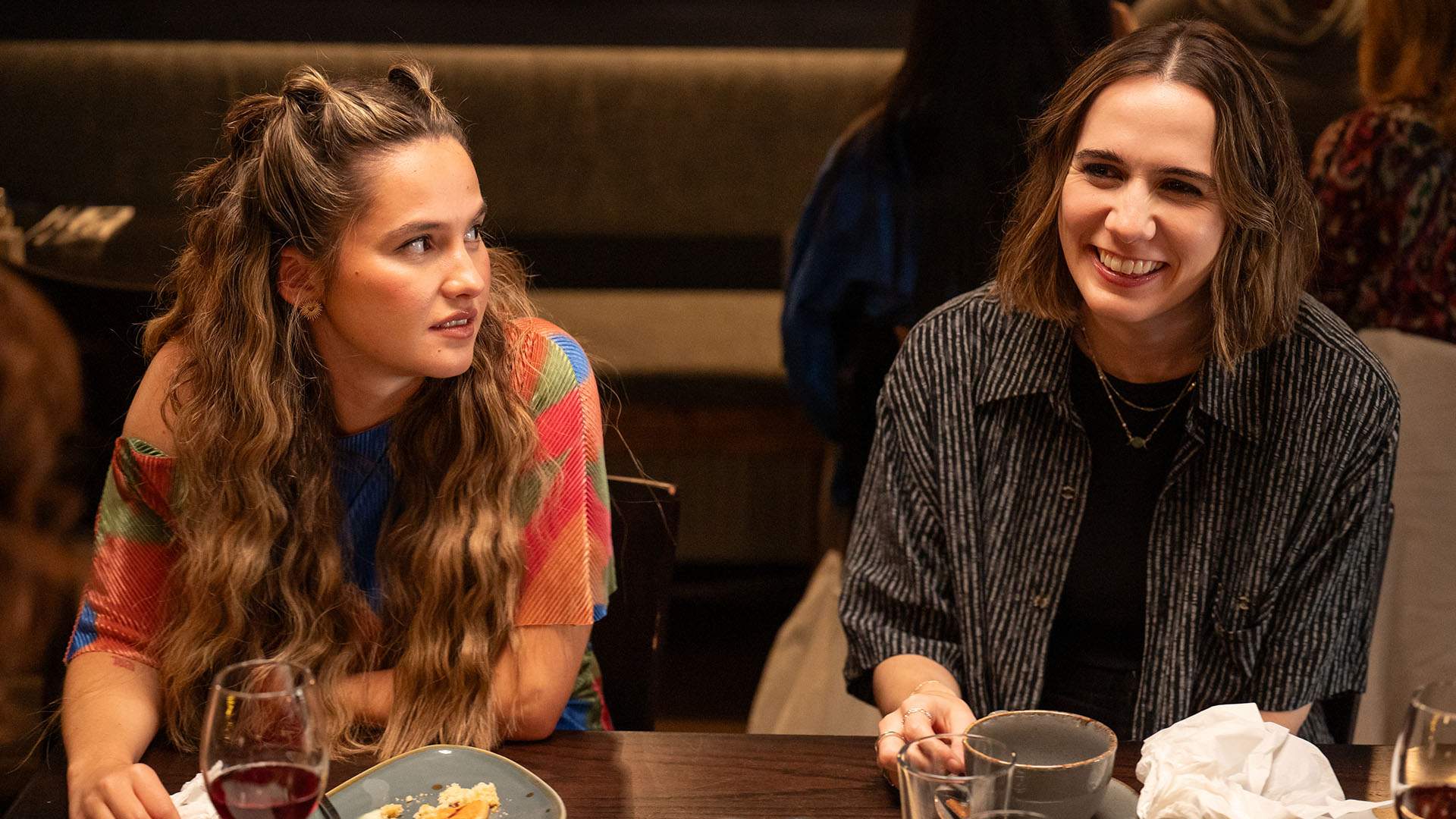
Sadler also writes Such Brave Girls, with its first season winning Best Scripted Comedy and earning her the Best Emerging Talent: Fiction award at the 2024 BAFTAs. She's drawn much within its frames from her own experiences, as well as those of her sister Lizzie Davidson, who plays Josie's sibling Billie. Across its 12 episodes to date, there isn't a second of the end result that isn't deeply perceptive, including about depression, trauma, love, financial stress and the unshakeably intertwined relationship between the latter two, to name just some of its focuses. But that Samaritans line is such an astute statement about trying and pretending — however wholeheartedly or convincingly, or willingly or not — to put on a content and settled face to the world, an idea that's at the core of Such Brave Girls again and again.
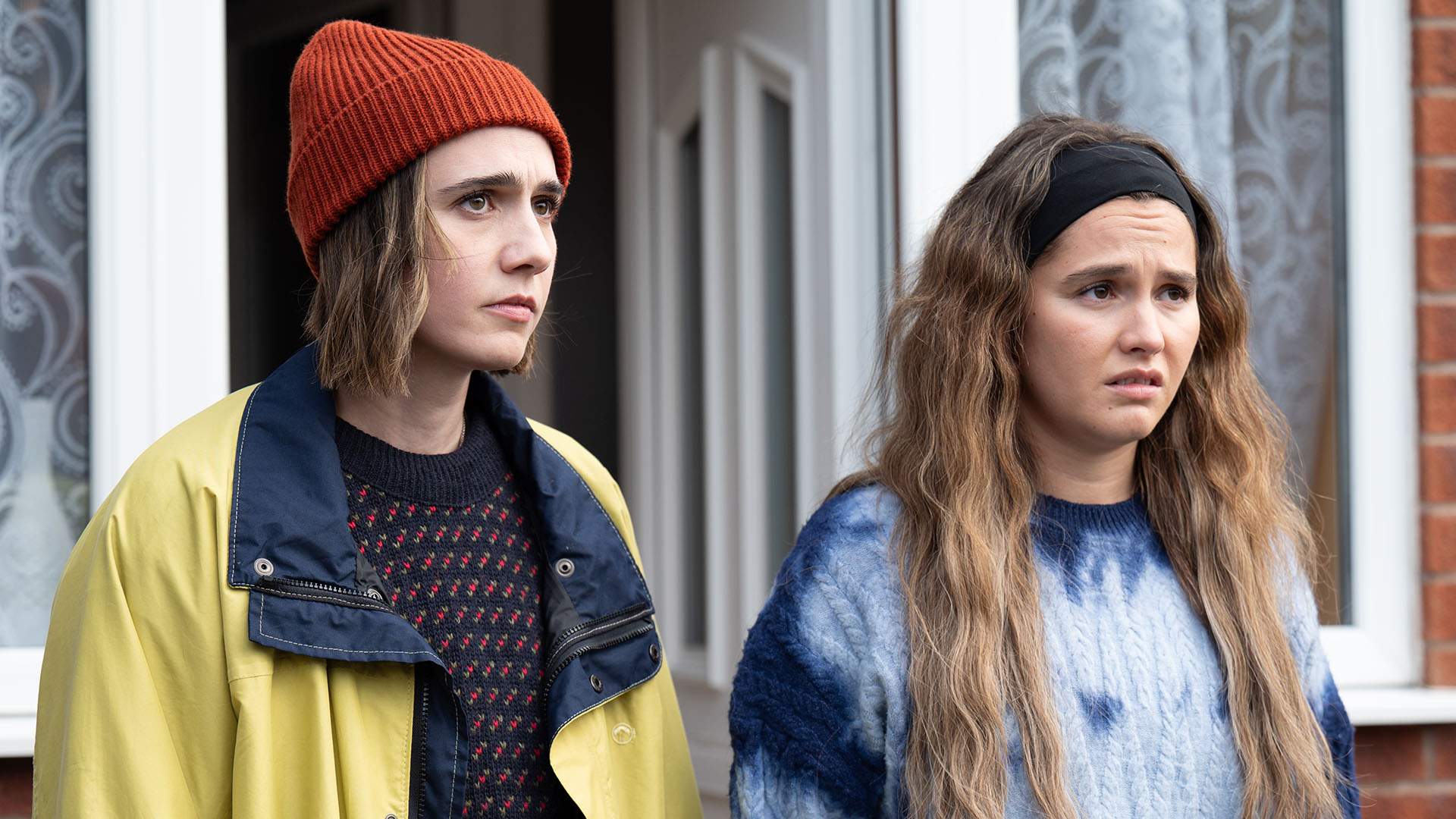
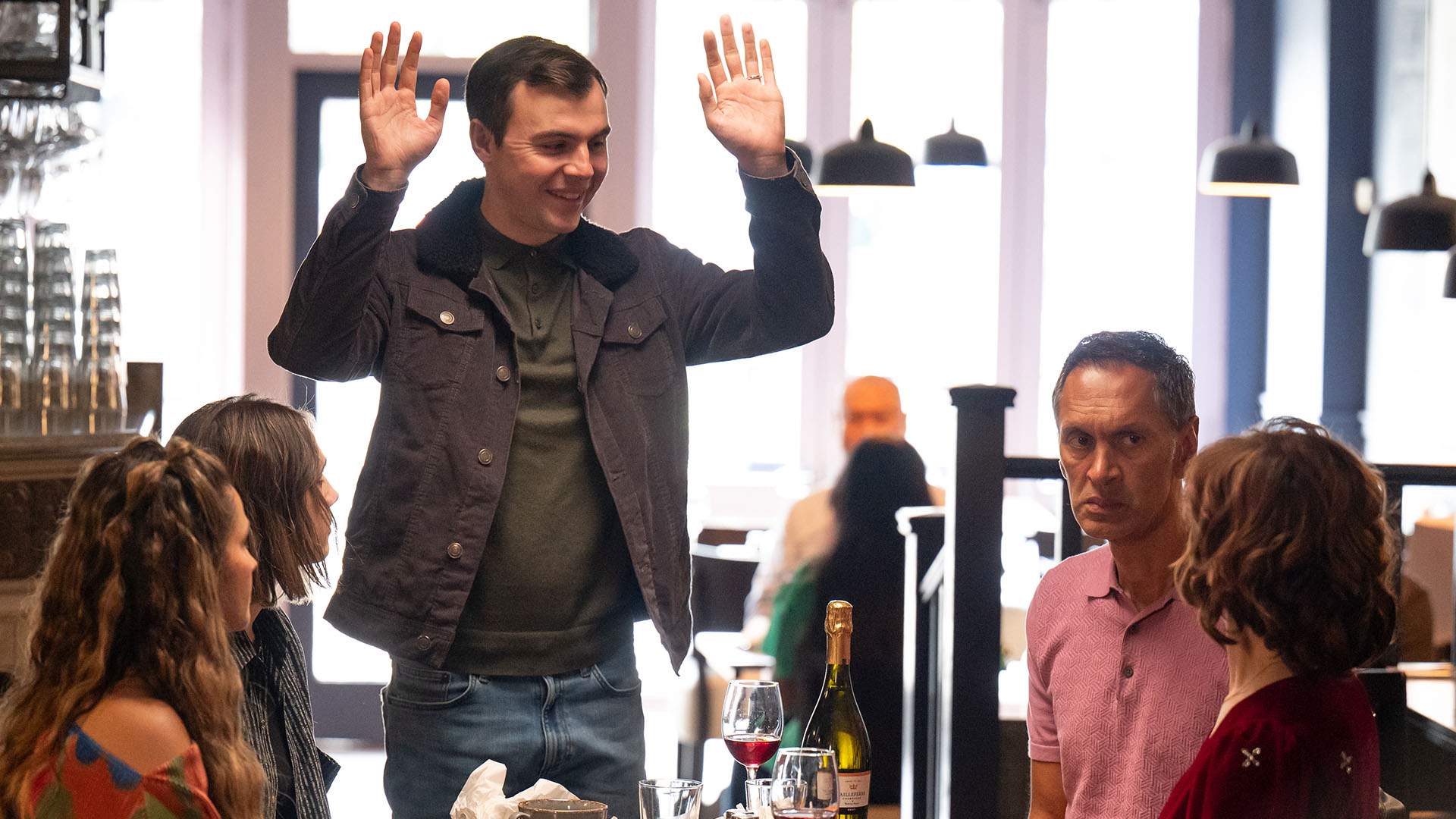
As she keeps exploring the lives of not just chalk-and-cheese sisters Josie and Billie, but also of their mother Deb (Louise Brealey, Lockwood & Co) — and of Dev, (Paul Bazely, Miss Scarlet and the Duke), a quiet widower with a big house, who the family matriarch is keen on marrying; Seb (Freddie Meredith, Andor), the keen-to-wed boyfriend that the queer Josie wishes that she didn't have; and Nicky (Sam Buchanan, Just Act Normal), the womaniser that Billie refuses to see anything but good in — how does Sadler find new ways to dig into the ever-relatable concept of constantly putting on brave faces? "It is capturing the MO of the show, and that's a really interesting way to look at it," Sadler tells Concrete Playground, "because I think every character is an emblem of this fine line of dancing through this desperation going on in the family home, and capturing that through keeping up appearances."
"You've got Deb, who deals with it more superficially. Similarly with Billie, who's looking for someone to love her. And then it's Josie sort of constantly weaponising her mental health as a way of trying to experience love. Every character is on the quest for it. So I think when I go about writing, I often just have my characters on the wall, and I have this theme of love that I'm always trying to dig into, and then it's about finding different ways to have that come out."
When season one introduced its main figures, it plunged into Josie's mental-health struggles, the mountain of debt that Deb can't escape, and the impact of her ex-husband going out for teabags ten years earlier and never returning home — as well as Josie's sexual identity, and the need for the series' three women to discover ways to try to keep fiscally afloat. Sadler's own attempts on her life and the £20,000 that Davidson owed at the same time were firm inspirations. Another motivation for the show: making the type of no-holds-barred sitcom about these situations and themes that didn't already exist but Sadler wanted to see.
"That's exactly what I wanted to do," she explains. "I wanted to capture the uniqueness in the way that we talk, and the way that I talk to my friends, and show that, because I hadn't seen that before. And I wanted to lift up a rock into our world and try to capture as much of that in as much detail with as much authenticity as possible, to open people's eyes to the way that we see the world. And show that perspective, because there wasn't a lot of that that I was seeing on-screen — and it made me sad that we didn't have a lot of that. It made me lonely."
"So I was trying to capture that — and help other people feel more normal by saying that the way that they talk is the maybe the way that they talk in their family."
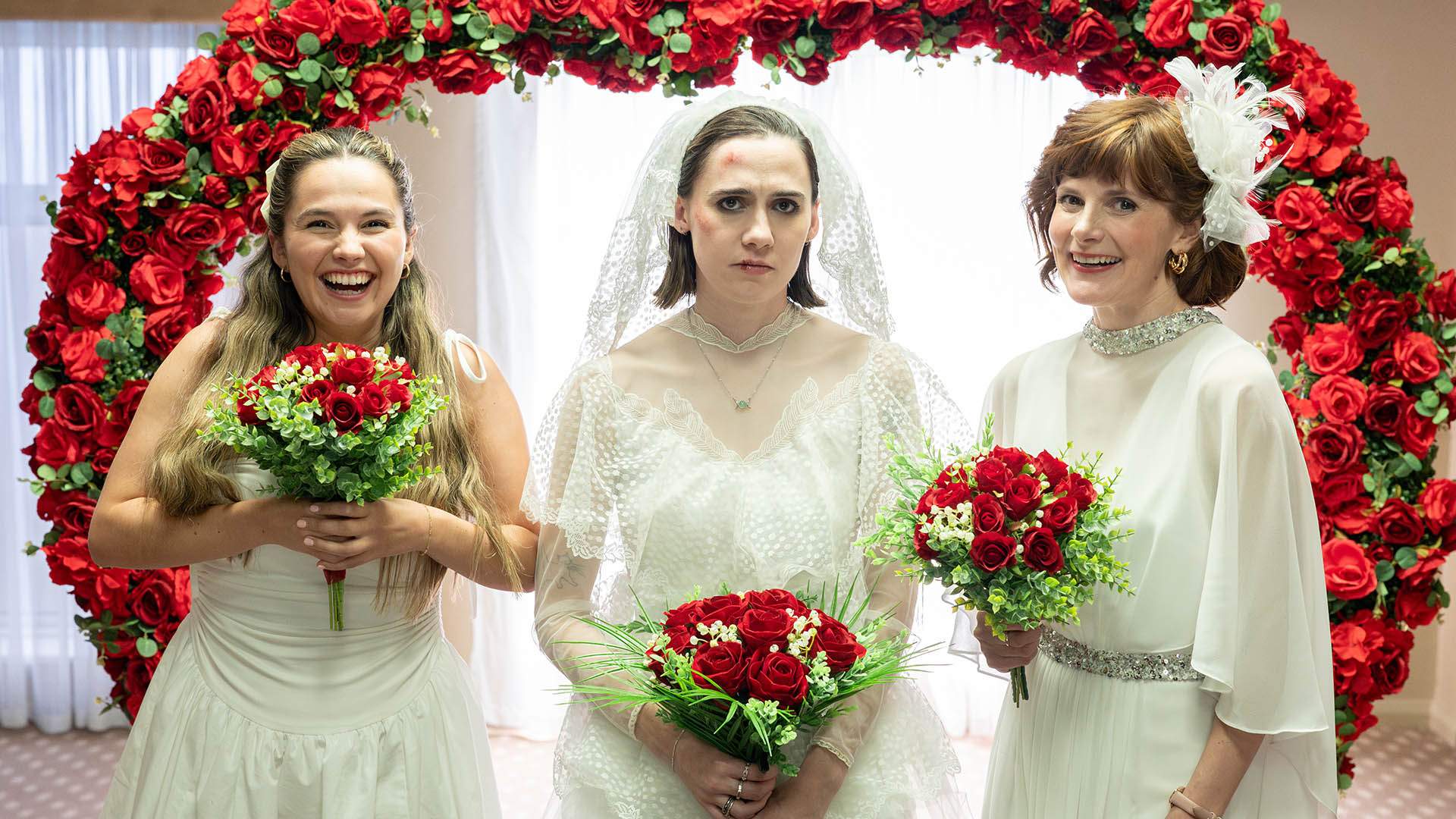
Life brightening up isn't Such Brave Girls' journey, though. That wouldn't fit its tone, or its aim to both subvert and satirise. Most sitcoms don't have the origin story that this one does, clearly — and also don't sport the commitment not to shy away from complicated characters, from daily woes, from mental illness, and from a range of topics that many dramas don't even dig into, let alone comedies. The again-exceptional season two begins with Josie chasing a crush, then swiftly being trapped in her worst nightmare: marrying Seb. Deb is endeavouring to use the nuptials to show to Dev that the family's women are worth getting hitched to, while Billie is intent on locking in a sugar-daddy relationship with the much-older — and already-wed — Graham (Daniel Ryan, The Bay).
Most sitcoms also don't ensure, no matter what else Josie, Billie and Deb are navigating — be it weddings, infatuations, affairs, boat trips, potential pregnancies, rivals and so much more — that worrying about money isn't something that dissipates. That's another of Such Brave Girls' profoundly relatable touches. Interrogating the connection between love and finances is not the status quo for the bulk of television comedies, either. The feeling of catharsis for its creator, whether in processing her own experiences into something where Josie can make different choices, turning pain into laughs or seeing a show built with such a commitment to authenticity in such a range of ways resonating with audiences, stands out for Such Brave Girls, too.
Alongside those themes of romance and money, as well as her own emotional journey with the show, we also spoke with Sadler about discovering the tone and feel for the series, and how season one's BAFTA success empowered her for season two. Among our topics as well: finding new scenarios to put Josie, Bille and Deb in the second time around, plus standing in Josie's shoes for 12 episodes now.

On Financial Stress as a Daily Reality Always Sitting at the Heart of the Series — and How Love and Money Intersect
"I love having a theme. And I think when you keep it on theme, the whole series will feel unified and keep the characters together — and that's the rubber dinghy that these characters are all stranded in and the ocean: financial stress. And if anything grows or moves or changes the way they're dealing with it, then the whole boat goes over.
So it's all about keeping the characters on track and having that be the theme that we're constantly exploring. Like, when I start writing, I have love and money, that's my really strong theme of this year — and last year, too.
I think that's what makes the characters feel relatable, and what is exciting to me as a writer is that it is fundamentally about love at its core. Even though the characters are horrible to each other and narcissists and all these things, their quest is fundamentally to be loved — but it's just these toxic ways they go about it.
That was what was interesting to me as a writer in series two, was the kind of way that money relates to that. And Deb's quest for that, quest for money, is really about showing her love to the girls by keeping the house there, and keeping everyone safe and surviving. But we deal with it in these kind of toxic ways.
So I do want to show that love and money really intersect in lots of ways that you might not be expecting."
On Finding the Tone and Feel of the Show From Its Personal Origins for Both Sadler and Her Sister, and with Its Range of Topics That Not Even Dramas Always Cover
"I think it went through lots of different versions. There was a while in which I suddenly thought 'oh gosh, am I writing a comedy-drama? Am I writing a drama?' in some of the stuff I dealt with. And then I think I had to stop and reassess and decide what I wanted to make — and fundamentally all I ever wanted to make is a sitcom that shows that you can deal with these issues, and not shy away from it and be hamstrung by the format of a sitcom.
You can put anything in there, as long as you understand why characters are the way they are and act the way they do. So I think that was what I really decided on, and then I think once I decided that, it was all systems ago.
I remember it went through lots of different drafts. That whole series went through loads of different drafts of versions, and then when I stripped all that back and showed it to my sister, it was then like 'this is what it is'.
I think when it became like it was just jokes, that was then, I think, this is what makes me feel excited. Like, this is what gets me feeling a bit nervous, which is the best feeling — when you get a bit of fear."
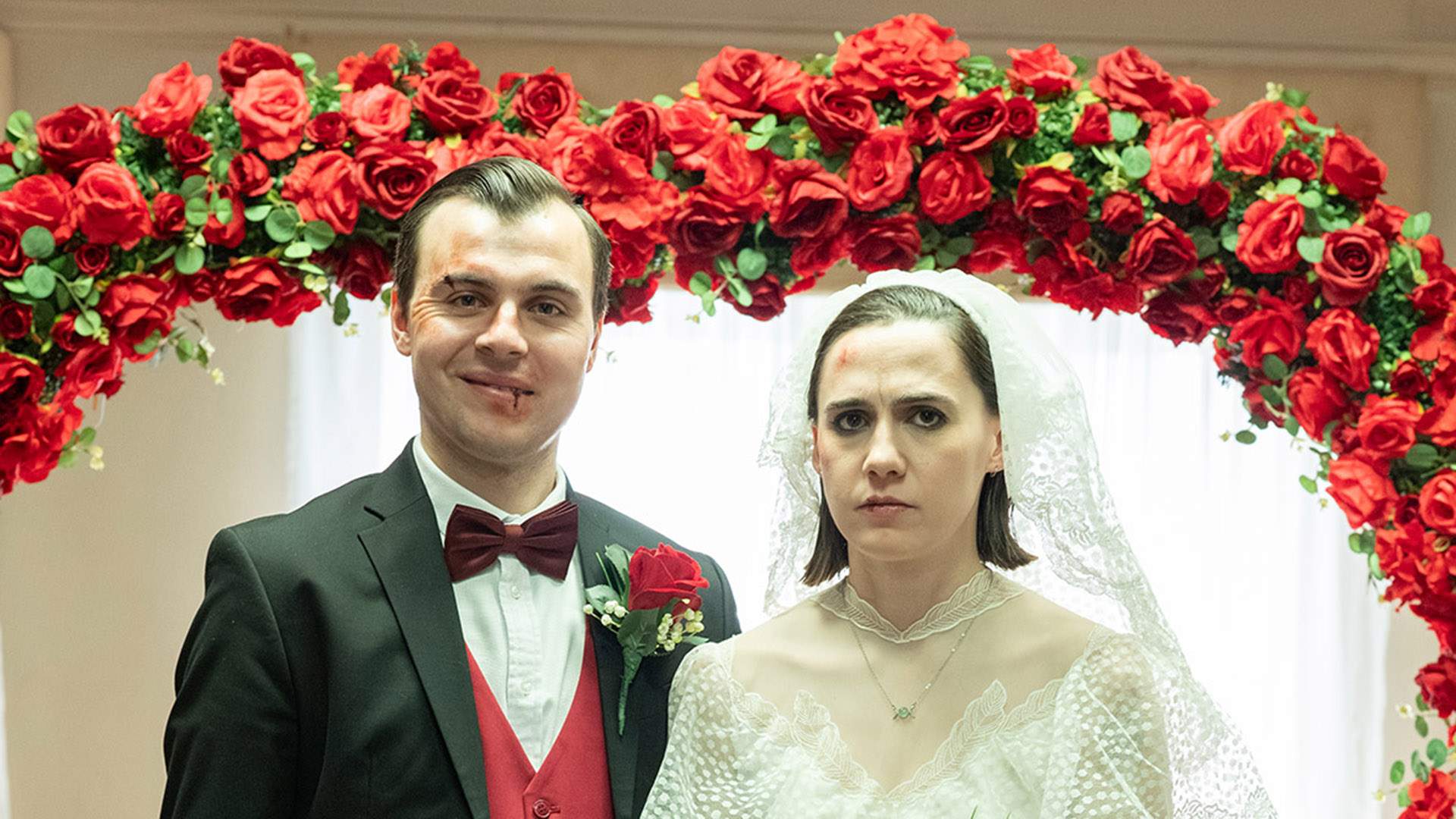
On If the Success of Season One, Including Its BAFTA Wins, Set Sadler a Challenge to Push Even Further in Season Two
"Exactly. And it was an incredible vote of confidence in the show, and just gave us the feeling of 'people are behind us on this' — like they get it. Because it is a big ask, because it is challenging in different ways.
So the fact that we had that mark of kudos of 'we back you' was huge, and so rewarding. And has been amazing, and totally made me feel like I can be more brave and confident, and like people give me the benefit of the doubt now.
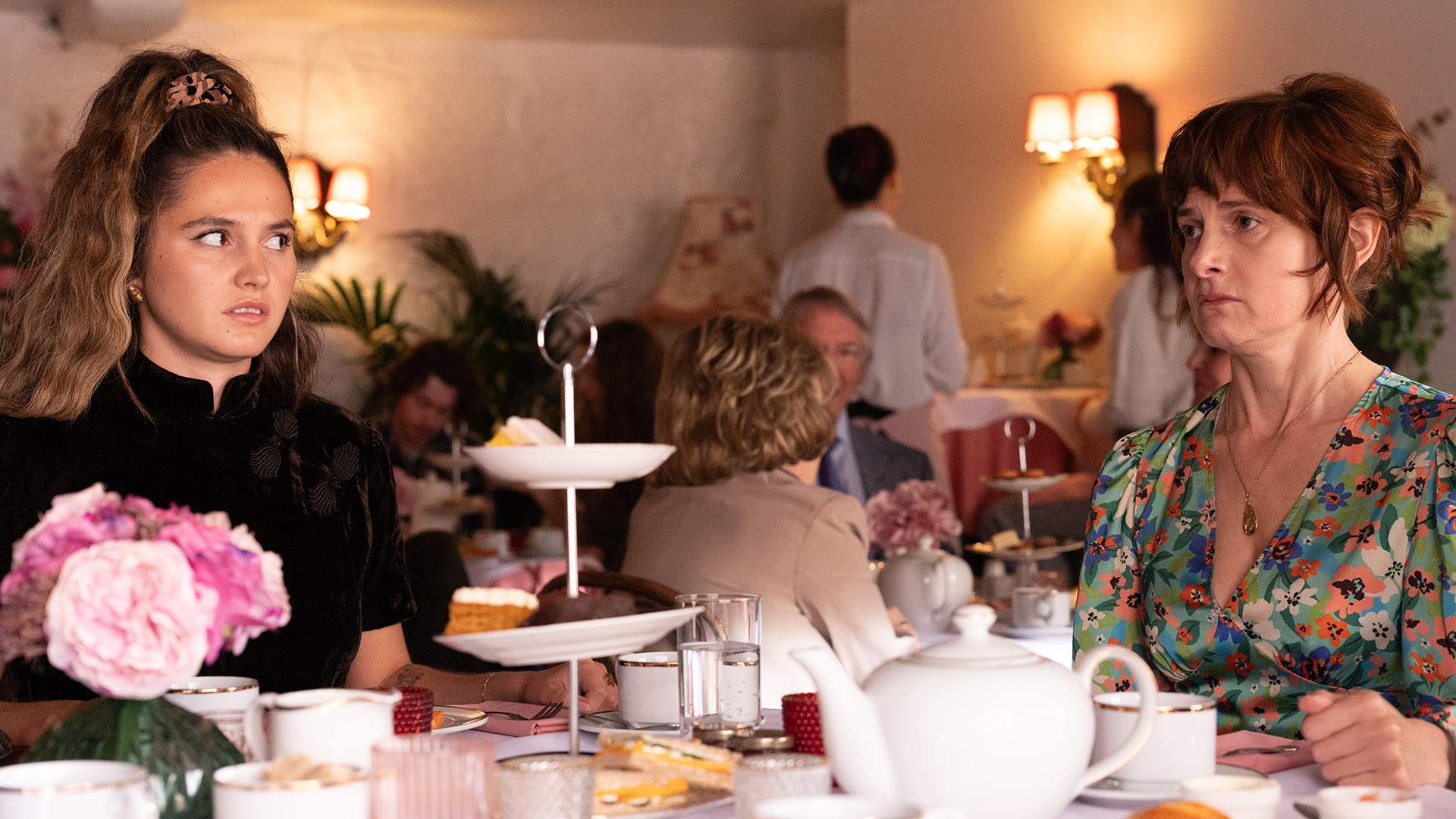
But it also comes with 'oh my god, how do you follow that up?'. We won the most-incredible prize — the list of shows on that list of BAFTA-winners for Best Scripted Comedy is unparalleled. It's incredible.
So to try to compete with that or to be like 'okay, what's series two?' was terrifying. So we're working out 'how do you follow it up and not just try to be outrageous for outrageous' sake'.
But it was a huge mark of confidence that has made me feel much more confident as a writer, which I struggle with."
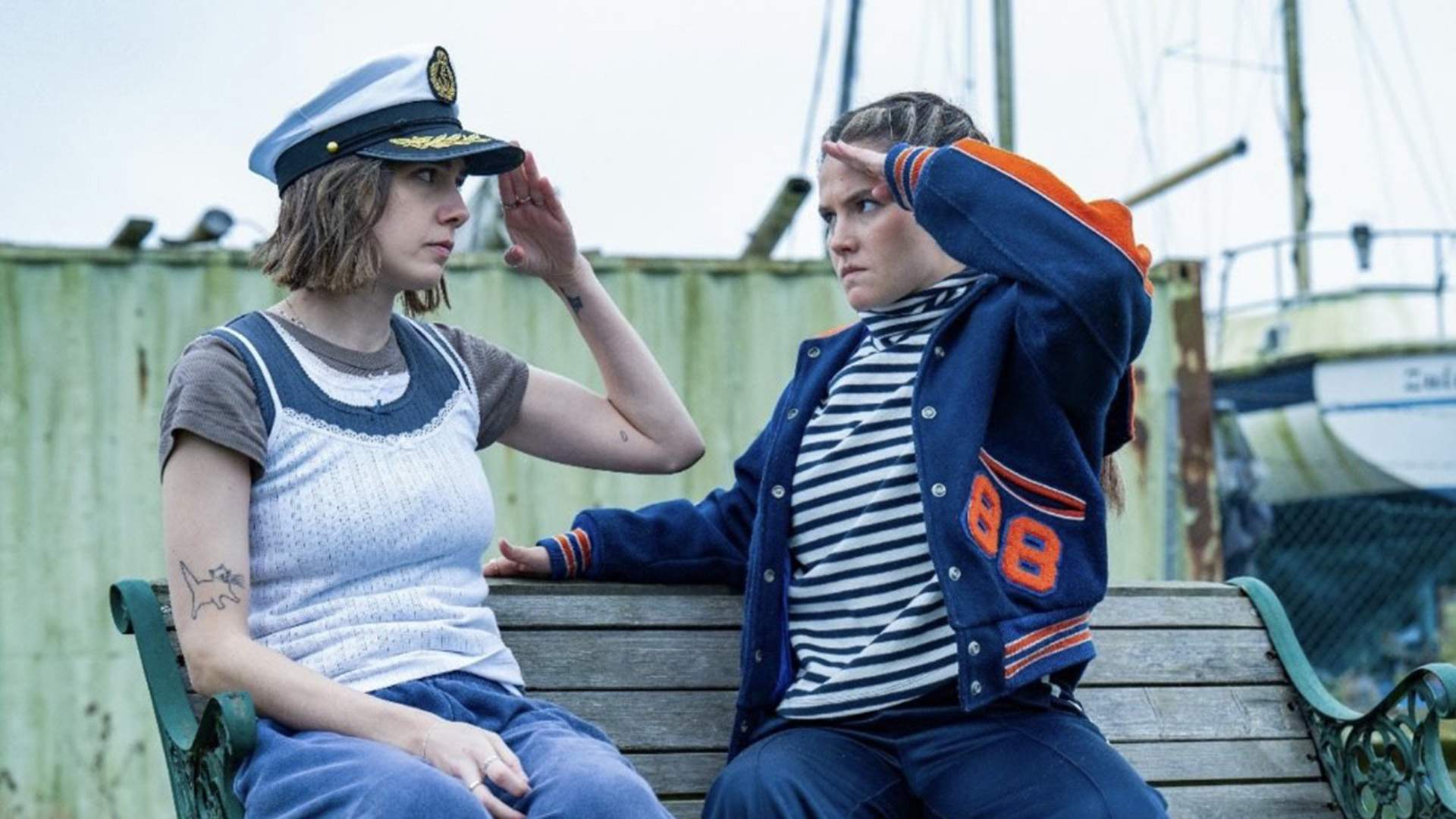
On Finding New Scenarios to Push the Characters Into in a Series About a World Where Nobody Is Right
"My favourite thing is the twisted logic of the characters. That's what I love to write. I love twisted logic, like something that makes complete sense to the character, but as the viewer, you're like 'why on earth have you done that?'.
So that's always my challenge. So I love to get a situation up on the board and be like 'what is the funny way that my characters would be front-footed and decide how to' — because we're all spin doctors, that comes from my family experience, like how we always just turn everything into something positive. You rewrite it. You work out how you win.
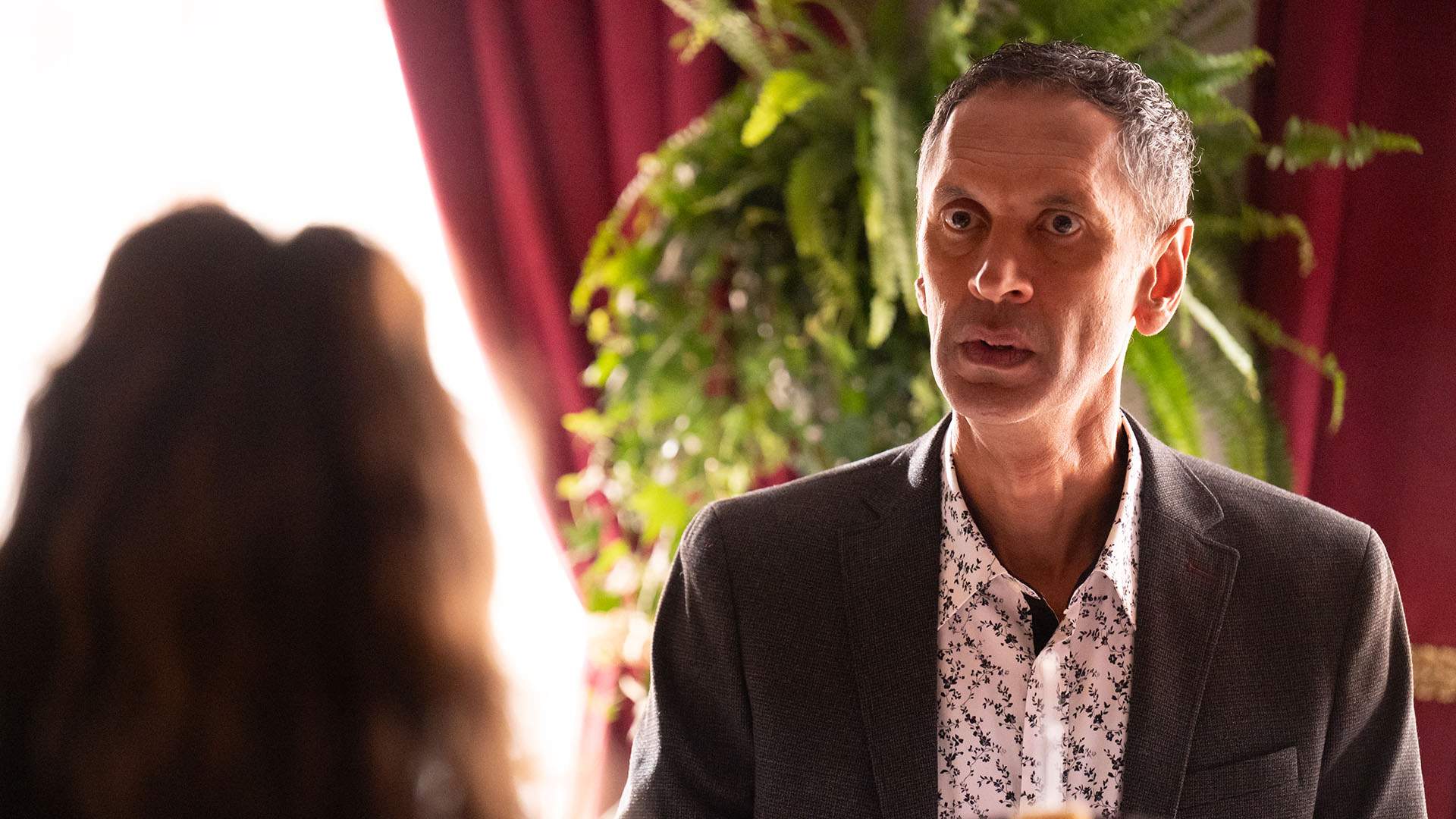
And so it was about being like 'okay, how do I spin these situations so that the characters leave it feeling powerful, or leave it feeling like this is actually what they wanted?'.
So that is the fun bit of the job, is working out 'what would be the most cathartic way to deal with this?' and 'how do these characters manipulate the situation?'. That's the bit which comes from just sitting and writing it, rather than reality, because a lot of reality didn't happen like that."
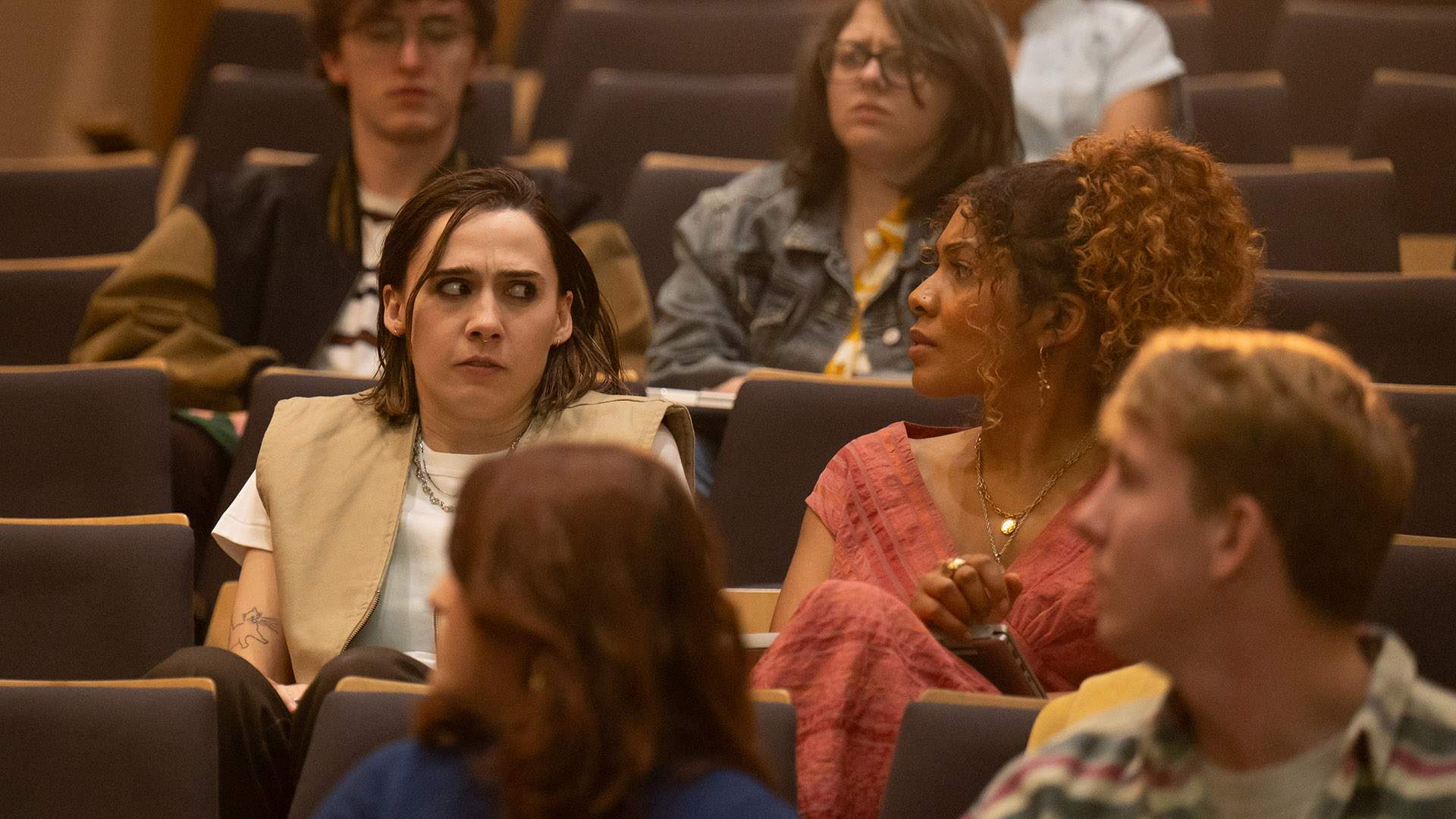
On Whether There's a Feeling of Catharsis That Comes with Processing Sadler's Own Experiences Via the Series and Seeing Audiences Relate
"Yeah, that has been an incredible experience. Having people relate or connect or say 'oh my god, I did that' or 'oh my god, that happened to me', that is actually, it's the best feeling. It's such a mark of confidence in the writing that it is truly the most rewarding bit. It truly is.
Getting messages on Instagram being like 'oh my god, I can't believe you talked about that' or 'I thought only we did that' or something — those are the best messages."
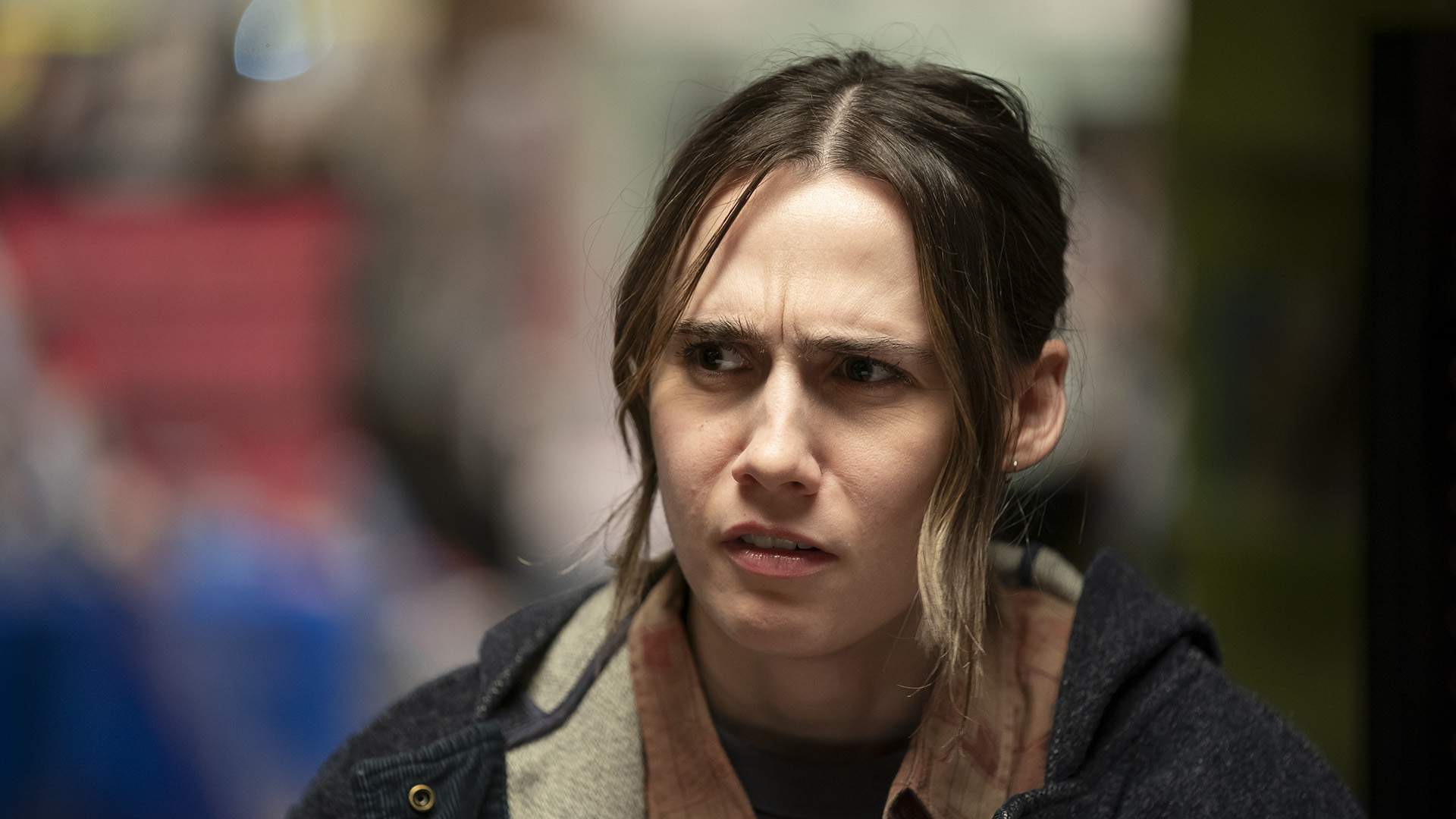
On How Sadler Feels About Josie After 12 Episodes of Standing in Her Shoes
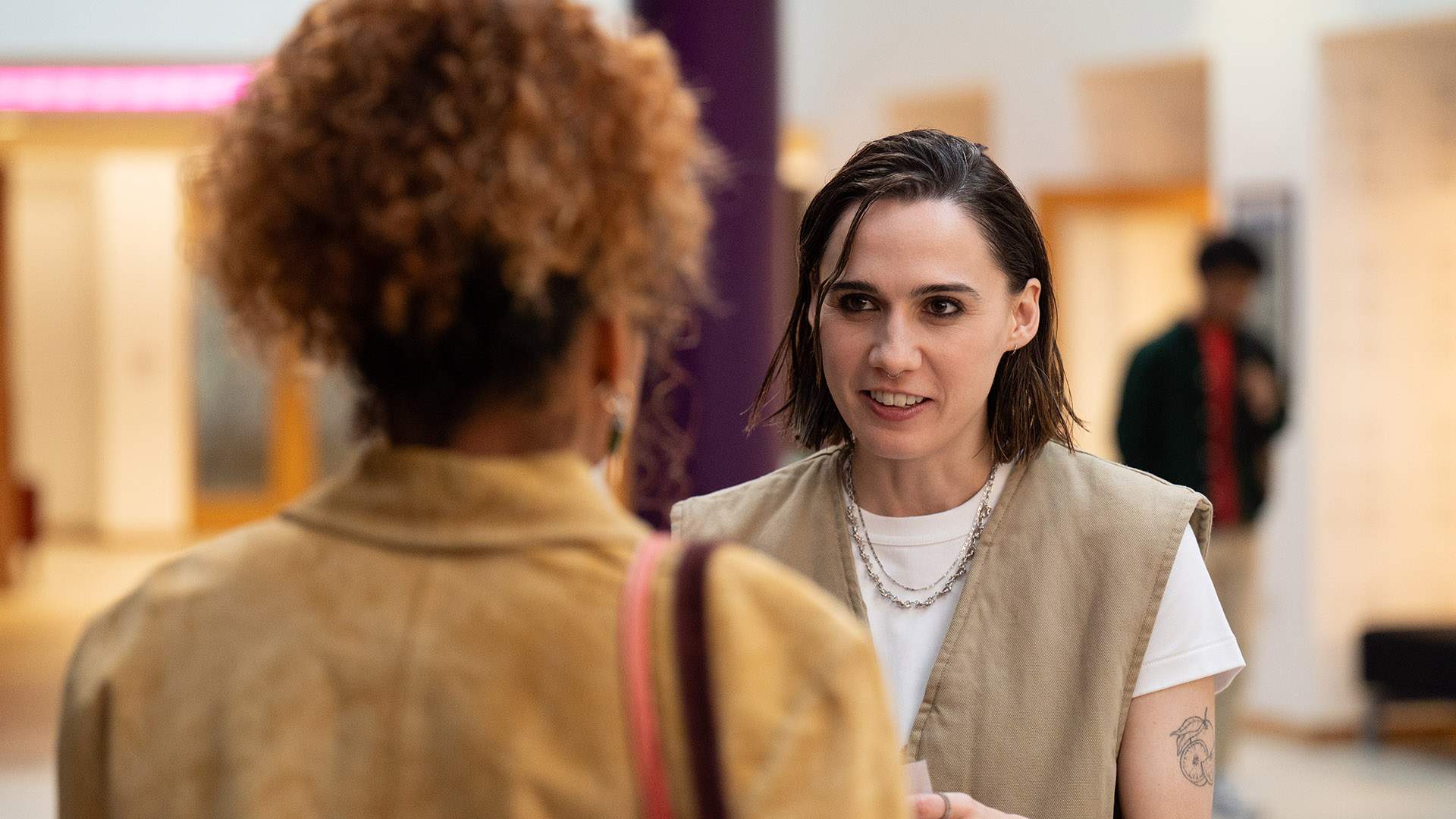
"I find her the hardest one to write for, because she's me. So I do find her difficult, because I haven't got that level of separation like I do with the other characters.
So it's sort of about working out how to keep her — because Josie is also quite a passive character. She lets things happen to her. She's obsessed with her own trauma. She's lives in her head. And so it's hard to — thinking of plots for her to do where she is active is hard.
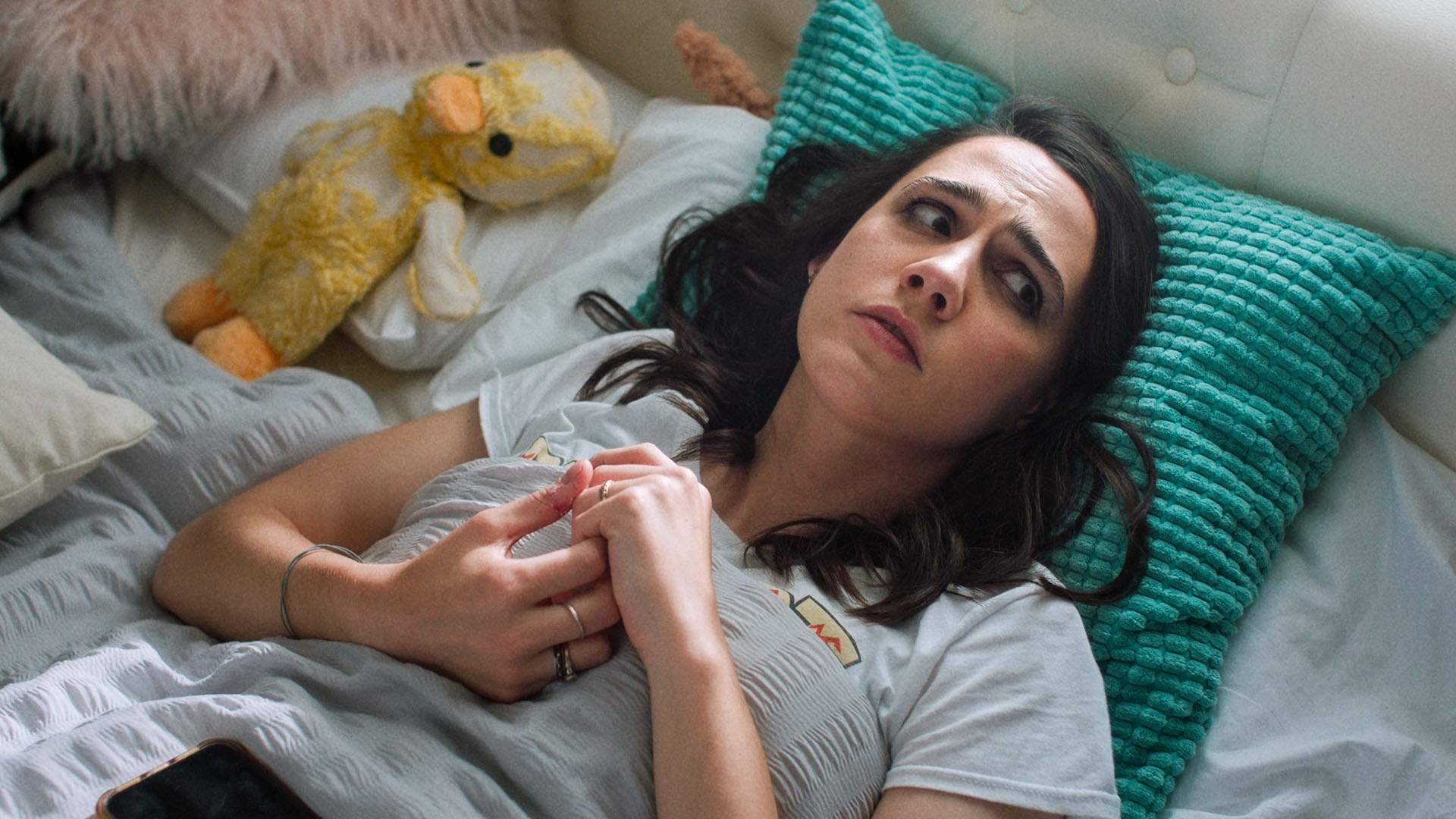
Because I'm someone that usually just like — I think there's a line series one that's 'you're a deer in headlights, you just wait for the car to hit you' and that's me. So how on earth do you explore that in writing a series?
She is the most fun, though, when she is front-footed about something. So it's just working out how to make her go for that. So that has been my challenge, just to make sure there's a degree of separation there between the two."
Such Brave Girls streams via Stan. Read our review of season one.