A Shark Expert's Advice on How to Stay Safe in Australian Waters
When it comes to shark safety in Australia, there are five easy rules to remember that make an unlikely event almost impossible.
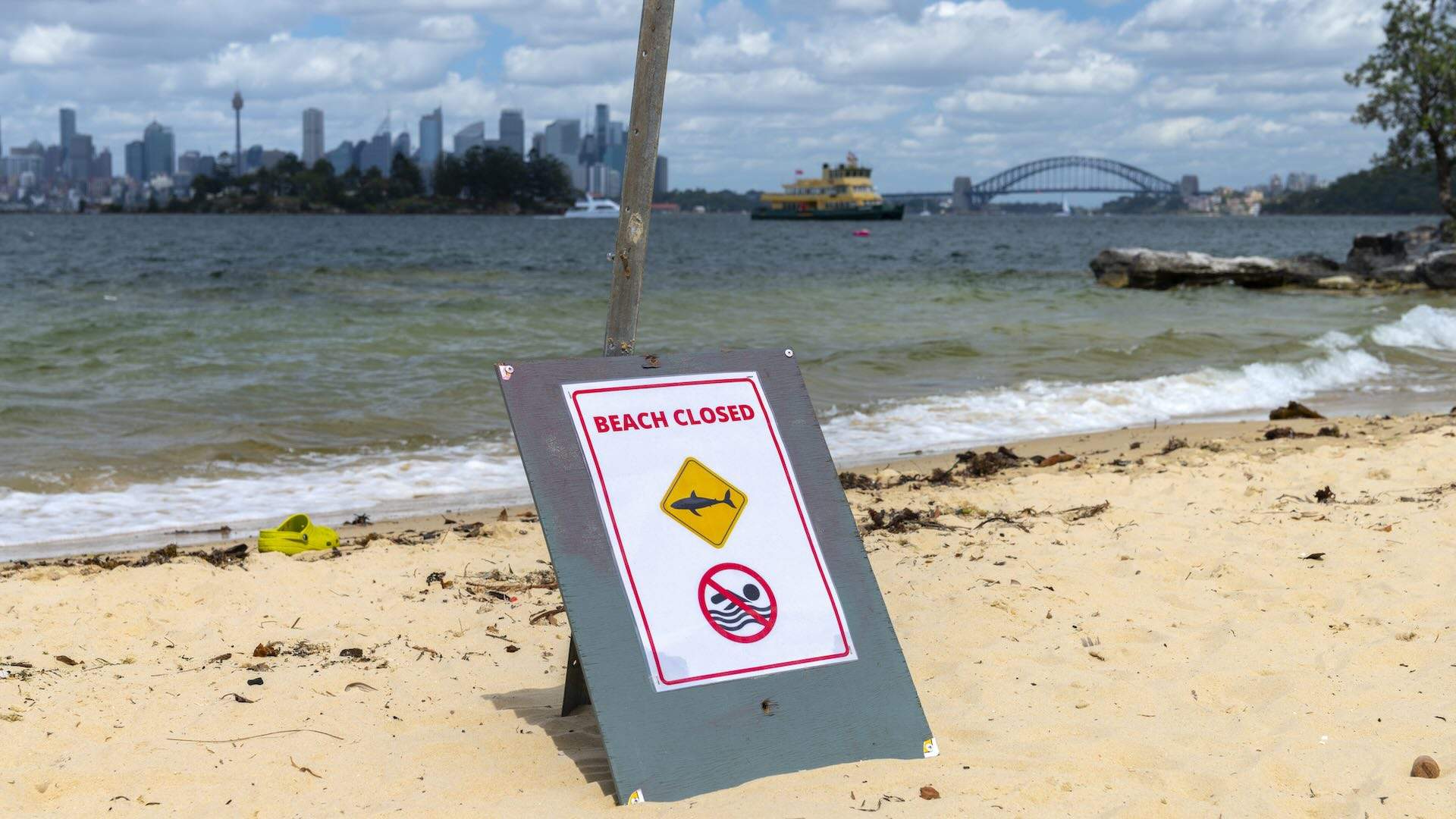
For thousands of years, humans have had a contentious relationship with a certain neighbouring apex predator. As long as we've turned to the sea for food, leisure and new horizons, we've had to contend with sharks — predators that have ruled the seas for over 450 million years — far, far longer than we have even pretended to rule the land, let alone the sea.
Throughout recorded human history, shark attacks have been infrequent, but consistent occurrence. Sadly, thanks to rising water temperatures, shark attacks are on the rise in Australia, with our island home recording the most fatal shark attacks of any country in 2025. Experts like Emily Best, Curatorial Supervisor and Senior Aquarist at SEA LIFE Sydney, believe it's more important than ever for people to be shark-safe in Australia.
"The likelihood of someone encountering a shark whilst in the ocean is statistically very low, on average around ten people per year are fatally attacked by sharks," Best explains. "One statistic suggests there is around a one in 300 million chance of being attacked by a shark — you're more likely to be killed by a bee sting or lightning. Unfortunately, with the population of people that live on the coast in Australia and with the lifestyle we all enjoy, this predisposes us for that number to be higher."
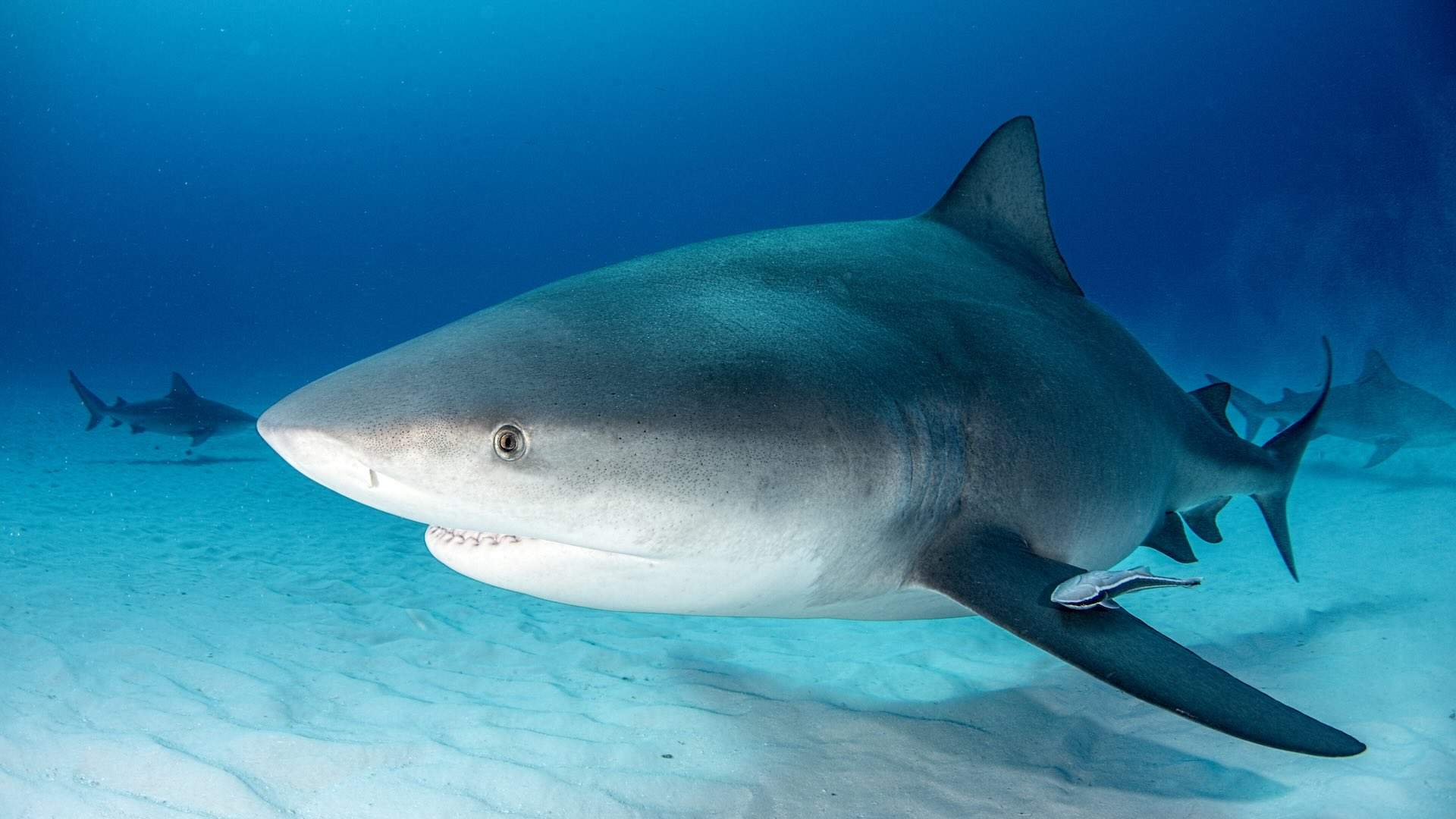
Bull shark
So, how can we all stay safe in the water without further disrupting the oceanic environment we all know and love? The first step is to know the basic risks.
According to the Australian Shark Incident Database (ASID), of the 180 species of shark in Australian waters, only 21 have bitten humans, and just three are responsible for the most fatal incidents. In the last 235 years, White Sharks (aka Great Whites), common in cooler waters across southern Australia, have been involved in 81 fatal unprovoked attacks.
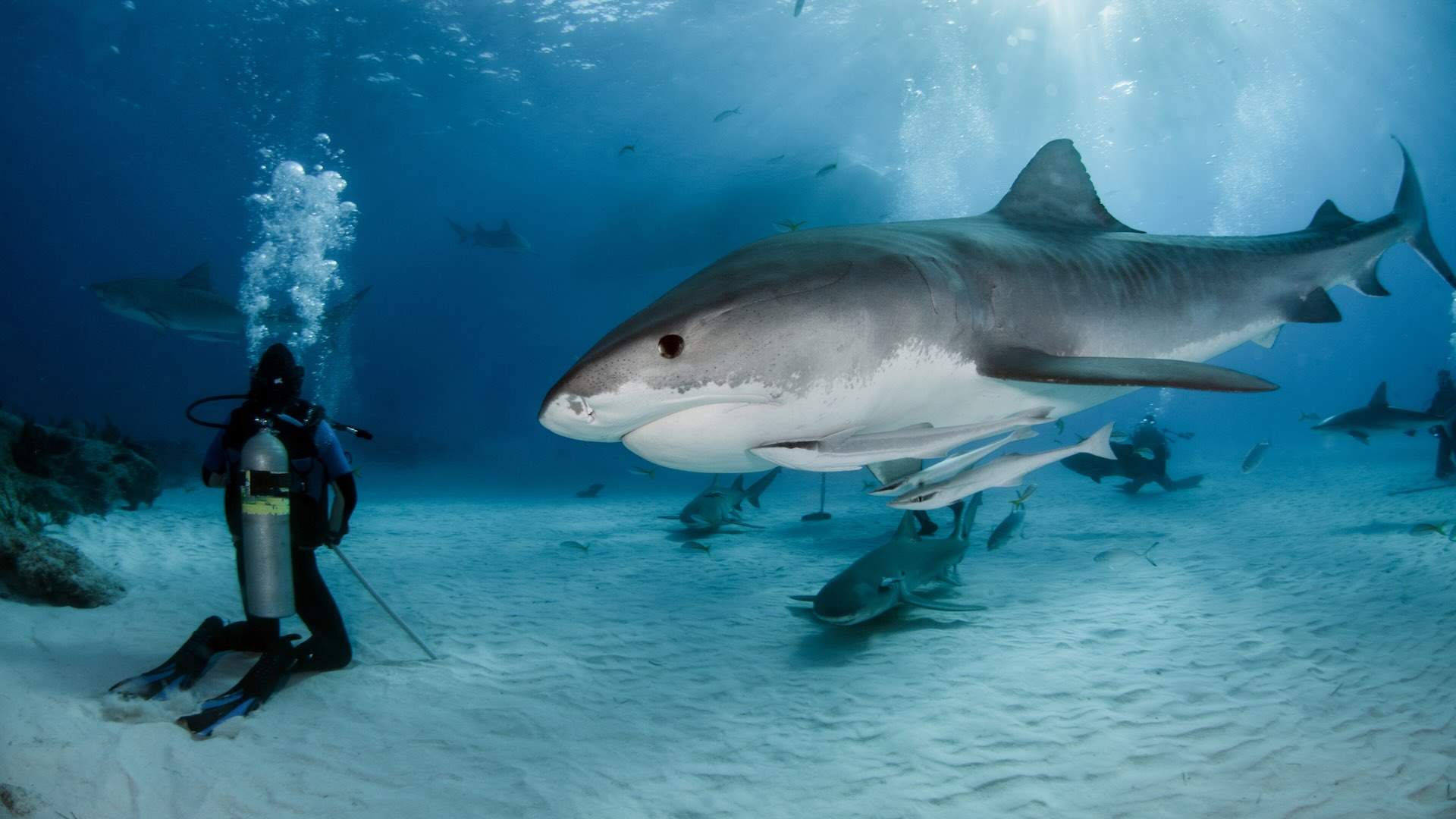
Bull Sharks, which live in saltwater and freshwater estuaries (aka where rivers meet the sea), are common in areas like Sydney Harbour and have been behind 63 fatal attacks in Australia. Then the Tiger Shark, common in tropical and subtropical waters around Australia and identifiable by its prominent white stripes, has been involved in 56 fatal attacks.
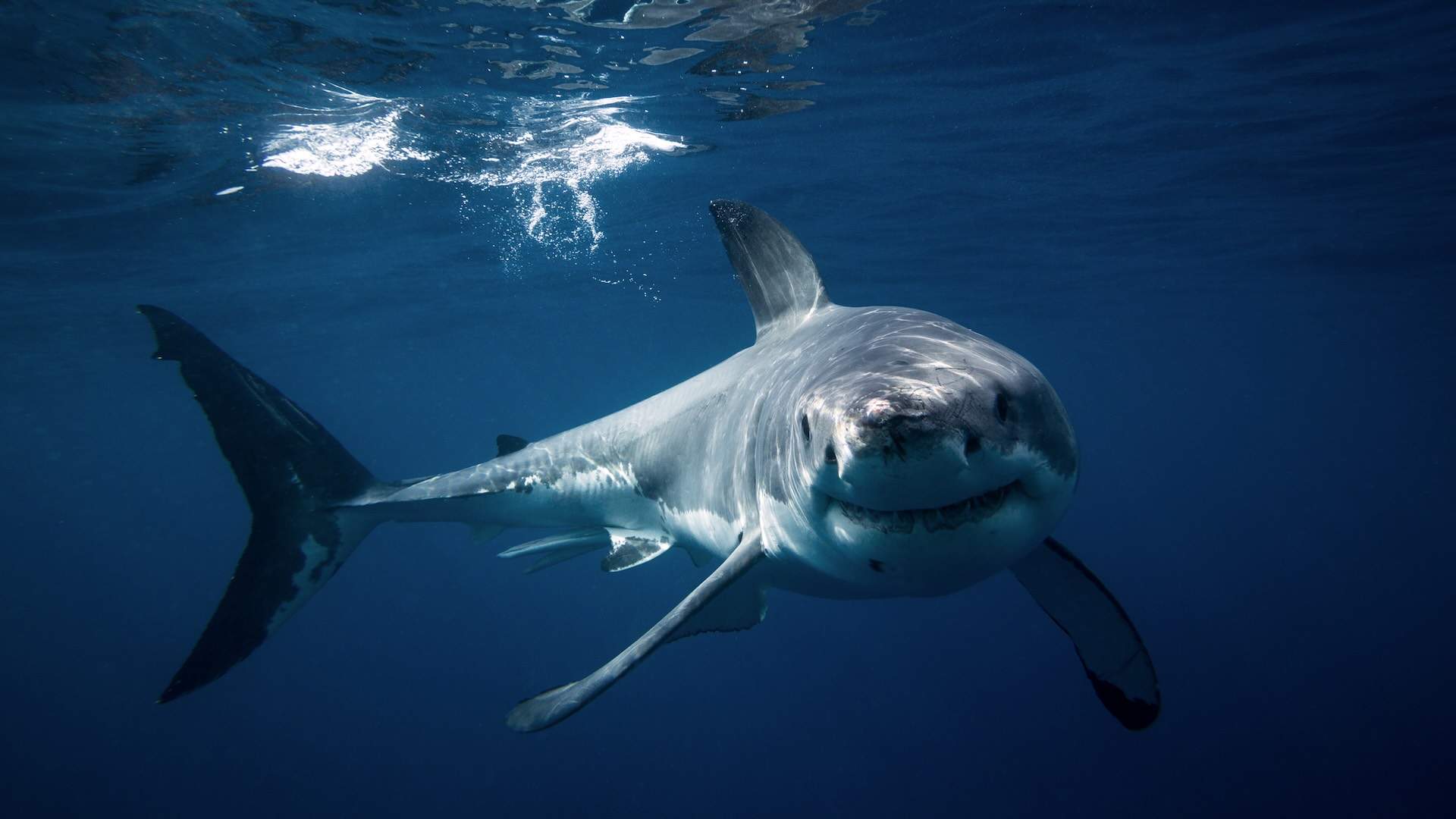
White Shark
But as Best explains, none of these animals are bloodthirsty killers, "contrary to popular belief, sharks don't actually choose to hunt humans or actively seek them out — we simply aren't in their food chain — and most attacks are that of mistaken identity".
"Juvenile and sub-adult sharks are more likely to be the culprit of an attack, due to their changing diet preferences. For species such as Bull, White and Tiger sharks, they will transition from fish to mammals, such as seals, as they mature. During this time, they'll be figuring out how and what to hunt. People swimming and surfing, especially in darker coloured wetsuits, look exactly like a seal from underneath."
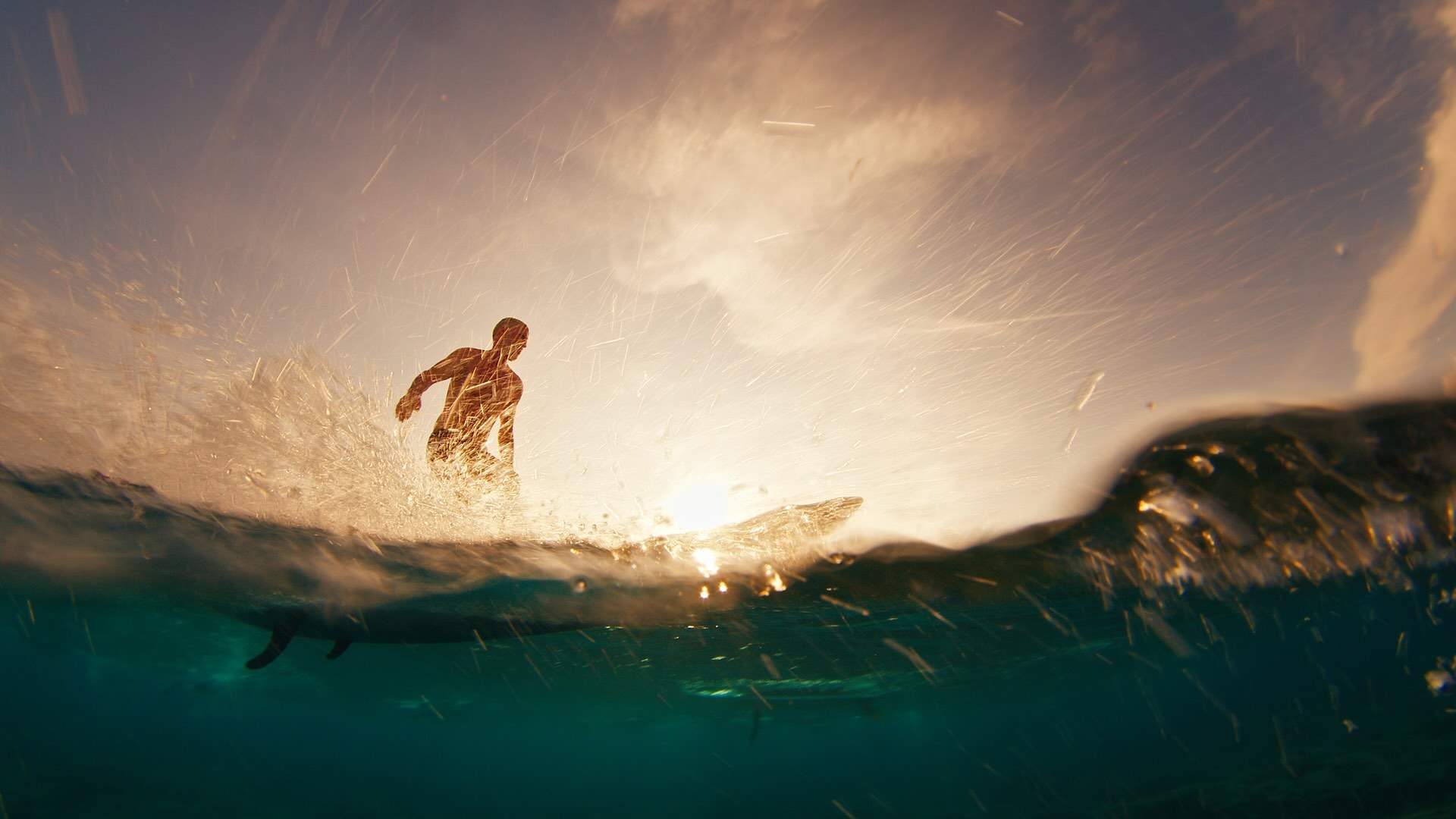
"Sharks also have very poor eyesight, [they] see in grayscale and rely on their other senses to hunt. They have small, jelly-filled pores on their snouts called Ampullae of Lorenzini that pick up the electrical impulses given off by muscle movements in both humans and animals. This is why swimming or surfing at dawn and dusk is riskier, lower light conditions only increases the chances of a shark mistaking a human for food."
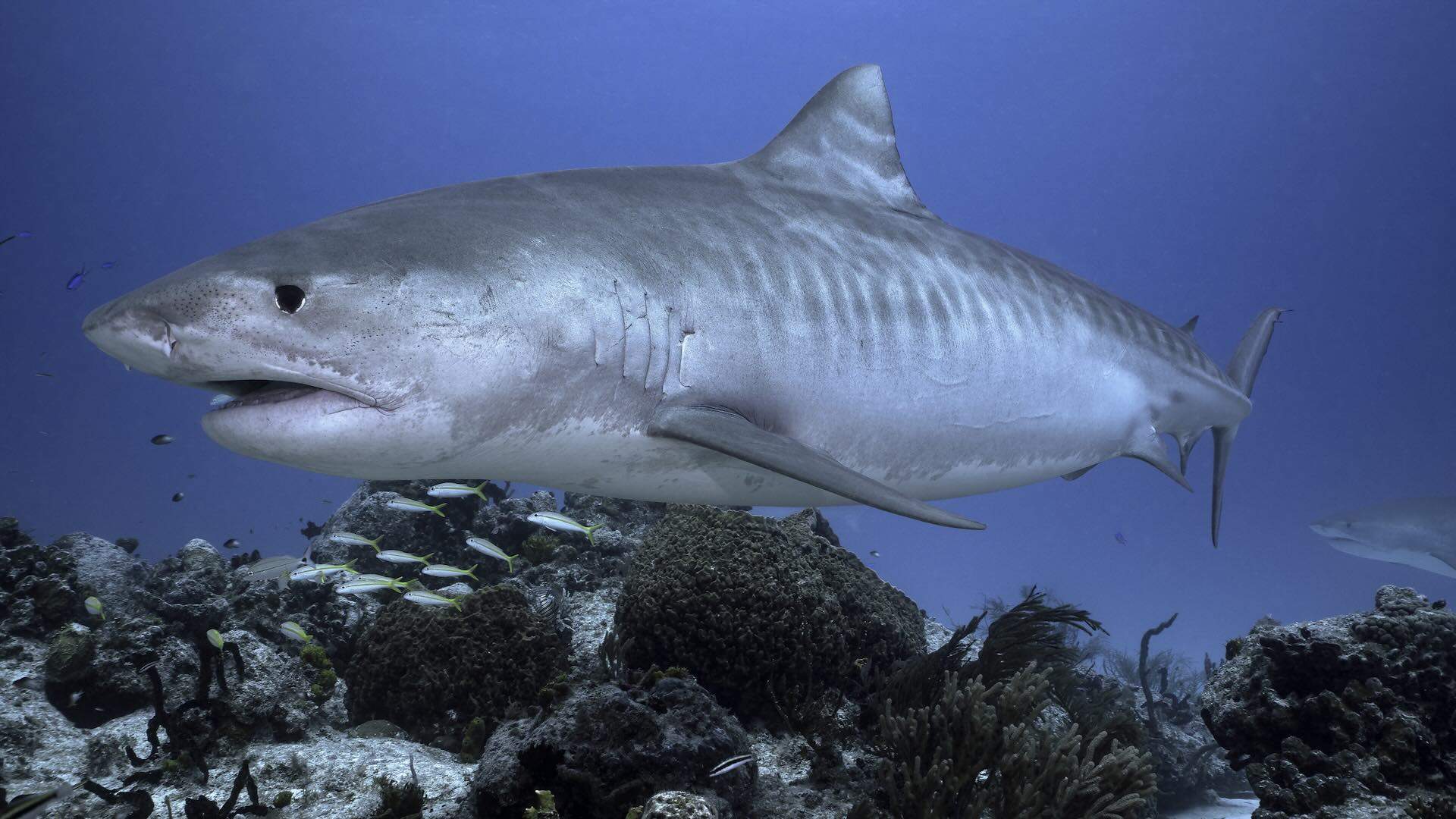
Tiger Shark
It needs to be remembered, then, that the likelihood of an attack is often determined by the conditions of the water, not the sharks swimming in it, and Best elaborates that "when the water is more murky is the prime time for a shark attack to occur."
"[The chance] increases after particularly heavy rain events over the summer, as species like Bull Sharks will move out of the river systems when they open to the sea. Warmer waters also leads to an increase in fish activity, and in turn, sharks, as well as the amount of people in the ocean — this combination creates a more likely chance of encounter."
Mihtiander via iStock
Best offers five simple rules to limit your risks of encountering a shark.
- Don't swim or surf around dawn or dusk, this is prime time for sharks to be more active.
- Don't swim after heavy rain — rain brings increased nutrients into the water that attracts fish, and subsequently sharks. It will also be more murky, increasing chances of mistaken identity.
- Don't swim or enter areas where there is high activity of sea birds or fish, especially bait balls.
- Always swim with a buddy where possible, and in patrolled areas between the flags.
- Don't swim or surf in popular recreational or commercial fishing areas, or near boat ramps and jetties.
Should the impossibly unlikely worst happen, and you do find yourself in danger from a shark, you likely won't see it coming unless you have a SCUBA mask on. If divers or spearfishers, the latter of which might attract more attention by carrying fish, see a shark coming, Best advises looking for signs of hunting behaviour like "erratic swimming, darting around, pectoral fins angled down slightly, and approaching and swimming away multiple times, generally hanging around the area."
Divepic via iStock
The best thing to do is establish and hold eye contact while backing away. "If the shark approaches," Best adds, "keep your arm straight in front of you, lock your elbow and push off the top of their nose and over the animal. Most species can move sideways and down faster than they can upwards. Targeting the gills or eyes is also a potential method to deter the animal if it does bite, these are sensitive areas and will likely cause it to move off."
Most importantly, we should all maintain a healthy respect for sharks, remembering that they're important for healthy oceans and that we're guests in their territory. Besides, Best makes a point that "we don't actually taste very good, we are land animals and not in their food chain," but all oceangoers should "have a decent amount of trepidation for sharks, we shouldn't fear them, but they have evolved over 400 million years to be the perfect hunter."
For more advice and up-to-date information on NSW shark reports download the Shark Smart app; For Australia-wide sightings, download the community-operated app Dorsal.
Images via iStock