A Weekender's Guide to the Barossa Valley and Beyond
From Germanic Tanunda and Murray Street's heritage main strip, to the old-vine wineries, eateries and cellar doors.
The Barossa has a reputation for heat — it’s one of Australia’s warmest-climate wine regions. In addition to being one of the hottest, it’s also one of the country’s most globally recognisable, thanks to its propensity for producing styles of shiraz and cabernet sauvignon so big they practically need their own seat at the table. But despite its affiliation with the upper end of the mercury rating, this part of the world is best explored when there’s a chill in the air. Why? Well, put simply, it’s really, really cosy. And any wine drinker worth their salt knows that a bold red calls for cold evenings, ideally fireside — awaiting a meal with richness to stand up to big Barossan tannins.
The cosiness of this region is further intensified by the historic architecture of the Germanic Lutherans that founded it. You’ll find hints of this in the local culinary inclinations, too; South Australians love a bakery. The spine of the Barossa is the Tanunda township, home to cellar doors, bluestone cottages and some of the oldest continuously producing vines on the planet. It’s impossible to tackle it in just one day, but about 48 hours and a hire car will get you close — provided you choose your accommodation location wisely.
The Barossa keeps a full calendar of cellar-door and kitchen hours that shift with the vintage, so it’s worth checking ahead if you have your heart set on visiting somewhere.
Getting There
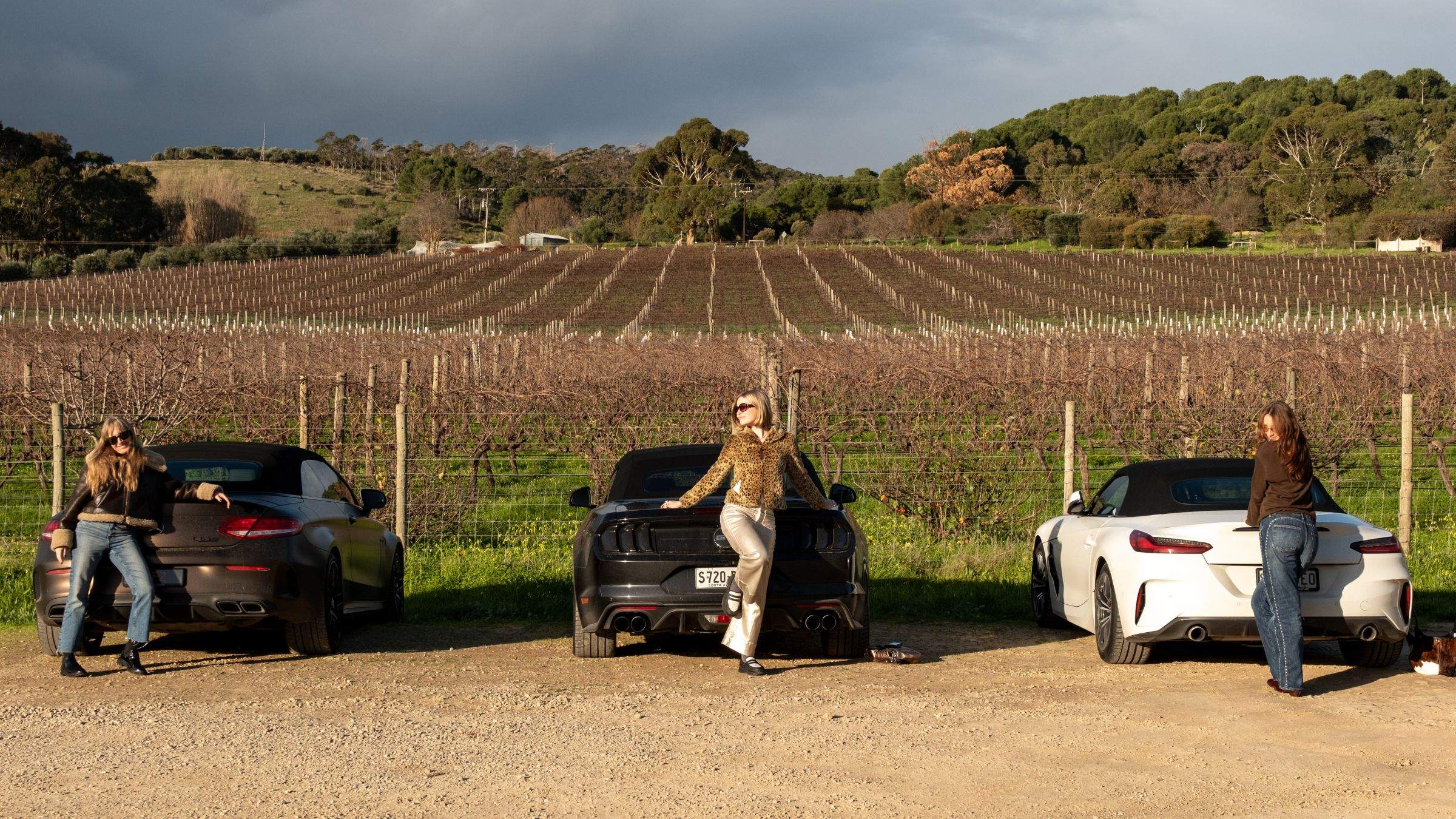
The Barossa sits about an hour north-east of Adelaide, so fly in, then get yourself a car properly suited to the job. Leave the white hatchback to someone else and hire a vehicle built for vineyard-lined back roads and picturesque surrounds. Book through Turo, and a local host will deliver the car straight to the airport, so you can walk off the plane and drive north without ever having to stand in a queue. Barossan roads aren’t overly hairy, so you can get away with something fun (like a convertible sports car), or a luxe 4WD if you want to make sure you’ll have full command of the terrain.
Where to Stay
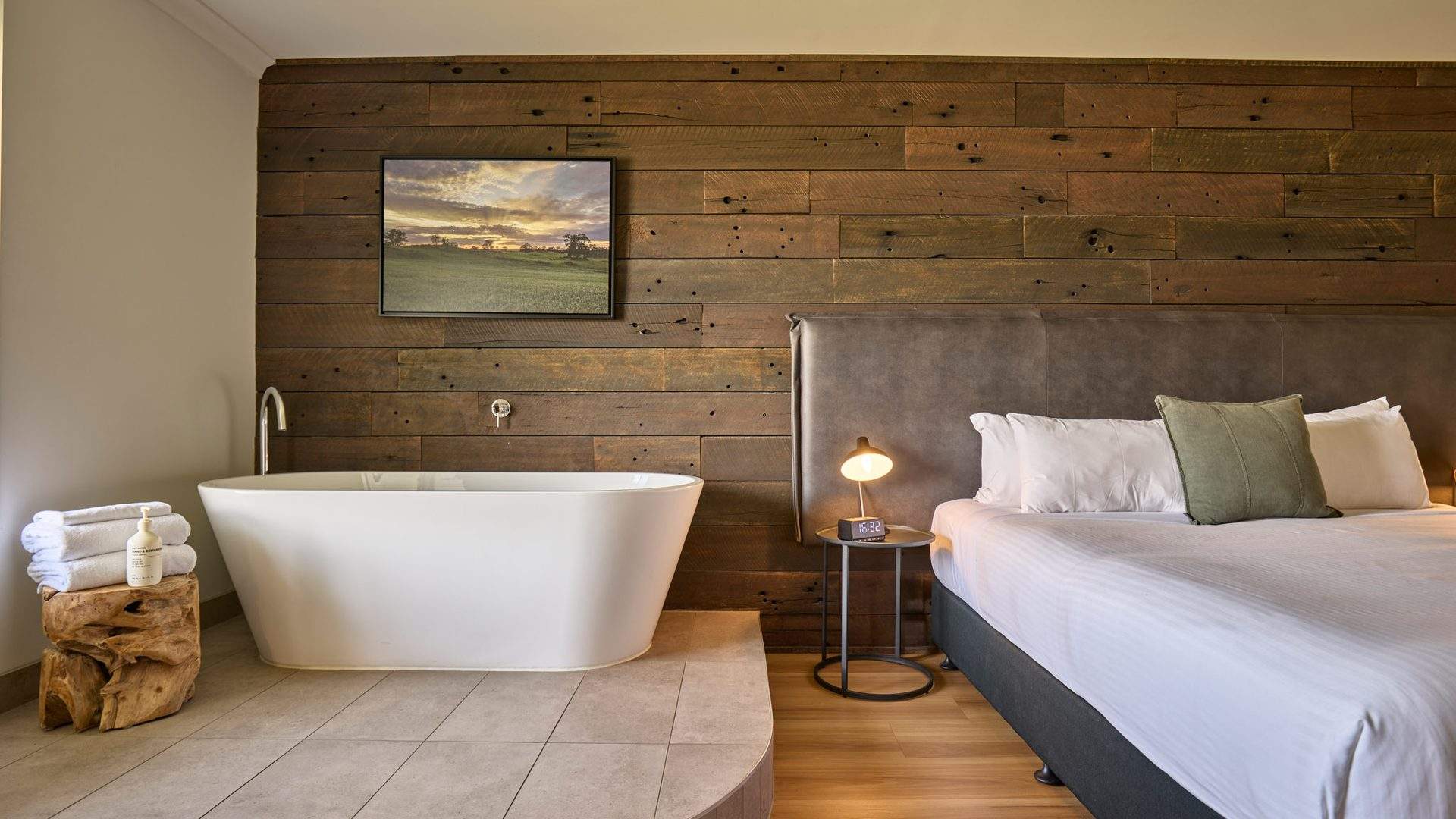
Base yourself on Murray Street in Tanunda, and you’ll be as well positioned as anywhere in the region. Our pick is the Mercure Barossa Valley, which sits at 235 Murray Street, trading locally under its old German name, the Weintal Hotel (weintal meaning “wine valley”). With free onsite parking, you have the option to leave your wheels for the day if no one feels like driving, or using a spittoon, that day.
Murray Street itself is reason enough to make a weekender out of the Barossa. It’s about as intact a 19th-century main street as Australia has left standing — heritage stone facades, an old general store turned Visitor Information Centre, the 1866 post office now doing time as the Barossa Museum — with Château Tanunda, Artisans of Barossa and the region’s better wine bars and kitchens all within a few hundred metres. Have a long lunch, and walk it off on the stroll home.
A Historic Region
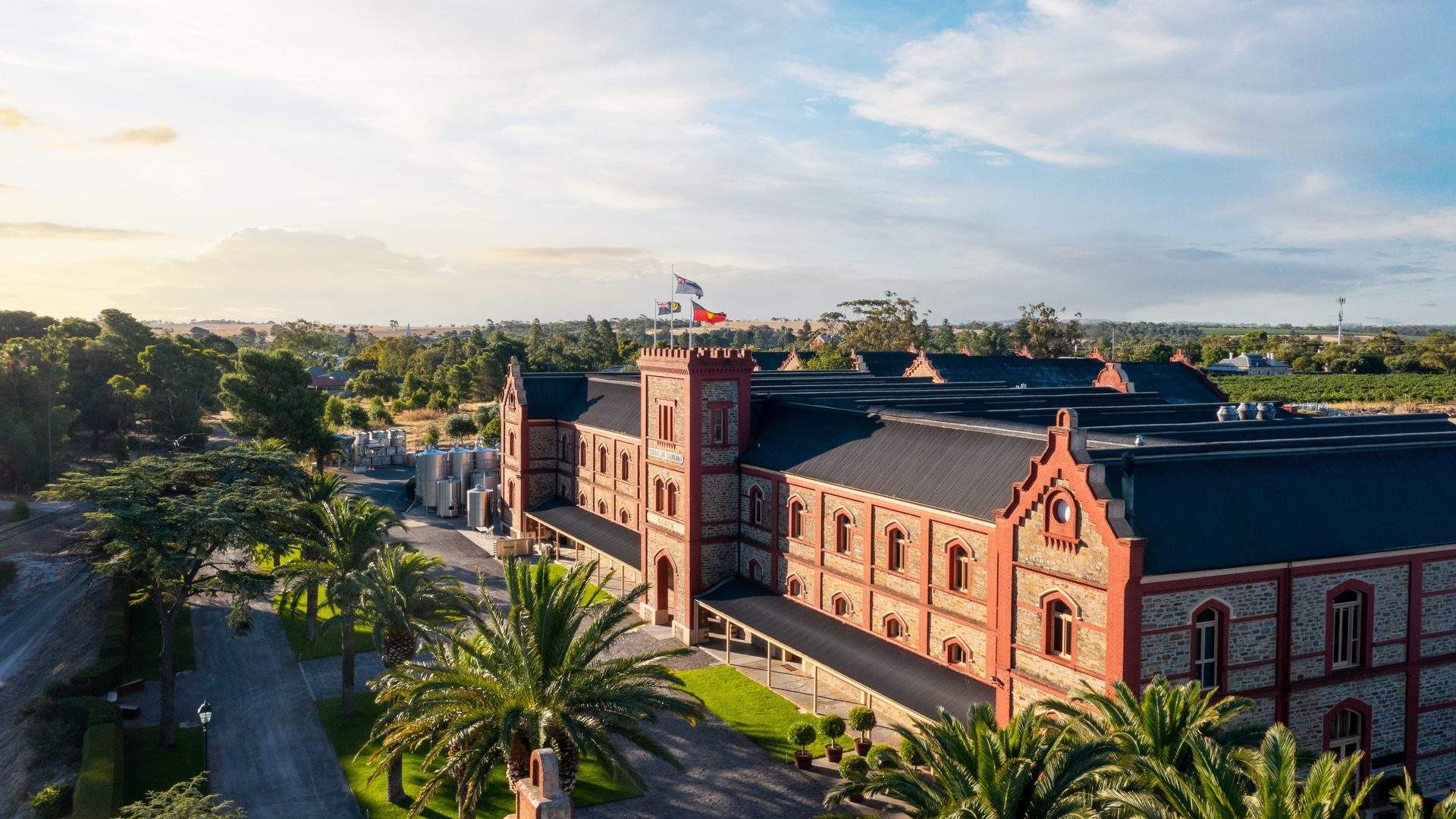
The Barossa’s history runs in two parallel lines. British gentry like George Fife Angas and Samuel Smith arrived with capital and ambition; Prussian Lutherans fleeing religious persecution arrived with almost nothing and built the towns from the ground up, working from dawn to dusk six days a week regardless of drought, flood or fire. Tanunda’s Tabor Lutheran Church, its 26-metre spire opened in 1850, is the clearest surviving marker of that second story, and it’s the reason the region still reads as more Barossa-Deutsch village than outback town.
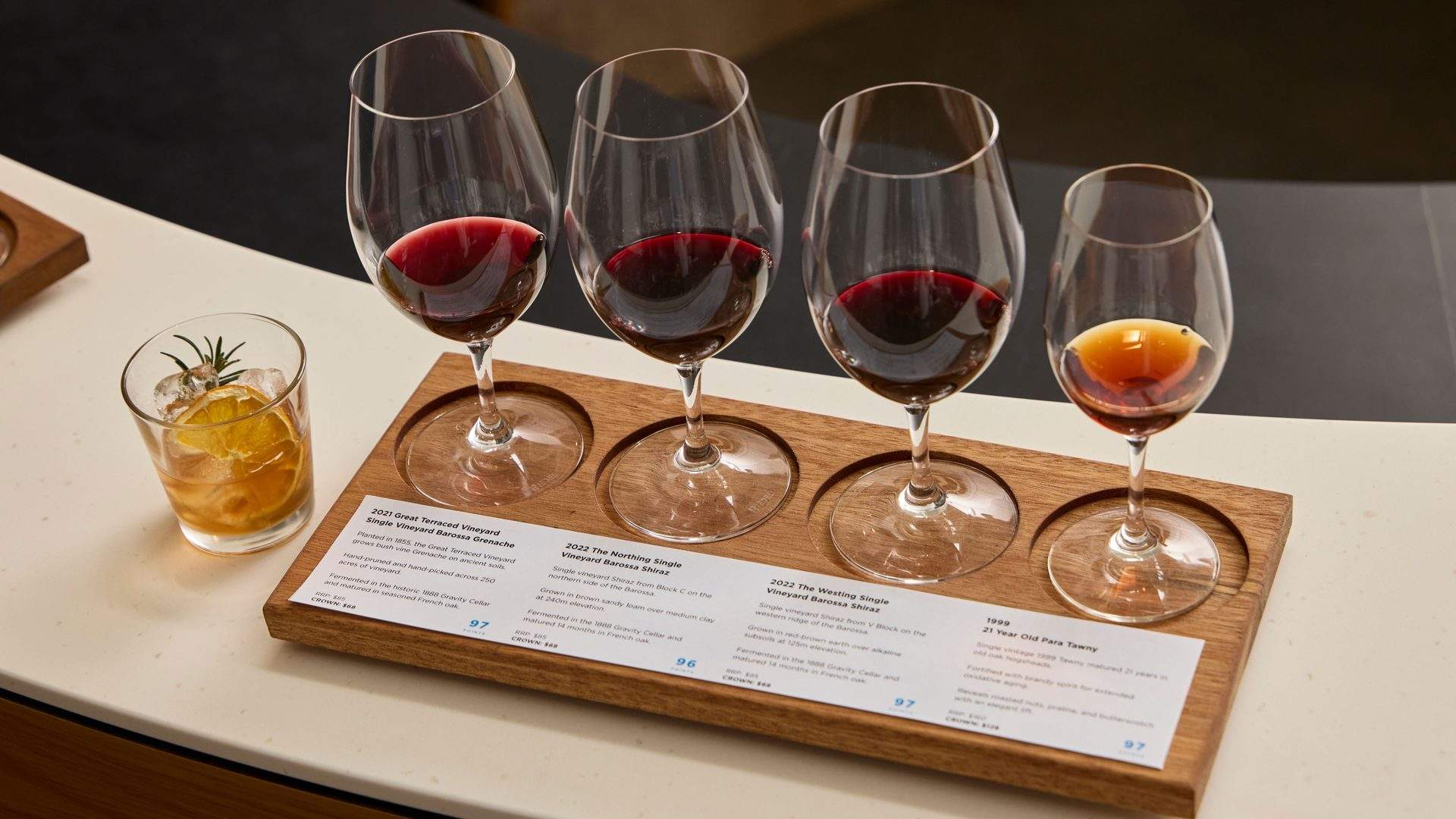
That same stubbornness is why some of the vines here are still producing at 180 years old. The Barossa’s Old Vine Charter protects the region’s oldest plantings — dry-grown, low-yielding, and largely untouched by the phylloxera that wiped out old vines almost everywhere else in the world — and Seppeltsfield’s 100 Year Old Para Liqueur, first laid down in 1878 and only ever topped up rather than bottled young, is as close as Australian wine gets to a living heirloom.
The Wineries: Icons, Old Guard and New
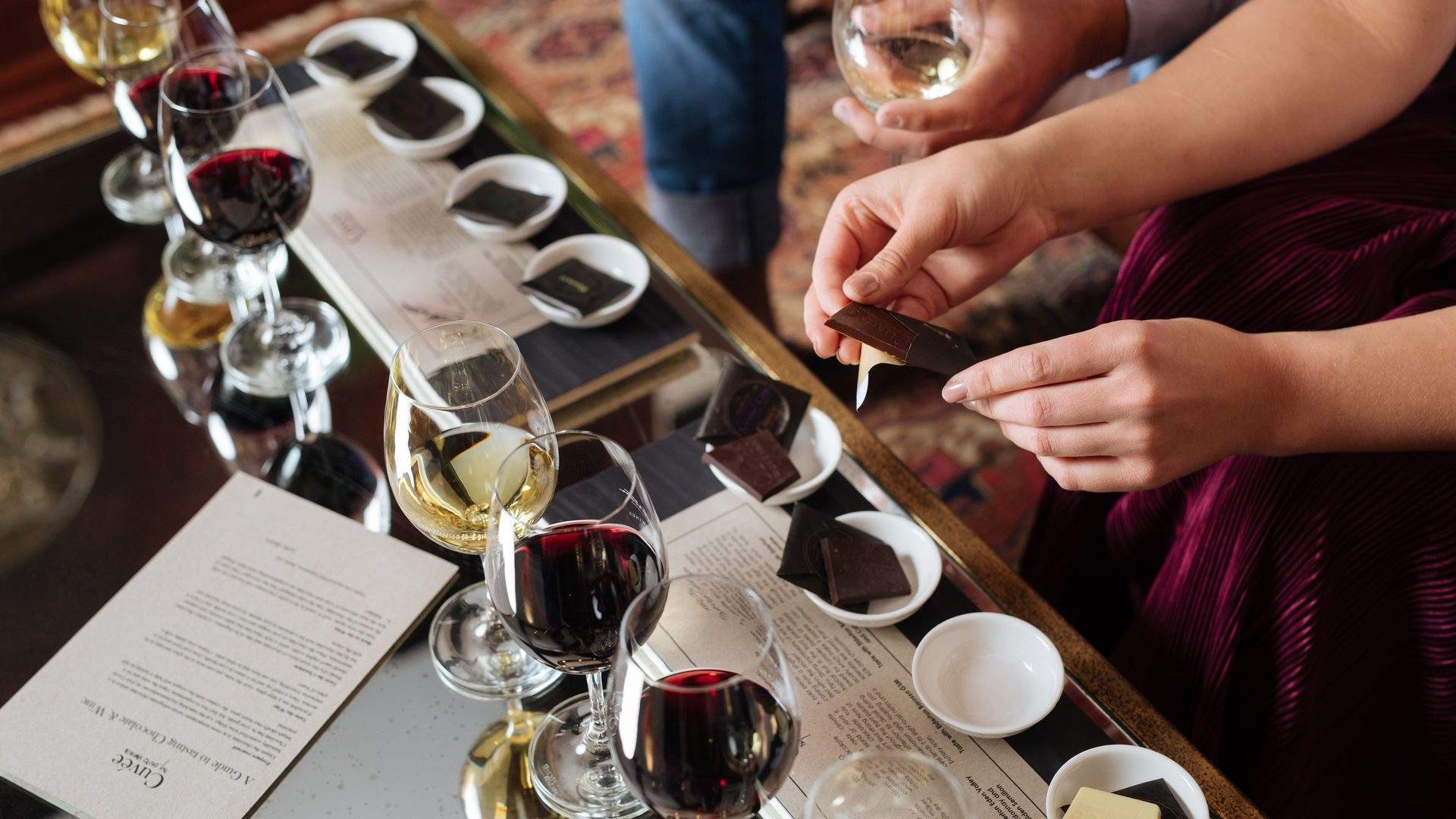
Split a Barossa wine list into three, and it reads like a timeline. The icons are the names that made the region famous: Penfolds, Seppeltsfield, Wolf Blass, Jacob’s Creek and Peter Lehmann — all built on the shiraz style famed Australian wine critic James Halliday describes as “lush, velvety and mouth-filling.”
The old guard are the multi-generational family wineries still working the region’s oldest sites: Langmeil, whose Freedom Vineyard shiraz dates to 1843; Turkey Flat, planted in 1847; Rockford and Château Tanunda. The new guard is where you’re likely to find more blends and a range of varietals — so look for some of these names if a traditional shiraz or cabernet expression isn’t your thing: Teusner, Spinifex, Massena, John Duval, Hentley Farm and Sons of Eden, to name just a few.
Where to Eat and What to Do
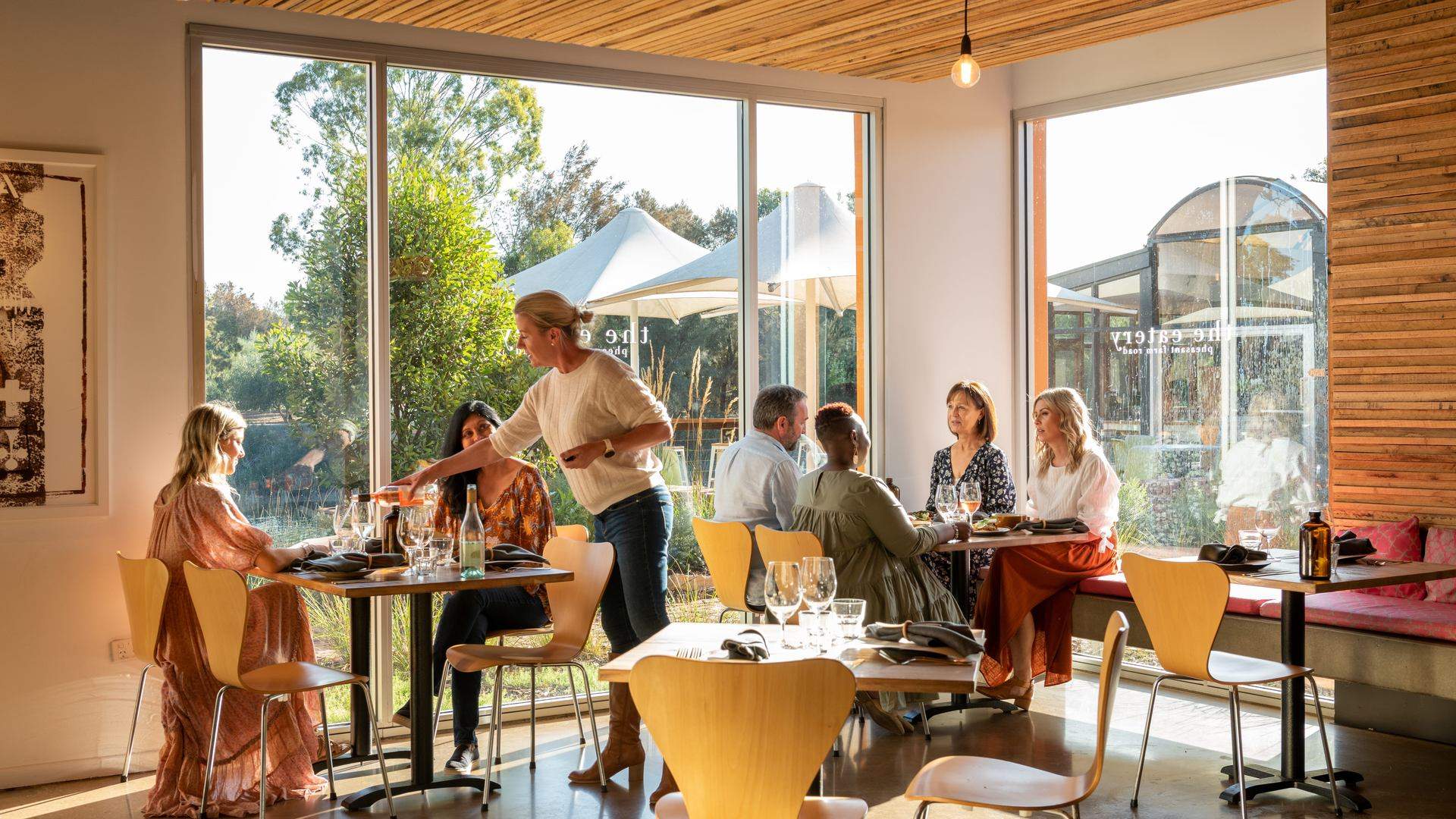
Tanunda’s Murray Street is the heavy hitter for dining and tourism in the region: fermentAsian for Vietnamese-heritage cooking built on its own garden produce, 1918 Bistro & Grill in a heritage home, Vino Lokal for wine-bar plates and modern European meets Australian at Essen in Artisans of Barossa.
A short drive out of town, the Atrium at Hentley Farm builds its degustation around foraged ingredients, and Appellation at The Louise does the same over vineyard views. Vintners Bar & Grill in Angaston is the local all-day standby — handy, since it backs onto the Barossa Farmers’ Market every Saturday morning.
If you’re a Maggie Beer fan, you have to save half a day to explore the family’s Farm Shop in Nuriootpa, pheasant pâté and all. Book into one of the cooking classes rather than just passing through the shop, and you’ll leave with a better sense of what the region’s produce is actually for than any cellar door will give you. Alternatively, pick up a grazing plate at the shop and snack around the grounds while you explore.
Getting Home
If the flight out doesn’t line up with a Barossa morning, break the drive back up with a night in the Adelaide CBD before you fly. The Pullman Adelaide is a straightforward run back down from Tanunda, and the Hindmarsh Square address puts you within walking distance of the Adelaide Central Markets and the well-appointed East End Area.
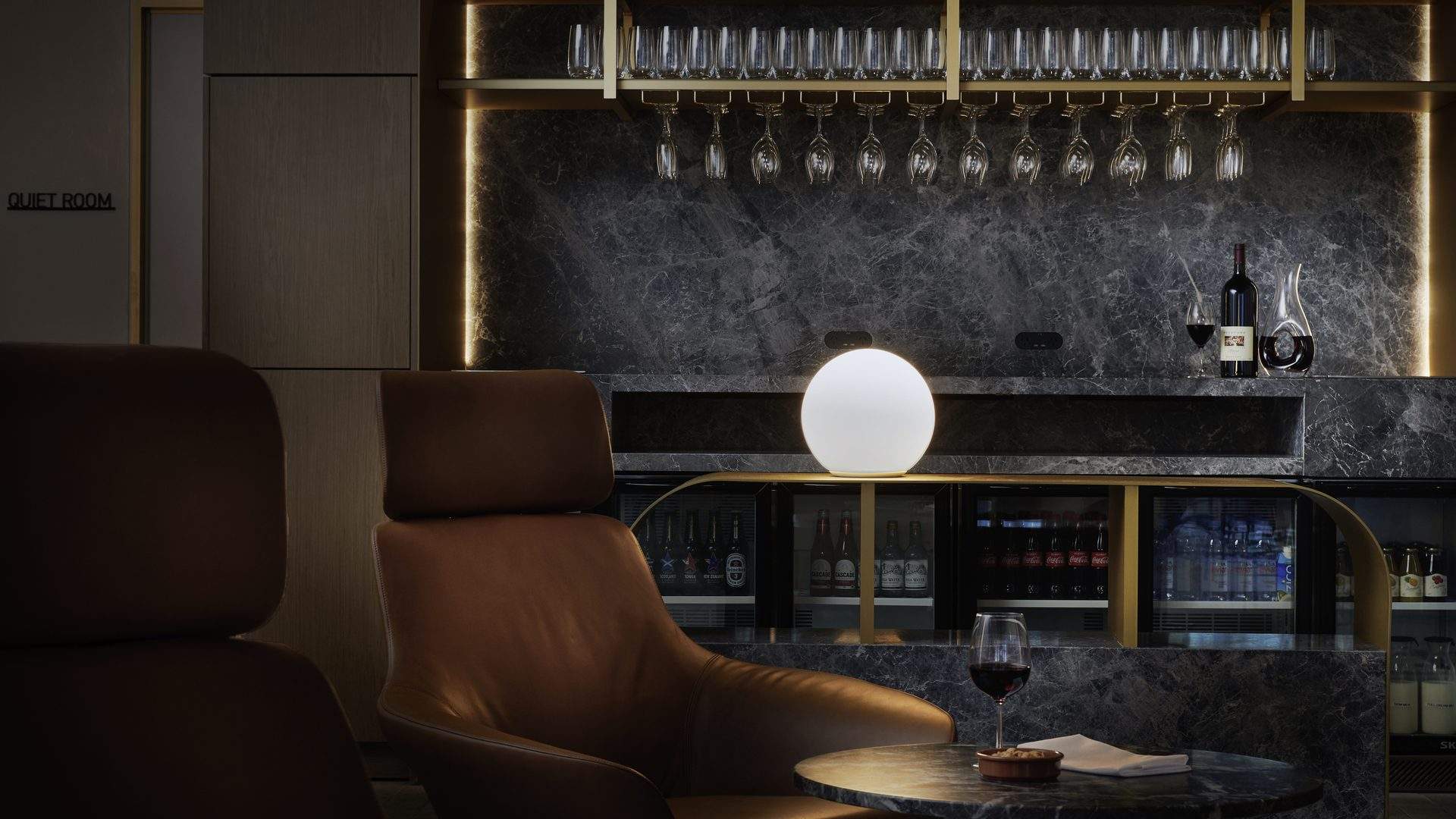
Or, stay in — PARC Brasserie & Bar on the hotel’s ground floor keeps its wine list split evenly between Australian and European bottles, Barossa Valley included, so the last glass of the trip can still be a red from where you’ve just been.
Concrete Playground travelled as a guest of Turo and Accor.
Images: supplied by Turo and Accor, and courtesy of Seppeltsfield, Château Tanunda, Elderton Wines and the South Australian Tourism Commission