This Just In: Uber Eats Joins the Opposition Against Queensland's Controversial E-Bike Laws
The proposed crackdowns on accessible bikes are now being decried by everything from local councils to delivery platforms.
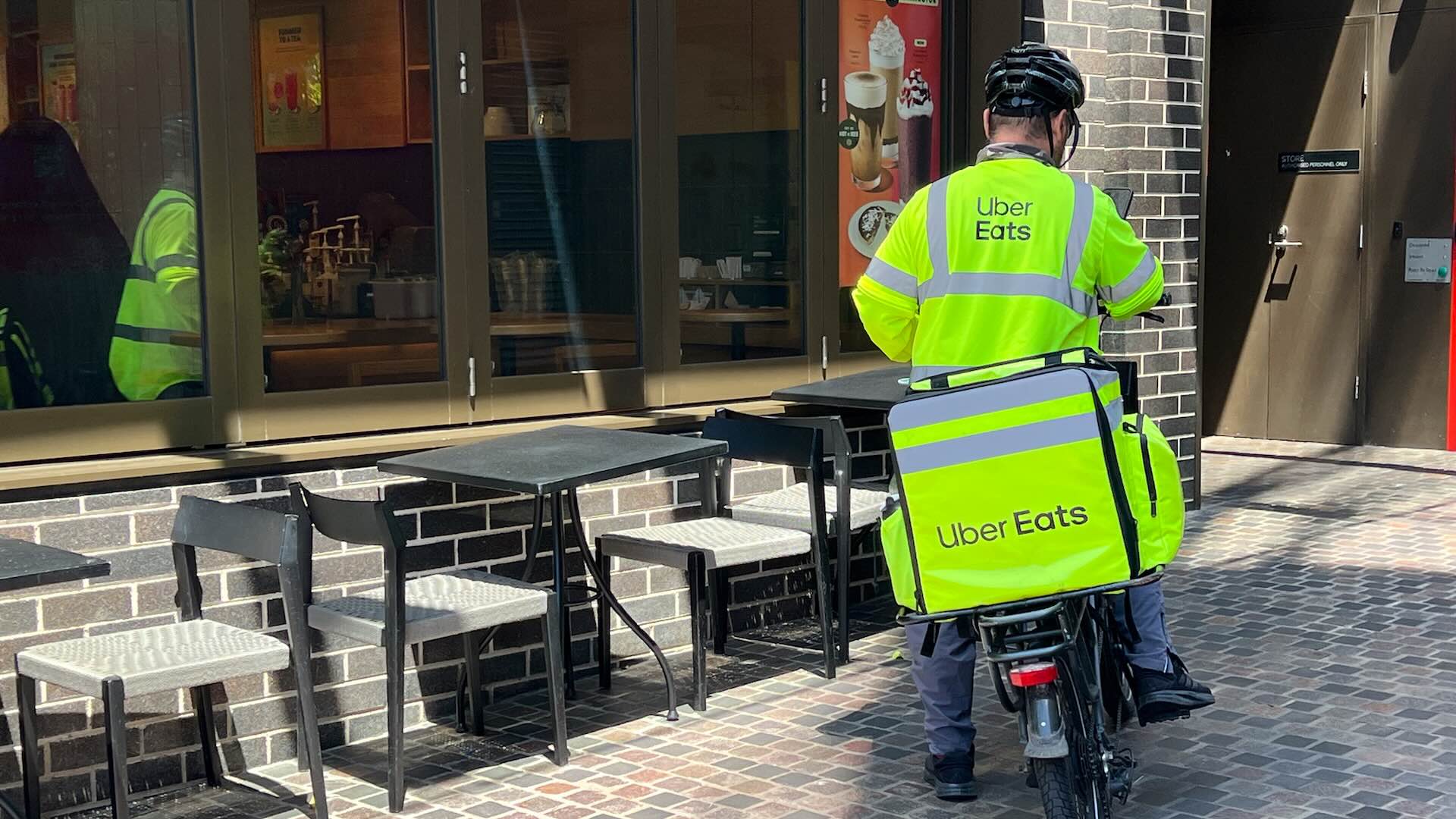
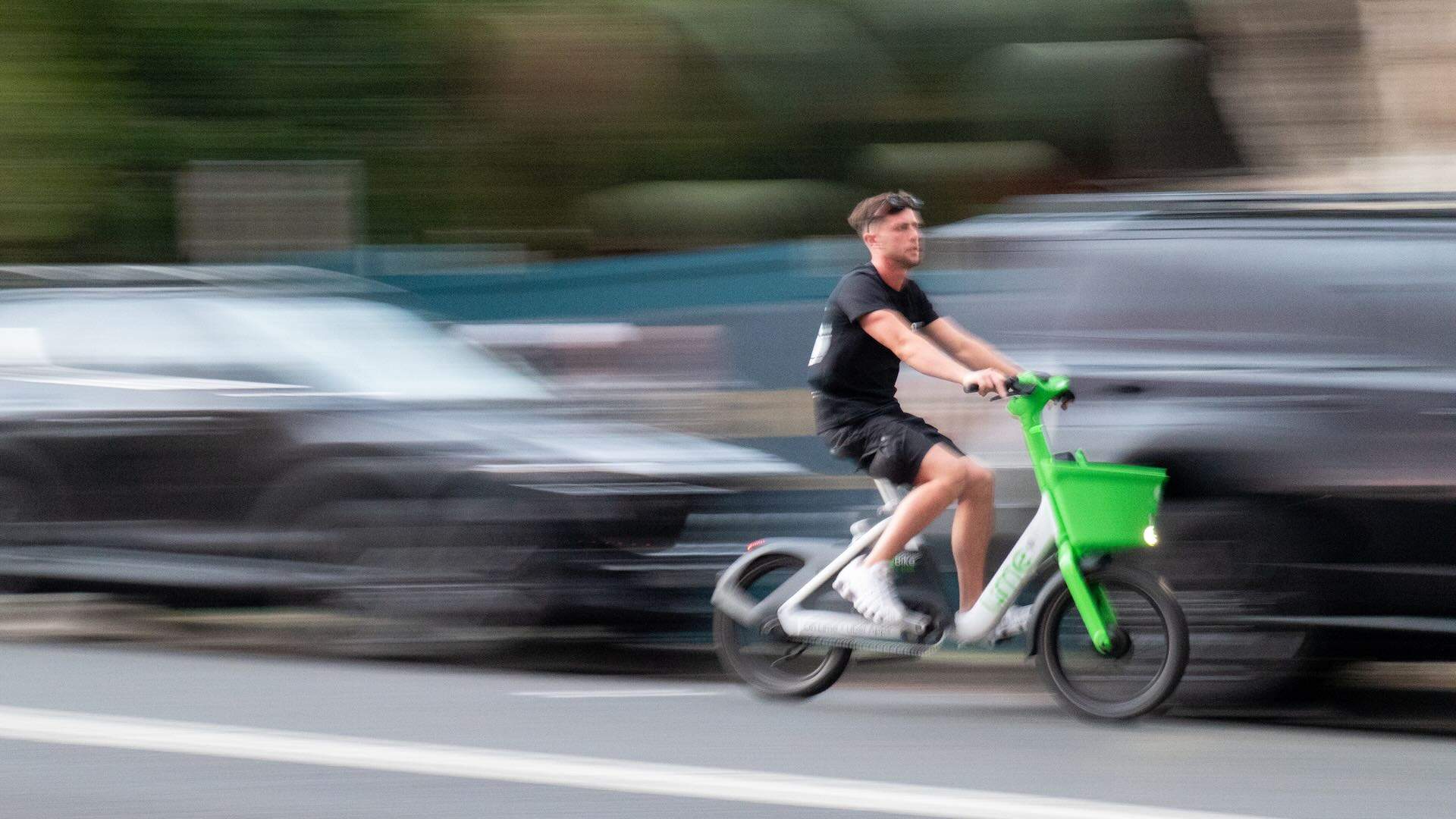
Electronic bicycles, or e-bikes, are at the centre of a raging debate in Queensland after controversial new laws were put forward in the Queensland Parliament to crack down on irresponsible use of the accessible vehicles. However, many consider them to be excessive in their enforcement — with everything from local councils to now food delivery platforms voicing their concerns over the restrictions.
Under the proposed laws, which expand on existing restrictions, e-bike riders over 16 will now be required to be medically fit and hold a valid driver's or learner's license. Queensland Police will be permitted to perform random breath tests on riders and seize the vehicles of riders who violate laws. Parents will be held liable for underage riders, and all riders will be required to obey a ten-kilometre-per-hour speed limit on shared public footpaths.
Uber Eats joins other delivery platforms decrying the laws, warning that the reforms could lead to personnel shortages and delayed deliveries, as many delivery personnel, 89 percent of whom bear international passports in Uber's case, rely on e-bikes to perform their duties as they don't hold or cannot acquire motor vehicle licenses.
View this post on Instagram
Three-year learner licenses in Queensland cost $77.55, and the PrepL Course for learners is $28.70. Uber is using these expenses to argue that the legislation will add a major administrative and fiscal burden for drivers, saying in a statement, "For individuals seeking flexible or supplementary income, particularly during a period of cost-of-living pressure, this is a material barrier to entry," adding that its delivery network supports almost 10,000 vendors in Queensland that rely on delivery services to reach customers.
Another delivery service backing the opposing argument is DoorDash, which said, "For riders working limited hours or using delivery as supplementary income, this cost is likely to deter participation or force exit."
iStock
The providers join Queensland cycling communities, tourism boards and local councils — Gold Coast City Council Chief Executive Tim Baker said the speed limit in particular is "paradoxically creating a greater safety hazard" — in decrying the laws, which are currently before committee and are set to go into effect during a six-month transition period beginning on Wednesday, July 1.
Images: iStock
Like what you see? Subscribe to the Concrete Playground newsletter to get stories just like these straight to your inbox.