
Three Women Photographers You Should Know from Australian History

Olive Cotton, Sue Ford and Tracey Moffatt represent strong and pioneering artists who have pushed technical and conceptual boundaries. All three of these women have battled personal hardships, were dismissed professionally and have been historically overlooked to some extent. Luckily, The Photograph and Australia at the Art Gallery of New South Wales contextualises them amongst their male counterparts. Coinciding with first, second and third wave feminism, they defiantly stepped into the male-dominated arena of photography.

The Photograph and Australia exhibition is closing on June 8, so if you want some one-on-one time with these inspiring artists, you'd better get moving.
1911 – 2003

OLIVE COTTON

Her life: Olive Cotton entered the annals of history when a major retrospective of her work toured across the country in 1985. Hailing from Sydney’s northern beaches, she was born to an artistically inclined family and given a Box Brownie camera at the tender age of 11. Putting her own spin on the Pictorialist style that was popular at the time, she captured subtle patterns in urban and natural environments, magnifying fine details. In spite of the sexism she encountered, Cotton persisted to work professionally, cultivating her skills and experimenting with new equipment. After a brief marriage to fellow photographer Max Dupain, she relocated to western New South Wales, living out a quieter life. It wasn't until she was well into her 70s that her photographs began to attract national recognition.

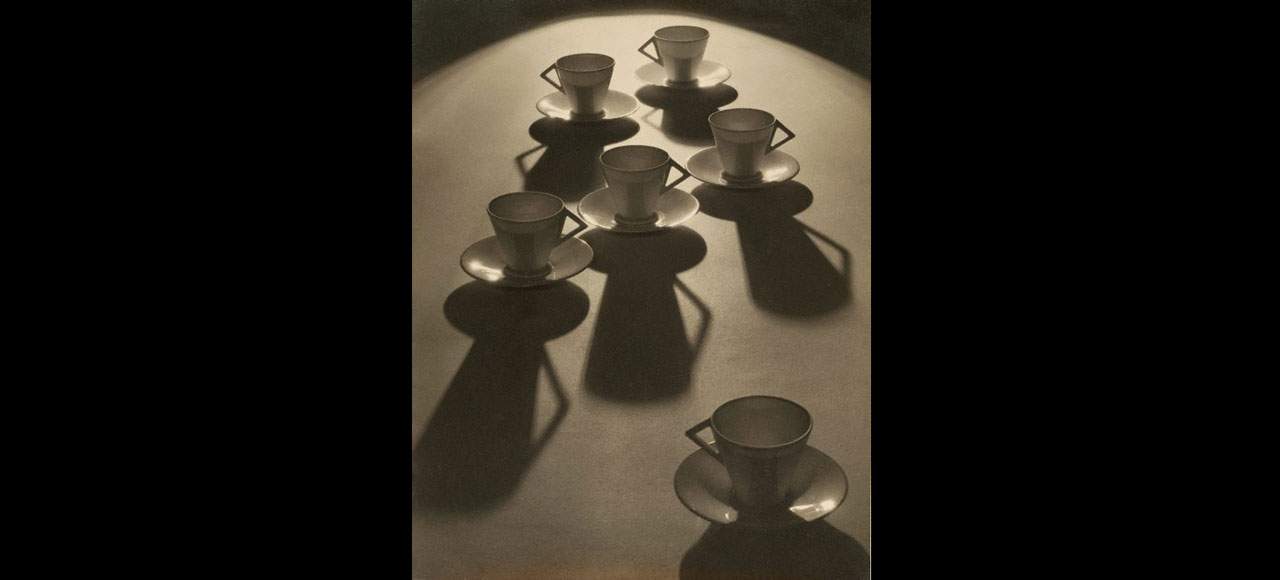
Her work: Tea Cup Ballet (circa 1935) is perhaps Olive Cotton’s most recognised work. Making characteristically good use of light and shadow, she transforms cheap crockery into elegant dancers. Her rigorous attention to form meant that she largely worked in controlled studio environments.

With her bold compositions and simple subject matter, her style suited the aesthetic examinations of Modernism. Cotton’s lyrical and contemplative images have a timeless quality, showcasing her sharp understanding of the exciting new language of photography.

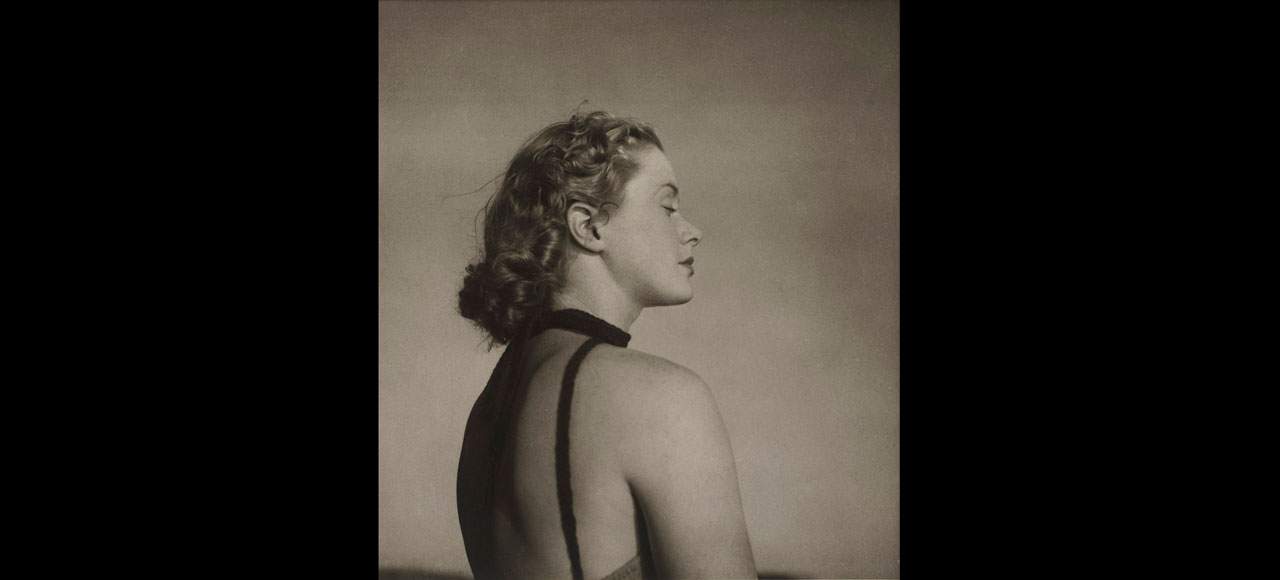
Look for Only to taste the warmth, the light, the wind at The Photograph and Australia. An ode to warm weather and dreamy days, this wistful portrait reeks of 1930s romance. The title was taken from an 1895 poem by Laurence Binyon, ‘O summer sun.’ Found in the late ‘90s, it has only recently become one of Cotton’s most iconic images, standing out amongst her repertoire of nature photographs.

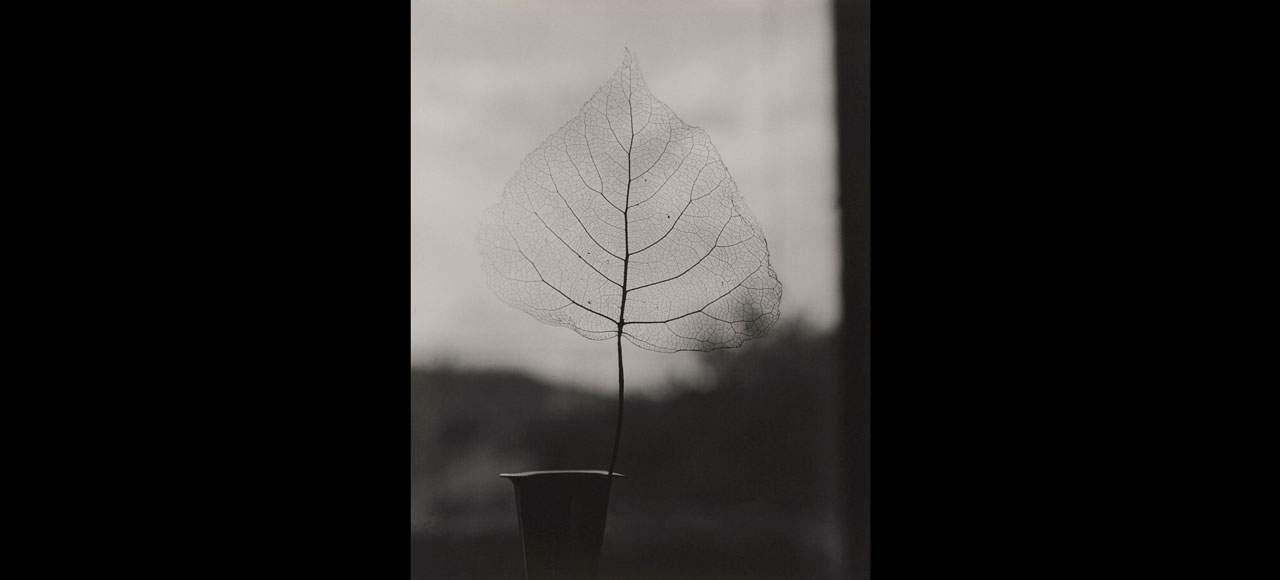
Images: (1) 'Only to taste the warmth, the light, the wind' (c1939), gelatin silver photograph; (2) 'Tea cup ballet' (c1935), gelatin silver photograph; (3) 'Skeleton leaf' (1964) gelatin silver photograph, vintage. All images courtesy of the Art Gallery of NSW.

1943 – 2011

SUE FORD

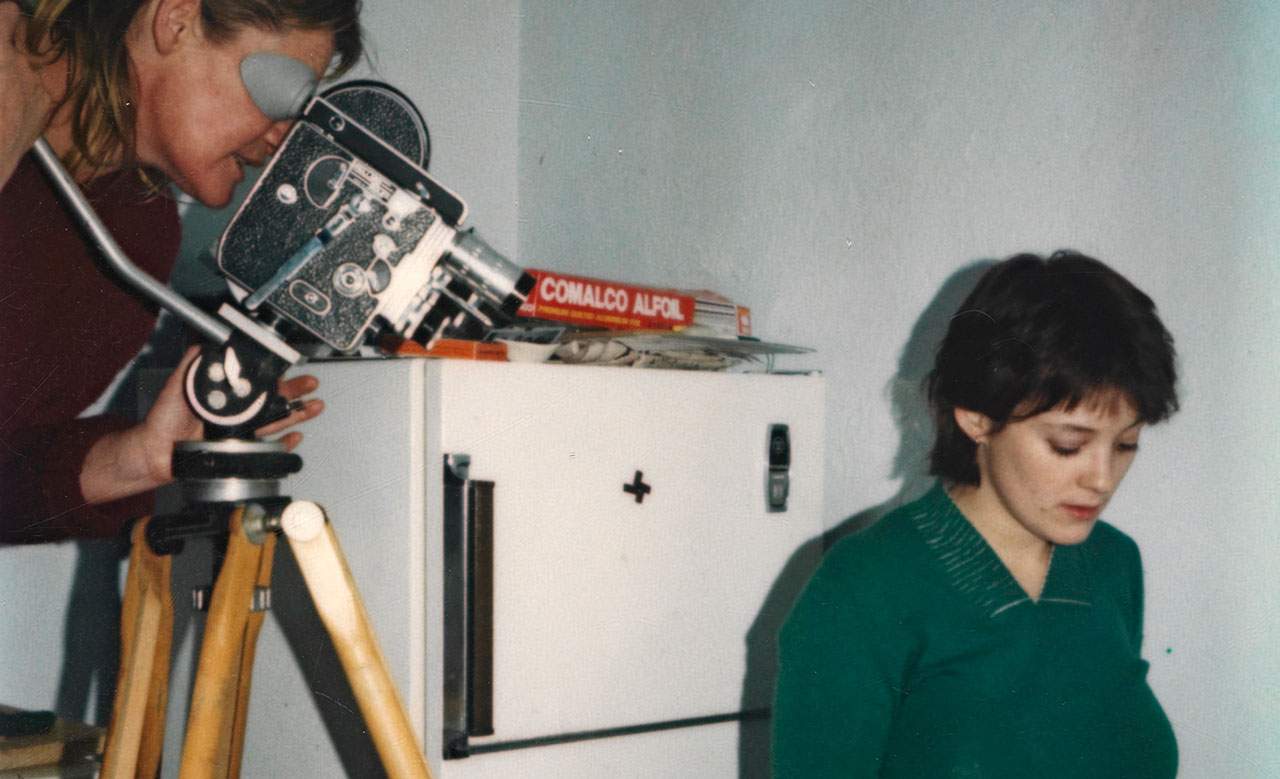
Her life: A feminist maverick and avant-garde filmmaker, Sue Ford exemplified the ‘60s catchphrase 'making the personal political'. After being sexually harassed by a lecturer at university, she cut short her education and opened a studio in Melbourne. Spreading her talents across multiple projects, she became known for her experimental and often collaborative ways of working. In 1974, she became the first woman to have a solo show at the National Gallery of Victoria.

Her work: Unlike Olive Cotton, Ford’s images are much more spontaneous and inflected with a raw honesty. Seizing the many opportunities offered by photographic technology, she embraced multimedia and carved out her own aesthetic style, which was simultaneously understated and ambitious. In some ways, she is a precursor of the modern selfie, turning the camera on herself in a way that might be suited to social media. There is a deeply humanist instinct that seems to guide Ford's approach to photography; she shared an intimacy with her subjects that was blind to the bigotry of social and cultural hierarchies.

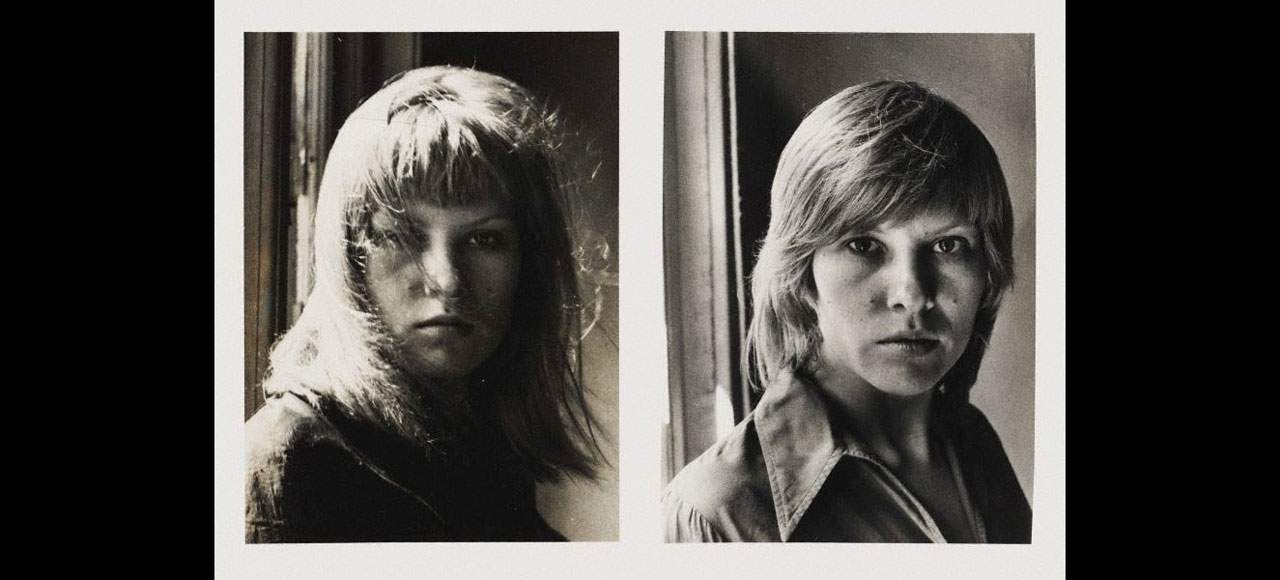
Time Series (1974) is considered a groundbreaking slice of Australian history. It comprises two black-and-white sets of photographs of the same subject taken ten years apart. Photographer Ponch Hawkes has claimed that Ford introduced the notion of ‘the series’ in Australia.

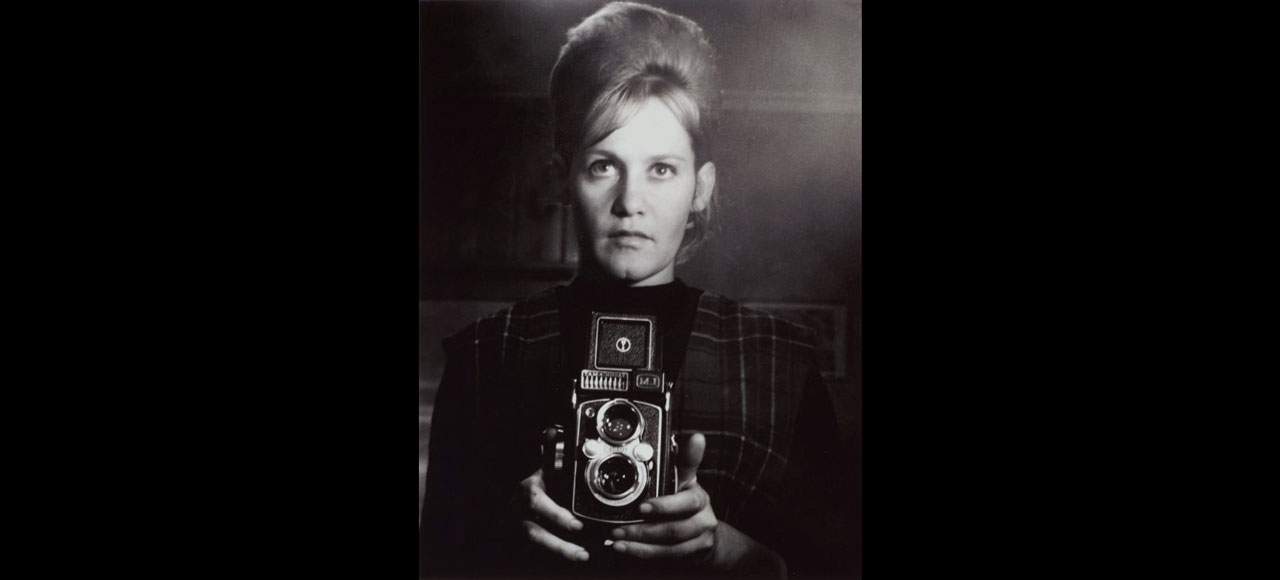
Look for Self Portrait at The Photograph and Australia. In one of her characteristically plain settings, this is one of the many self-portraits taken by Ford. There is always a dynamic relationship between the subject and technology in her work, as if she is constructing multiple layers of seeing. Also, revealing the apparatus used and the time taken to make the image tend to be the most consistent features of Ford's practice.

Images: (1) 'Self-portrait 1986' from the series 'Self-portrait with camera' (1960–2006), colour Polaroid photograph; (2) 'Annette 1964, Annette 1974', from the 'Time series', gelatin silver photographs; 1974 'Self-portrait 1961' from the series 'Self-portrait with camera' (1960–2006). All images courtesy of the Art Gallery of NSW.

1960 and still going strong

TRACEY MOFFATT

Her life: Tracey Moffatt is one of the biggest names in Australian art. With a long list of accolades, she has built an international reputation as a respected photographer and filmmaker. She had a troubled childhood before spreading her wings at art school. Breaking onto the scene in the late ‘80s, Moffatt’s early work explored rural Australian life in imaginative and cinematic ways. After a stint living and working in New York and exhibiting at various biennales, a 2003-4 mid-career survey of her work broke attendance records at Sydney’s MCA.

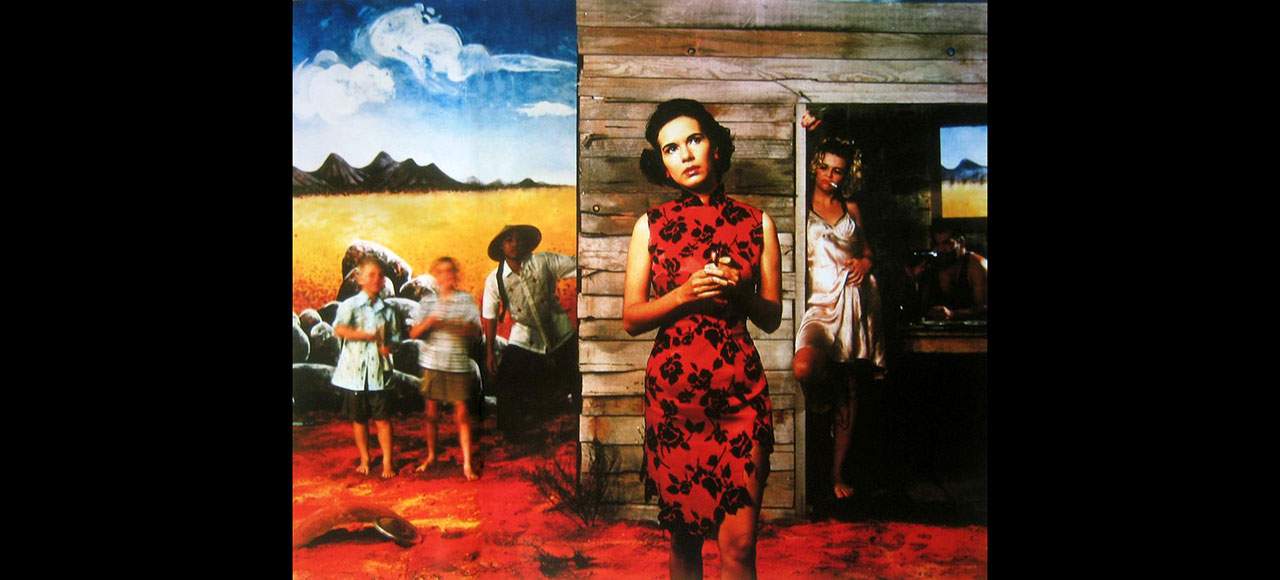
Her work: Moffatt has mastered the art of blending fiction and reality. She weaves childhood memories and fantasies into highly stylised images that hint towards a narrative. The photographs from her critically acclaimed Something More series (1989) are full of vibrant colours and theatrical ambiguity.

Paying homage to turn-of-the-century photographers such as Alfred Stieglitz, there is a softness and an old-world romance that mingles with contemporary race relations. Moffatt is generally quite private and elusive, refusing to explain her practice in great detail. There is always an air of mystery to her work — everything is suggestive or implied.

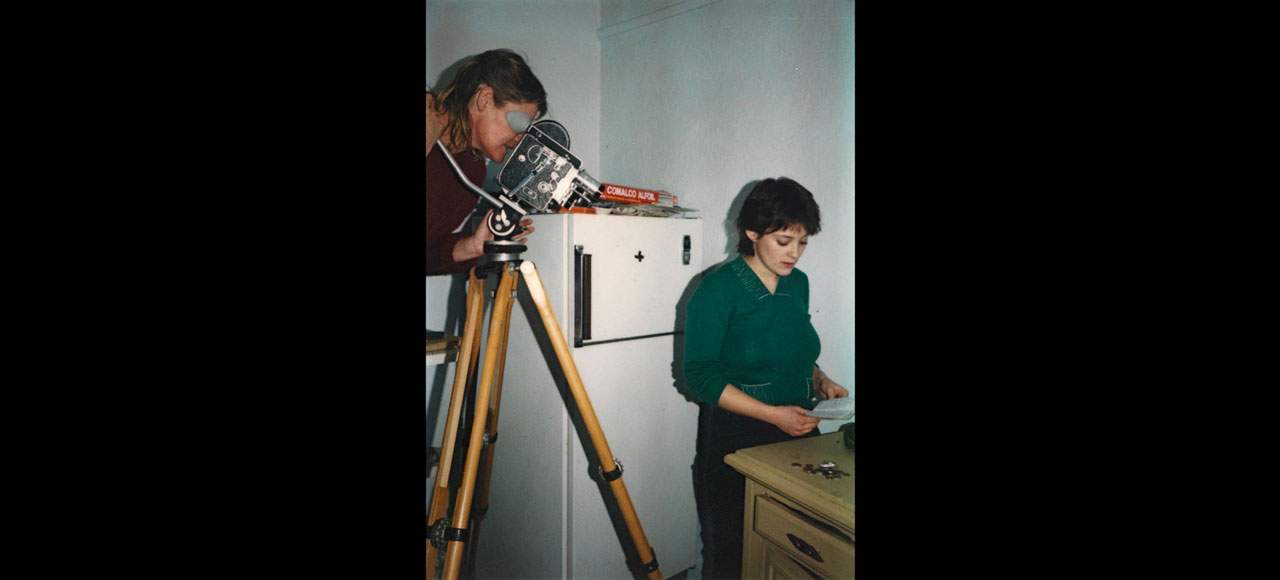
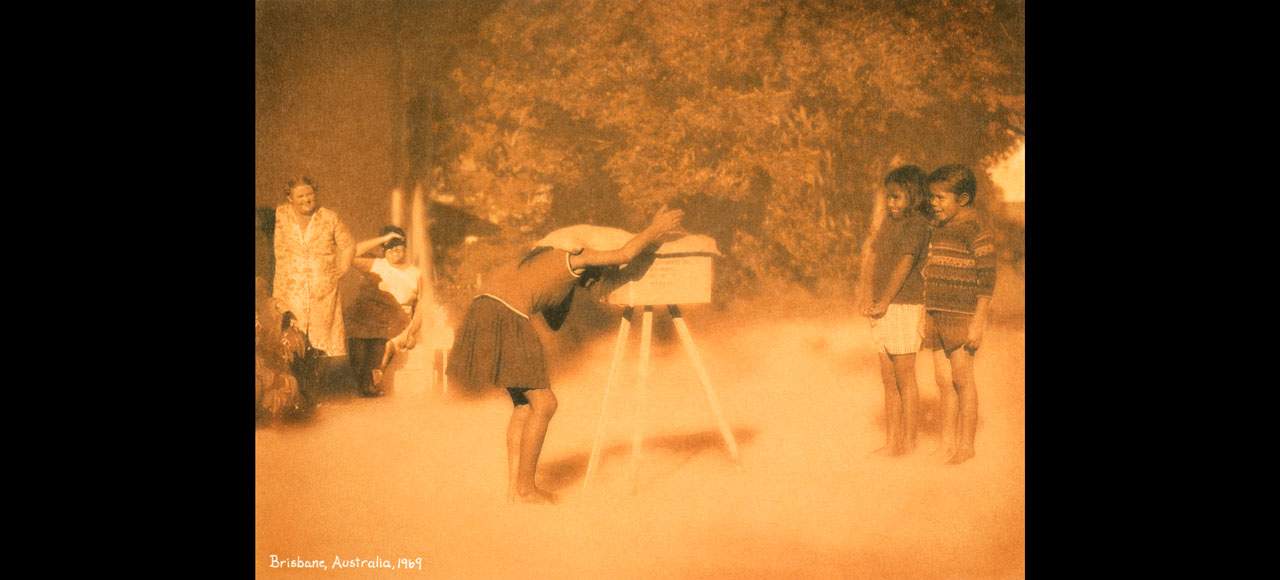
Look for I Made A Camera at The Photograph and Australia. At eight years old, Moffatt fashioned her own camera out of a cardboard box. Reconstructing her memories, this sepia image is a nostalgic throwback to childhood and the imaginative possibilities of playtime.

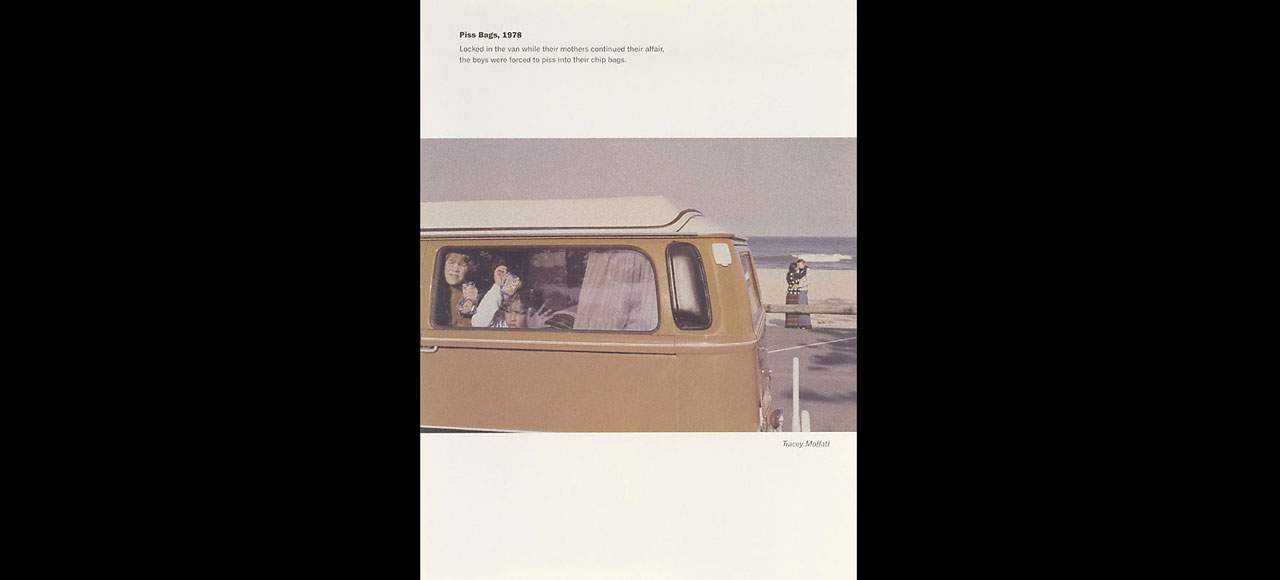
Images: (1) 'I made a camera' (2003), photolithograph, collection of the artist, courtesy Roslyn Oxley9 Gallery; (2) 'Something more 1' (1989) from the series 'Something more', Cibachrome photograph; (3) 'Piss bags 1978' (1999) from the series 'Scarred for life II', photolithograph. Courtesy of the Art Gallery of NSW.

Tap and select Add to Home Screen to access Concrete Playground easily next time. x