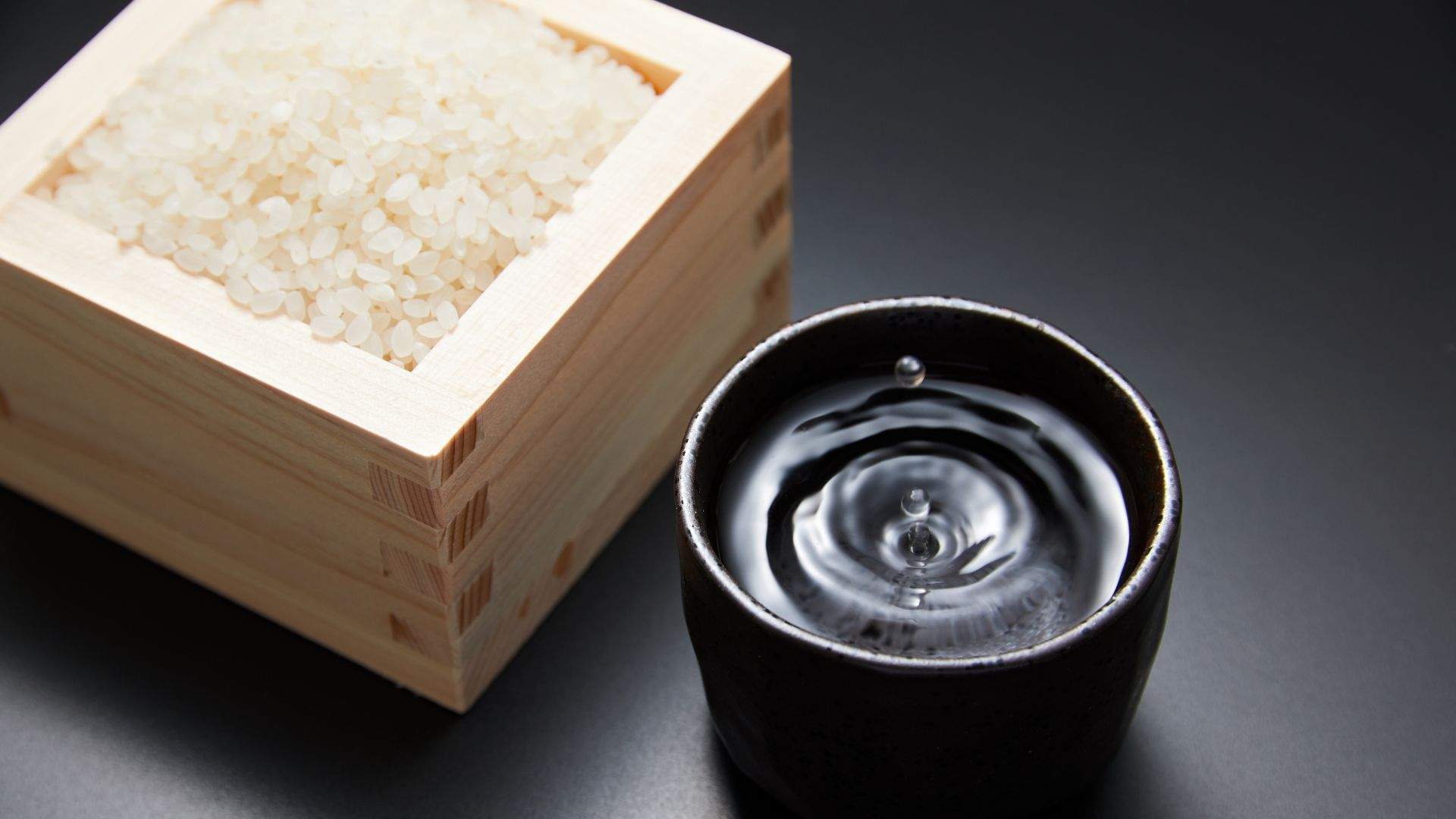
Rice Vodka
As drinks go, few are as (literally) polished as rice-based vodka.
Take a sip and imagine plunging your face into a mountain stream — icy, clean, and quietly alive. That’s the first impression of rice vodka: crisp, pure, and softly spoken. It’s a spirit that doesn’t shout – it hums. And while it’s only recently found its way into modern cocktails and top-shelf bars, rice vodka draws on Japan’s long tradition of working with this humble grain.
If you’re more familiar with grain or potato vodkas, rice vodka offers a different clarity. Softer, rounder, subtly floral and delicate – a reflection of both the ingredient and the process. It’s also something of a hidden gem.
Here’s everything you need to know before your first sip.
Rice Vodka
Fun facts about

Koji mould — the same ingredient used in miso and sake — is sometimes used in rice vodka fermentation. It kickstarts enzymatic breakdown of rice starch into sugars, giving the spirit added depth and a hint of savoury elegance.
Rice vodka has been gaining traction globally for its smoothness and lower perceived burn. It’s often praised for being more delicate and nuanced compared to its potato or wheat counterparts — making it ideal for sipping or elegant cocktails.
Haku Vodka uses a proprietary bamboo charcoal filtration process developed by Suntory. Inspired by ancient Japanese water purification techniques, this method not only removes impurities but adds a soft minerality and smooth finish that sets Haku apart.
The final blending and filtration of Haku Vodka happens at Suntory’s Osaka distillery. It’s the same facility that produced Japan’s first vodka in 1956 — and remains a hub of craft and innovation to this day.
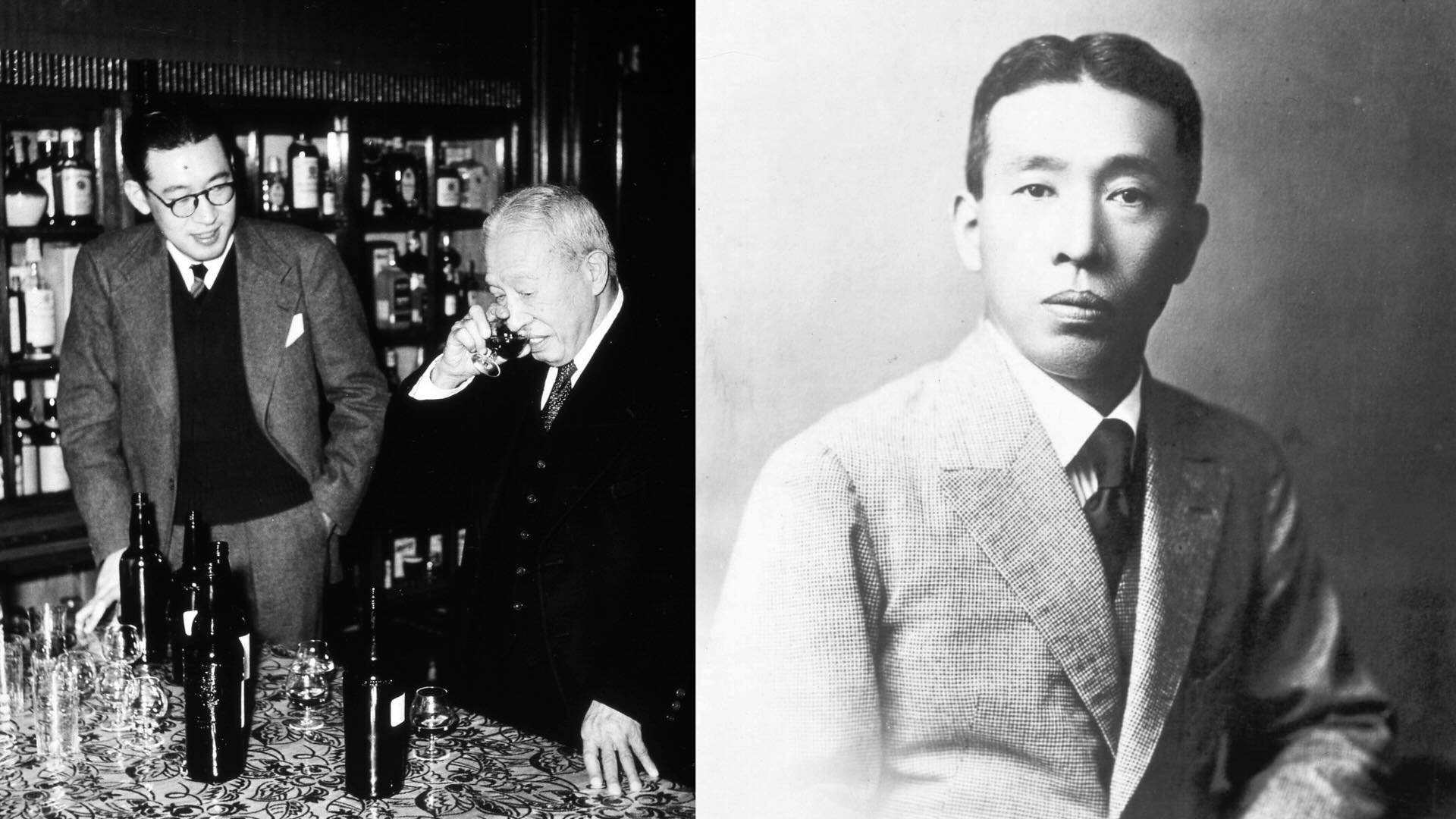
A Brief History
While vodka has long been dominated by grains and potatoes, Japan has quietly reimagined it through a rice lens. Rice spirits have been part of Japanese culture for centuries – from sake and shochu to the lesser-known awamori of Okinawa.
It wasn’t until 1956 that Japan released its first vodka, and decades later, the House of Suntory introduced Haku – a rice vodka that captured global attention for its smoothness and restraint. Named for the Japanese word “Haku”, meaning white, this vodka is both a nod to the past and a symbol of modern Japanese ingenuity, rooted in tradition.
Image courtesy of Suntory
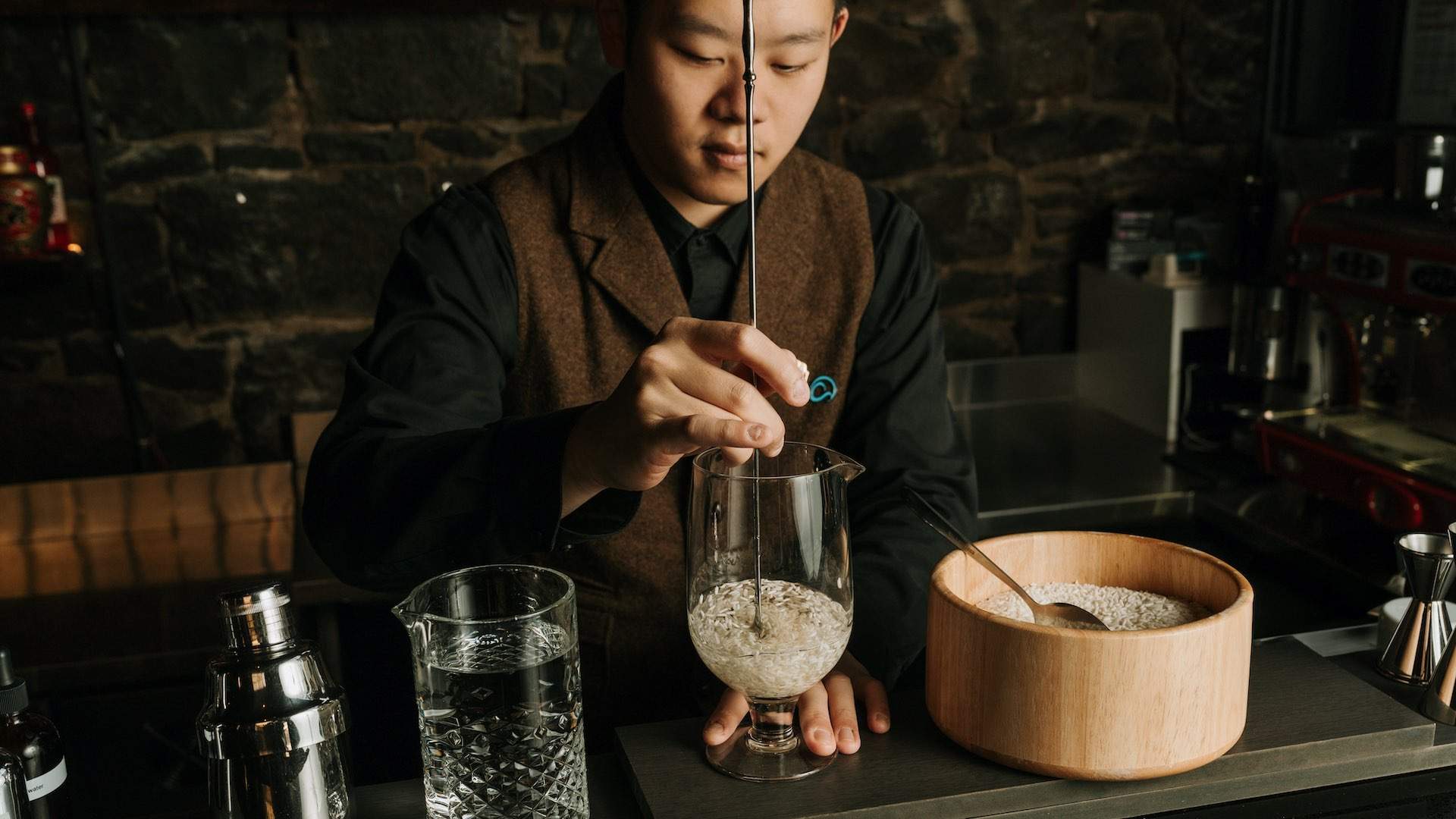
How It's Made
At its simplest, rice vodka begins with polished white rice. The starch is broken down, fermented, and distilled – often drawing on techniques borrowed from sake and shochu. Some distillers use koji mould to kick-start fermentation, introducing a savoury, umami edge to the spirit. Others focus on ultra-pure distillation, coaxing out smoothness and restraint.
With Haku Vodka, that clarity is taken further — made entirely from Japanese white rice (called hakumai) and filtered through bamboo charcoal, resulting in a vodka that’s clean, round, and unmistakably smooth. The process is guided by Monozukuri, the Japanese philosophy of craftsmanship — a relentless attention to detail that prioritises balance and harmony over flash.
Image by Arianna Leggiero
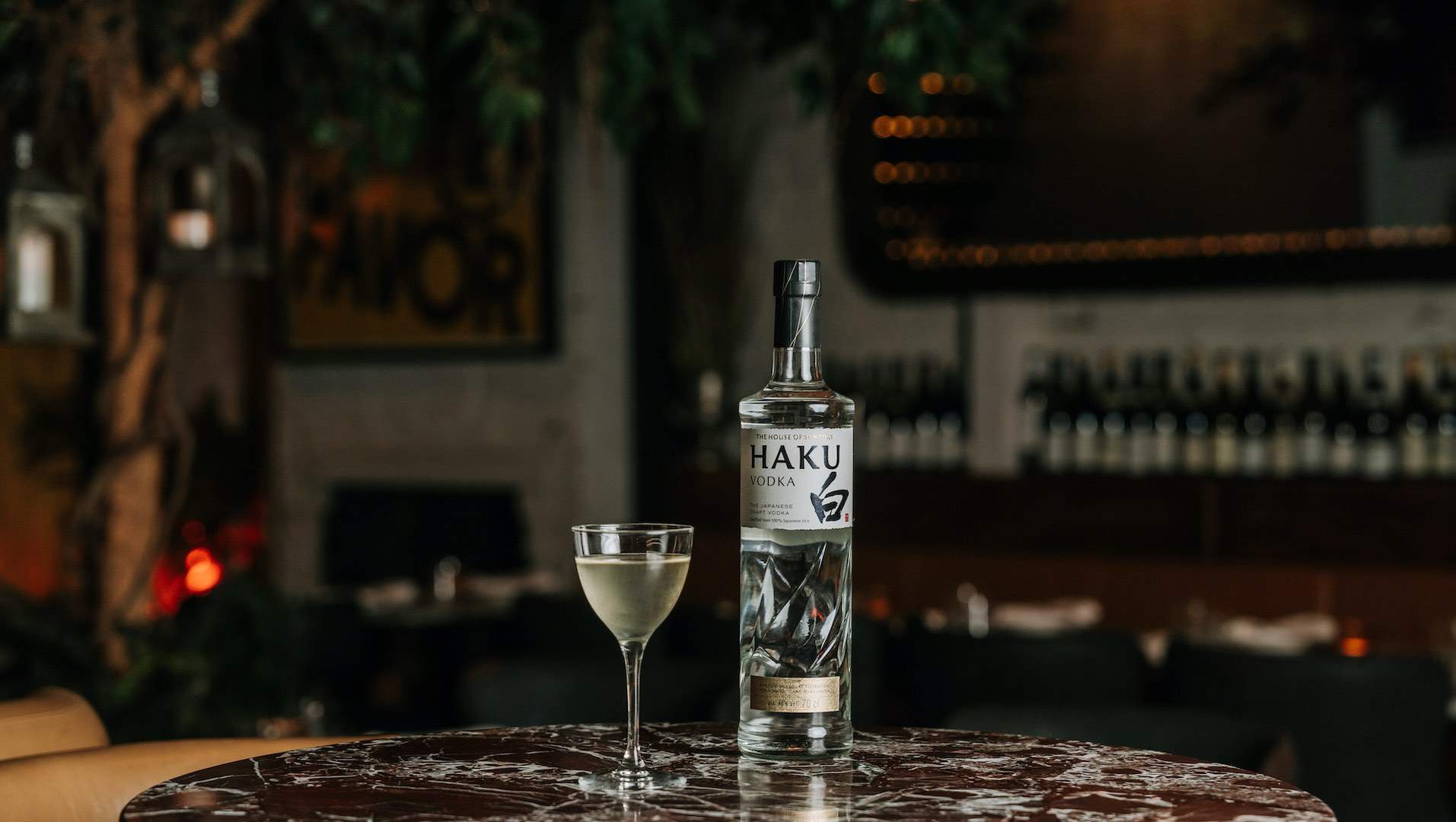
When and How to Drink It
Rice vodka is best enjoyed with a light touch – neat, on the rocks, or stirred into a martini with minimal fanfare. It’s a spirit that doesn’t demand attention but rewards it. Look for a serve that lets its softness shine: a clean martini, a highball with yuzu and soda, or even served like sake, chilled alongside dinner. Whether you’re winding down or settling in, it suits those moments when you want quiet luxury, not big statements.
This winter, Haku Vodka Martinis will be poured across standout Sydney and Melbourne venues, including Icebergs, Bar Sumi, Aster Bar, Yugen, and Black Pearl. Whether it’s the first sip of the evening or a sultry drink to close out the night, Haku suits settings where conversation lingers and the details matter. It’s not about theatrics but precise, calm, and quiet confidence.
Image by Arianna Leggiero
How to Serve it Right
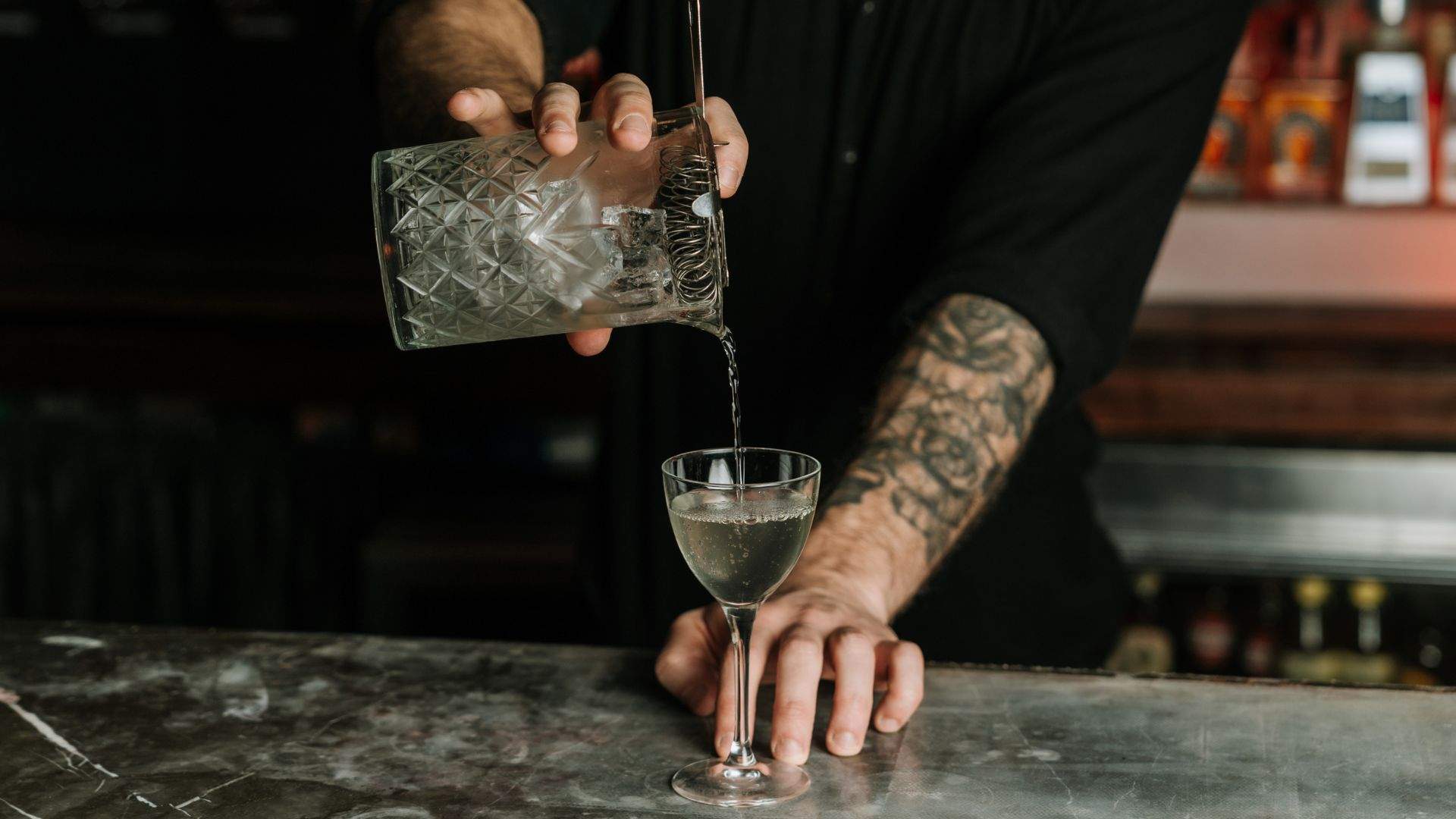
If there’s one place rice vodka truly shines, it’s in a martini. The soft mouthfeel and gentle sweetness of the spirit create a more textured, elegant version of the classic — one that’s less bracing and more composed.
Here’s how to make it sing:
Hakumai Martini
60ml Haku Vodka
10ml dry vermouth
Lemon twist
Stir over ice for 20–30 seconds, then strain into a chilled coupe or martini glass. Express the citrus over the top and drop it in. No fuss. No flourish. Just a perfectly weighted, almost velvety drink.
Image by Arianna Leggiero
What to Drink It With
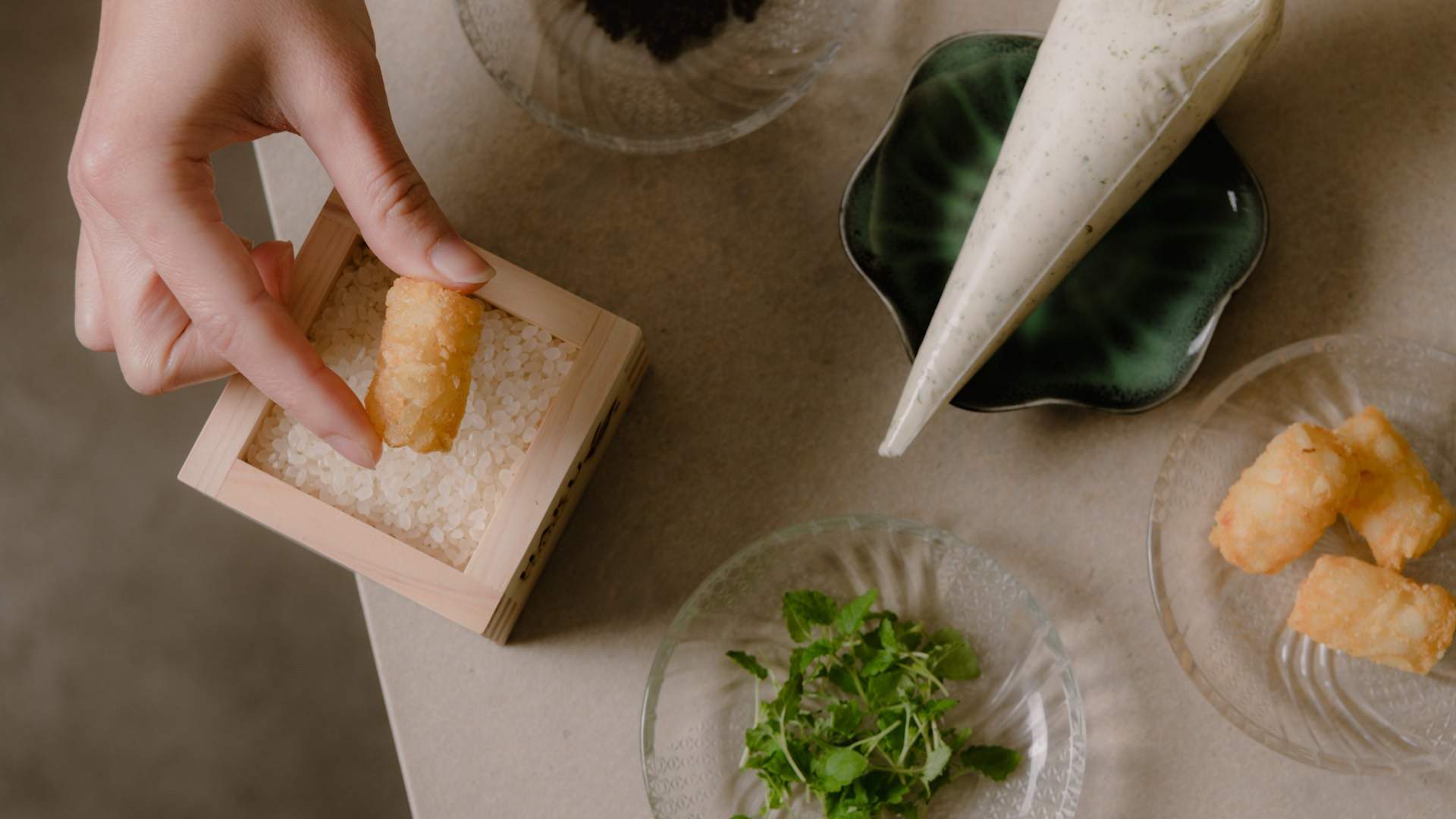
While rice vodka is seamless in a martini, its smoothness and subtle sweetness make it remarkably versatile at the table, from the classic vodka soda with a squeeze of lime to a Japanese take on a Moscow Mule using freshly muddled ginger.
Traditional pairings like sashimi, oysters or tempura eggplant still shine, but this style of vodka also plays beautifully with the unexpected. Try it during an omakase experience, alongside a buttery lobster roll or a ball of burrata drizzled with olive oil and salt.
The vodka’s softness can elevate a goat’s cheese tart just as easily as it can cut through the richness of caviar-topped crisps or a warm three-cheese toastie. Even something as simple as roast chicken with preserved lemon can let Haku’s quiet complexity do the talking.
Because when a spirit is this well made, it doesn’t need to shout – just the right match to help it sing.

You can try a Haku Vodka martini and dishes that honour hakumai at venues across Sydney this July and August, including Prefecture 48, Icebergs Bondi, Bar Sumi and The Roosevelt. And across Melbourne at spots like Curious, Holy Grail, Rossi and Yugen. To learn more about Haku Vodka, head to the website.
Images: Jiwon Kim, Arianna Leggierio