Egypt’s Facebook Revolution: Social Networks Changing Society
Facebook and Twitter are turning out to be having a revolutionary effect in politics around the world, but those drunk photo's of you are still online and still embarrassing.
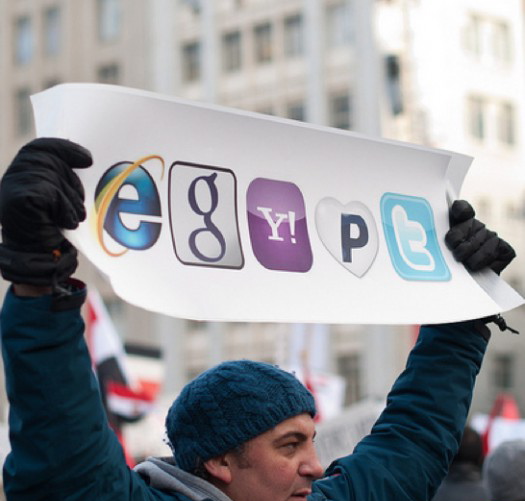
Recent news headlines have been dominated by the popular protests in Egypt, and the question of how long President Mubarak would cling to power. Local and regional politics aside, part of the story has been the role of social networks in fuelling and organising the popular movement. In a country where mainstream news and media is heavily influenced by the state, protesters have turned to the internet both to spread their message and help organise the mass demonstrations.
The rise of 'social media protesting' isn't restricted to Africa and the Middle East. It's causing headaches for police forces in the comfortably democratic West too. A group in the UK are using Twitter to organise protest flashmobs to picket tax-avoiding companies, and the Old Bill are struggling to keep up with the fast-evolving movement. Perhaps, rather than suppress it, they will try to engage with the new medium? "You have a friend request from Constable Friendly..." Then again, perhaps not.
As with the 2009 'Twitter revolution' in Iran, the Egyptian government reacted by restricting internet access, effectively removing Egypt's 17 million regular internet users (the largest of any African nation) from the web. Having changed the way people socialise, Facebook and the like are now helping people change the societies they live in. But don't worry, there will always be a place for a drunken photo from that crazy post-rally party.