How 'That Sugar Film' Put Damon Gameau on the Path to Helping Kids (and Inspiring Everyone) to Tackle Environmental Challenges
This actor-turned-filmmaker's documentary approach, combining both personal and activist angles — and optimism — has struck a chord in both '2040' and 'Future Council'.

The kids are all right: in Future Council, the third feature-length documentary directed by Australian actor-turned-filmmaker Damon Gameau after That Sugar Film and 2040, children are brimming with enthusiasm to act to solve the inescapable problem facing every single person on earth right now. There's no avoiding the fact that the earth is in the midst of an eco-crisis, and that challenges to fix it linger at every turn. The young environmentalists in front of Gameau's lens know this deeply. They're distressed and angry about it. They're also driven to act, to bring about change and to do whatever they can to stop the planet's plight from continuing to worsen.
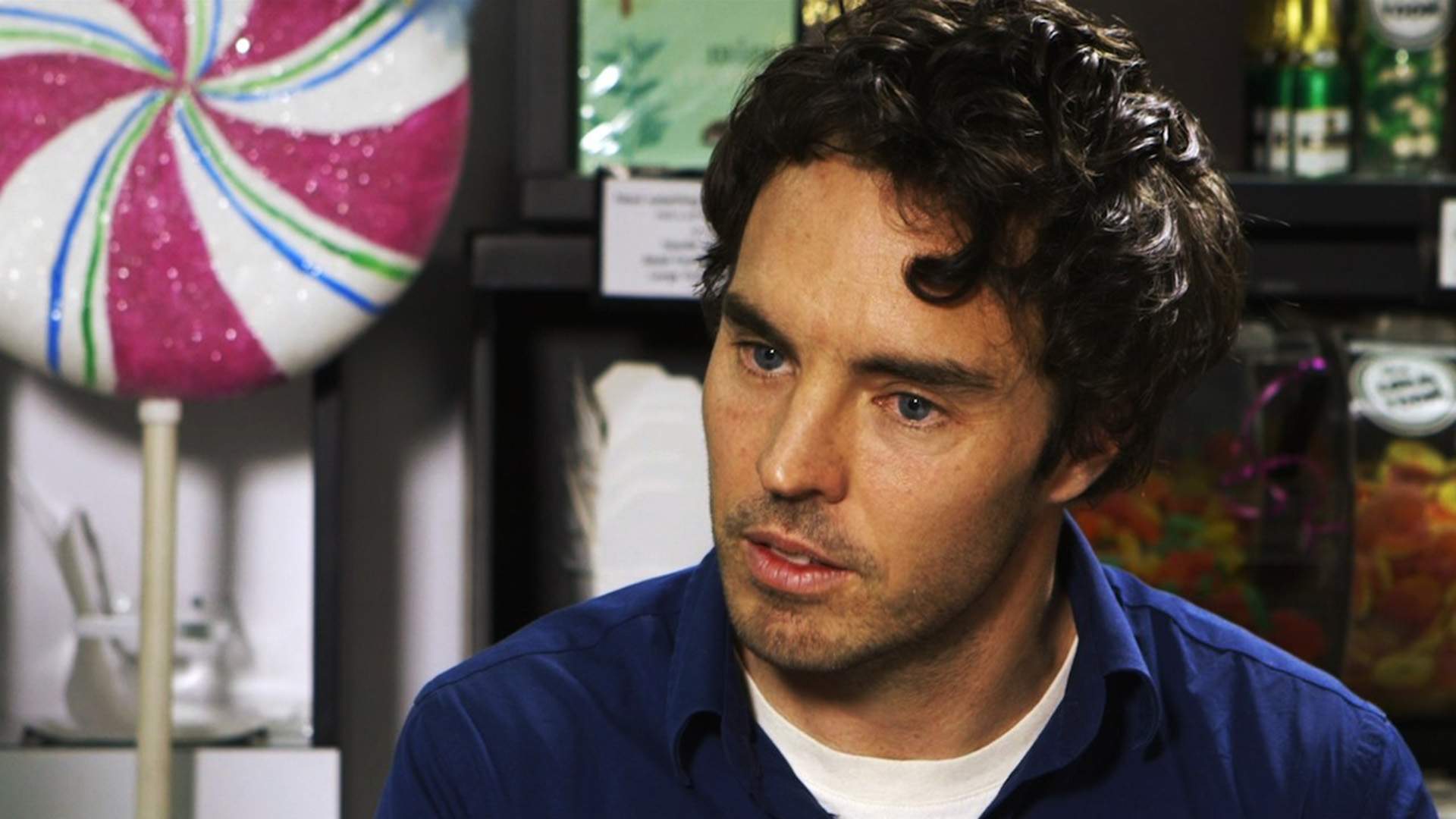
When That Sugar Film became a sensation in 2014 — it's in the top five Australian documentaries of all time at the local box office, and sparked many among its audience to rethink the role of the movie's titular substance in their lives — it did so through a particular approach. Gameau, then best-known as an actor in the likes of The Tracker, Thunderstruck, Love My Way, Razzle Dazzle, Underbelly, Balibo, Patrick, Charlie's Country and Puberty Blues (he also played an Australian backpacker on an episode of How I Met Your Mother), put himself and his eating habits at the centre of the film. Think: Super Size Me, but Aussie and about the sweet stuff. Accordingly, Gameau physically charted the consequences of a high-sugar diet. The viewer response, as the cinema takings show, was phenomenal.
Gameau wasn't thinking at the time that he'd discovered the blueprint for his approach as a filmmaker, aka documentaries with both a personal and an activist angle. "Upon reflection, I didn't know it at the time," he tells Concrete Playground. "I certainly just wanted to tell stories and thought that there weren't enough stories that, I guess, could enlighten or educate and inspire people. And so I thought that was the goal of making that. And then obviously seeing the impact that had, even in influencing policy in some countries — that kind of lit the fuse, I guess, of like 'oh, there's something really potent about storytelling'."
"So much of our storytelling has been used for distraction and other means, and they're perpetuating values that maybe we don't need in this moment," Gameau continues. "So, how could we tell better stories that actually give people a bit more hope and show that there's a different part of humanity, rather than just conflict and competition and really base values around things — you think of those reality shows. So I just got inspired, I think, to tell more stories and try to encourage other storytellers, artists, whatever, to use their platform to maybe highlight the best of us as opposed to other values."
Next on his behind-the-camera filmography — after more on-screen stints in Secrets & Lies, Gallipoli, Miss Fisher's Murder Mysteries, Barracuda and The Kettering Incident — came 2019's 2040. In a film that world-premiered at the Berlin Film Festival, follows in An Inconvenient Truth's footsteps and is in the top ten Aussie docos of all time at the box office, Gameau retained the same documentary style but changed subjects. His topic: climate change and ways to combat it. The personal element came via packaging his plea to the world to act as a letter to his then-four-year-old daughter, then travelling the globe to delve into potential solutions. Again, it was a massive success.
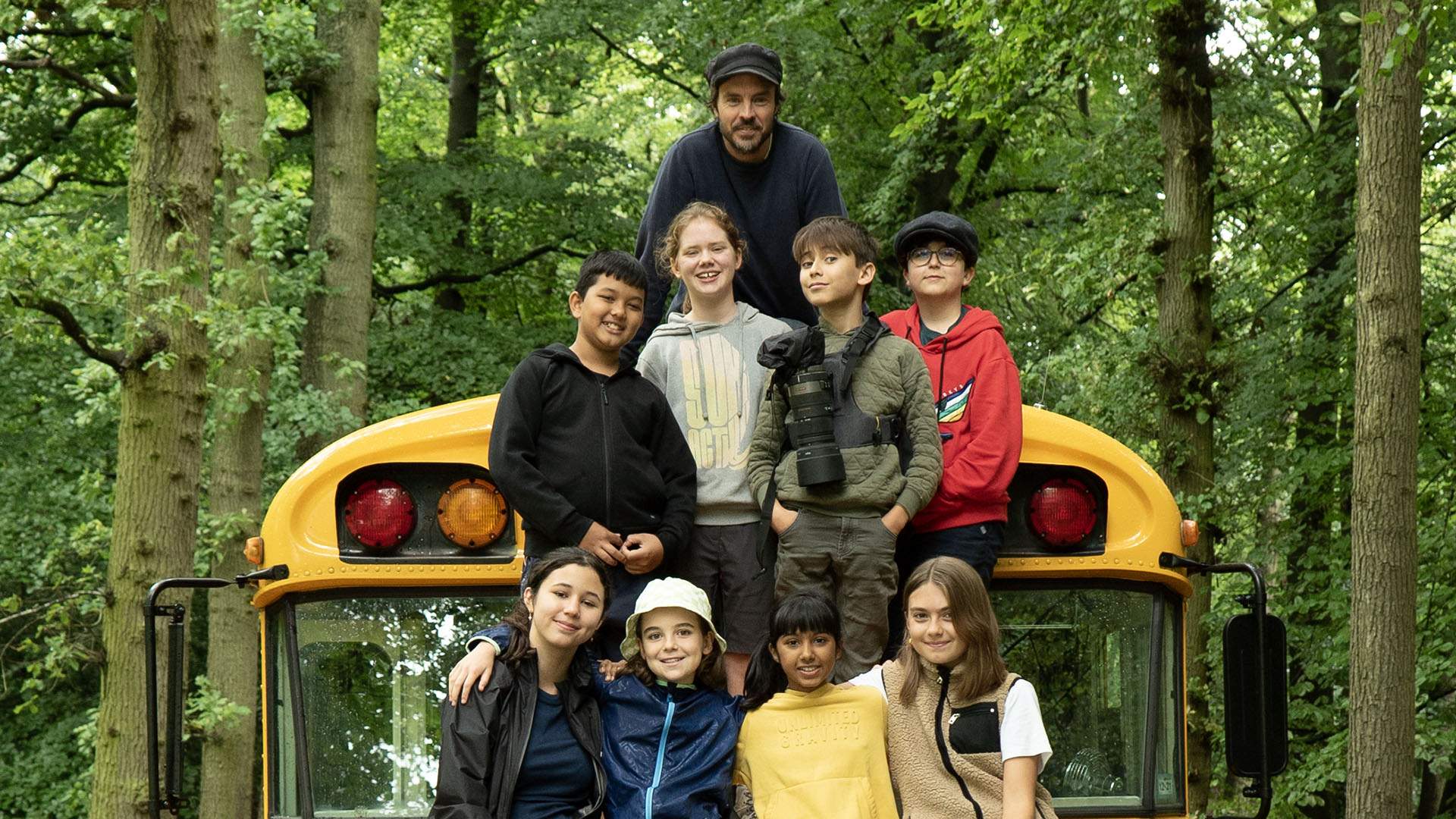
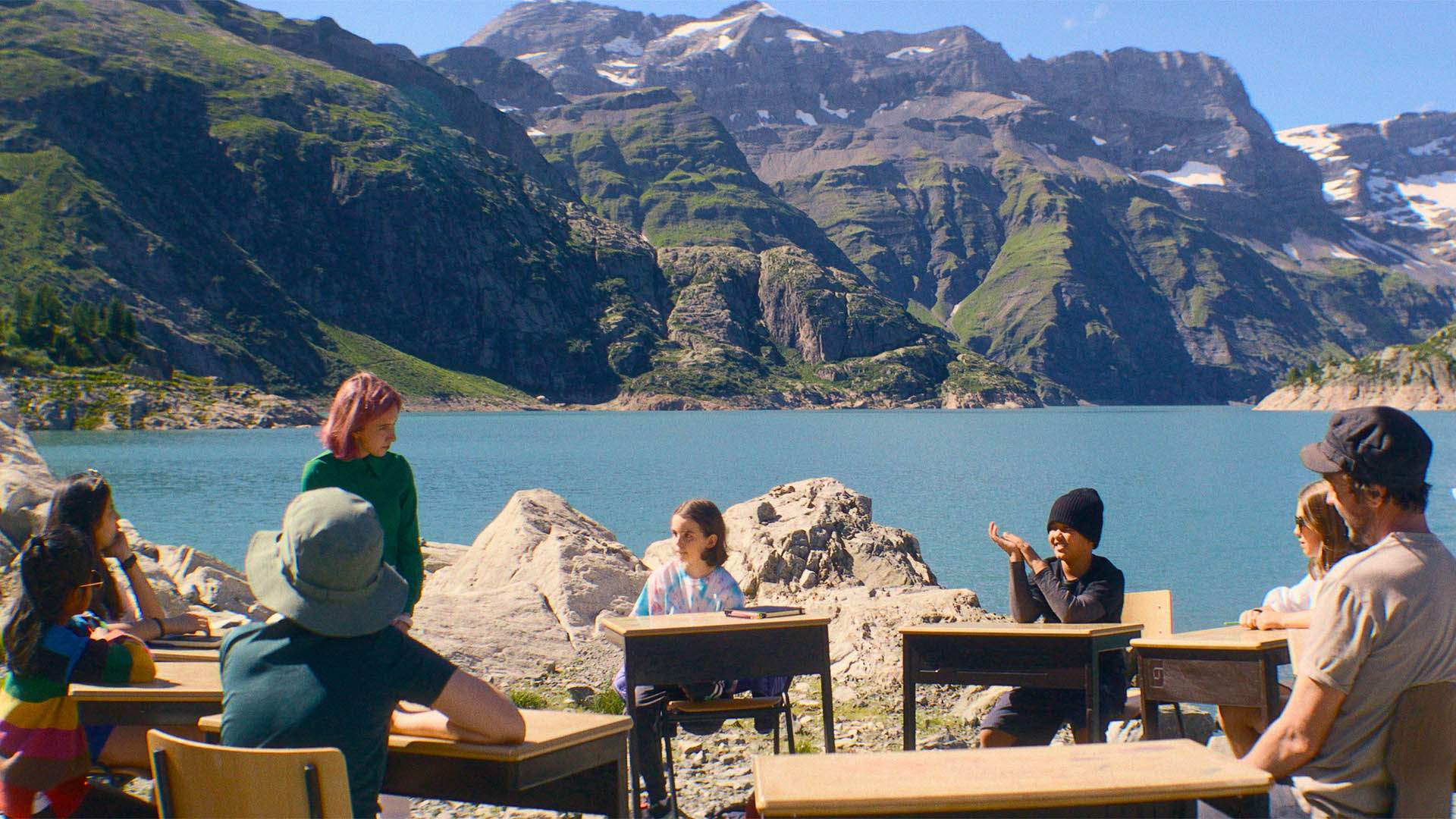
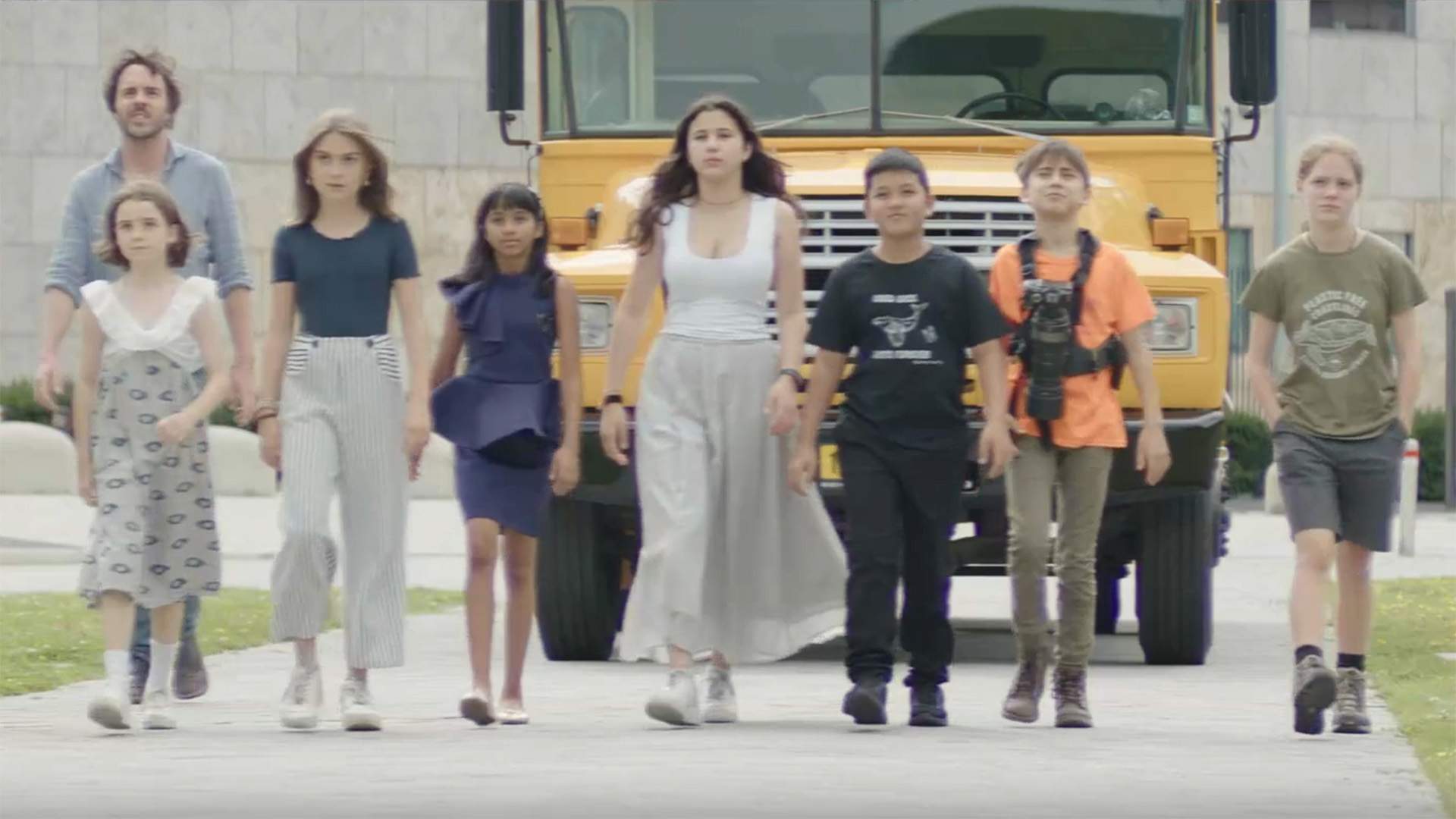
Just as That Sugar Film helped put Gameau on the path to 2040, the latter did the same with Future Council. The environment is again the focus and the writer/director appears on-camera once more, but eight kids — Australian Ruby Rodgers, Joseph Wijaya from Bali, Norfolk Islander Hiva Tuki Grube, Karla Albjerg from Uganda, The Netherlands' Joaquin Minana, Clemence "CC" Currie from Scotland, Wales' Skye Neville and Aurvi Jain from Singapore — are the true stars of the show. Each was selected after a callout for children to accompany Gameau across Europe on a biofuel-powered school bus to both examine options for tackling the planet's predicament and speak with the leaders of companies contributing to the issue. The film's name doesn't just apply to their actions in the doco, either, with the kids making the child-led Future Council a real and ongoing organisation that's advocating for genuine action to save the earth.
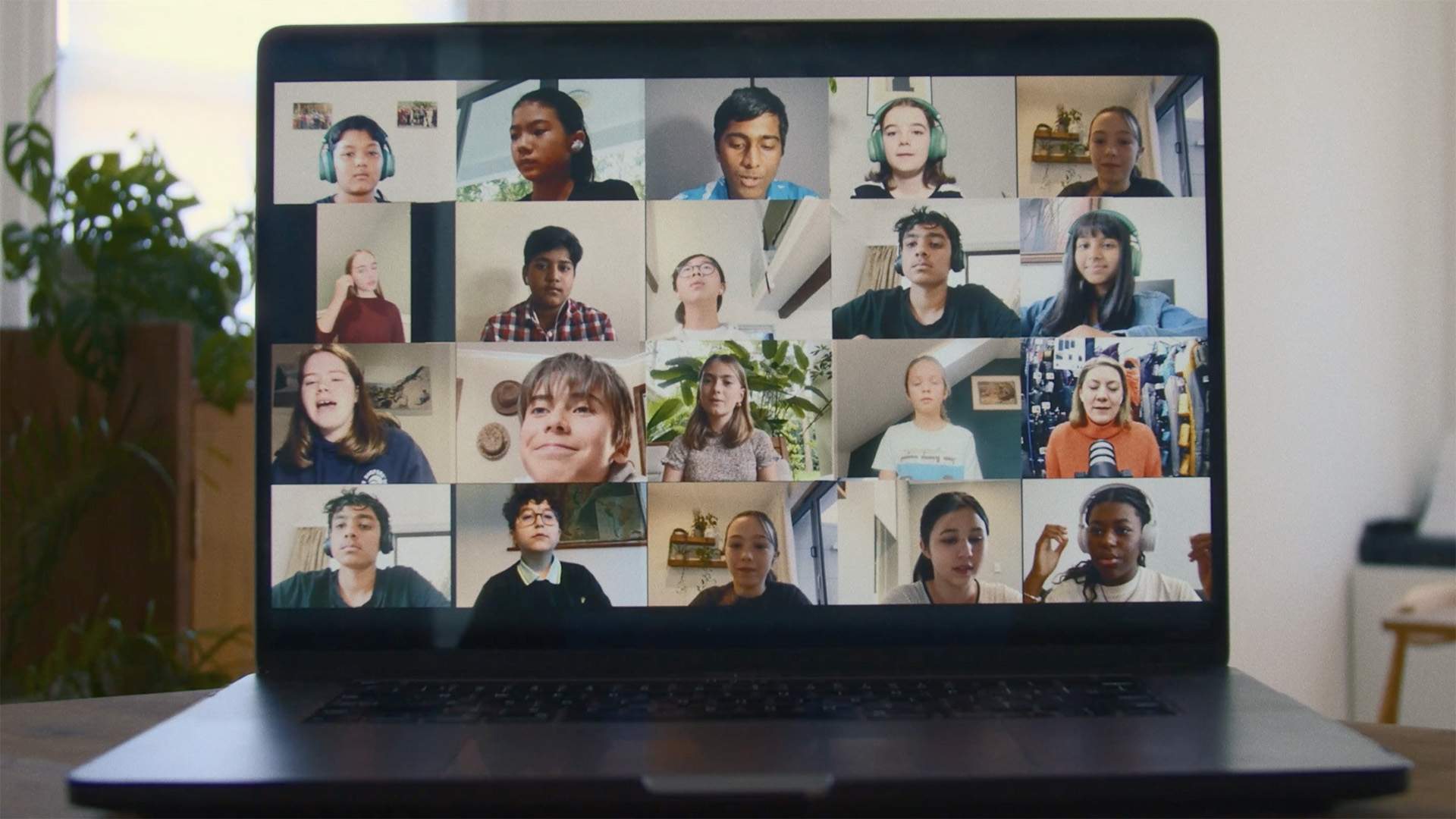
Gameau isn't merely giving voice to the frustration of the next generation about humanity's current handling of the climate crisis, then, but is helping them in their efforts. One result so far, almost a year before the film reached Australian cinemas in general release on Thursday, August 7, 2025 (but after world-premiering at the 2024 Melbourne International Film Festival): Ruby, Joseph, Hiva, Karla, Joaquin, CC, Skye and Aurvi appearing at, screening the feature for and meeting with world leaders at the United Nations General Assembly in September 2024. Their deeds, plus Future Council as an off-screen initiative, are inspiring both fellow children and adults — as also chronicled in a movie that's well aware of adult-washing but never earns that description itself, even while ensuring the film is accessible, and also balancing the seriousness of the environmental situation with a sense of joy, play and empowerment.
Future Council, the film, is as much a celebration of unique personalities and children following their passions, too — and proves as heartening in that element as well. With Gameau, we also explored that key aspect of the documentary, his show-don't-tell approach to factual filmmaking in general, the path from 2040 to Future Council and the difficult task of getting CEOs to speak with the movie's eight kids, plus his own journey from when he was starting out as an actor and more.

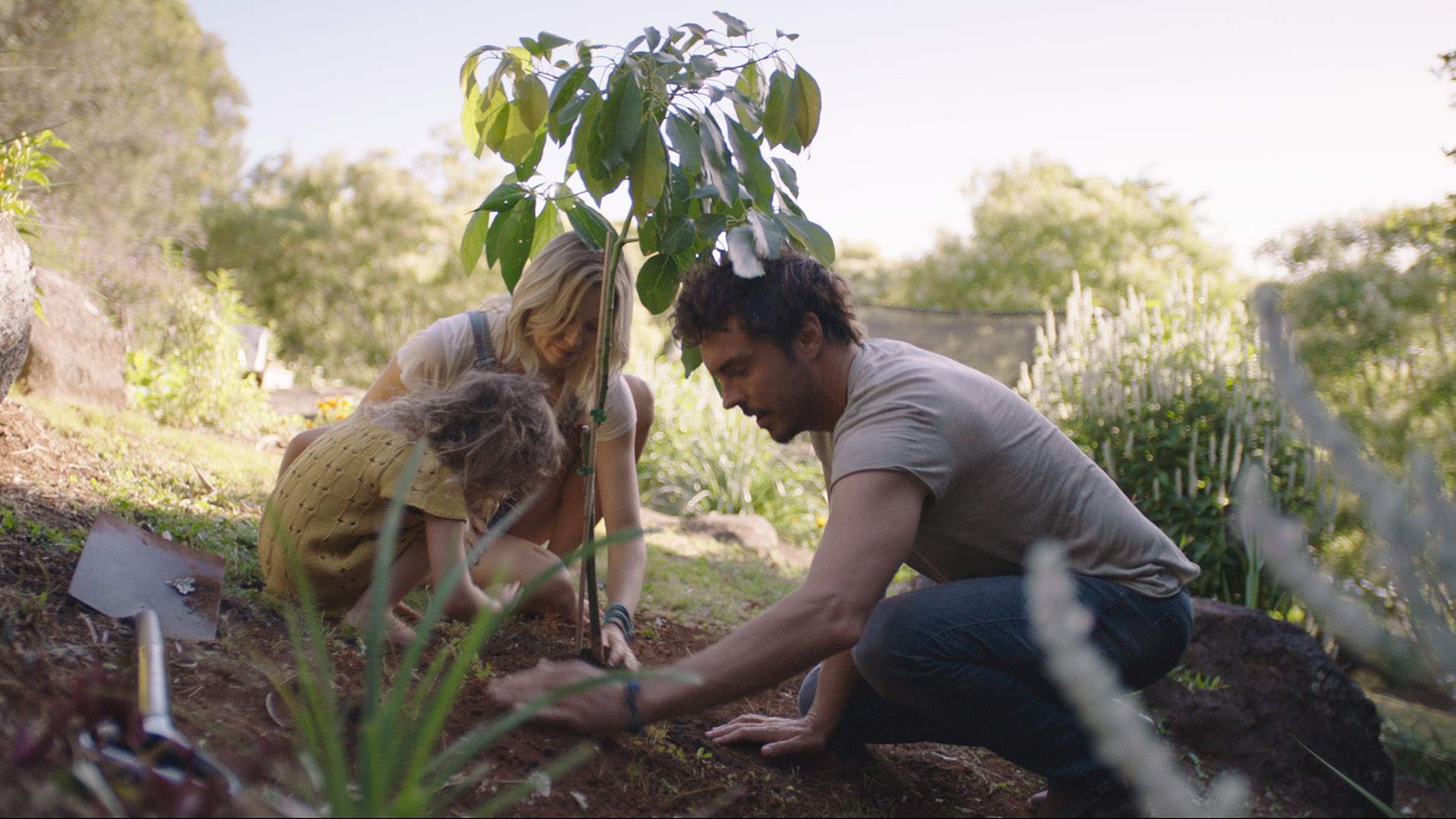
On the Show-Don't-Tell Approach Resonating Across Gameau's Documentaries
"I think particularly, in this film, I think it could have failed really, really dramatically if it had felt preachy, if the kids were too precocious or pretentious, if it felt like I was steering them in any way and it was a sort of manipulation. That's a careful dance to do and it does take some crafting.
I guess I don't think about it too overtly, but I think I know what I don't want it to be. And I see films where it does feel preachy and I think that's really off-putting, and people don't want that.
They're craving authenticity in the current state of the world. They want people to be real. And I think that's what the children bring in spades."
On How 2040 Put Gameau on the Path to Making Future Council
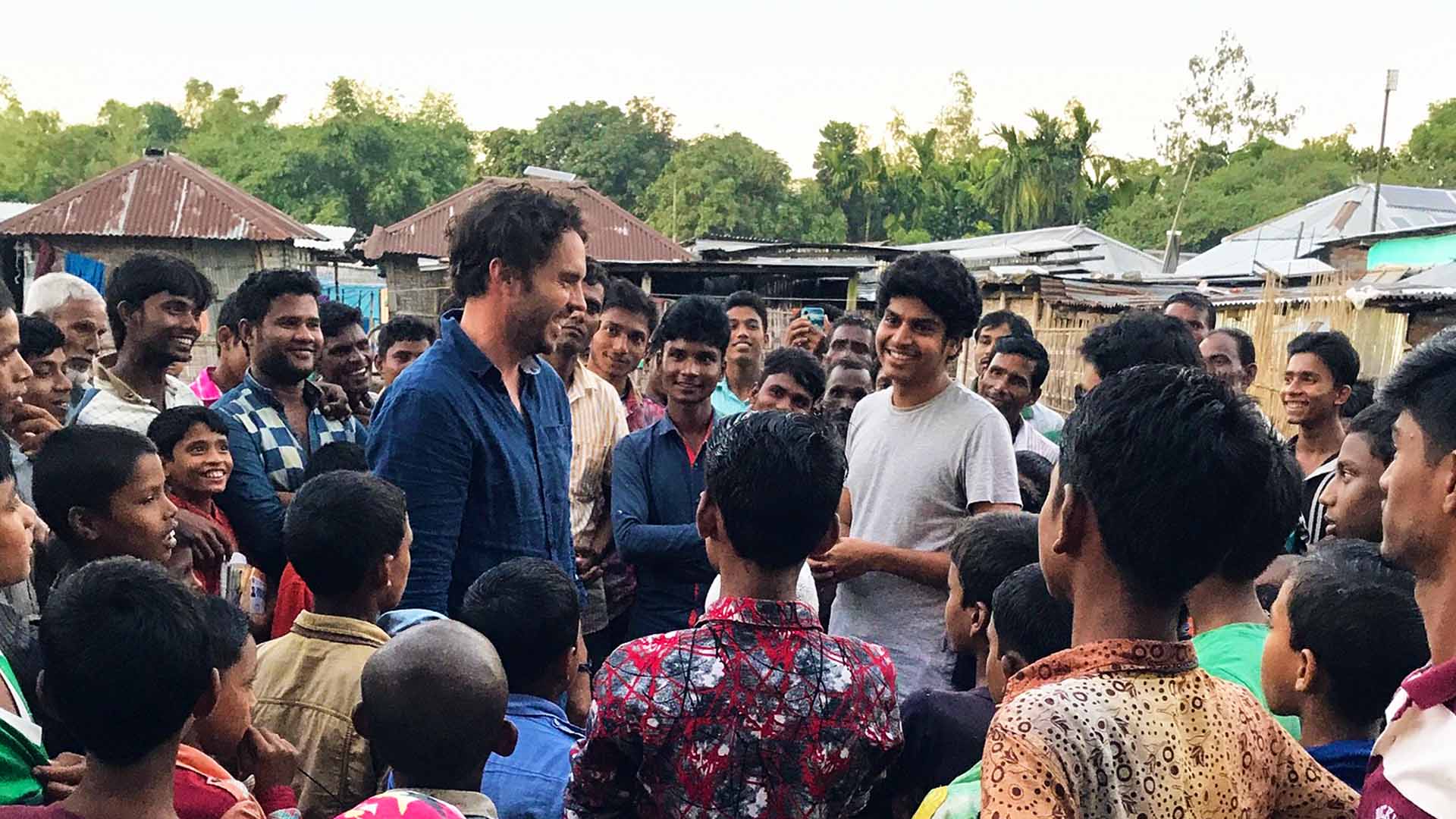
"I took 2040 around the world and a lot of the releases did school visits, and I did lots of classrooms — and the questions were often better than any adult would ask in the Q&As. The kids really knew their stuff.
And I just realised that I've projected my own childhood onto these children sometimes and forgotten that they just have access to so much information now. And the ones that are passionate about sustainability just go super-deep on these subjects — and they can online now. So they often know far more than most adults do.
So it really felt like 'well, this is their moment. They deserve a platform. How do we connect them together so they don't feel like their only avenue is to protest on the streets? What if they could actually come together meaningfully, collaborate with organisations, businesses, their schools, and actually actively shape and design their own future?'.
And I think we've got the opportunity with our tech now, their knowledge, their awareness, to do that, and so that just felt like a good fit for the Future Council."
On Whether Gameau Expected the Huge Response That 2040 Received Around the World
"I don't think so. I mean, you probably know it yourself, but I think there's a default in any artist that is self-sabotaging and doesn't think we're much good at anything, really. So it's always a little bit of a surprise when something does well.
And I guess I was a bit spoilt with Sugar in that that was just such a bizarre, extraordinary takeoff that I didn't expect. That was always going to be hard to match. So I just, yeah, I was surprised.
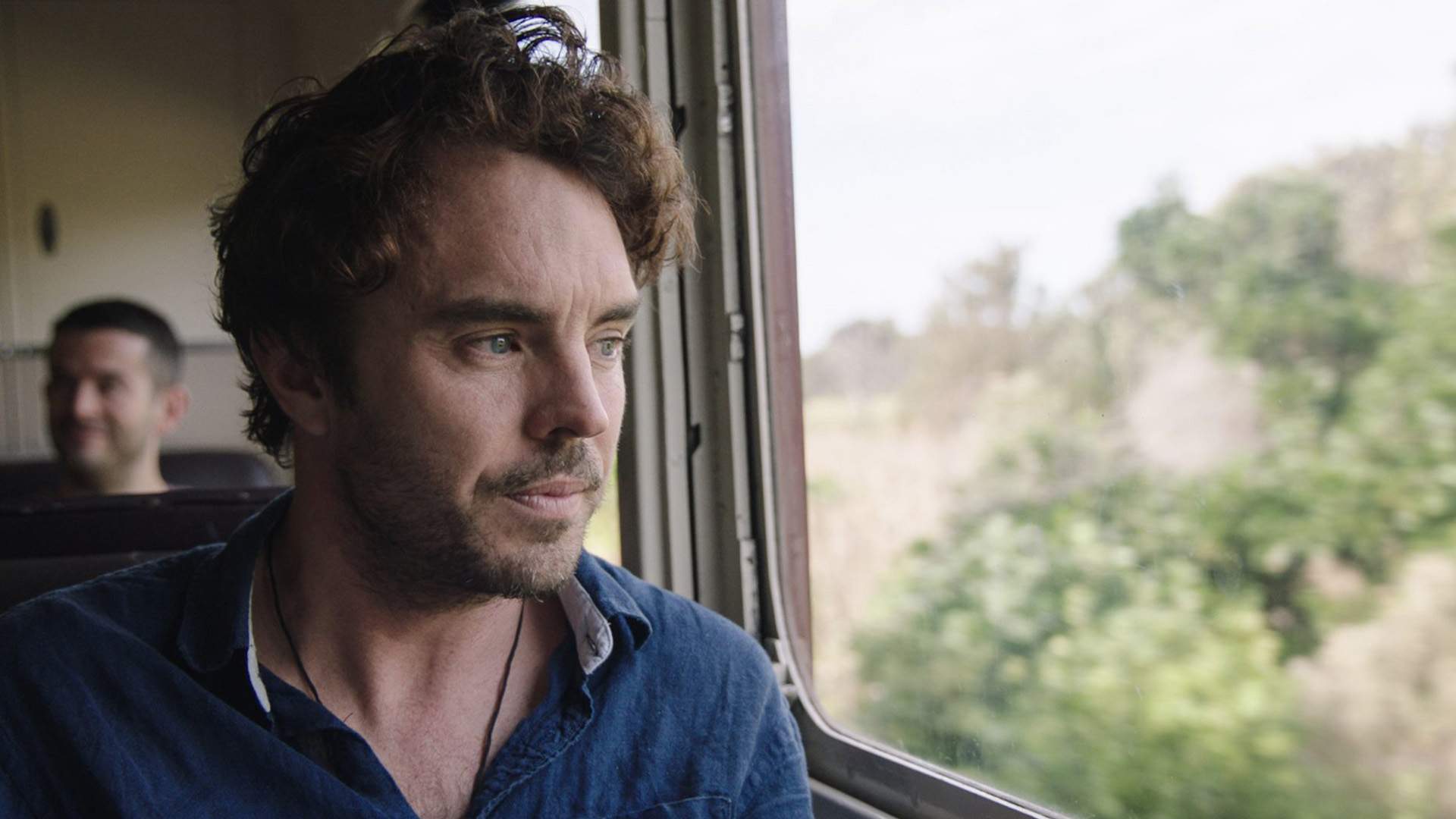
But I think 2040 came at a time when people were looking for solutions and, strangely, that narrative hadn't been told very much — which was a real surprise to me, that we weren't focusing all the great things that people were doing.
And so I can see now why it resonated, but of course, yeah, anytime you make something and put it out in the world, you kind of assume that no one is going see it. And it means something to you, but might not connect. So it's always a lovely bonus when people do support it."
On Gameau Not Worrying About Falling Into the Adult-Washing Trap By Making Optimistic and Empowering Environmental Documentaries for All Ages
"No, I think it's the very thing we need. I think this whole particular movement has got bogged down in so much graphs and analysis and data that what it needs is humanity. It needs a burst of heart.
And there's a great quote by an English academic, Louisa Ziane, and she says that 'if you want to change the world, you've got to throw a better party'. And I think that that's what these children bring.
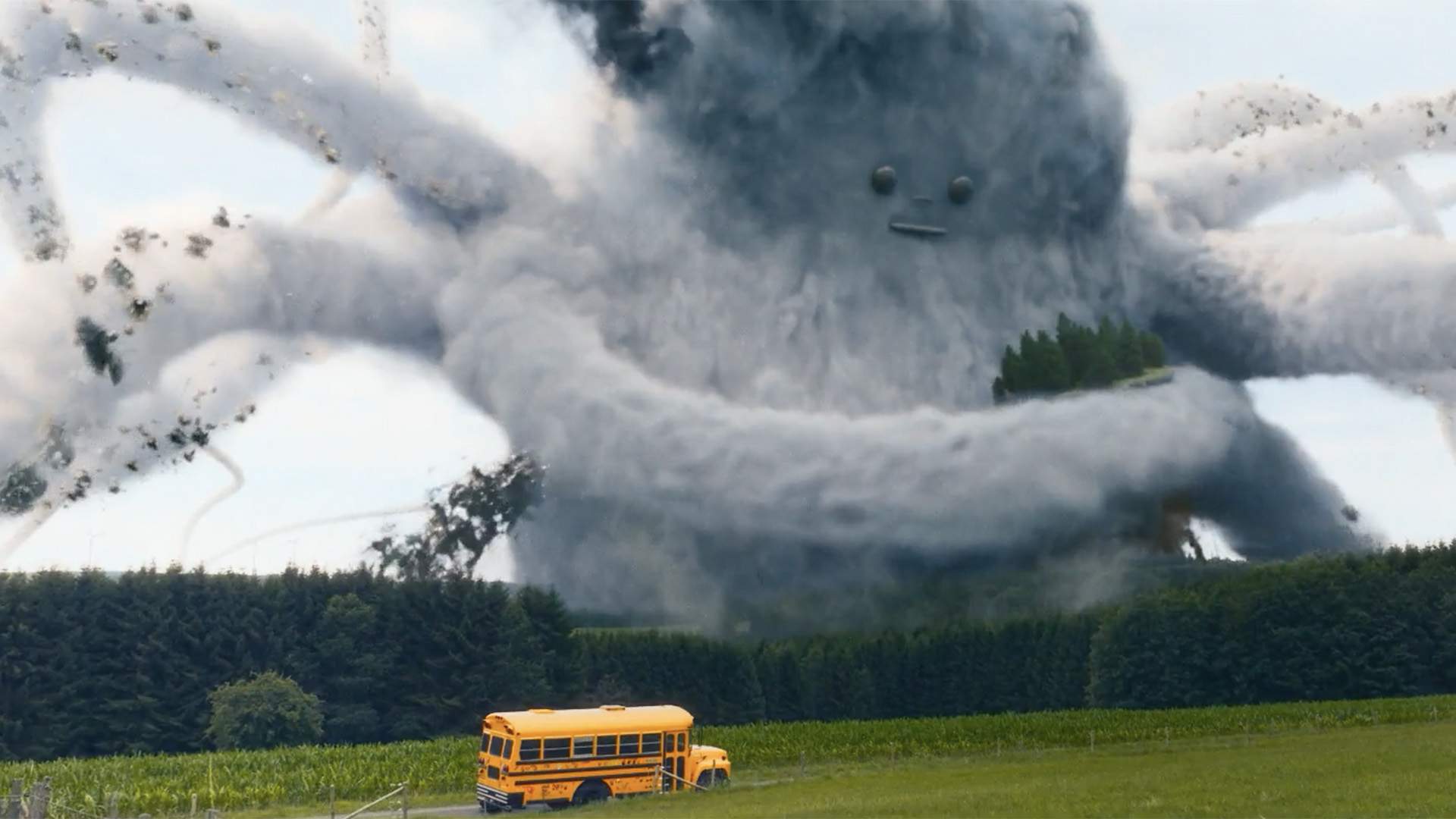
Even though, as you saw in the film, they're really processing deep grief, they still find a way to be children, and to play and have fun and find the best moments in in their life.
And I think there's great lessons in that for all of us that, yeah, times are incredibly tough right now — we need to be honest about — but when we are honest about it and we give ourselves a good cry like the kids do, you do free up some space to also find the joy and be grateful for the things that are still happening in our lives. And that's the thing that's going to sustain us. If we all get too bogged down in the way of the world, we're no good to anyone, and I can relate to that. I know the state I get in when I'm too serious.
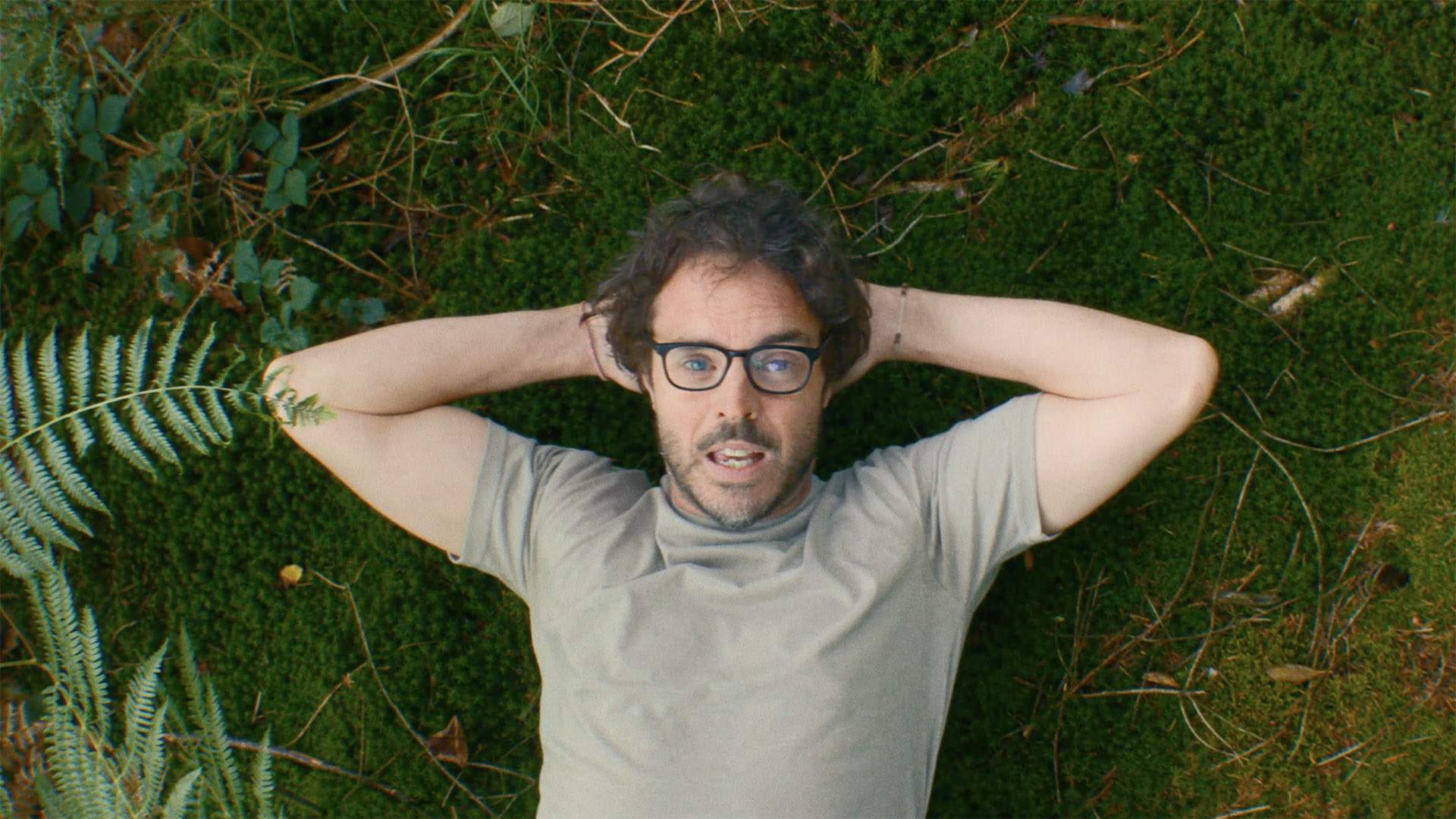
So the children really taught me and inspire me to make sure I stay in my heart, and to make sure I still find the moments of joy and the slices of light among these dark times. They do still exist.
There are people doing extraordinary things in the face of this adversity, trying to come up with new solutions right now, find the best and be the best humans they can be. So we need to focus on that just as much as we're focusing on the things we don't want."
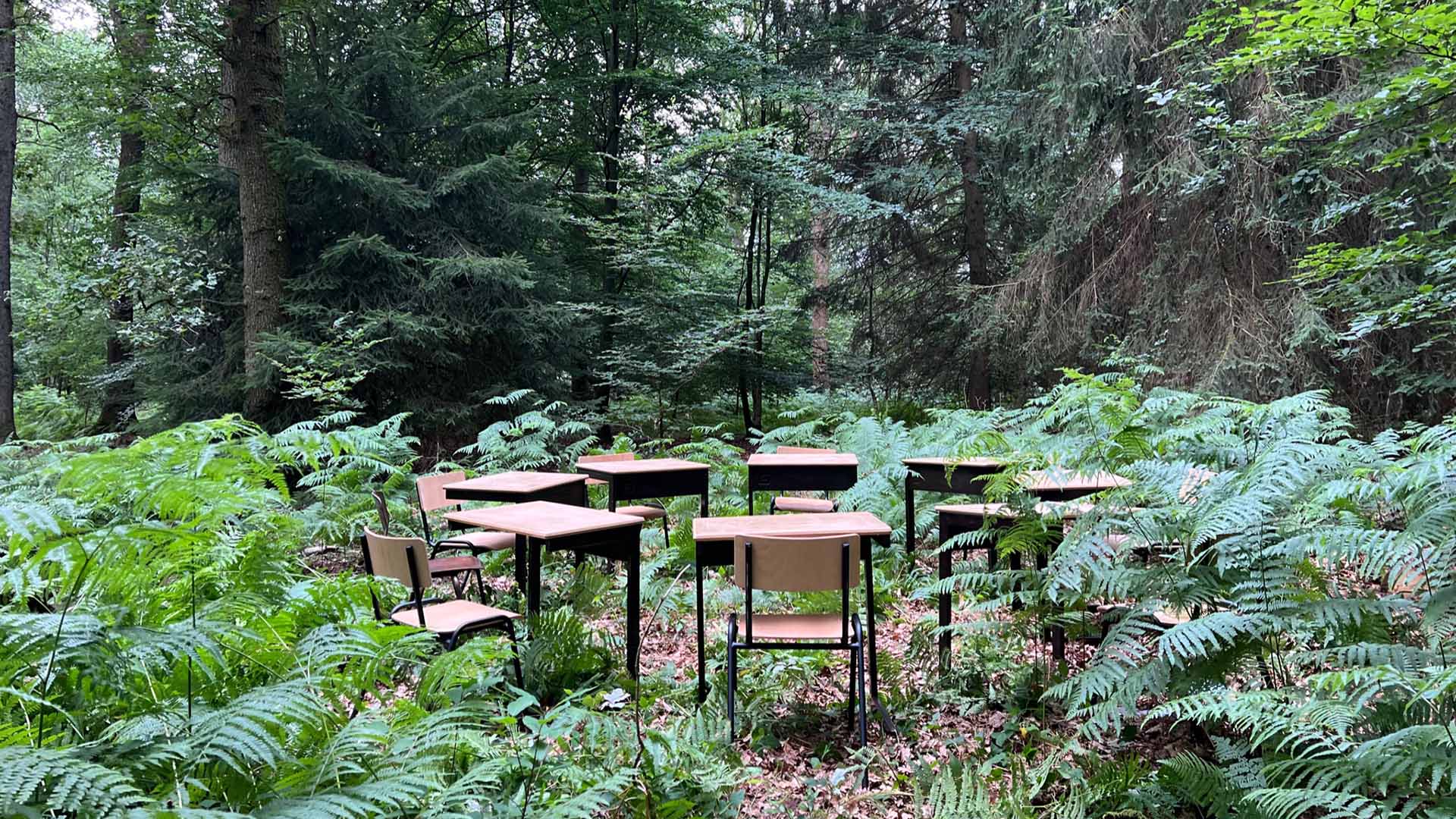
On Whether the Children Setting Up a Real-Life Future Council Was Always the Aim for the Film
"It was always in the back of the mind there was a potential that could happen. But again, I was so careful to not steer this or lead the kids on in any way. And that sort of started to happen midway through the film. That's when the children went 'oh, we can see that we've got something to say here. We can see we're valuable and we are having an impact in these boardrooms — what if we did actually start extending this out?'.
So it was an idea we talked about halfway through filming. And then subsequently, we've developed that together. We've run every decision through them — 'okay, from everything from branding, what would this look like? How would you want it to run? What don't you want it to be?'.
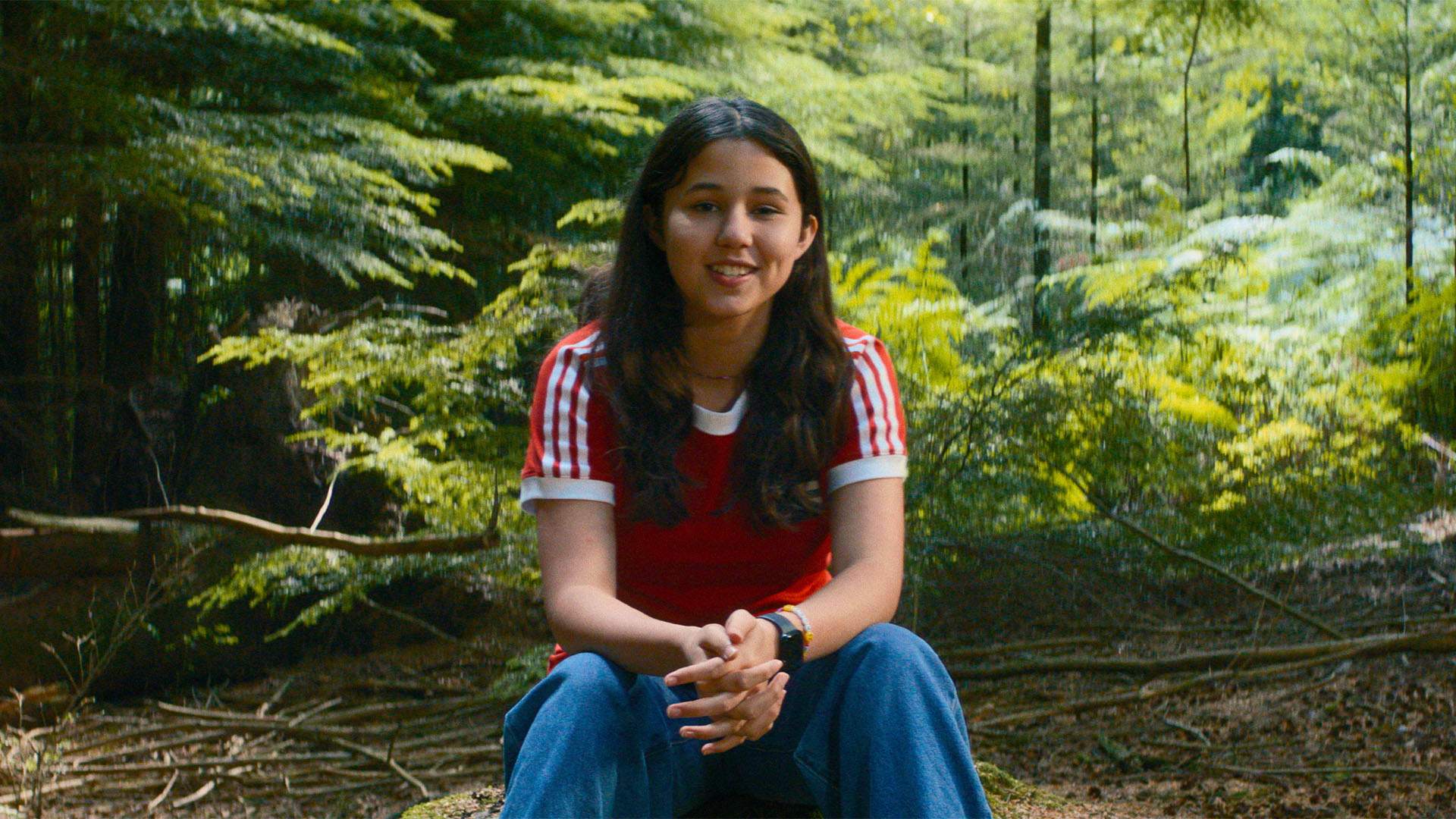
And so now we have a functioning Future Council entity with a COO and board members, and it's all kicking off. And there's now an invitation to children right around the world — which is what this film will do as we take it around the world, is recruit children that want to sign up and join. And then it'll be child-led. So all the decisions go through the children. But we've got the adults that want to support the children with the more-complex stuff and the logistics and the governance, all those sort of things.
But the idea is to really make sure that the children feel like they're making the decisions and it is coming from them. They're not being told by their teachers or someone else. Because they do know their stuff, and they do have a chance to really make change — and let's let them drive it."
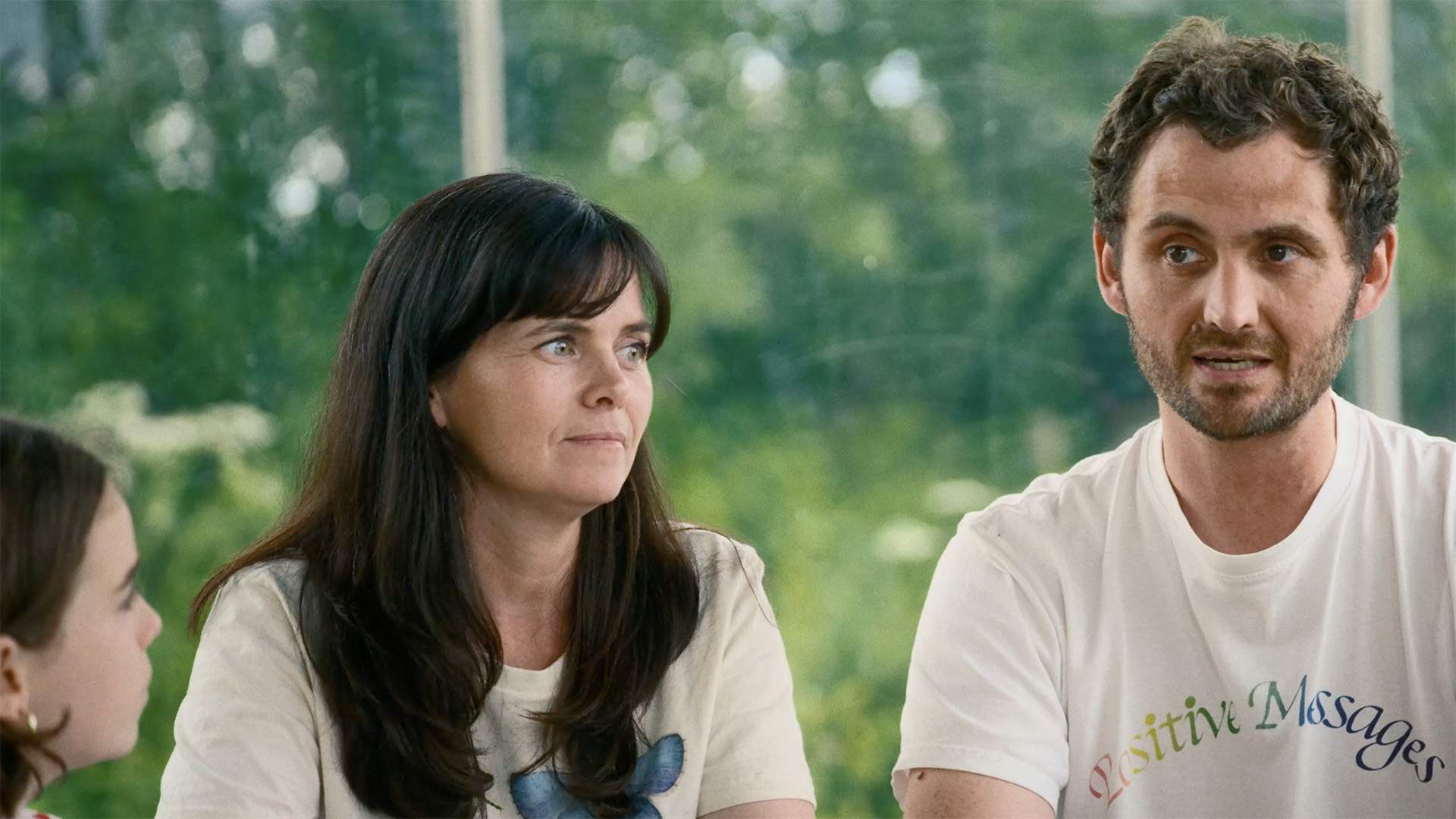
On How Future Council's Children Are Inspiring Adults
"Every screening, something magical happens. Like, someone from somewhere reaches out. Some adult wants to join up some organisation. We've got people who just — one woman just gave every child $10,000 to support their initiatives.
They are doing something. There's a magic that they have together, and I think it is that humanity. There's a lot of emotion in the screenings. There's people being very, very — it's sort of unlocking parts of them they haven't confronted for a while.
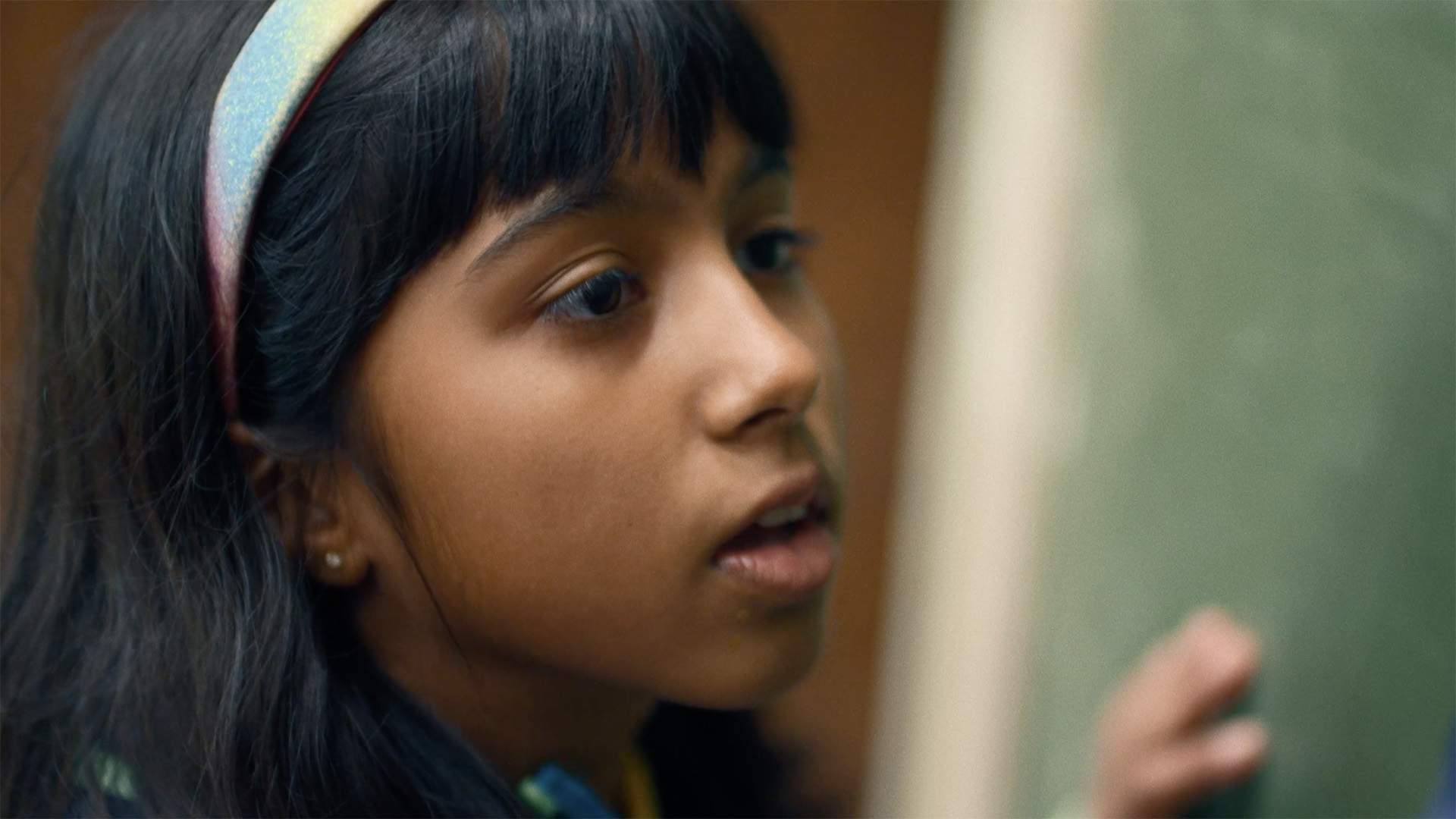
So there's just — I don't know, it's hard to describe. There's a magic that's coming out of the tailpipe of this bus as it cruises around, and I'm just sitting back, watching it all, I'm observing, and I'm incredibly excited by what's forming and the people from right around the world that are coming in to support this.
I think it's just one of those stories that's come at the right time. The children are taking this conversation to a deeper level that it needed to go to."
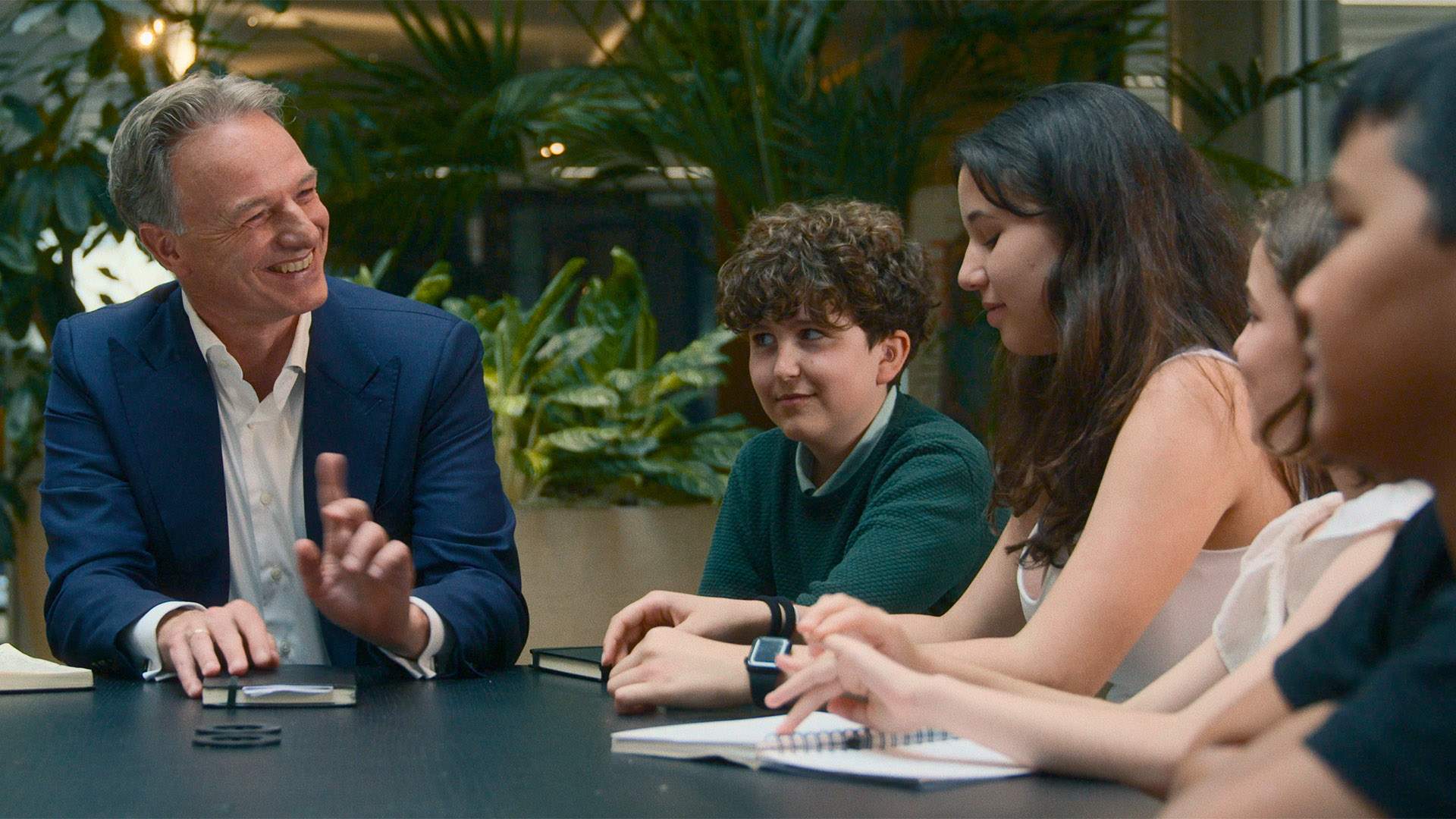
On Getting Representatives From Large Corporations to Meet with the Children
"Yeah, that was a challenge. And I guess the framing was that we wanted to make sure that we — it wasn't about just telling them they're wrong, that it was an invitation to some of these groups to say 'these kids have some really good ideas, and I think you'd be crazy not to access some of their creativity'.
I think the children learned that as it went along, that, as you saw, when we started with Nestle, they did go in with quite an activist bent — and it was a much more aggressive take. Then they reflected on that and thought 'you know what, I don't know that that worked entirely'.
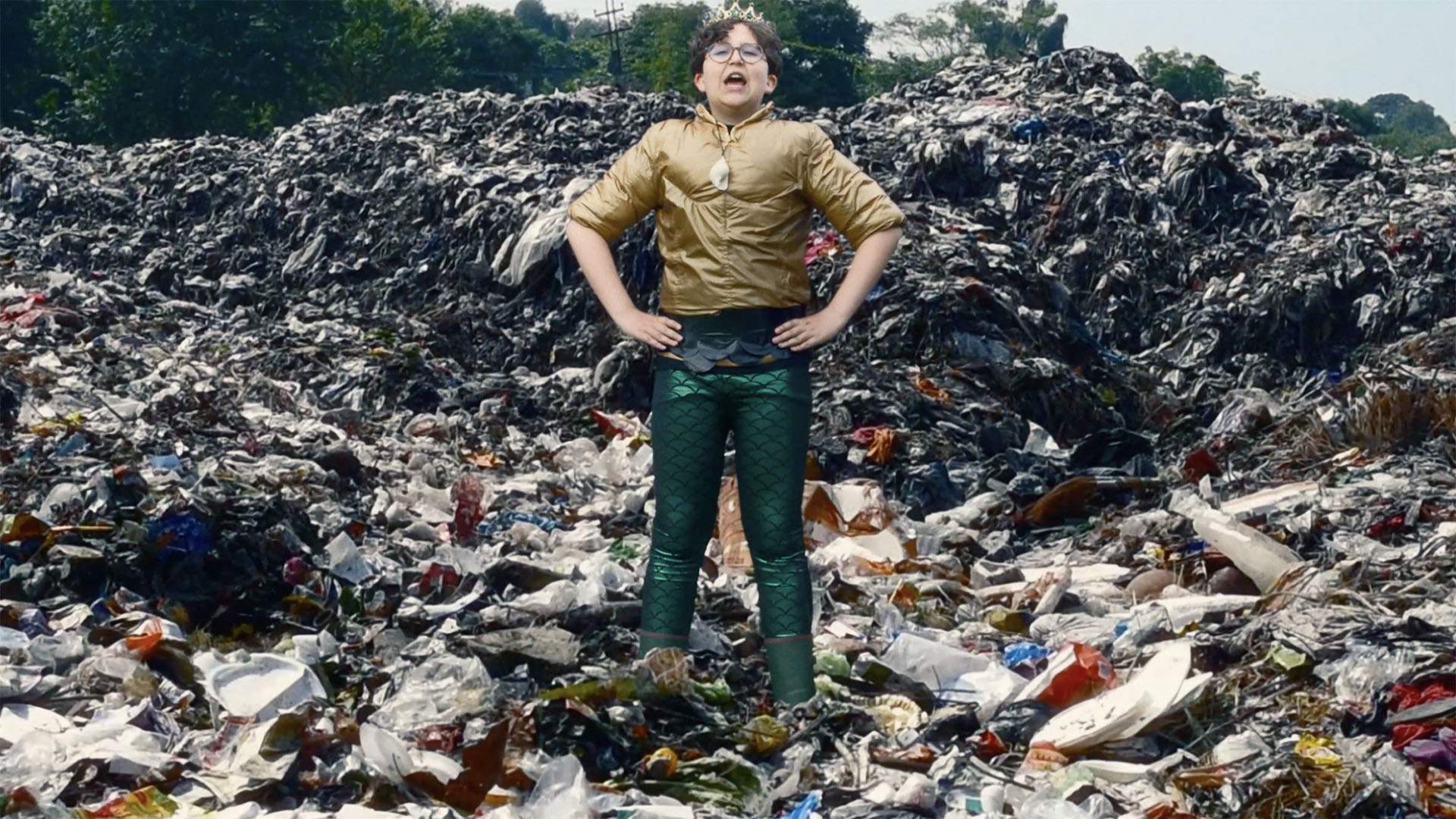
So they tried and pivoted to a slightly different approach with ING — and by the time we got to Decathlon, which is the world's biggest sporting goods retailer, they were so collaborative. 'Right, how can we work?'. And that, I think, is when they discovered their superpower, and that's why they then wanted to turn this into something much bigger.
So it was a really interesting journey. But as I said, to their credit, these companies did say yes. A lot said no. And it was a very, very difficult challenge to get the children in there, to be honest, and I was very lucky that I had some people that were supportive of my previous work in 2040 and were able to open the doors there.
But yeah, full credit to those CEOs that did front up and listen to, as you saw, what were some pretty awkward questions and difficult conversations for them. But they were willing to lean in, not shut the film down, not try to edit or cancel — which they could have done.
So in the end, we're grateful for the conversations we were able to have."
On How Pivotal It Is for Future Council to Celebrate the Unique Personalities of the Kids in the Film — and to Make Children Feel Included for Whatever It Is That They're Passionate About
"I obviously really love these kids and they do have their own uniqueness — and that's what's beautiful about it. And Ruby said it on a Q&A — what she learned was that some people feel like they can't do enough or 'who am I to do anything?' or 'I'm not doing enough?', but we all have our own unique way to contribute to this problem right now. And that's, I think, what the kids brought.
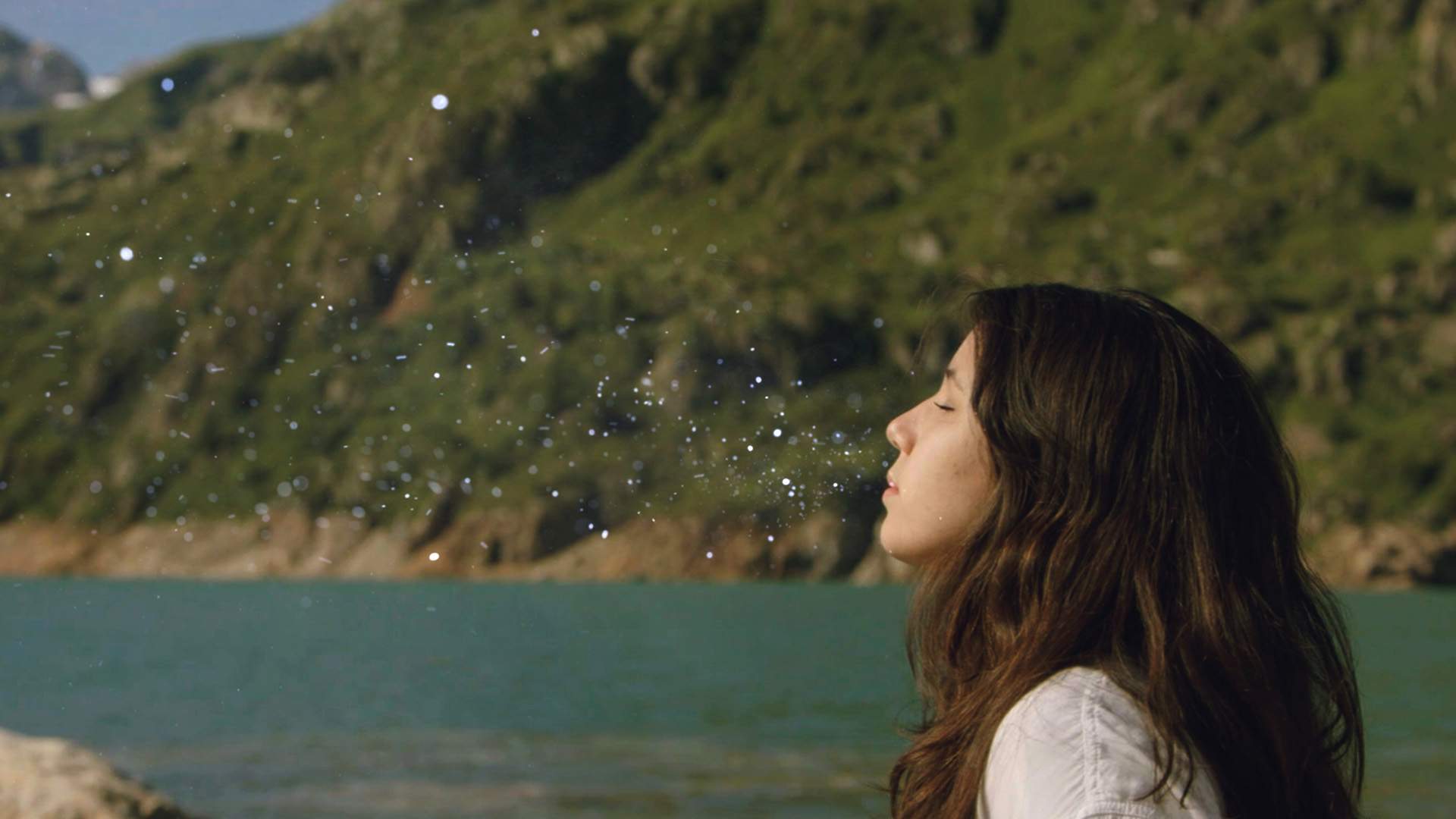
Ruby found herself that she didn't think she was of any value, and then realised that her art is the thing that people need. And now she's got a record deal and now she's singing live, and all this stuff is happening because she's expressing her grief through her music
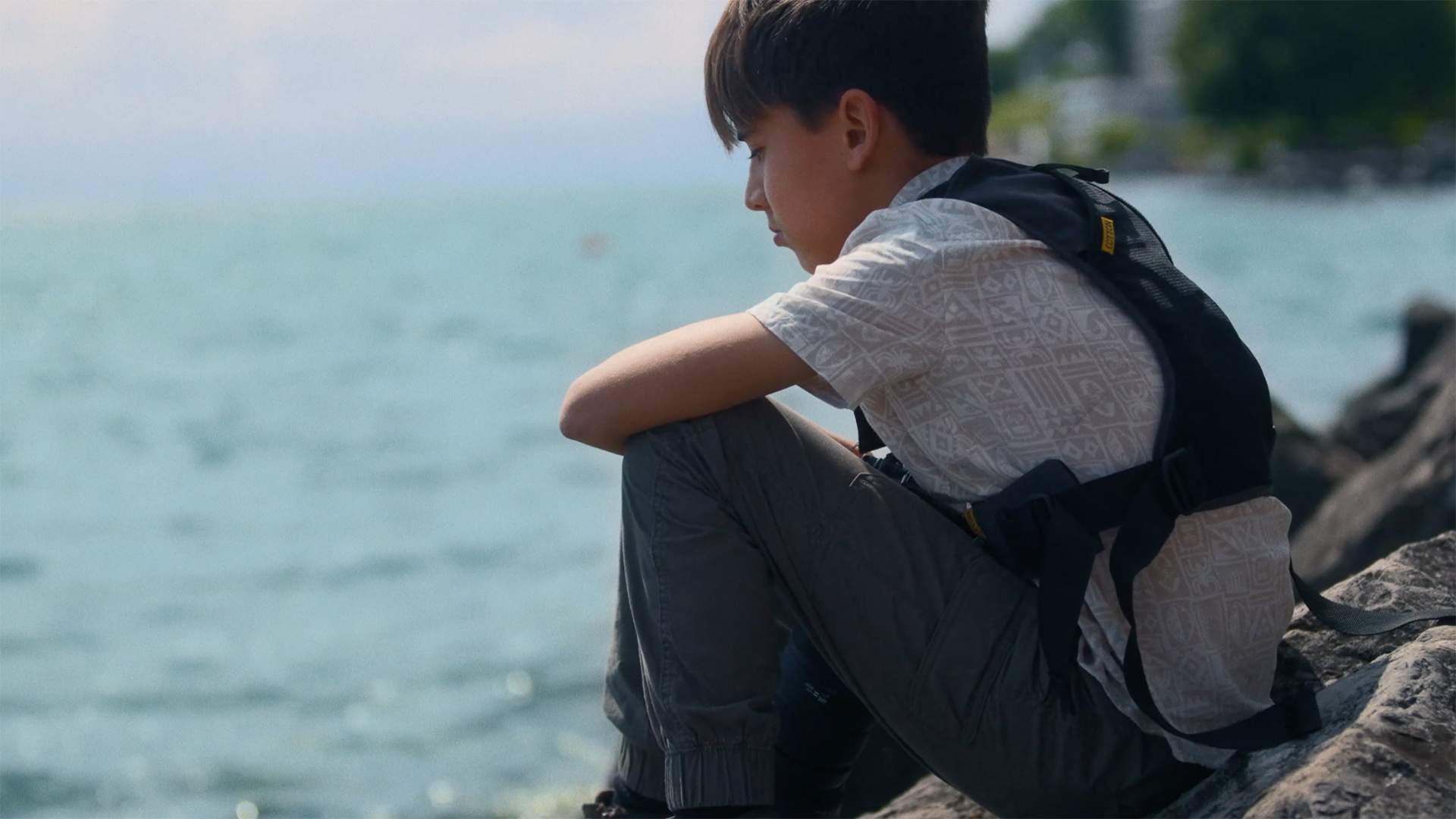
Whereas Hiva, for example, is just obsessed with birds. And I've watched him give a TED talk now and bring a whole room to its knees because he channels these birds and tells people how important they are to our ecosystem.
So they've all got their different superpower. And then they came together as this incredible force. And I think that's the metaphor, isn't it? That's the great example of what we need to do as humans, as a whole, is that no matter what field we're working in, no matter what area of interest we have or our passions, when we actually come together and reknit that fabric that's been torn apart from us by this system, that we can achieve extraordinary things.
And I think that's the best takeaway — and my favourite scene in the film is that last scene where the kids are all coming together, they're all acknowledging what they learned from each other and the best that they see in each other. Whoa — what a what a lesson that is for adults right now and how we're going to fix some of these problems we're facing."
On Whether Making Inspiring Documentaries Was Gameau's Aim Back When He Was Starting Out as an Actor
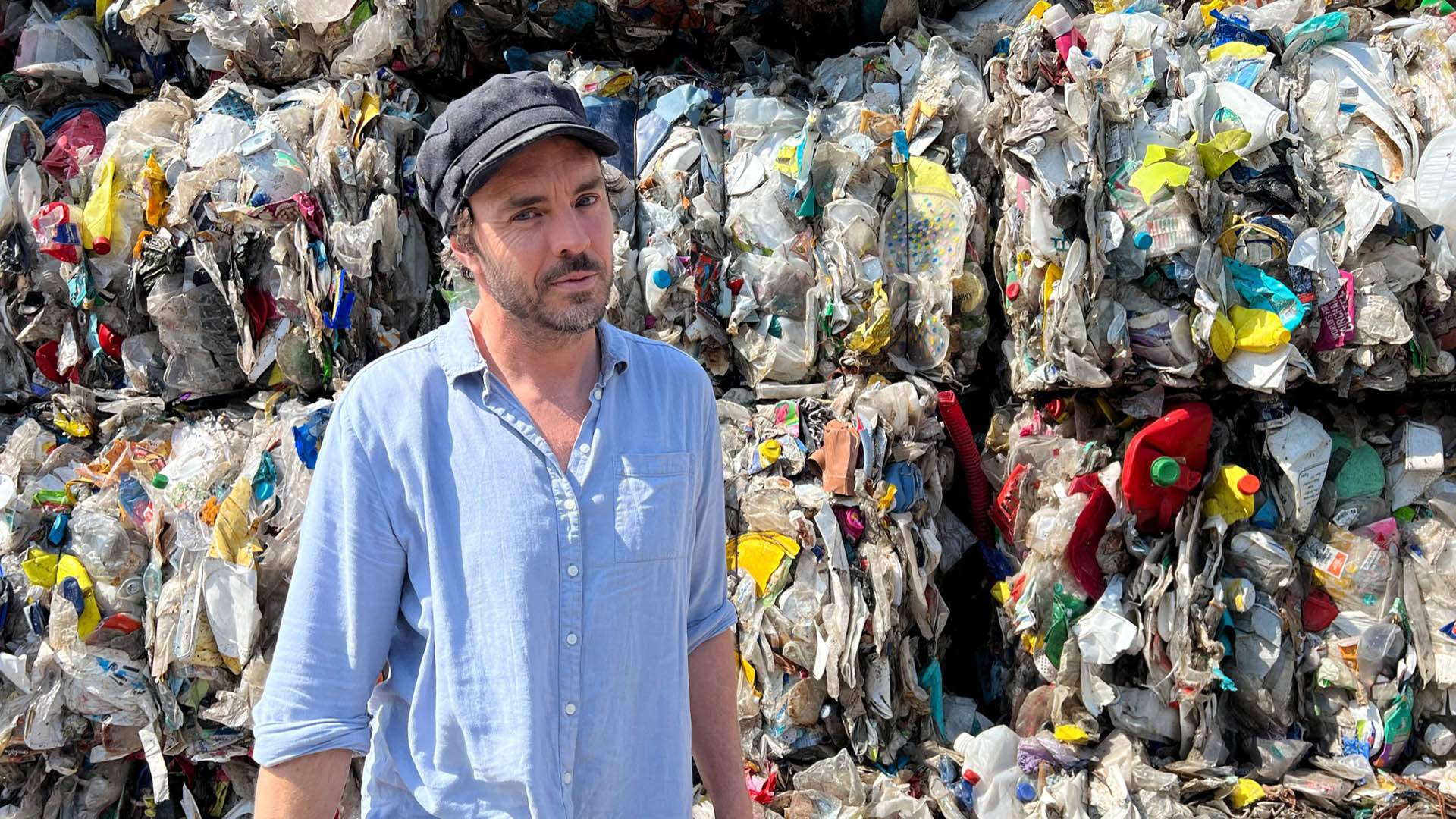
"No. God no. No, I was way too self-obsessed back then. That was very much sort of, I guess, trying to forge my own path. 'What am I doing in life?'. I hadn't really understood — I always never felt quite happy.
I was lucky enough, obviously, to do a film like The Tracker or Balibo, and those felt very, very rich and deep, and felt really fulfilling. But other than that, I always felt a little bit frustrated and not comfortable. And I was lucky enough, obviously, to work with people like Rolf [de Heer, who directed Gameau on The Tracker and Charlie's Country] and Rob Connolly [Balibo's filmmaker], and they showed me how powerful storytelling can be. And I decided that I wanted to start telling my own stories.
I thought I had something to say and I wanted to find the courage to be able to say that. And that took a long time to find that courage. I had a lot self-doubt that so many people do, and I was really my worst enemy in that sense.
So it's taken me a long time, and I'm still on that journey of really believing this. But I see it now. I can see the impact of what these stories have done and I'm just so grateful. It's been a magical experience.
And this one even more so. I feel like it's less about me, this one — the others were quite focused with me at centre, but this again is a shifting in my own journey, to give a platform to these eight kids and then these other kids around the world.
So yeah, it's just I've seen it. I just think storytelling is our most-potent tool for change and it is so underutilised and undervalued. And I think it's the only way we're going to get through.
I really want to call out to all artists, whether they're musicians or artists or storytellers, whatever it might be, that this is our moment. This is our time.
Terence McKenna had this great quote, he said that 'the role of the artist is to save the soul of mankind and anything else is a dithering while Rome burns. If the artist can't find the way, then the way cannot be found'. And I just think whoa, what a moment right now, given everything we're facing — let's unite as artists and tell a new story."
Future Council opened in Australian cinemas on Thursday, August 7, 2025.


- A Weekender's Guide to the Barossa Valley and Beyond
- From Cosy Mysteries to AI-Era Satire: The Best New Australian Books to Curl Up With This August
- The Best Restaurants in Sydney to Take Your Dad This Father's Day (or Any Day)
- The Best Australian Shoe Brands to Know Right Now
- Dark Arts, Hedonism and Exploration: A Weekender's Guide to Visiting Hobart for Dark Mofo
- The Best Australian Fashion Brands to Know Right Now