Biennale of Sydney 2026 Explores Hidden Histories With 53 Artists and a Stellar Performance Lineup – Here's What We Know (So Far)
Expect a weekly after-dark arts festival at a former industrial site, creative workshops and walking tours in Redfern and installations at four major cultural venues.
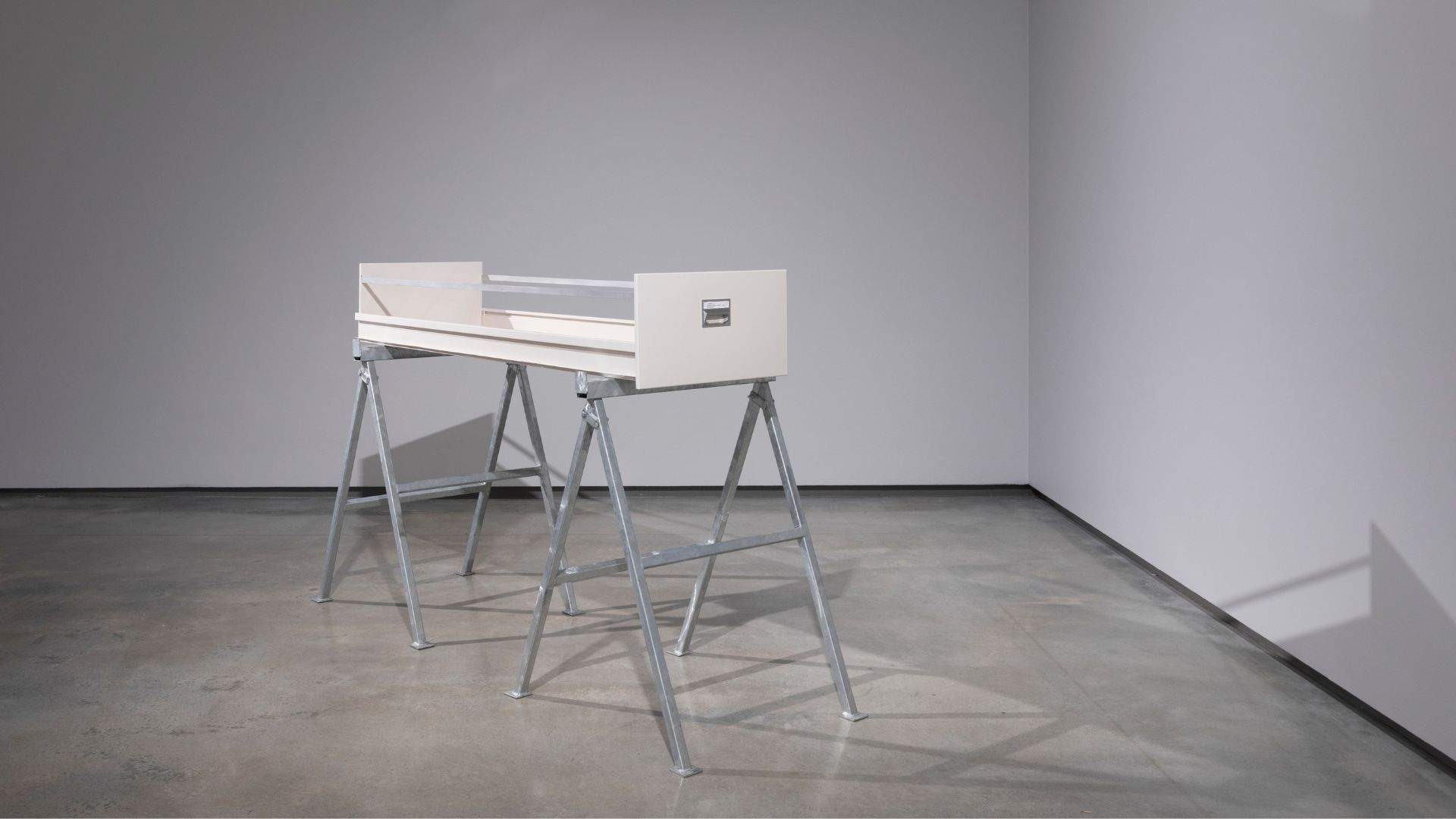
Every two years, Sydney turns into one big art trail as the Biennale of Sydney rolls out exhibitions at major museums across the city, tied together by a thoughtful theme. Heading into its 25th edition, the 2026 biennale will spotlight the stories that have slipped through the cracks — either erased, overlooked or untold.
In the 2024 edition, the biennale turned its gaze to the sun for the Ten Thousand Suns program. For its 2026 run, it's taken inspiration from a literary idol: in Toni Morrison's novel Beloved, the idea of 'rememory' describes how the past persists to be experienced again and again. The program will explore what it means to remember – and what it means when certain stories are forgotten— by bringing marginalised and diasporic narratives to the surface.
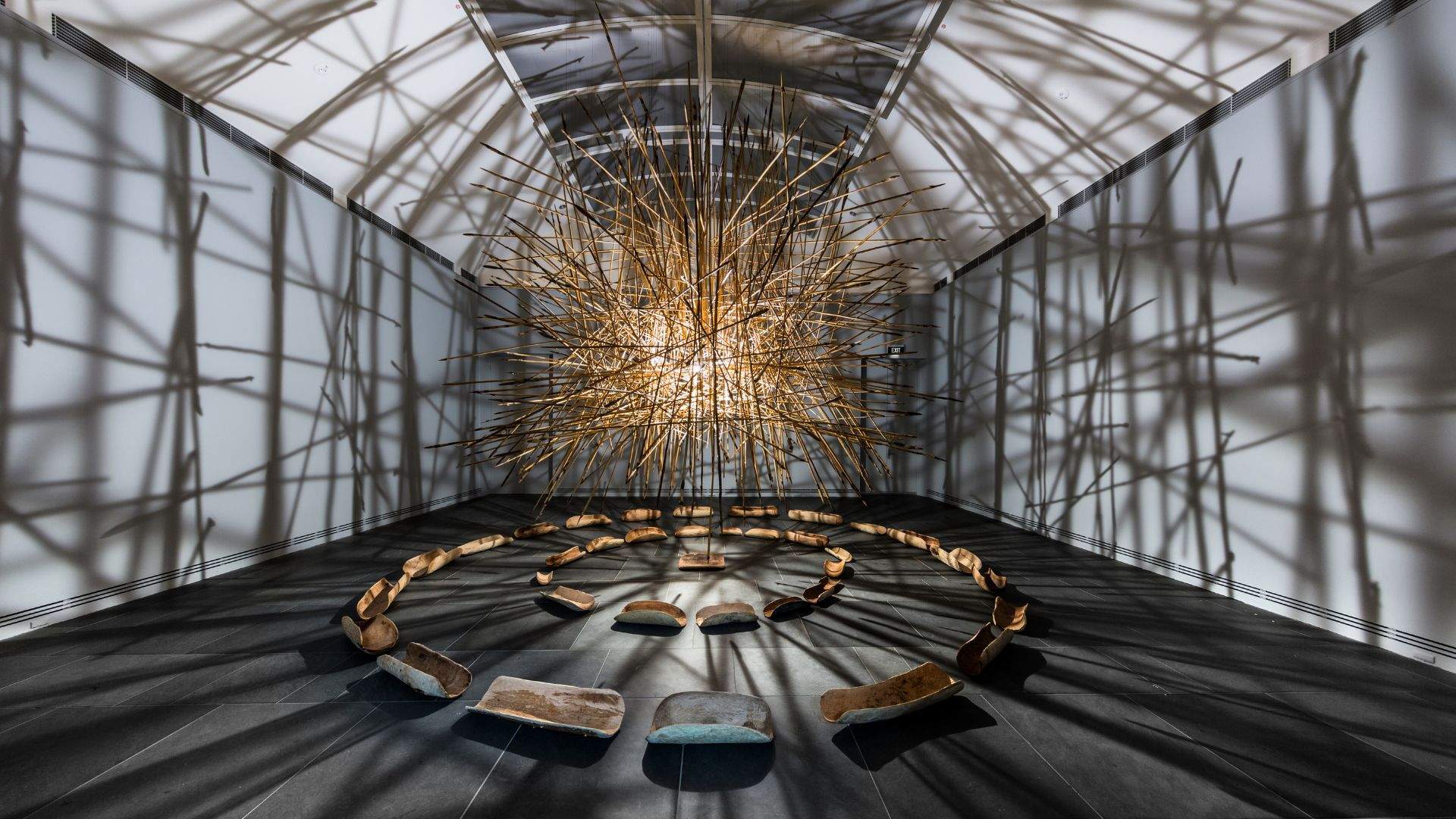
Image supplied
Barbara Moore, CEO of the Biennale of Sydney, says, "The Biennale of Sydney is a platform for art and ideas that inspire, challenge and connect us. In this moment, more than ever, we need opportunities that invite us to step beyond our own perspectives [and] encounter experiences different from our own, to reflect on what binds us together, and to celebrate what makes us human."
International names on the lineup include Nikesha Breeze, Dread Scott, Nahom Teklehaimanot, Tuấn Andrew Nguyễn, Joe Namy and Sandra Monterroso. Closer to home, the program features local talent such as Abdul Abdullah, Dennis Golding, Helen Grace, Wendy Hubert, Richard Bell, Merilyn Fairskye and Michiel Dolk.
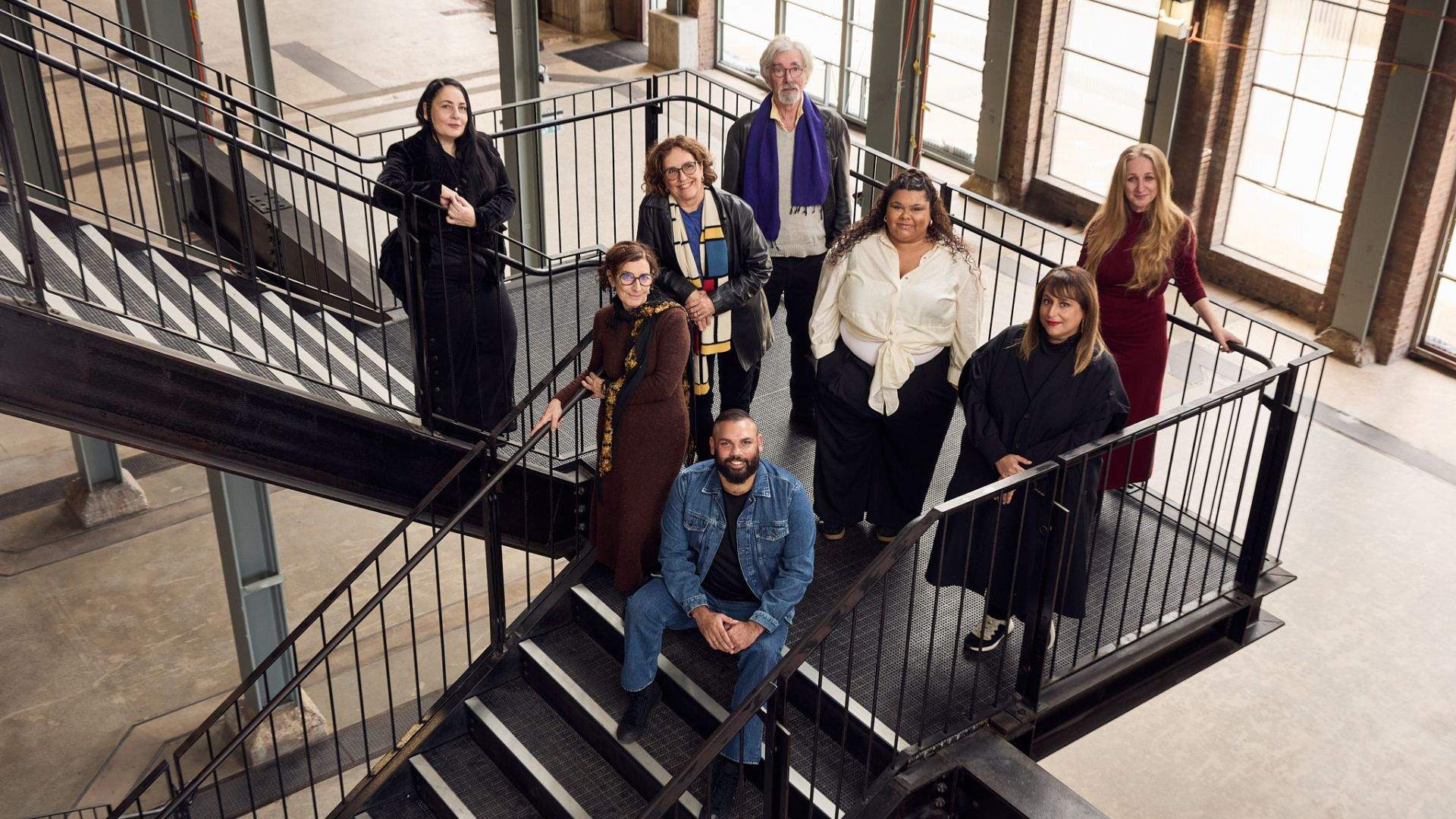
Image by Daniel Boud
The biennale has also partnered with Cartier's Paris-based art arm, Fondation Cartier pour l'art contemporain. The foundation has commissioned 15 First Nations artists to create new works of art in collaboration with its First Nations Curatorial Fellow Bruce Johnson McLean, who is also a Wierdi person of the Birri Gubba Nation. Indigenous artists globally have hopped onto the initiative, including: Native American interdisciplinary artist Cannupa Hanska Luger; sculptor Rose B. Simpson from the Santa Clara Pueblo tribe in New Mexico; acclaimed Yolngu artist Gunybi Ganambarr; and Tongan artist Benjamin Work, who is slated to present a sculptural tribute to the fusion of traditional Tongan dress with Western clothing.
Exhibitions will dominate five arts institutions around Sydney, spanning the Arts Gallery of New South Wales, Campbelltown Arts Centre, Penrith Regional Gallery, Chau Chak Wing Museum, and White Bay Power Station (the once-sleepy industrial site that was turned into an arts hub by the 2024 Biennale of Sydney).
Space out your art crawls with a jam-packed public program of evening gigs, crafty workshops and talks. We've compiled a handy guide of exhibitions and events to help you plan your route through the Biennale of Sydney 2026.
White Bay Power Station
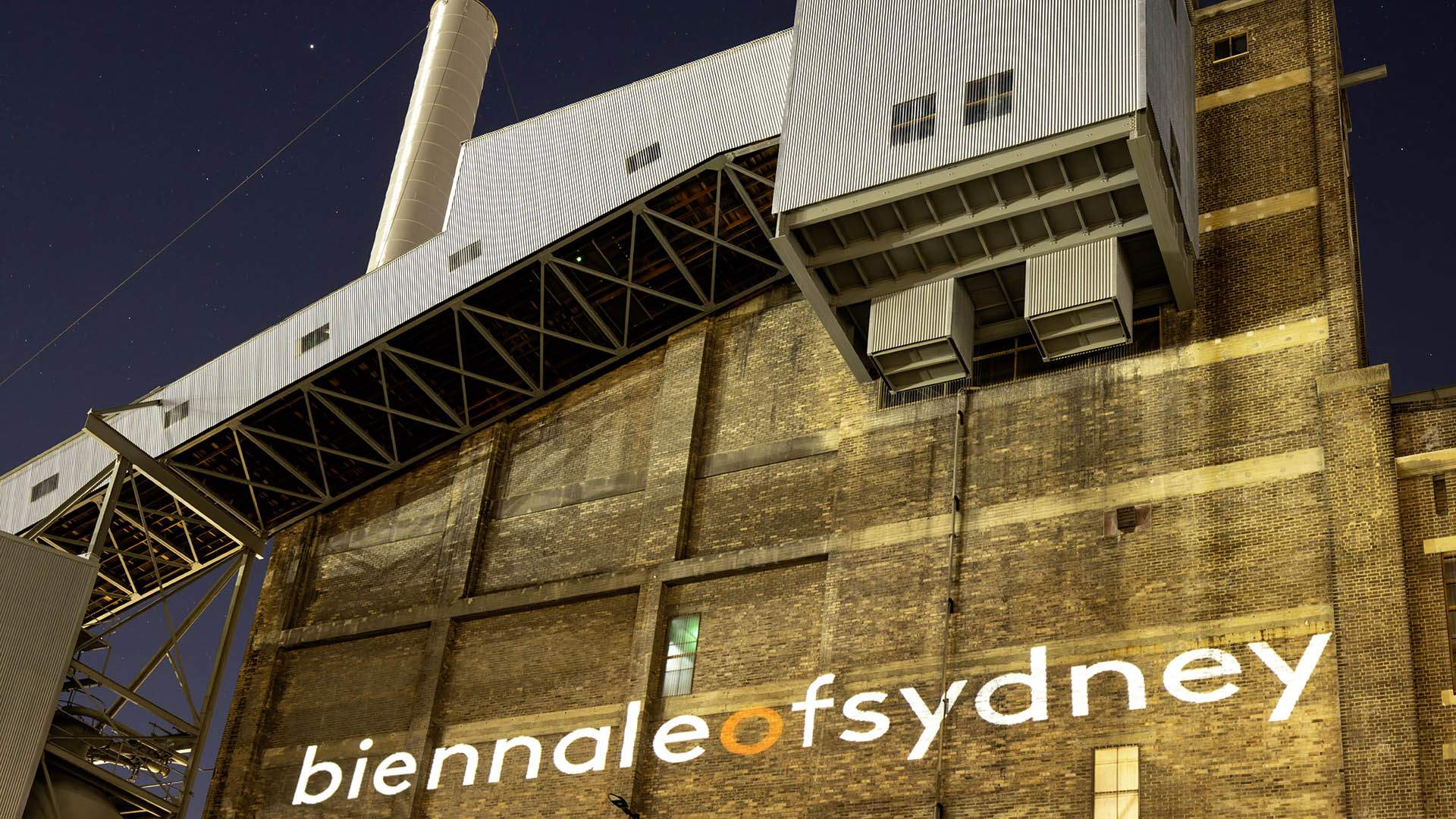
Image supplied
The biennale kicks off on March 13 with an opening party at White Bay Power Station, soundtracked to beats from local DJ INBRAZA Baile, First Nations-fronted Hand to Earth and Baltimore-born Nourished by Time. Keep an eye out for the car blasting music — it's part of 'Automobile', an elaborate sound installation by Lebanese artist and musician Joe Namy where he gathers local cars outfitted with tricked-out stereo systems that double up as instruments.
Two landmark exhibitions will span the venue. One is Nikesha Breeza's 'Living Histories', an archive of stories from enslaved African Americans in the Antebellum South, set in a maze of floor-to-ceiling fabric columns that mimic the African Baobab tree. Another is a striking mural by Garrwa-Yanyuwa painter Nancy Yukuwal McDinny, capturing the post-colonial voices of the traditional custodians of the Gulf of Carpentaria.
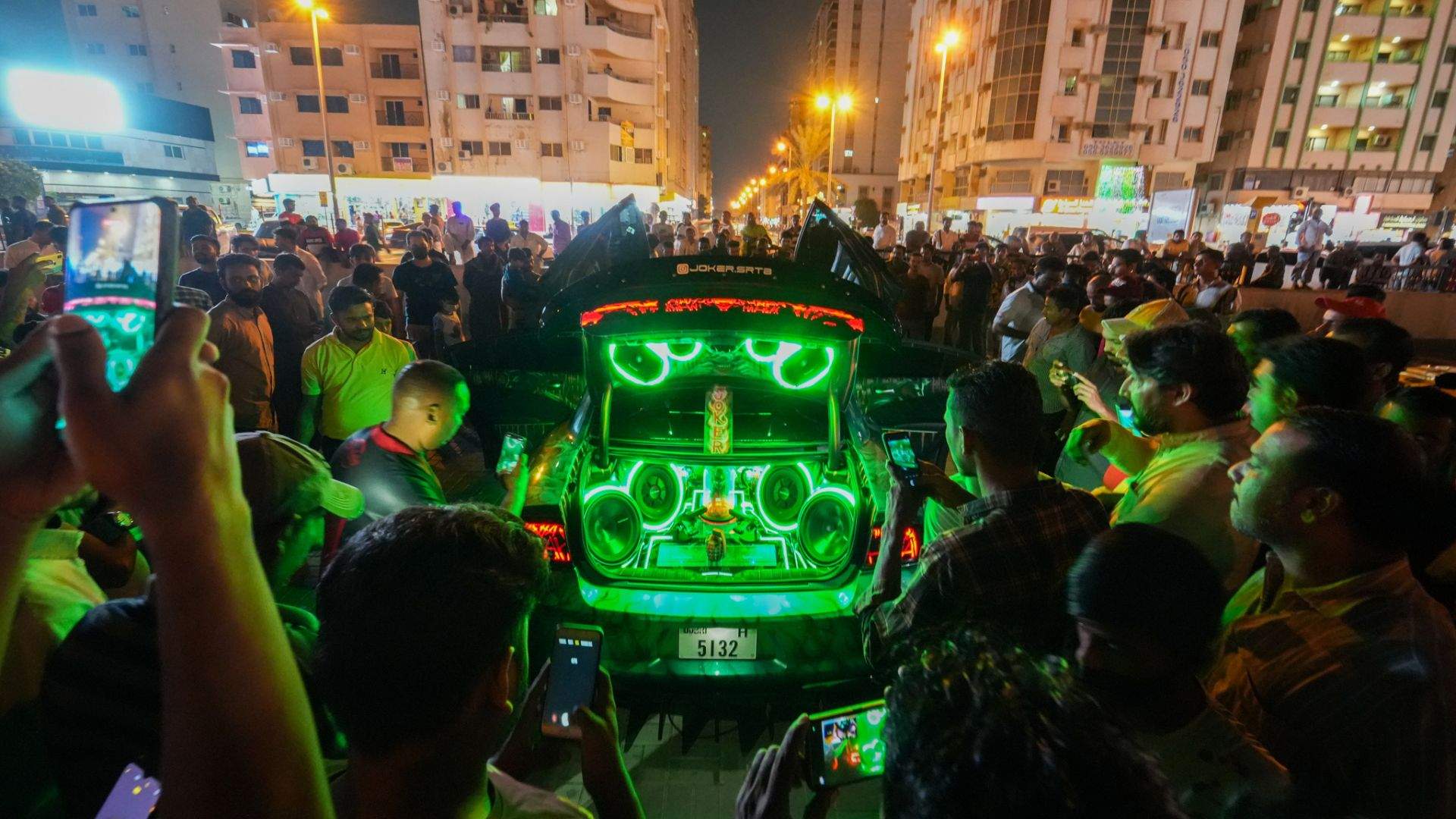
Image supplied
On Friday evenings, White Bay Power Station lights up with Arts After Dark. Three music lineups are locked in so far: March 20 brings ethereal melodies from celebrated Japanese experimental pop artist and composer Tujiko Noriko and a viola-meets-electronic-music set by Sydney-based composer Mara Schwerdtfeger; an electronic commentary by Kashmiri sound artist Ruhail Qaisar and local genre-defying musician Marcus Whale on March 27; and a strings-leaning night with Gomeroi guitarist Liam Keenan and Yorta Yorta bassist Allara Briggs-Pattison on April 3.
The heritage-listed site will host a slate of Inner West Council events during the biennale. Attend talks curated by local storyteller Lillian Ahenkan, known by her stage name FlexMami, on March 28. Then on 11 and 12 April, a collection of six performance artworks by Amrita Hepi, Charlotte Farrell, Emma Maye Gibson, Jacqui O'Reilly, Lauren Brincat, Lulu Barkell, Theodore Carroll and Red Rey will take the venue by storm.
Redfern
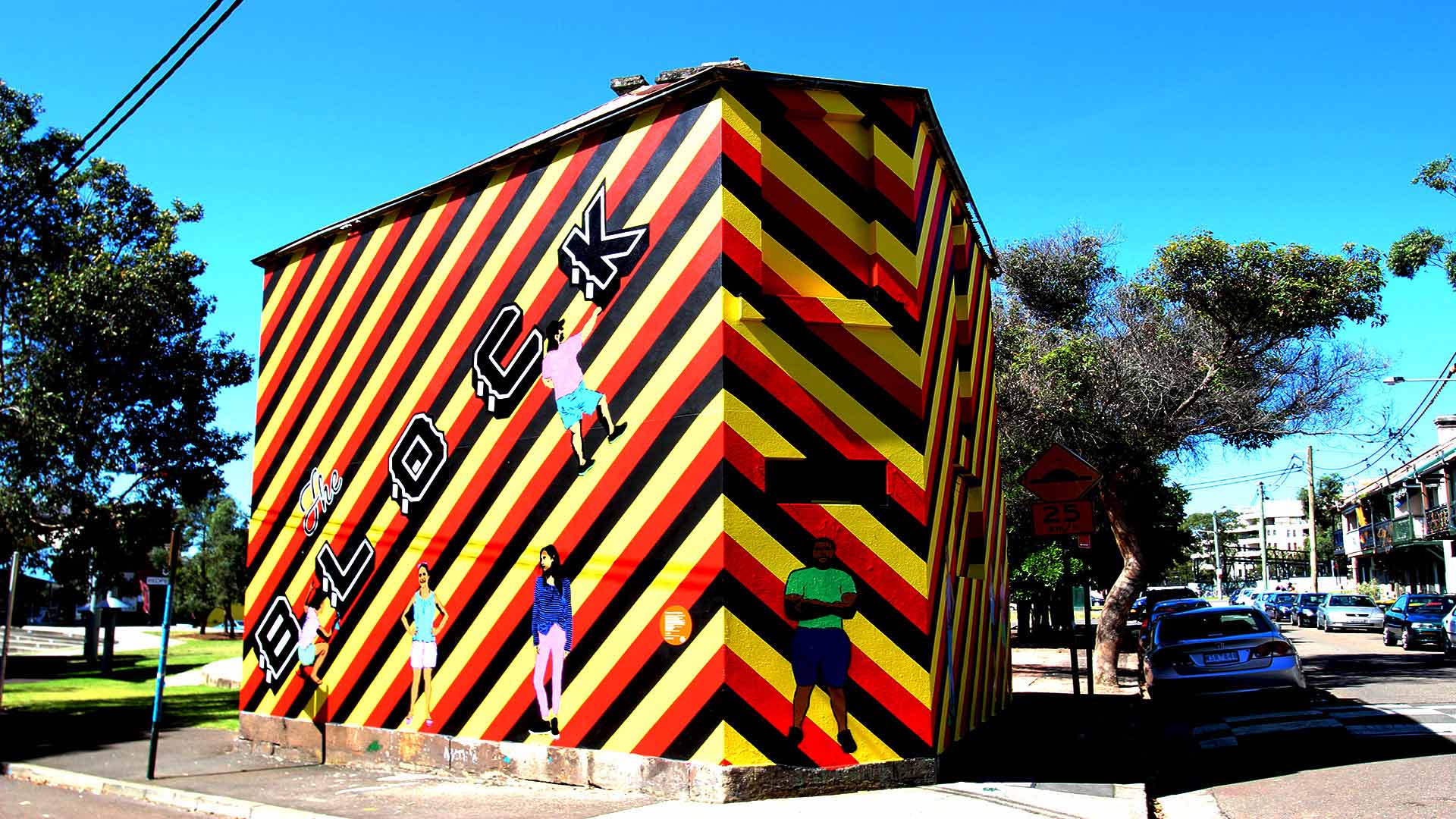
Image supplied
Redfern locals are in for something special. The Block has long been the beating heart of Indigenous communities in Sydney, and artist Dennis Golding will translate his memories of growing up there into a mini festival.
Expect a beaded jewellery making workshop on May 10, where some of the beads are 3D printed from the bricks of the iconic Aboriginal Flag mural that once stood over The Block. Then, on April 9, enter a First Nations-led bingo night inspired by community games that used to be held regularly in one of the vacant Eveleigh Street terraces. Plus, there will be three monthly strolls around Redfern with long-time resident Aunty Donna Ingram, who will dive into the area's Aboriginal history.
Art Gallery of New South Wales
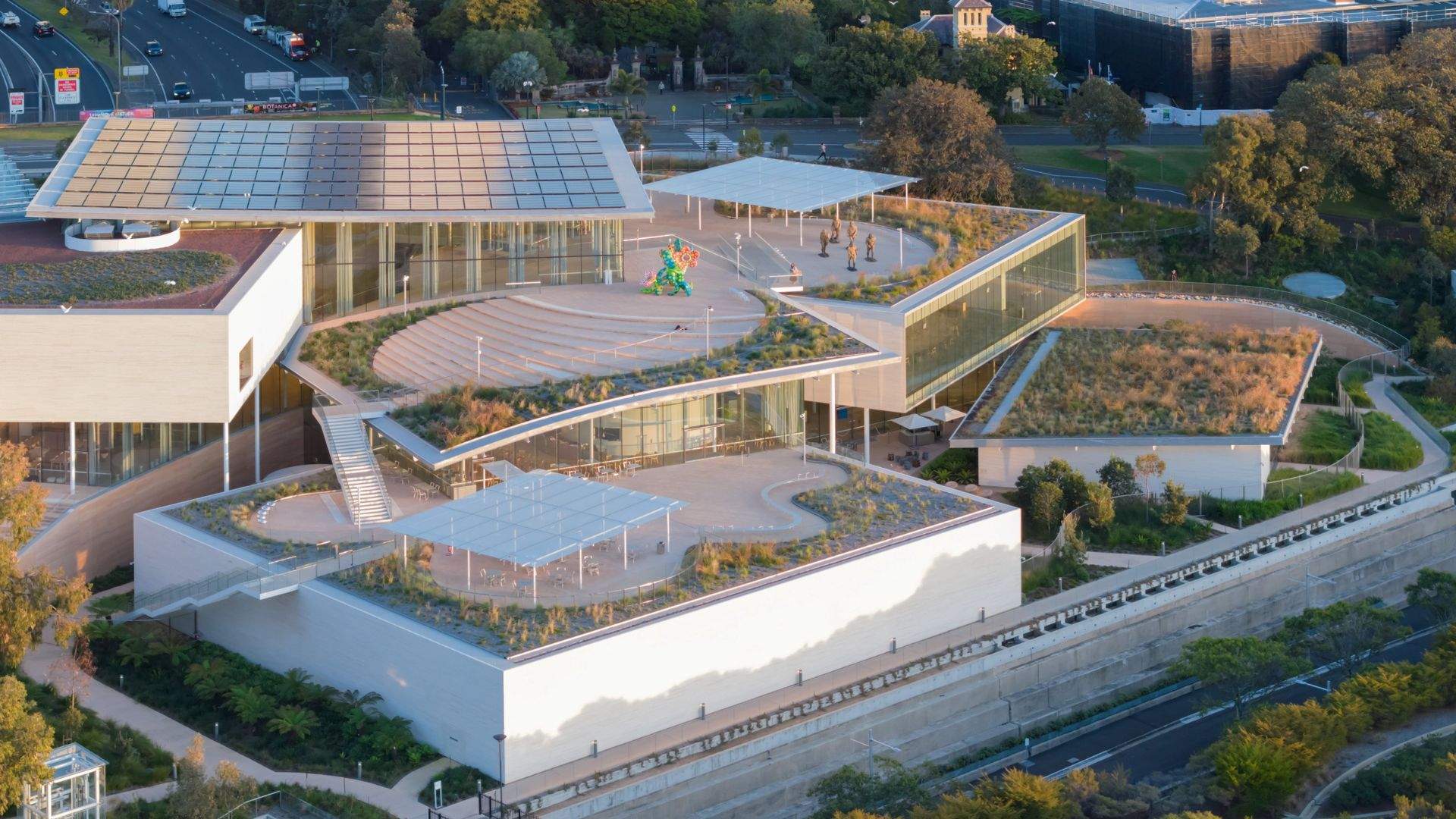
Image by Iwan Baan
Known for his collage-style canvases, internationally reowned Eritrean artist Nahom Teklehaimanot presents a trio of new large-scale canvases at the Art Gallery of New South Wales. Encapsulated by its title, This is My Silence You Name the Sound, the collection reflects on the complexities of refugees' lives.
The 15-year-old Kulata Tjuta Project is also making a stop at the Art Gallery of New South Wales. Kulata Tjuta means 'many spears', a literal nod to the thousands of hand-carved spears (and counting) that make up the contemporary work. Anangu artist Frank Young started the project within the Amata community in the remote regions of South Australia in 2010 — it's since expanded to involve over 100 Aṉangu men spanning over three generations of spear-makers.
Penrith Regional Gallery
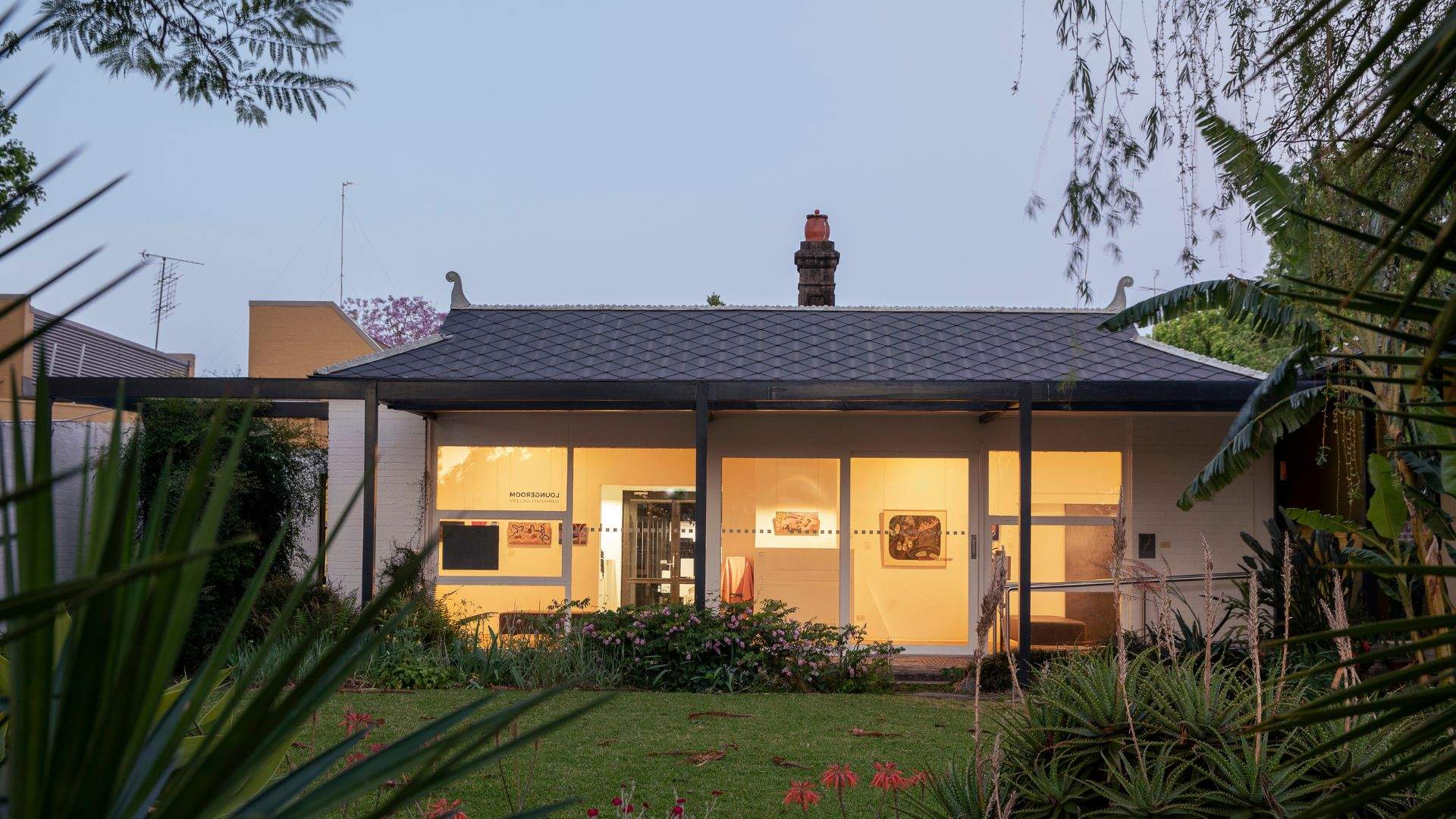
Image by Lyndal Irons
Just an hour from the city, Penrith Regional Gallery is an intimate homestead with a charming heritage garden. Settle in for a yarn on the grounds, now a sprawling native plant sanctuary nurtured by Yindjibarndi Elder Wendy Hubert. The living showcase of ancestral knowledge features native plants that are used for food, healing, and ceremony.
Inside the home-studio-turned-gallery, Monica Rani-Rudhar draws on her lineage to stage a poignant multi-channel video installation that explores how two traces of colonialism — trauma and resistance — are inherited through generations.
Campbelltown Arts Centre
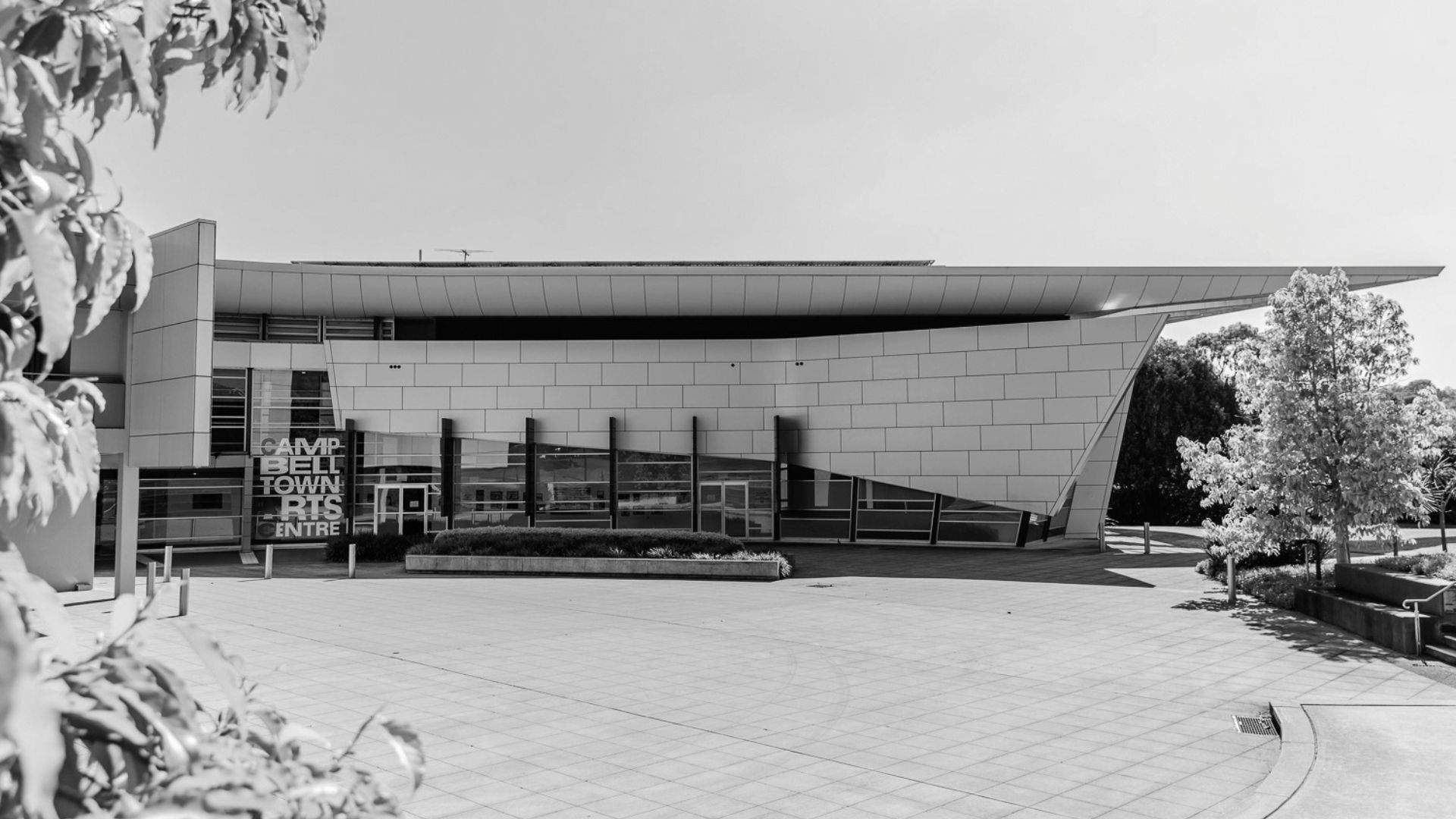
Image by Nikki To
Located in the creative hub of Campbelltown, the Campbelltown Arts Centre is shaping up to be an unmissable stop for film lovers during the Sydney Biennale.
When riots erupt in youth detention centres, it's officially labelled a Code Black/Riot. It's also the name of a large-scale collaborative project that aims to amplify the voices of incarcerated Indigenous youths, spearheaded by documentary filmmaker Hoda Afshar. The collective bagged the 2025 National Photographic Prize, and is now making an appearance at the Biennale of Sydney 2026, with Behrouz Boochani, Hoda Afshar and Vernon Ah Kee presenting a multi-channel video exhibition at Campbelltown Arts Centre.
Another highlight is the multimedia work of Lebanese filmmakers Joana Hadjithomas and Khalil Joreige, which follows a circle of friends who are setting off to Christmas Island. Their journey unfolds alongside the annual red crab migration, where a mass of crabs swarm from the forest to the ocean. The result? An immersive installation that interlaces movement, migration and imagined utopias.
Chau Chak Wing Museum
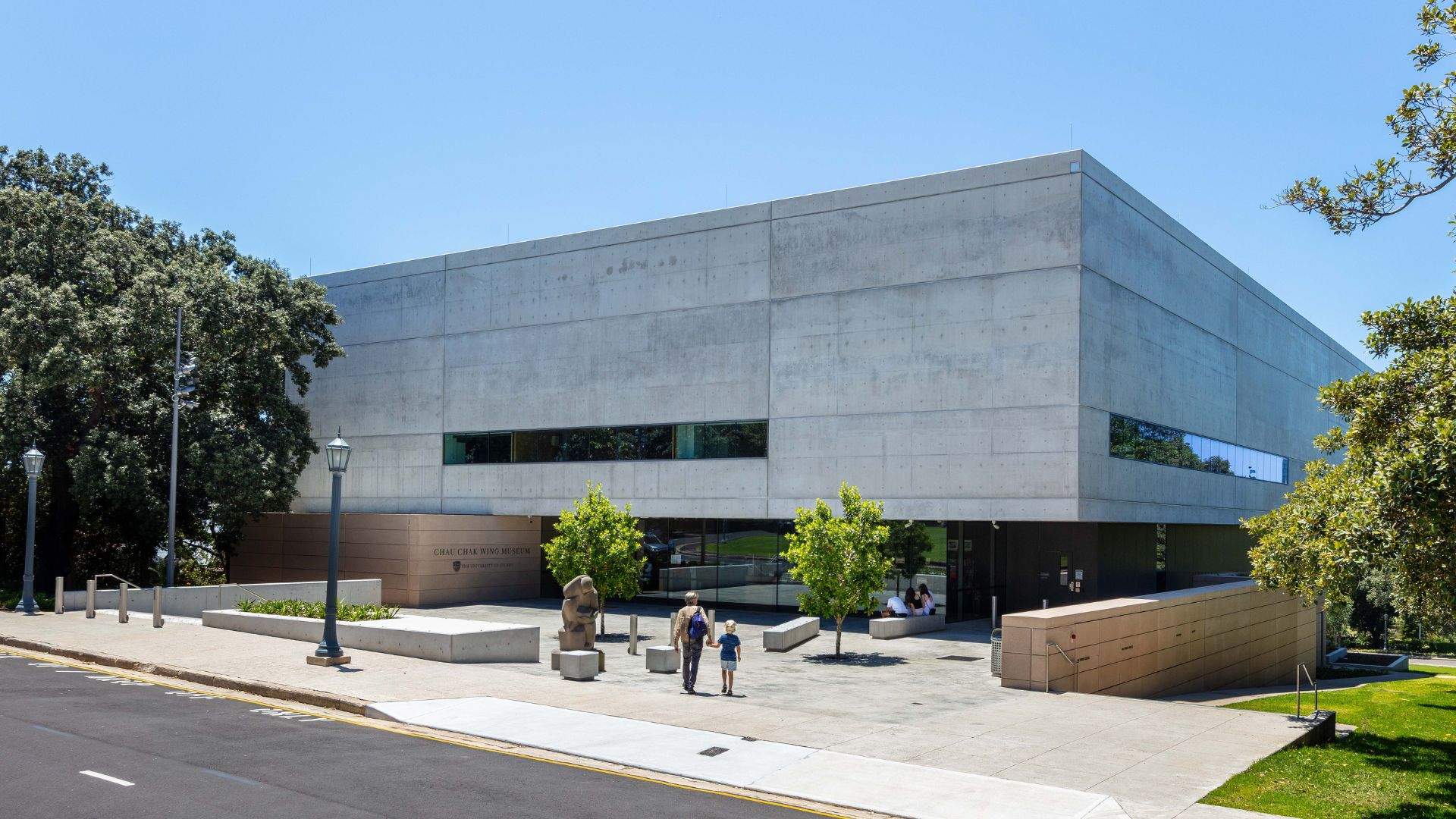
Image by David James
The much-loved museum at the University of Sydney will be home to two contrasting sculptures. One of them hails from Tāmaki Makaurau/Auckland, where artist Benjamin Work has created a celebratory tribute to the endurance of Indigenous culture, sparked by the 19th century fusion of Western influence with traditional Tongan attire. The other takes a critical approach, examining how Australian arts institutions have preserved Indigenous cultural material.
Visit the Biennale of Sydney website for more information.