Turning Pandemic Nightmares Into a Perceptive Probing of COVID-Era Paranoia and Polarisation: Joaquin Phoenix and Ari Aster Chat 'Eddington'
Set in the middle of social-distancing restrictions and mask mandates mid-2020, Ari Aster's fourth feature is a western, thriller and dark comedy — and an exceptional portrait of the times.

Beau was afraid. In Ari Aster's third feature — another excellent and unforgettable film after Hereditary and Midsommar — Beau was anxious and unsettled and agitated and knocked off-kilter, too. Sheriff Joe Cross is all of these things also, with Joaquin Phoenix (Joker: Folie à Deux) again taking on a key role for a writer/director responsible for some of the best movies, and viewing experiences, of the 21st century. Along with the filmmaker's initial two pictures, Beau Is Afraid earns that description, as does Eddington, Aster and Phoenix's mid-2020-set, COVID-era-probing, brilliant and chilling and equally very amusing latest collaboration. Its focus: a small New Mexico spot struggling when normality as everyone knew it just months prior has vanished and seems as if it might never return.
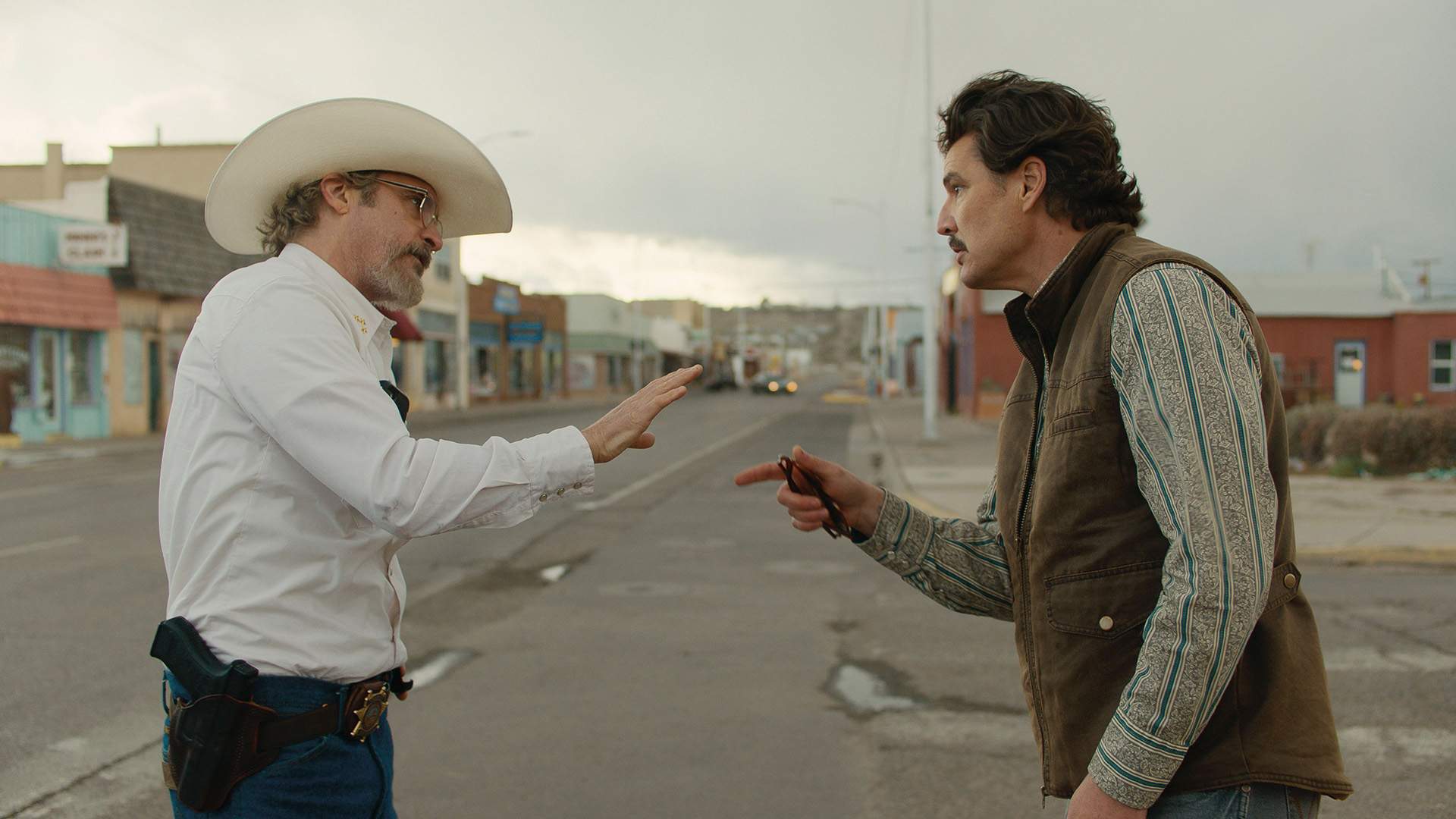
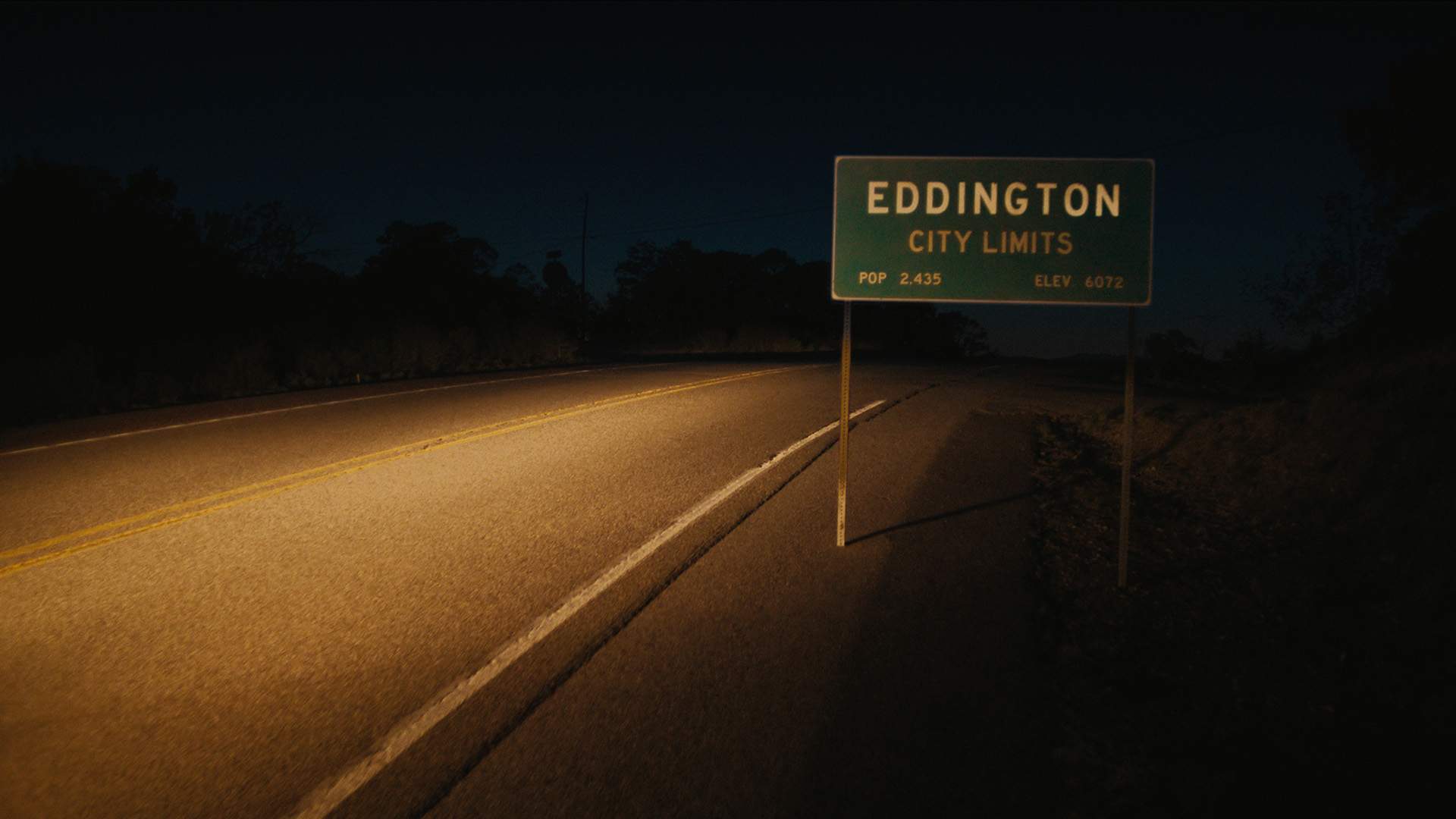
The Sevilla County official at Eddington's centre is as much a man interrupted, as his community is — but the Cross way of coping is to flout and defy anything that doesn't match his preferred status quo. His dislike of incumbent Mayor Ted Garcia's (Pedro Pascal, The Fantastic Four: First Steps) way of handling the pandemic, aka respecting social-distancing restrictions and mask mandates, inspires the Sheriff to take action, entering the race to lead the town (population: 2345) himself. Eddington is a western, as well as being an unnerving thriller and a hilarious dark comedy; Aster has Cross and Garcia headed for showdowns and standoffs more than once.
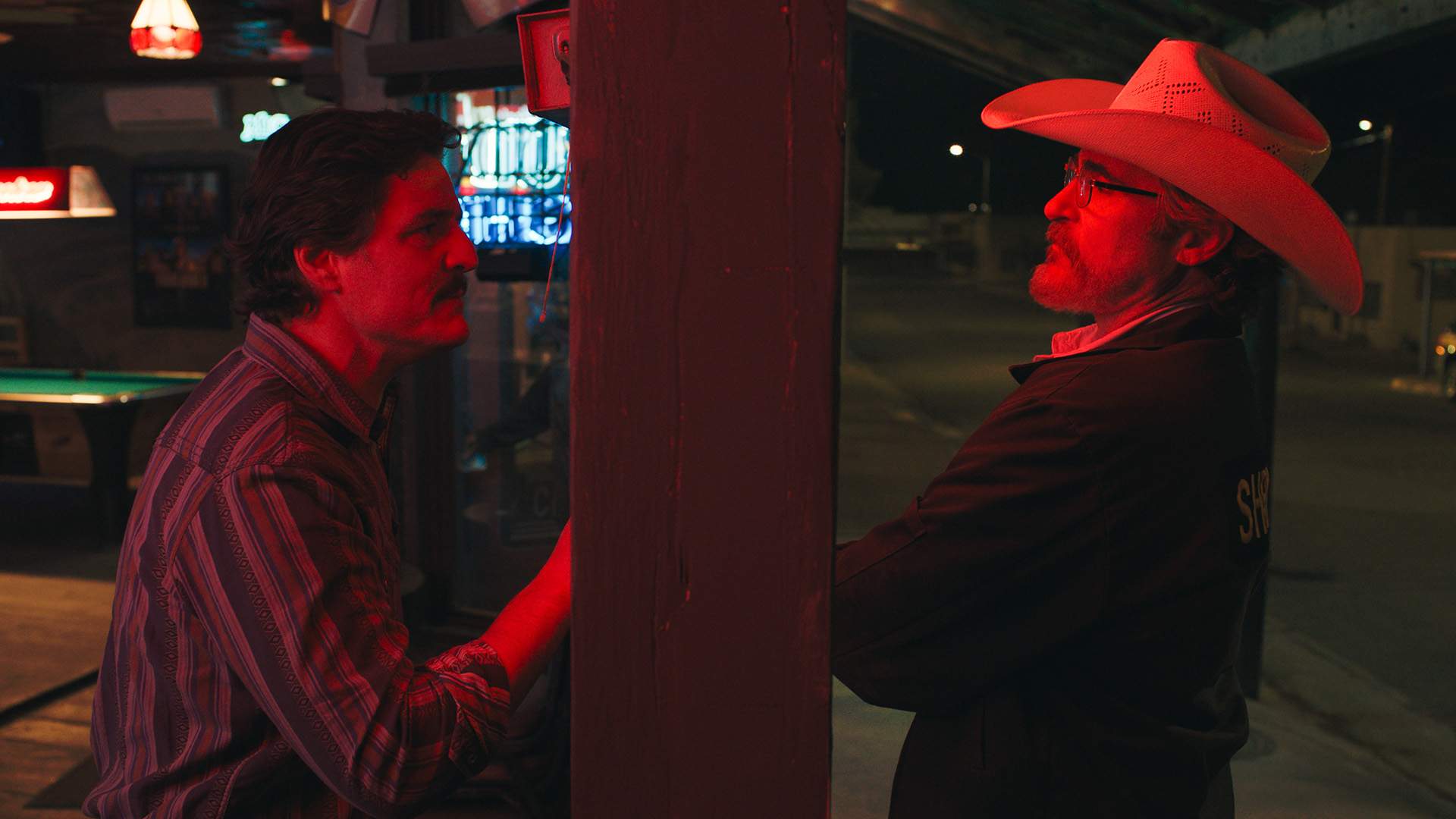
With a Best Actor Oscar for Joker to prove it, Phoenix has been enjoying a recent stint of playing characters who are fixated, obsessed, unyieldingly determined and driven to act of late — since before the outstanding You Were Never Really Here, but that's firmly a recent example prior to his time as Arthur Fleck and now Joe Cross. He hasn't necessarily noticed that trend, he tells Concrete Playground, or recognised that anything particularly draws him in that direction. "I've never thought of it that way, but you say that and I go 'I don't even know what the last two movies I made are'," Phoenix advises. "But maybe you're right. I don't know why. I think I'm always just — it is an instinct. I either react to something that I'm reading it or I don't. And I don't really analyse why."
Eddington is easy to spot trends and parallels in and around. Given that it peers into very recent history, to a period forever seared and scarred into memories — and has the era's paranoia and polarisation in its sights, spotting how neither have subsided since — that's by design. Another piece of mirroring comes via Aster's filmography. Chatting with Concrete Playground in 2018 when Hereditary released, he described his debut as "a family tragedy that curdles into a nightmare". Grief over a mother and grandmother begets worse in the feature that won Toni Collette (Mickey 17) a deserved Best Actress Gotham Award — in a movie, too, that cemented itself as an instant horror great. That "curdling into a nightmare" idea resides in each of his features, Eddington included.
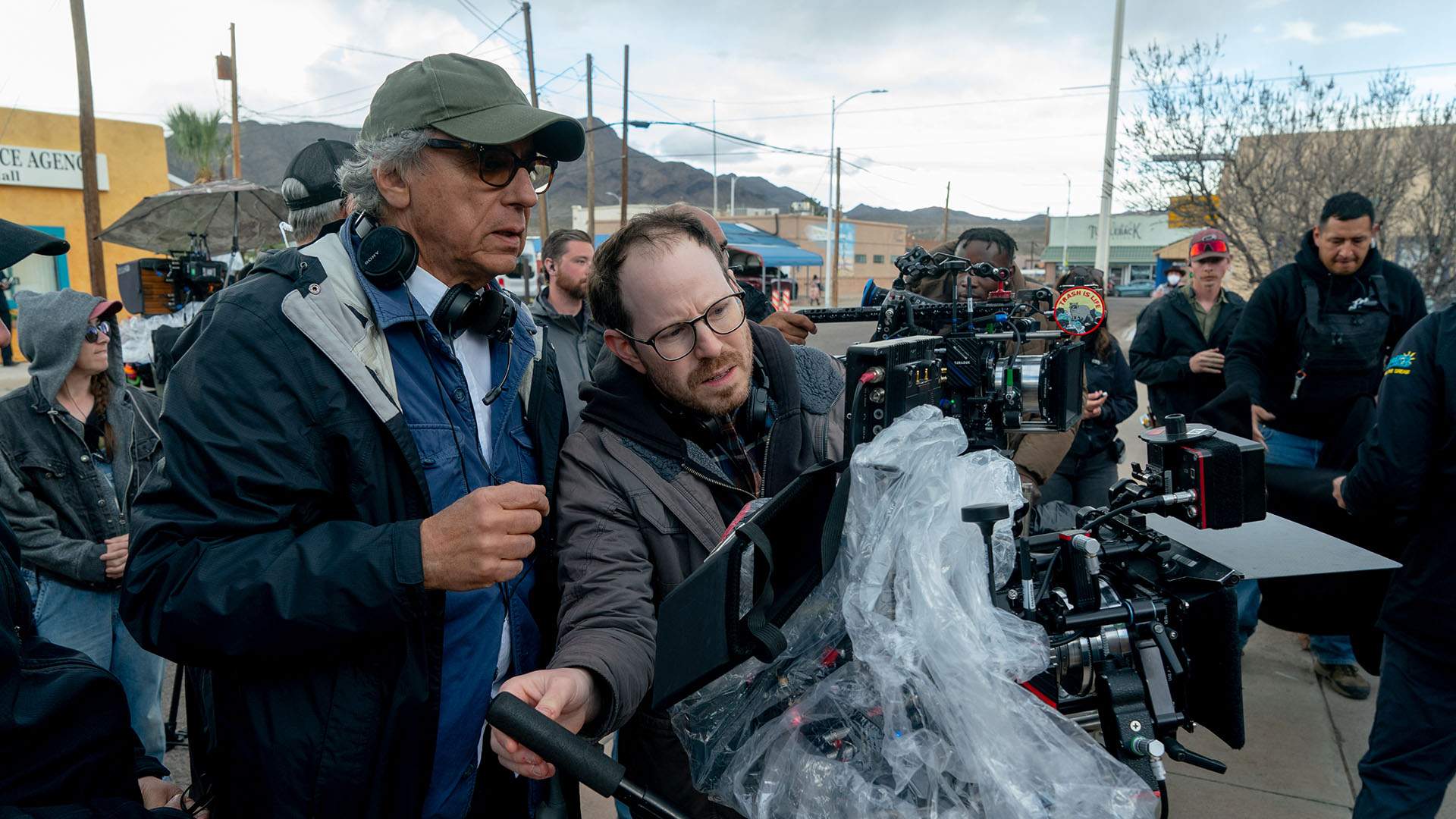
"I think that could be one way of describing this film," Aster tells us. "I would say that this is a film about a bunch of people who are all very paranoid, and who have very clear but kind of oppositional ideas of what is happening. And everybody's picture of the world is pretty sinister. Then, by the end of the film, the film itself becomes gripped by this paranoia — and so the movie too becomes paranoid."
He continues: "and in that way, the film goes off the rails in a way that I like. It's got a long, sustained climax, which I like, especially in a genre film. It's easy to make this film, in an interview like this, sound like eating your vegetables — but it's supposed to be fun, even though what it's talking about is no laughing matter. But the film is about the circus of America, and the tilt-a-whirl goes faster and faster until the teacups start flying off."
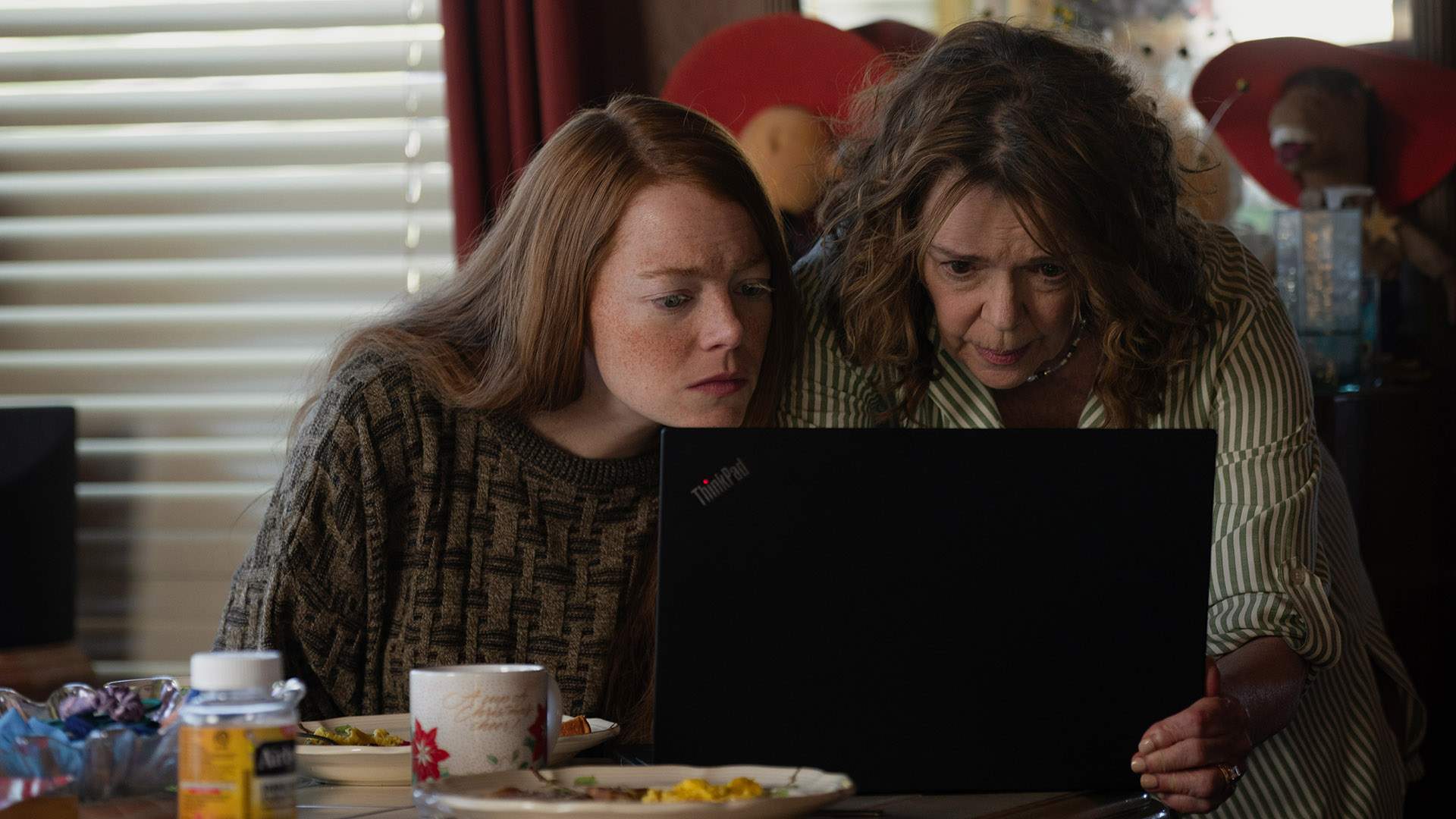
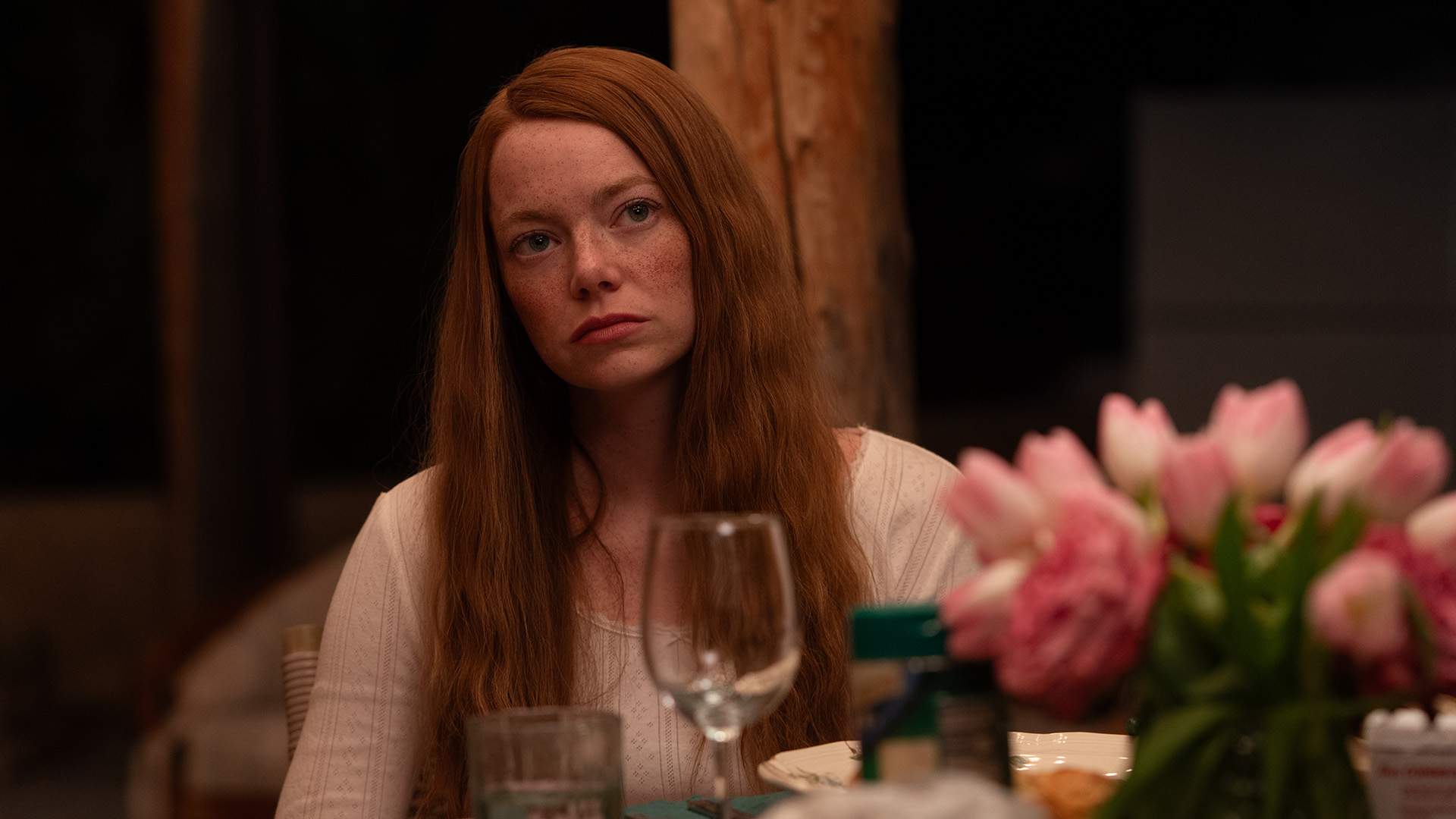
Cross' blatant and inescapable acrimony for Garcia, Joe's depressed wife Louise (Emma Stone, Kinds of Kindness) embracing online conspiracy theorists and becoming particularly enthralled by the charismatic Vernon Jefferson Peak (Austin Butler, The Bikeriders), local teens staging Black Lives Matter rallies to share their anger over the death of George Floyd, tech company SolidGoldMagikarp's plans to build a data centre on Eddington's outskirts, doomscrolling feeding the pervasive sense of distance between townsfolk: these all help that rotating ride spin. As the whirring of conflicting attitudes and opinions that's unbalancing its setting gains speed, Aster's film digs into America's contradictions, patently, as well as conservative-versus-liberal clashes. Internet hokum's easy spread, our immensely tech-reliant lives and AI earn attention; giving up power to the powerful without realising it, too. Anti-fascist activism, performative bandwagon-jumping, ignoring health-protection rules when folks are dying, not knowing how to cope with this chaos: they're also among the swirl.
Aster doesn't see it as a horror movie; however, Eddington is as perceptive a portrait of 2020 and the times since as had reached screens so far, and as disquieting yet clear-eyed. The path to the feature started with an old idea predating the pandemic, which also came up while talking to the director, as did piecing the narrative together, living in a world where no one agrees on what's true anymore, reteaming with Phoenix and more — alongside chatting with Phoenix about that repeat collaboration and reuniting with filmmakers of late, interrogating fear and anxiety with Aster, what he recognised in the script, and bringing humanity and humour to Cross.

On How Aster Following His Instincts in the Early Days of the Pandemic, and Picking Up an Old New Mexico-Set Idea, Lead to Eddington
Ari: "Well, I feel like we're living in a very, very weird time. And the human capacity for adaptation is amazing, and everything becomes normal very quickly, and things that might be obvious become less so once they become ambient.
And I just found that I wanted to pull back as far as I could, and try to describe this new reality that we're living in as well as I could — which is that everybody is living in a different version of reality, and we totally distrust anybody and anything that falls outside of our little bubble of certainty. And we've become unreachable to each other.
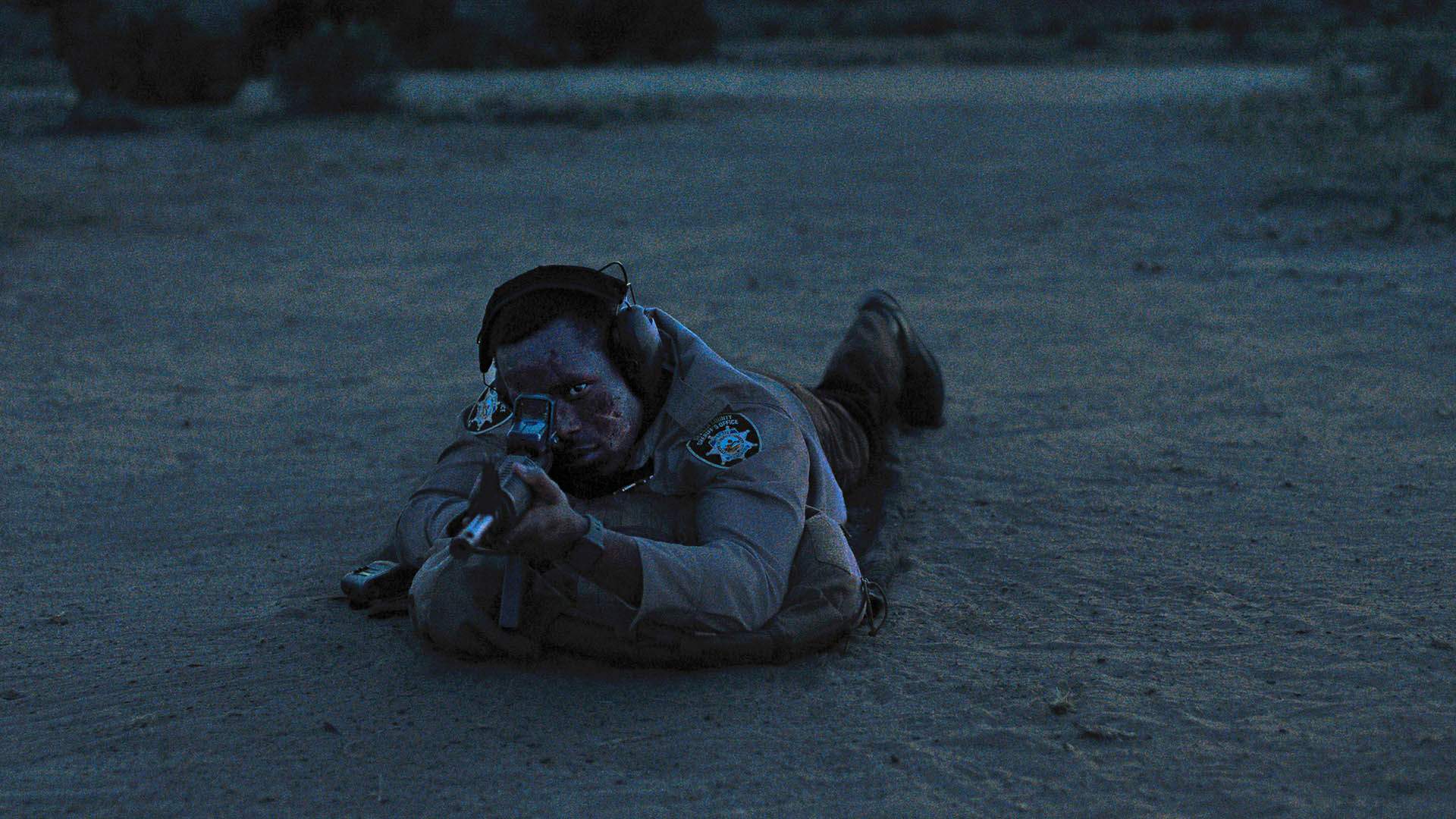
So I wanted to make a film about that. And I'm from New Mexico — and that's really what the project was that had already been there waiting for me, which is that I have just been wanting to make my New Mexico movie. And I wanted to make a western.
And it felt like the right framework for this."
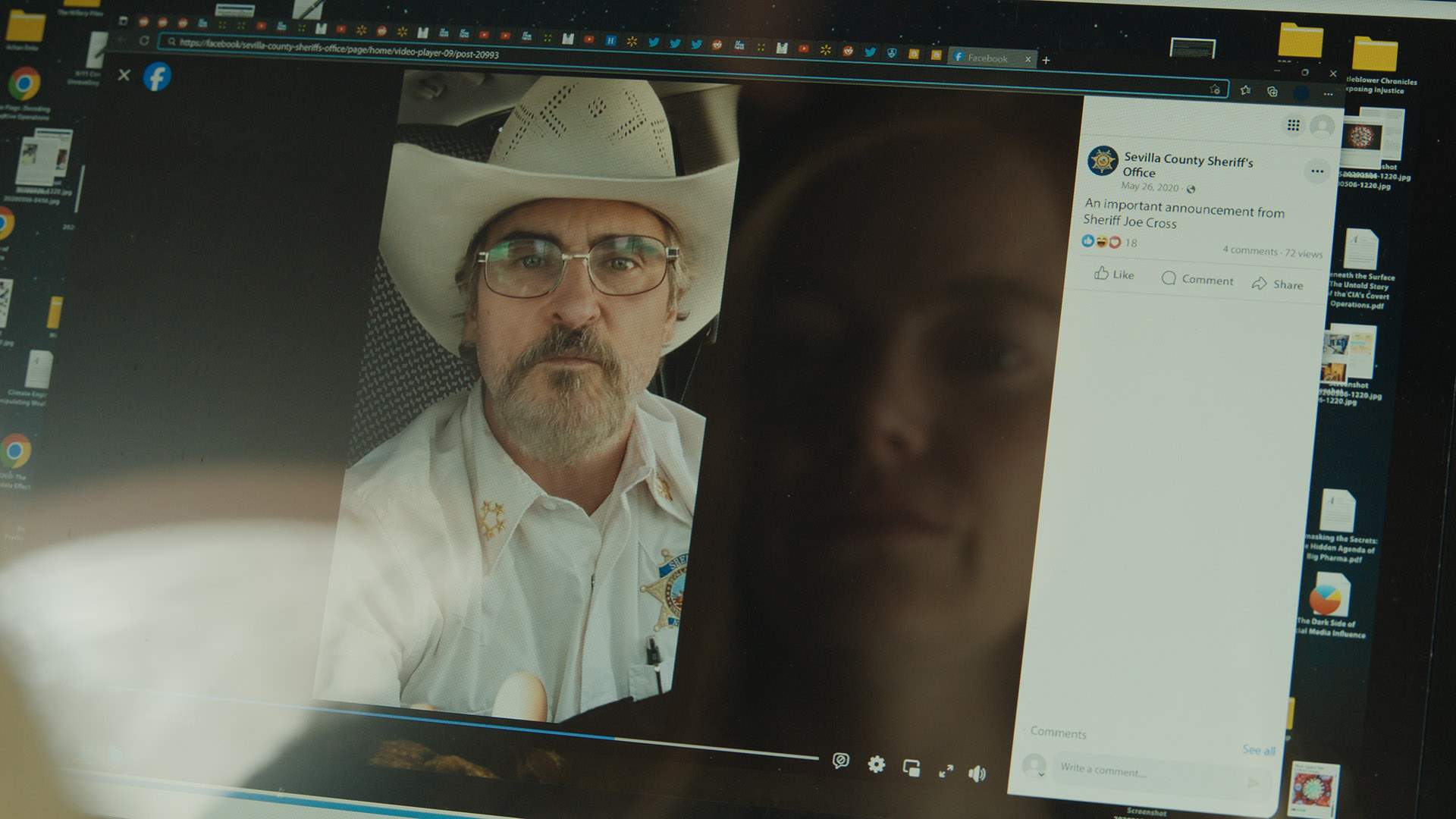
On Whether Returning Collaborations with Directors, Such as Ari Aster Here, Todd Phillips on Joker: Folie à Deux and Ridley Scott on Napoleon, Help Phoenix Challenge and Extend Himself as an Actor
Joaquin: "I think that's what you would hope for, right, because it's almost like a long relationship, just the value of growing with somebody and changing — and somebody that learns to read you better after time.
We all put our best foot forward when we first meet people and are working with them, and I think after some time we start really showing ourselves and there's real value in mining that.
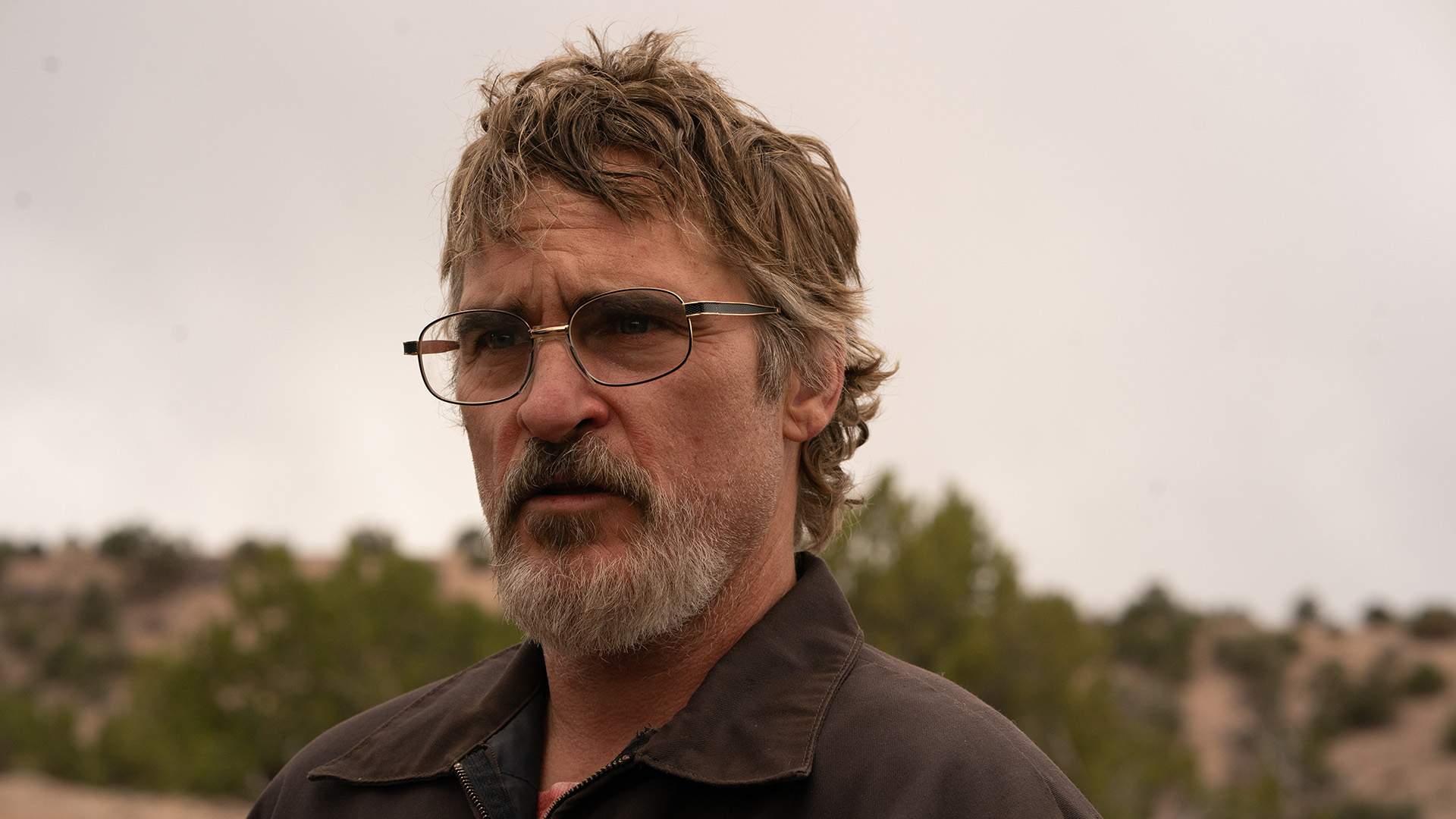
With Ari, it's weird, because I had one of those experiences where when I first met him, when I first just talked to him on the phone, I instantly knew that he was — I don't know, a friend just doesn't even sound like it's enough. I just knew that we were going to be working together closely, and I knew that he was somebody that I loved the way that he talked. And I understood him, like I felt like I really understood. And I think he understood me.
And so there's real value in that — and I hope, I think, that he did and does challenge me in ways that are really beneficial to me and helpful."
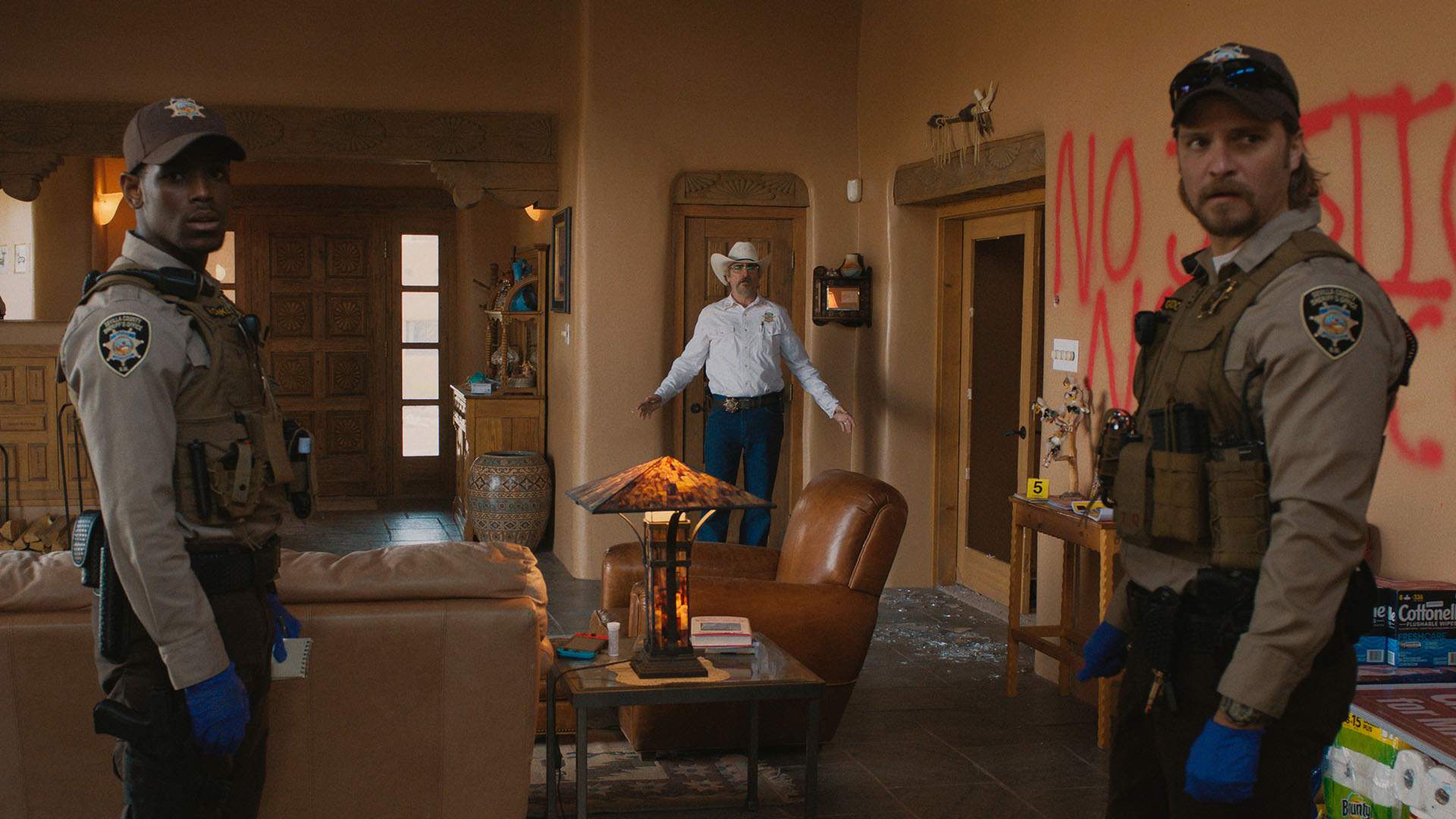
On When Aster Realised That He Wanted to Reteam with Phoenix on Eddington
Ari: "After working with Joaquin on Beau Is Afraid, I really wanted to work with him again. Before Beau, he was one of my favourite actors and somebody that I very seriously wanted to work with.
But when I was writing Eddington, at least the first pass of it, I hadn't worked with Joaquin yet, didn't know him yet, and so I didn't really have anybody in mind. But after we shot Beau, then I rewrote Eddington and spent a lot of time in New Mexico, travelling around, going to different small towns and meeting different people, public officials, Sheriffs of different counties, police chiefs, Mayors — went to different pueblos — and tried to get as broad a picture of the political climate of New Mexico as possible. And then once I had incorporated all of that and I had a script, it was clear to me that I wanted to at least try Joaquin again and see if he was interested.
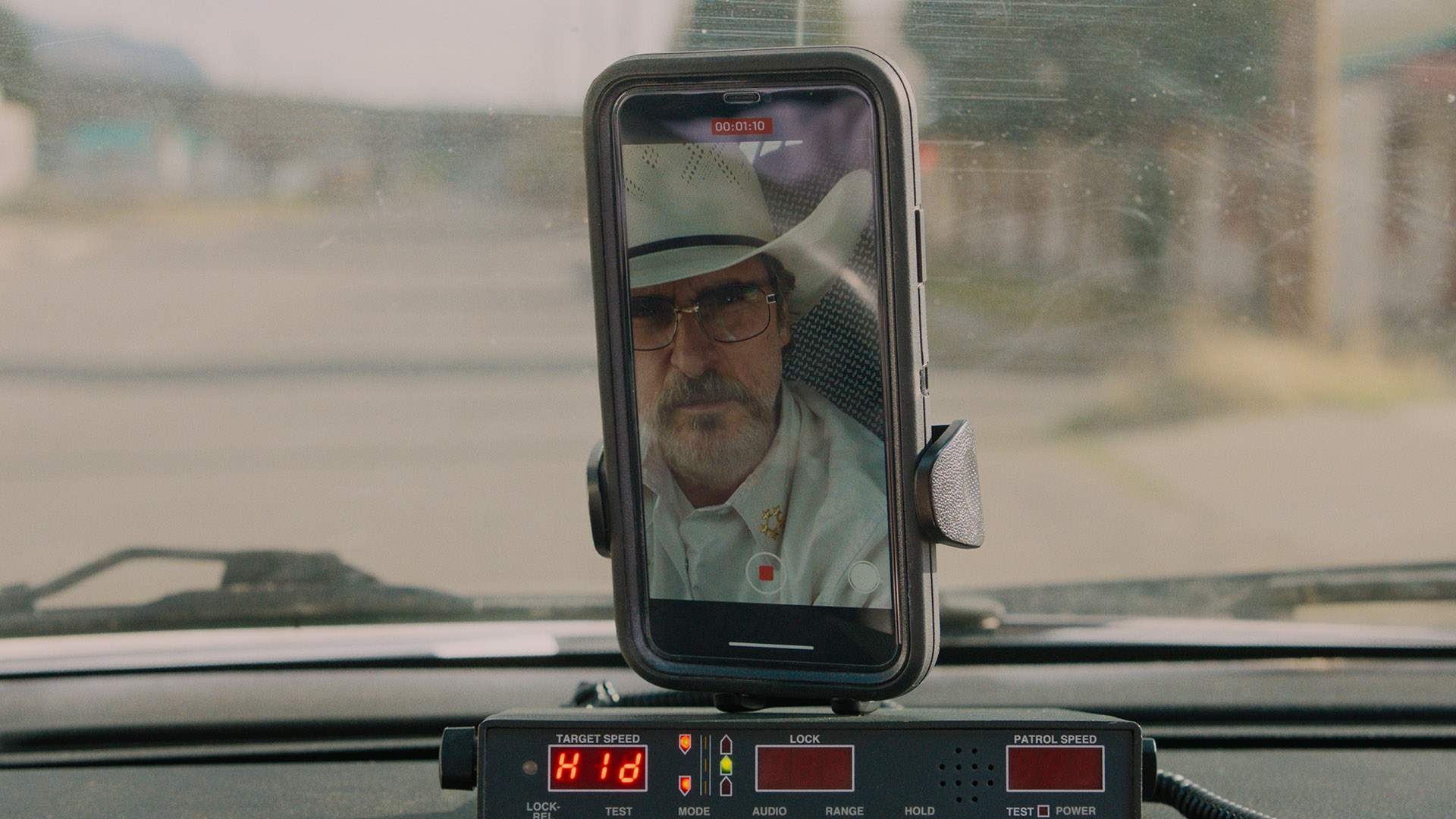
And happily he was, and I really think he does something really special with this character, Joe Cross, the sheriff of Eddington — or the sheriff of Sevilla County. Eddington is a town in Sevilla County. These are made-up places.
But I think what he does here is really wonderful. He brings so much humour and humanity to this character. And I think part of the trick of the film — or I don't know if it's a trick, or if it's just something that is important to the film working — is that you have to kind of like this guy, whether you have his politics or not. There's something winning about him.
And then, of course, as the film goes on that should get more complicated — our relationship to him should change."
On Whether There's Something Unique to Digging Into Fear and Anxiety with Aster
Joaquin: "I don't think he's exploring these traits because they're good for a character, for a movie, but it feels like it's a genuine curiosity for him. And maybe it's part of his experience, or maybe it's the experience of people that he knows. I don't know why he has that curiosity — or I don't know if it's an obsession — but definitely it's a curiosity to explore those feelings, and I don't know where it comes from. I've never asked him 'is that your personal experience, or ... ?'.
I think oftentimes writers obviously observe things in others and become fascinated by it. So there's definitely a real drive and curiosity. And so I think when you're — there's not a standard way of playing that for Ari, right? It always has to be something very detailed and specific.
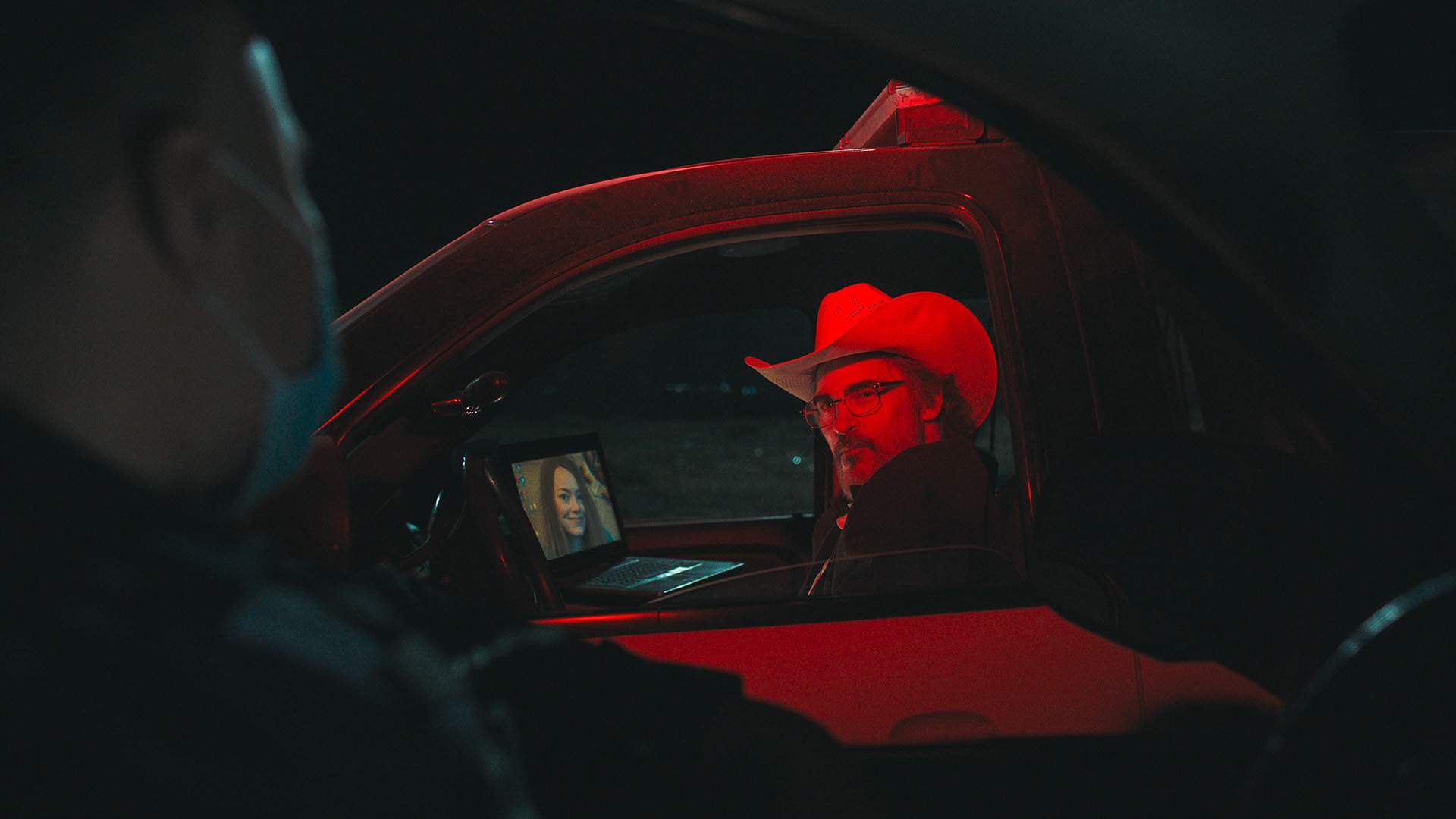
And I'm struggling with trying to come up with an example, probably because there's so many and they're all running together. But I wish we could come up with an example of a scene. Like even in the scene where I'm — it's such a brief moment, you may not even remember — but I go back to the police station and somebody that was in the police station that was locked up is no longer there.
It was really this very quick scene that's in the midst of the most-manic moment. And it was a long process for us that went throughout the day, as we discussed all the possibilities of what would be going through the character's mind and then how that is translated to somebody else as he speaks or whatever actions he takes.
And so I think with Ari, it always feels that we are trying to find something that feels very specific and unique to that character in that moment — versus a blanket approach to anxiety or fear."
On the Crucial Elements to Create a Film About Living in a World Where No One Can Agree on What's Real Anymore
Ari: "For me, the most-important thing was to pull back as far as I could, because what I wanted to talk about was the environment, right — and I feel like we've become so atomised, and things have become so complicated and so intensely partisan, that it felt very important to move back and just try to get a picture of the landscape. And to see just how many of those particles were floating around not actually meeting each other.
And then it's a genre film, and so it's built on conflict. And so the question then became 'well, what happens when these atoms start bumping up against each other? What comes out of that?'.
And the answer is almost always violence, because there's nothing in the ether to hold anybody together anymore. And so that was, I guess, the challenge, but also the thing that felt necessary."
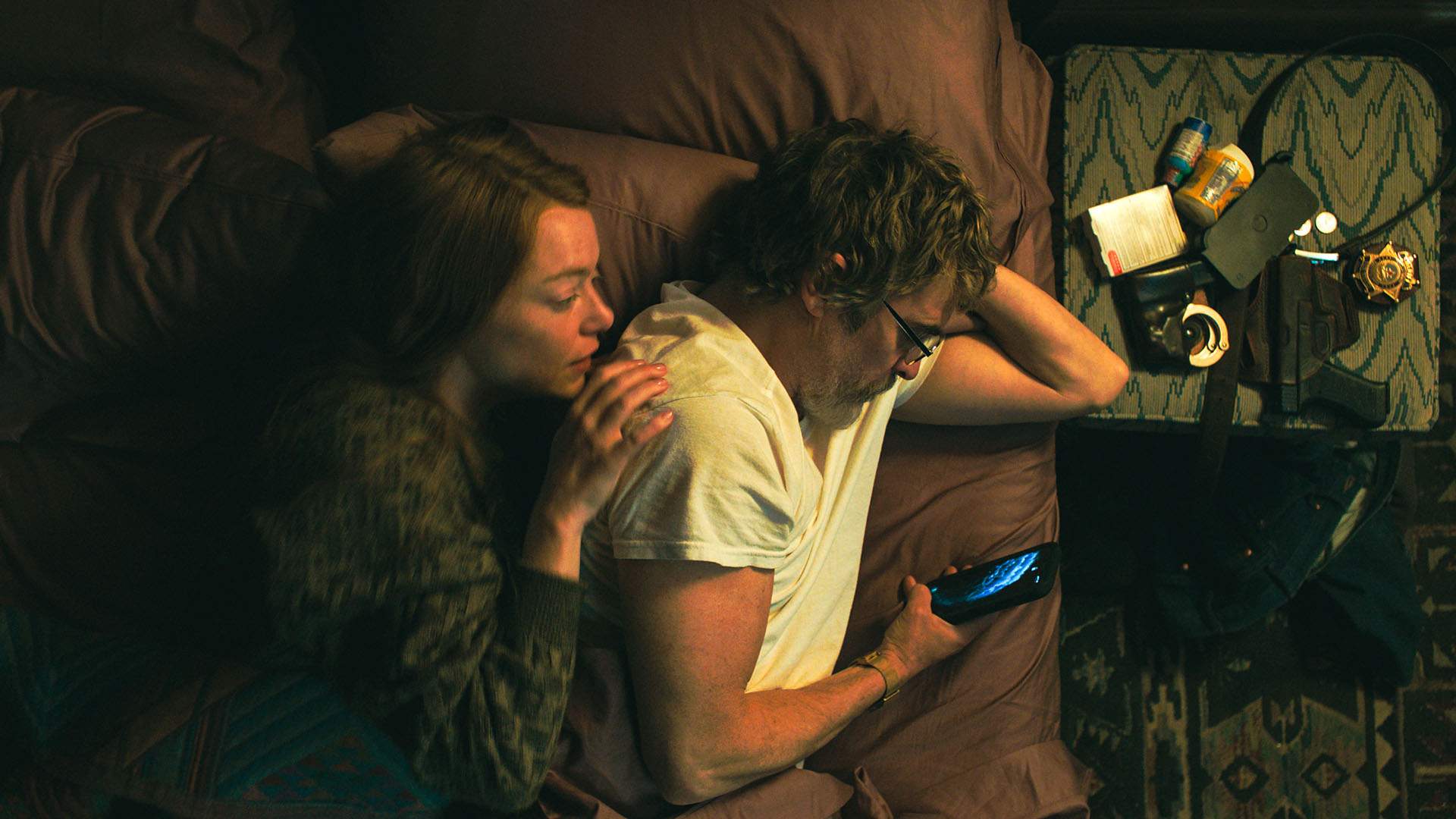
On Phoenix Seeing Himself and Reality in Eddington When Aster First Sent the Script His Way
Joaquin: "My first reaction was 'I recognise so much of myself and my family and my friends and my neighbours in all of these characters, and that makes me uncomfortable at times. But I'm laughing and I can't stop laughing'. That was my first reaction.
And then I think I was like 'oh yeah, it's us'. And as ridiculous as we were, we were scared. Like, everyone was scared.
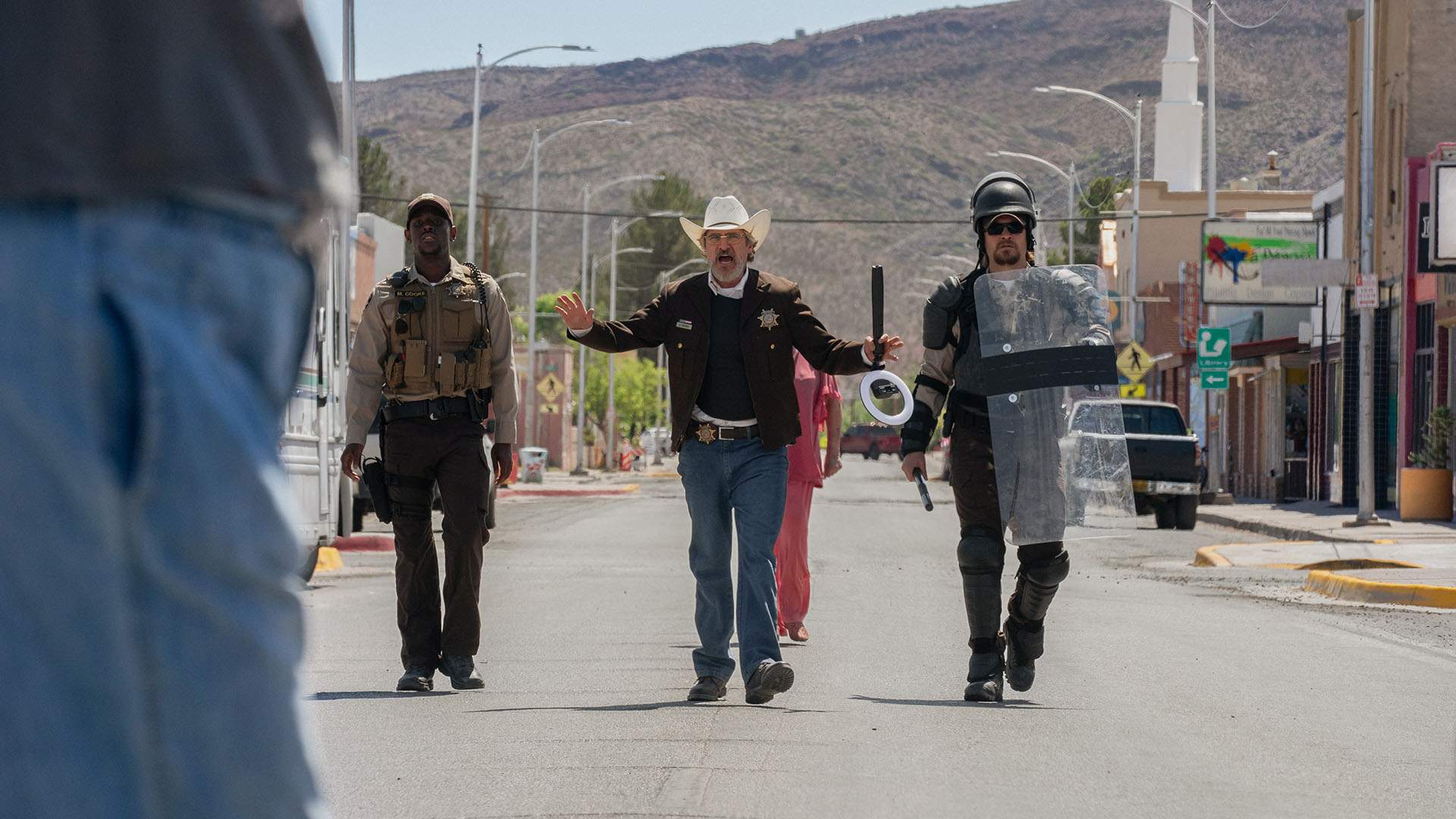
Whether they should have been scared or whether we overreacted, it doesn't really matter. In that moment, it was kind of like waking up from a nightmare and they're like 'yeah, in the moment, it really felt like that monster was going to get me and I was scared. And all the things I did in that that moment, it was just how I reacted. I couldn't help it.'
And I think in some ways, it made me just have a lot of forgiveness and understanding for how we behaved."
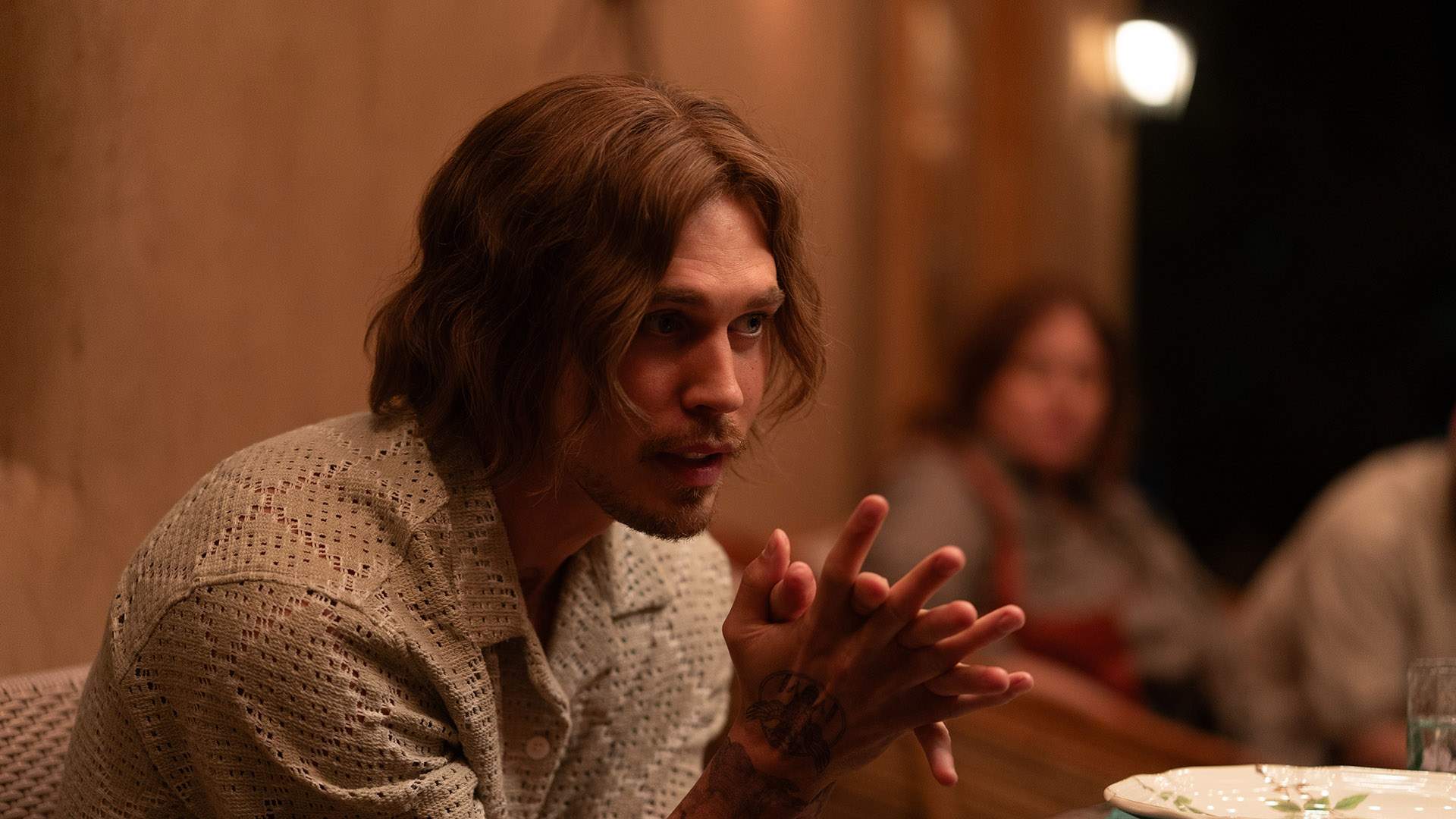
On Putting the Pieces of Eddington Together — Including the Societal Landscape, America and Western Society's Pervasive Polarisation, and COVID-19 — in a Western-Meets-Thriller That's Also Darkly Humorous
Ari: "First of all, the film is set in 2020. It's a period piece, set in June 2020, and so it helps to have something as specific as that, right, because then you're asking 'okay, what is happening right now? Who are the players here?'.
And of course, I would have liked to have included far more characters, but I jammed as many people as I could into the film without sacrificing coherence or narrative clarity.
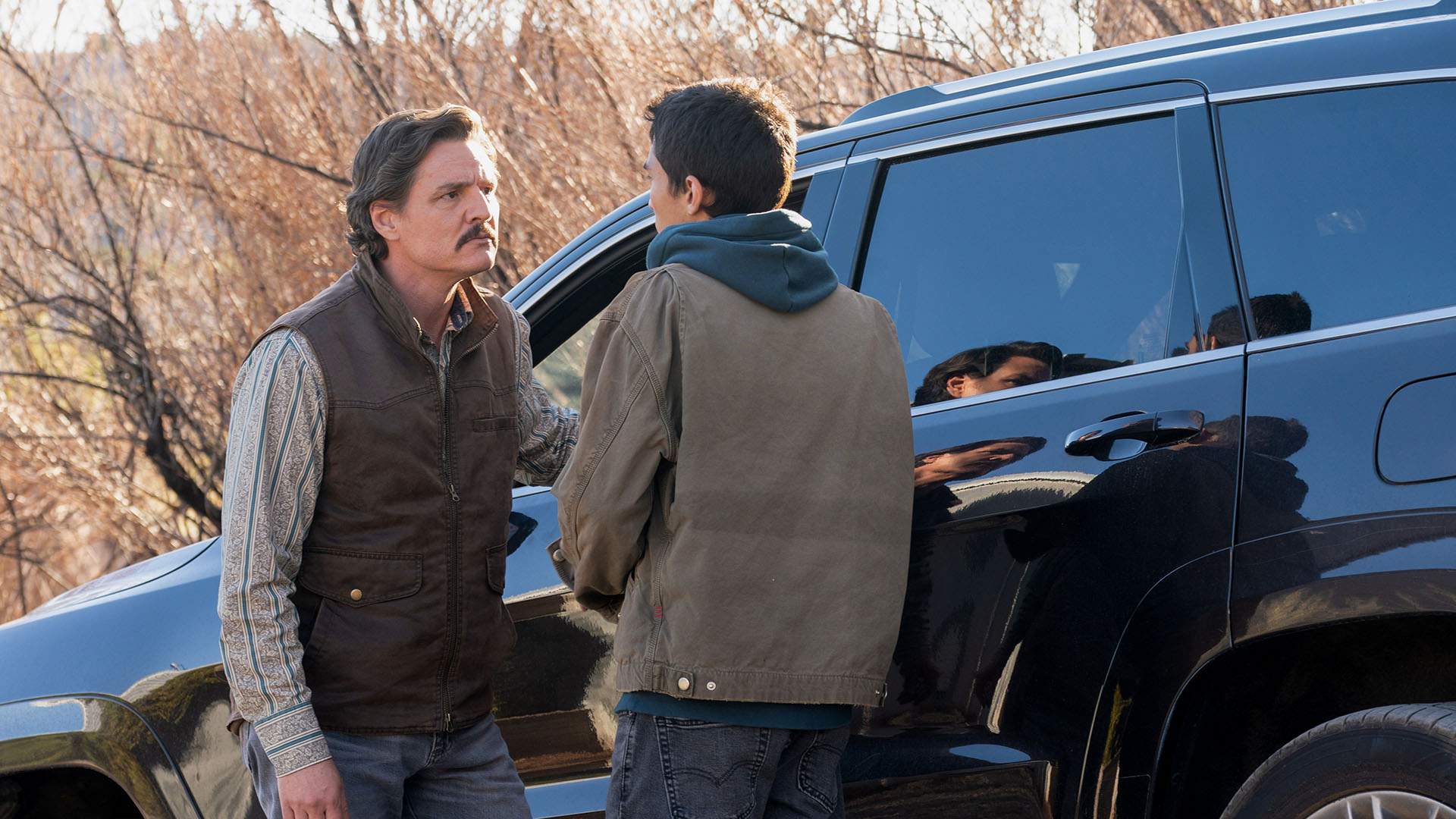
But it all felt pretty intuitive that we begin with the arguments of the day, the most popular ones, which had a lot to do with masking and personal freedom versus public safety and health. And from there, things start unraveling and spinning out. And then you have these more fringe figures coming in.
And I think what's interesting about this moment, even right now in 2025, is that this counterculture had been building up in America for a long time that the prevailing culture at the moment wasn't aware of. And that counterculture meanwhile was being fed and agitated, and was growing. And now that counterculture has kind of taken over.
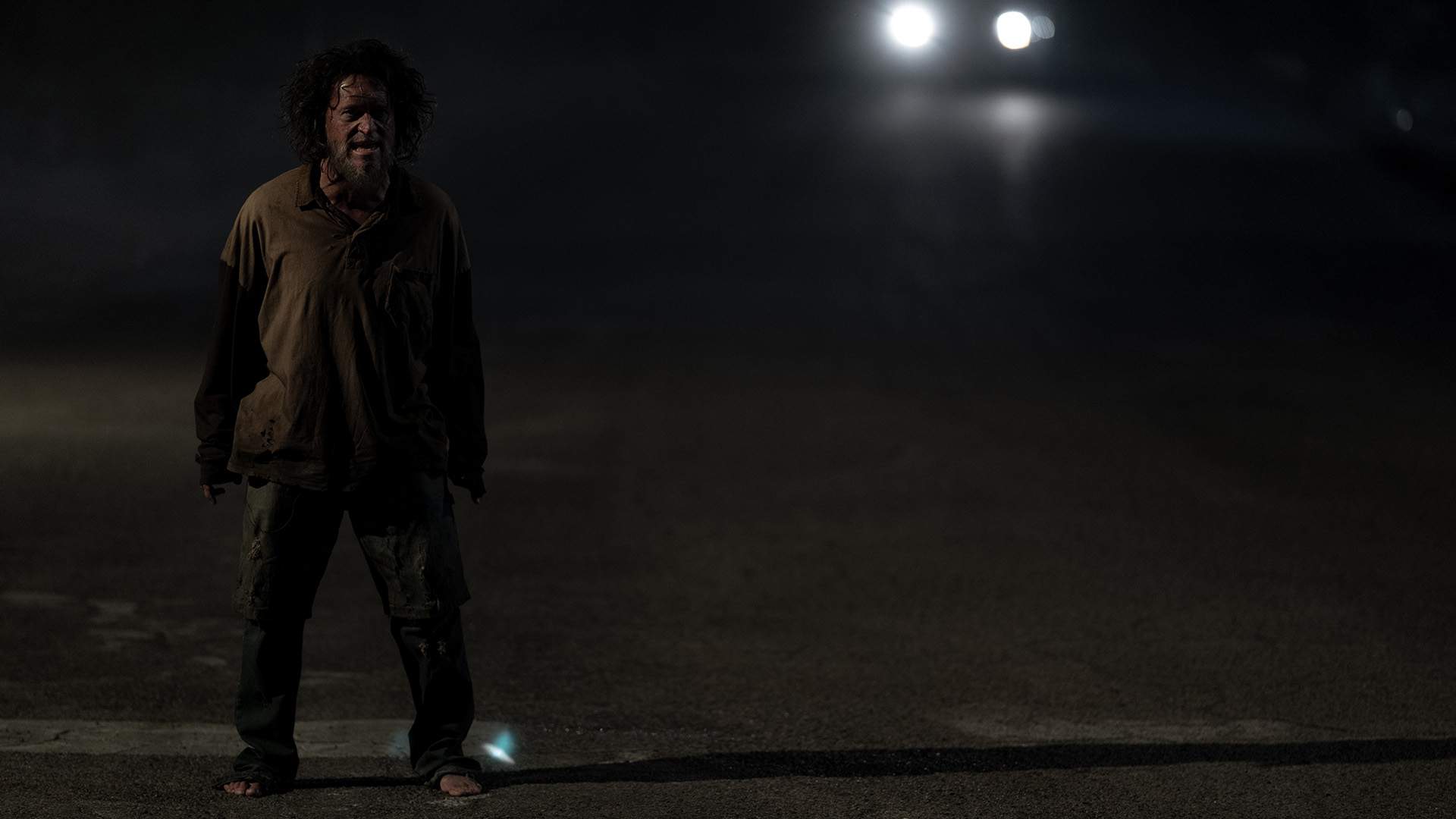
And it's all become very, very distorted and strange. It's so interesting that the right kind of adopted the language of 1960s–70s radicalism. Everything has become — I want to use the word farcical, but none of this is any laughing matter. It's feels pretty catastrophic, what's happening.
And it's also why the western felt right, because it is about the building of America and forging new societies. And it feels like right now we're living through the collapse of something — we're on the cusp of something, something new. And I think everybody's feeling it and there's a lot of anxiety and a lot of fear. And for some people, a lot of excitement.
I wrote this film in a state of anxiety and fear."
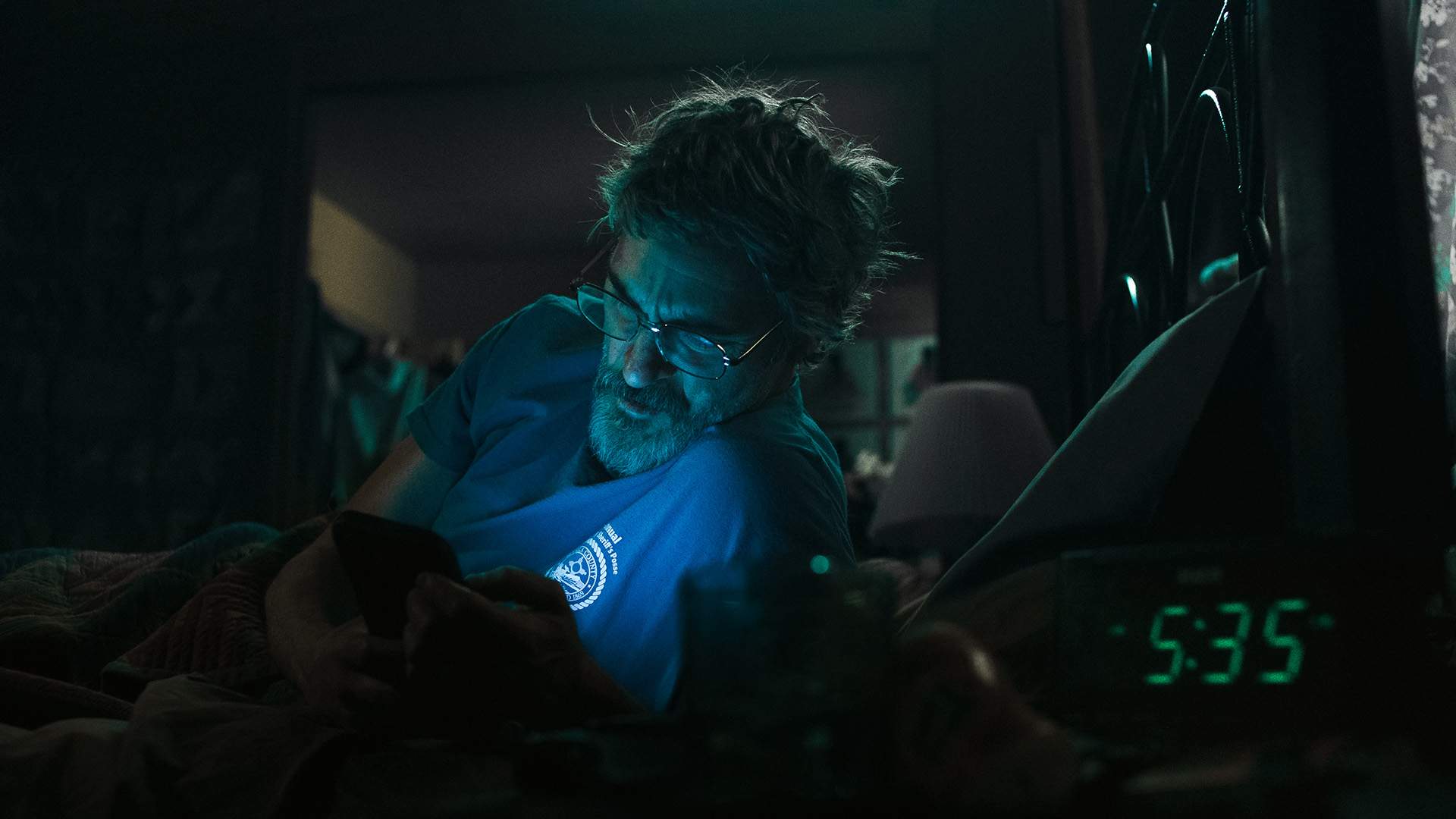
On Whether Trying to Convey the Humanity of Joe and Also Bringing Humour to the Part Helped in Stepping Into His Shoes
Joaquin: "Nothing ever feels easy. You just feel that — yeah, it doesn't feel easy, but it seemed like very much from the beginning, I could not create any separation between me and Joe. Like, that if I at any point stood above him in judgment, I would lose it, I would lose him.
And so it just felt important to humanise him as much as possible. I wanted to surprise anybody that might have a preconceived idea of what conservative Sheriff in a small town might be like, and so that definitely felt like my directive.
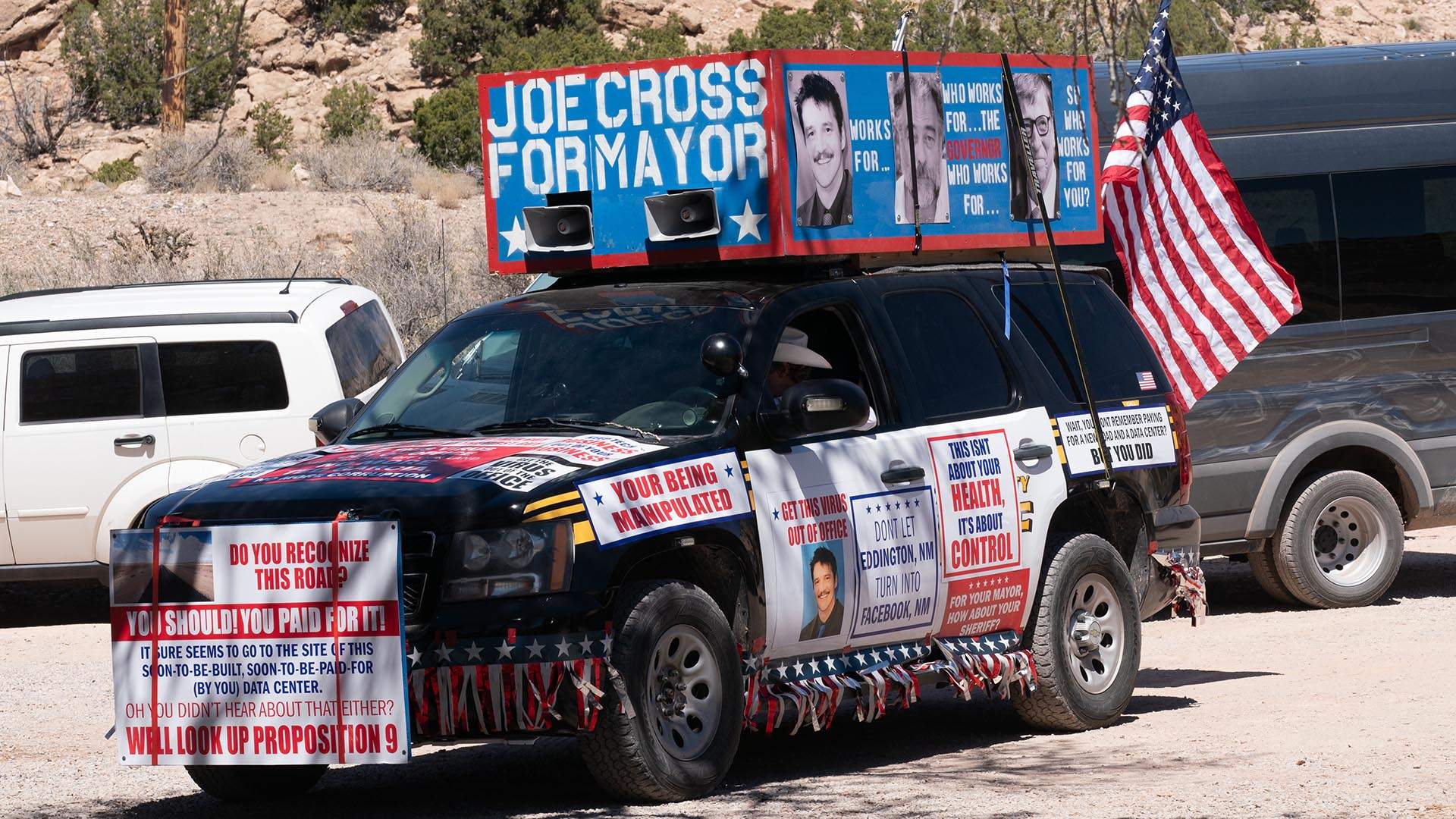
But what helped me, probably most of all, was meeting with real Sheriffs. Ari and I went on a trip together in New Mexico and spent some time, and there were a few people that I met that I really connected with that seemed like great examples of who Joe could be.
So it felt to me that as much as there's something very humorous and absurd about so much of this film, I wanted to make sure that Joe was really grounded and that he was recognisable to people that actually know a Sheriff like Joe."
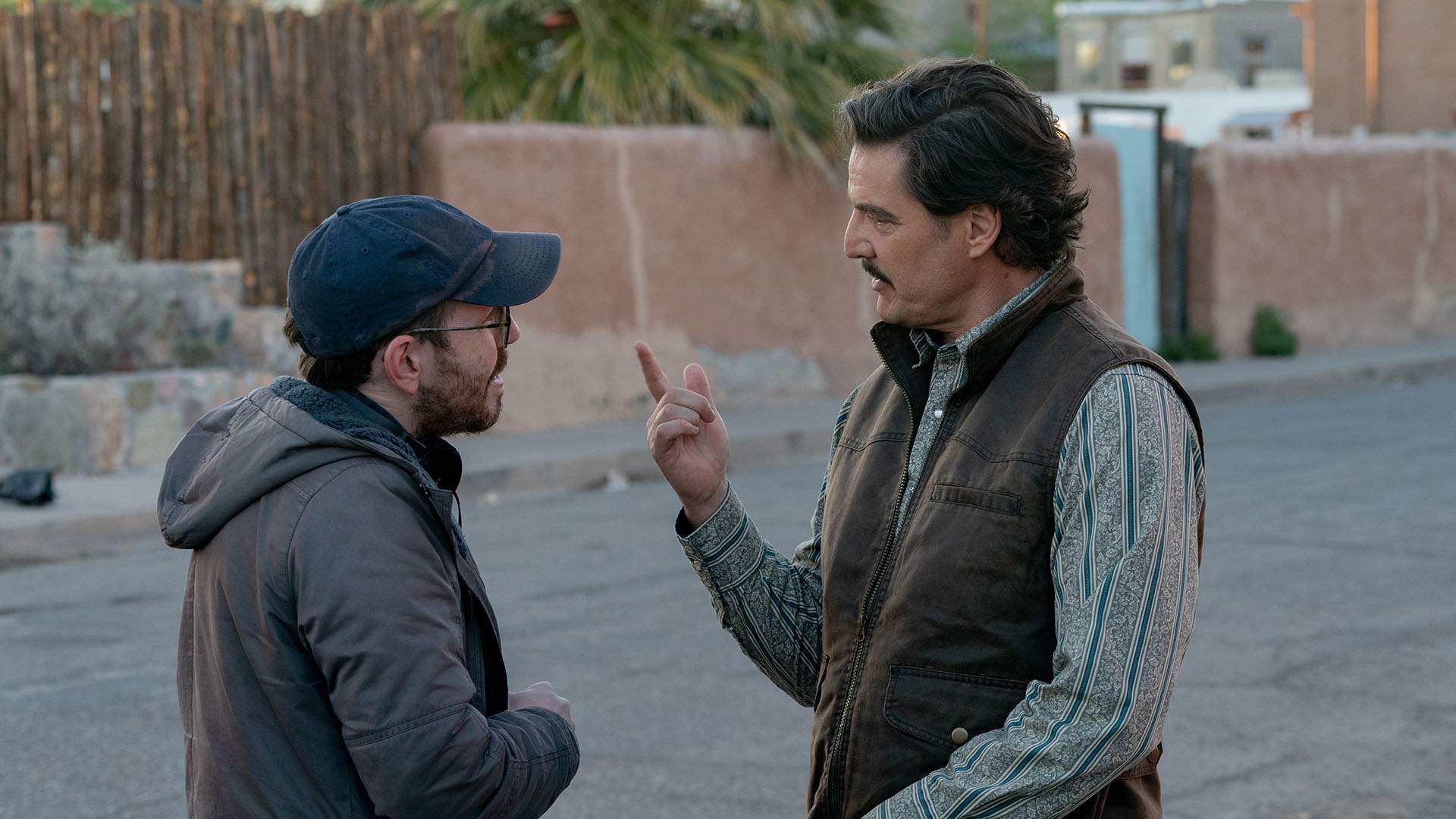
On Whether Aster Considers Eddington to Be a Horror Film — and What's at the Heart of the Film That Scares Him, Be It Humanity's Embrace of Existential Risks, Including Not Just Health But Also AI, or Stopping Questioning the Powerful
Ari: "No, I don't consider it a horror film. No. But, I do think it's talking about something that scares me. There's a lot that scares me. I'm scared that the people who are leading us don't seem to believe in the future.
You mentioned AI, and I would say if you asked me to say in one sentence what this film was about, I might tell you it's about a data centre being built. And that's happening on the periphery of the film, but it's really pretty central.
And all these stories are really just data for this giant wooden wheel — to churn into what? What is coming? The film is about people navigating a crisis, but all the while, there's this other crisis that's incubating in a lab over here.
And who knows, the utopian dream of what this thing could bring might be true. It might come to pass. But we really don't know what's coming.
And yeah, I think that what's happening all over the world — and it's happening in the United States, but it's happening everywhere — it's something that's already happened to us, which is that we've been fortressed off. And I think that's very scary that we're completely unable to reach each other, and we're living out an experiment that has already failed badly. And it doesn't seem like anybody at the levers has any interest in slowing this thing down.
It feels like, on the contrary, it's only accelerating."
Eddington released in cinemas Down Under on Thursday, August 21, 2025.