Adapting True-Crime Tales Into Fiery TV: Talking 'Smoke' with Taron Egerton, Dennis Lehane and the Thriller's Supporting Cast
After 'Black Bird', Egerton and Lehane — plus Greg Kinnear, too — have reteamed on another compelling Apple TV+ series, with Rafe Spall, John Leguizamo and Anna Chlumsky also co-starring.
Spoiler warning: this interview incudes specifics about Smoke if you aren't up to date with the series before reading.
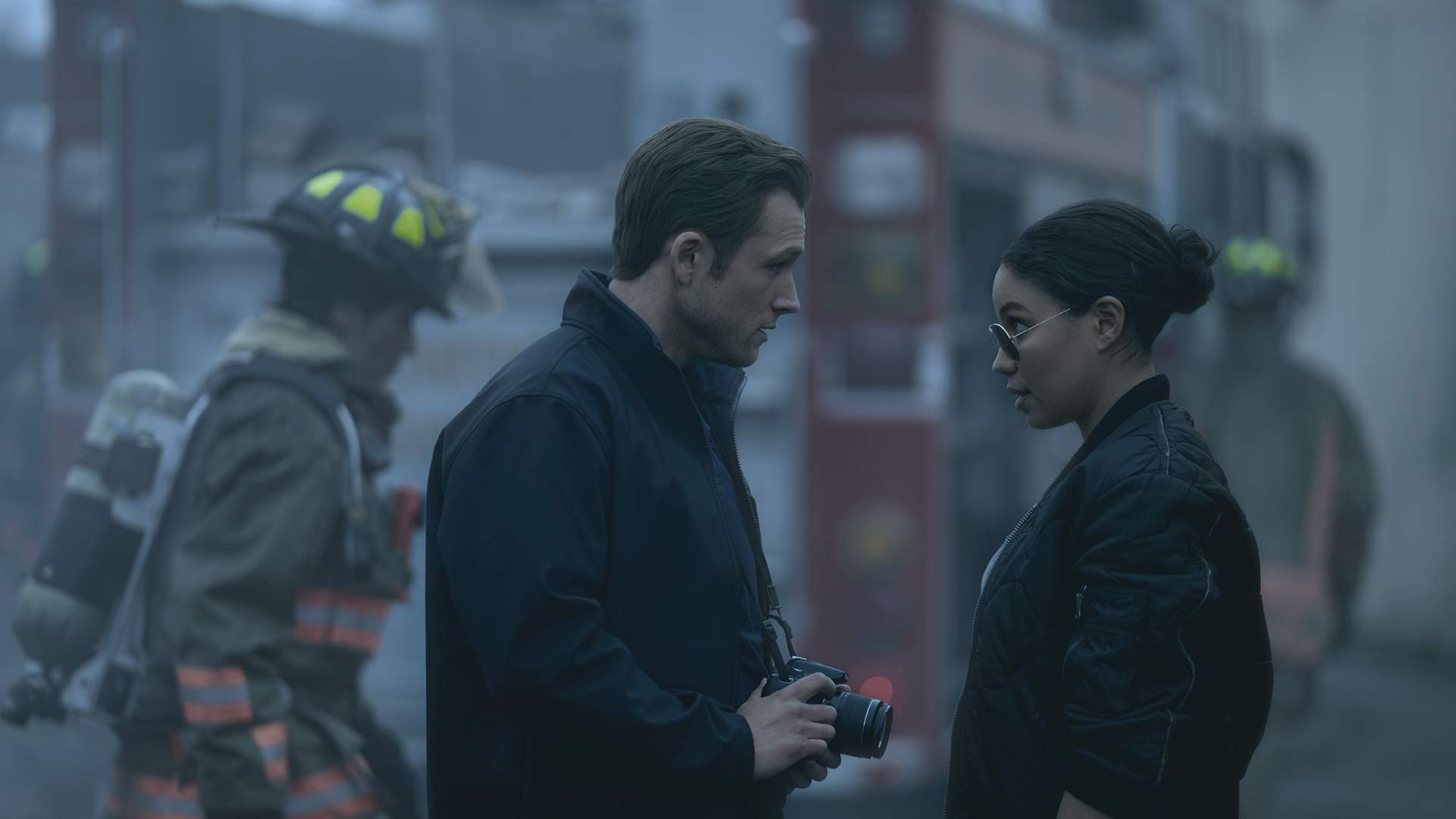
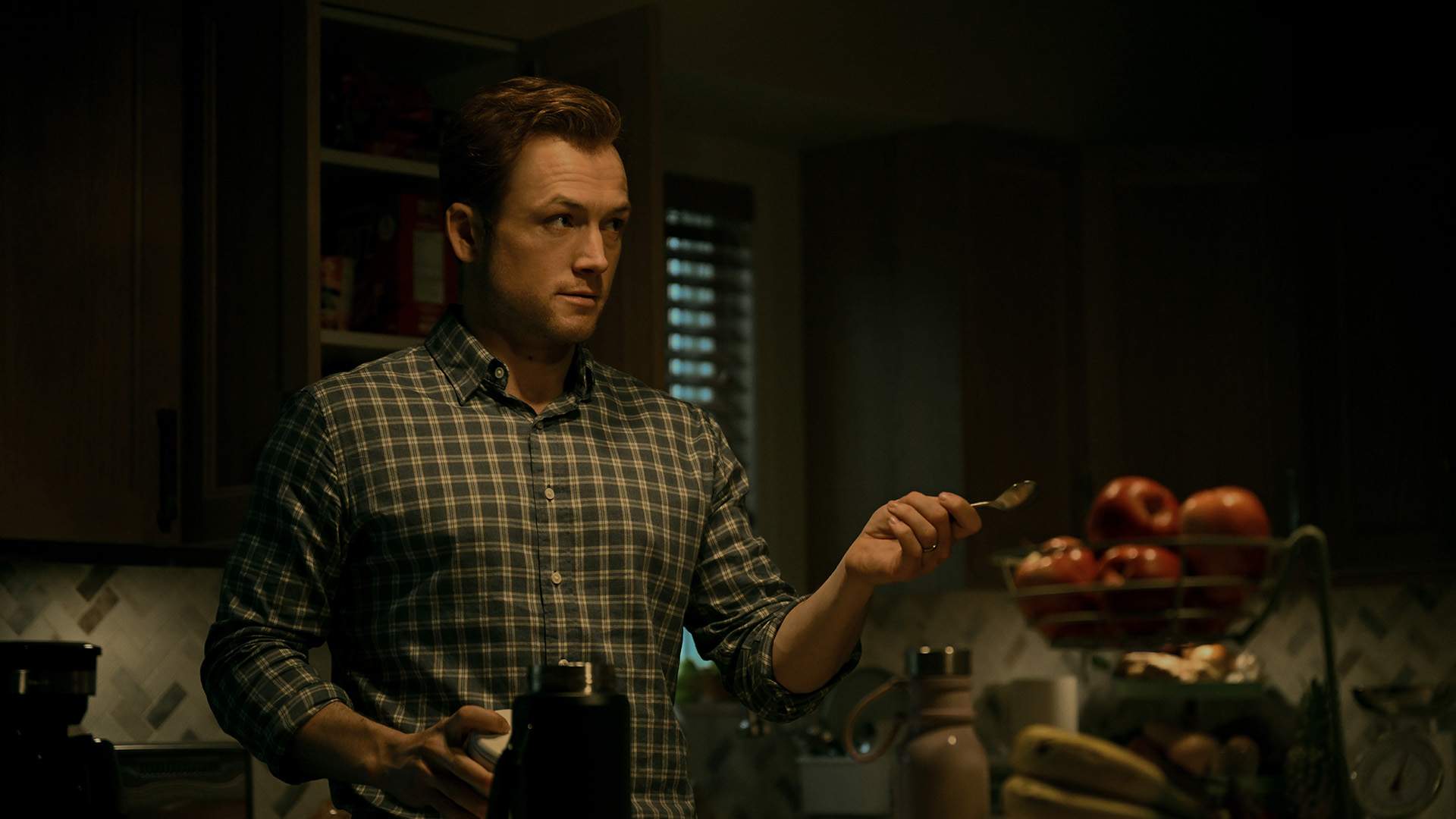
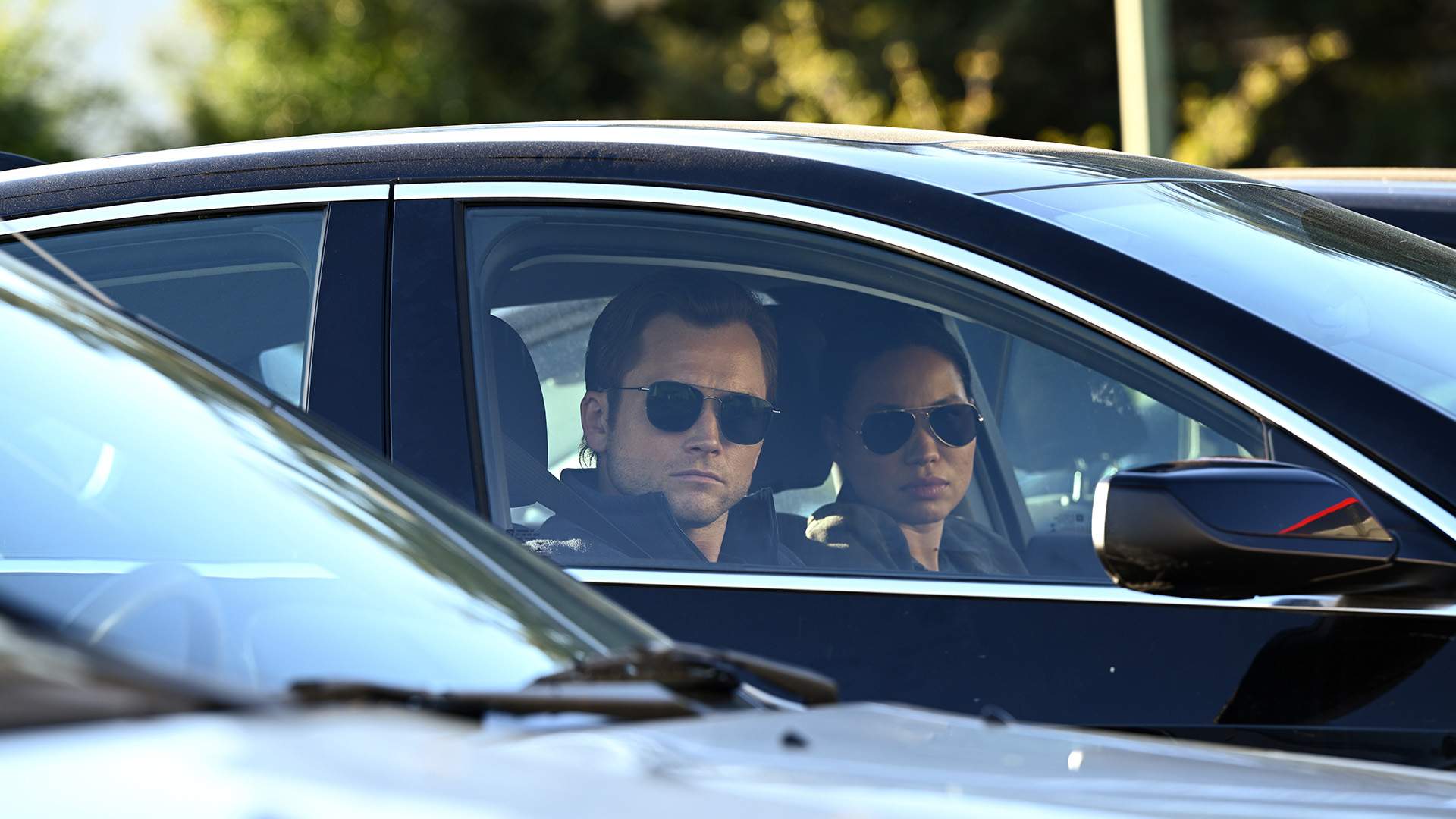
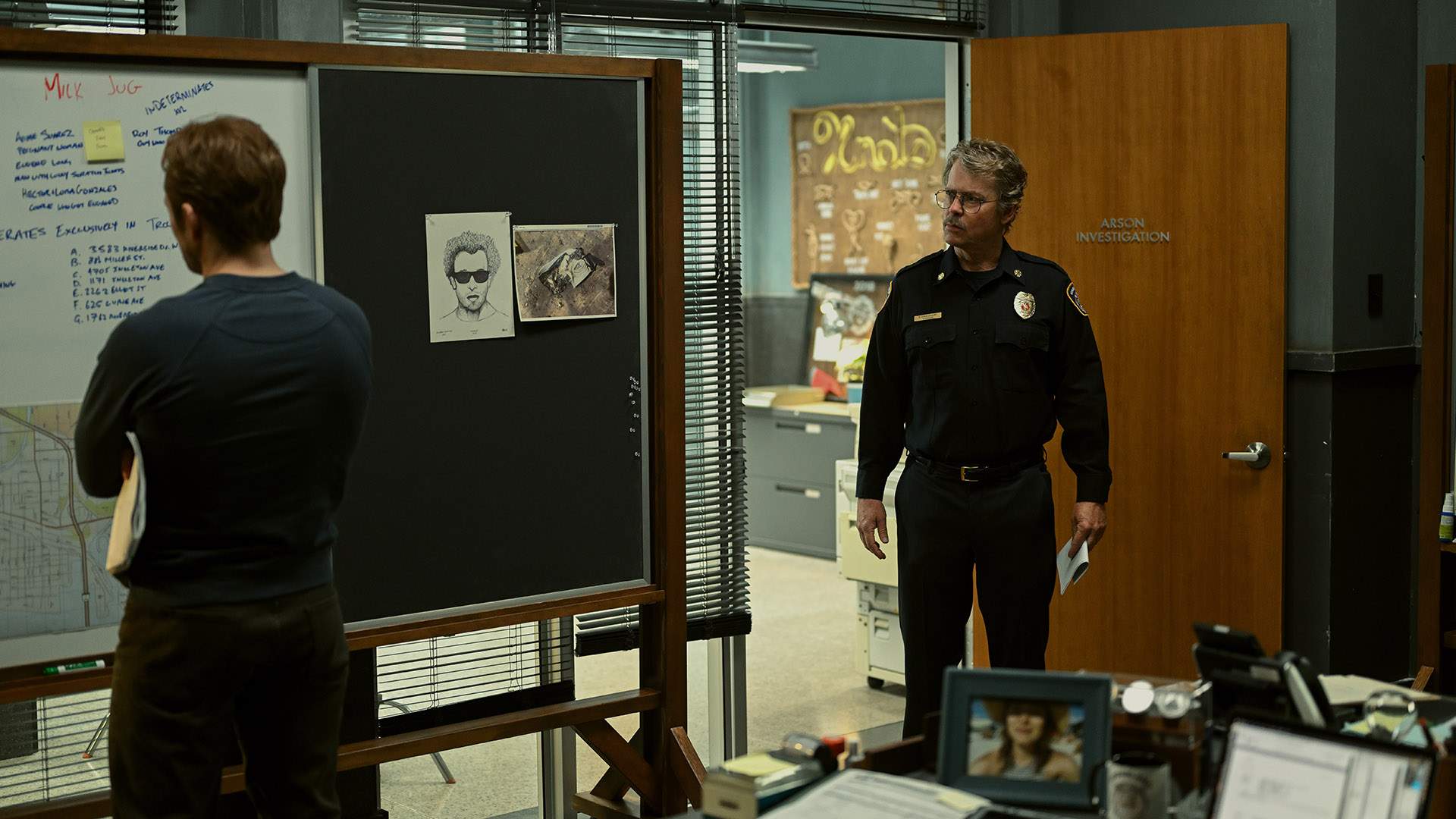
Noticing patterns sits at the heart of most detective narratives. For the characters in Smoke, that's firmly part of the job. Dave Gudsen (Taron Egerton, Carry-On) is a former firefighter-turned-arson investigator on the trail of two serial pyromaniacs — one using milk bottles to set their blazes, the other starting multiple infernos at once to attempt to split the fire department's resources — and, as a result, he's hunting for recurring clues in the ashes. So is Michelle Calderone (Jurnee Smollett, The Order), his new partner and a police officer who has been transferred to the fictional Umberland's arson squad not by choice.
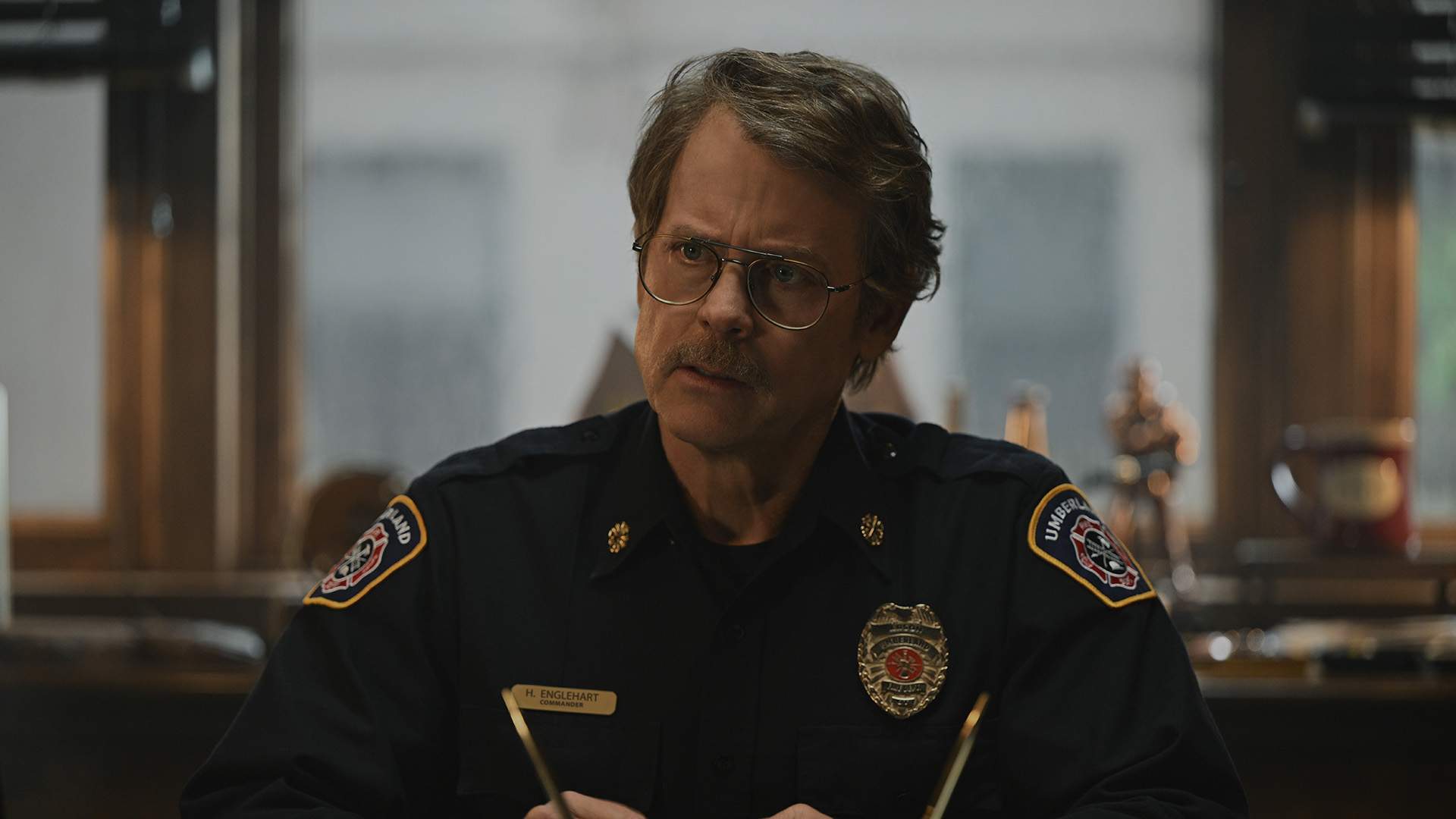
Add these figures to the list, too, in the nine-part Apple TV+ miniseries: Captain Steven Burke (Rafe Spall, William Tell), who is behind Michelle's reassignment; Commander Harvey Englehart (Greg Kinnear, Off the Grid), Umberland's fire chief; Ezra Esposito (John Leguizamo, Bob Trevino Likes It), the cop who was previously by Gudsen's side; and Special Agent Dawn Hudson (Anna Chlumsky, Bride Hard). Spotting connections falls on Smoke's audience as well, although it's an easy task at the outset. Here, Egerton leads, Kinnear co-stars and author-turned-TV showrunner Dennis Lehane is behind the miniseries, drawing upon a true-crime tale to make a thriller series about questioning appearances — who is reliable as a character, who isn't, and the difference between how someone is perceived and their reality — where unpacking the human psyche is a key factor. This all also proved the case with the streaming platform's Emmy- and Golden Globe-winning Black Bird in 2022.
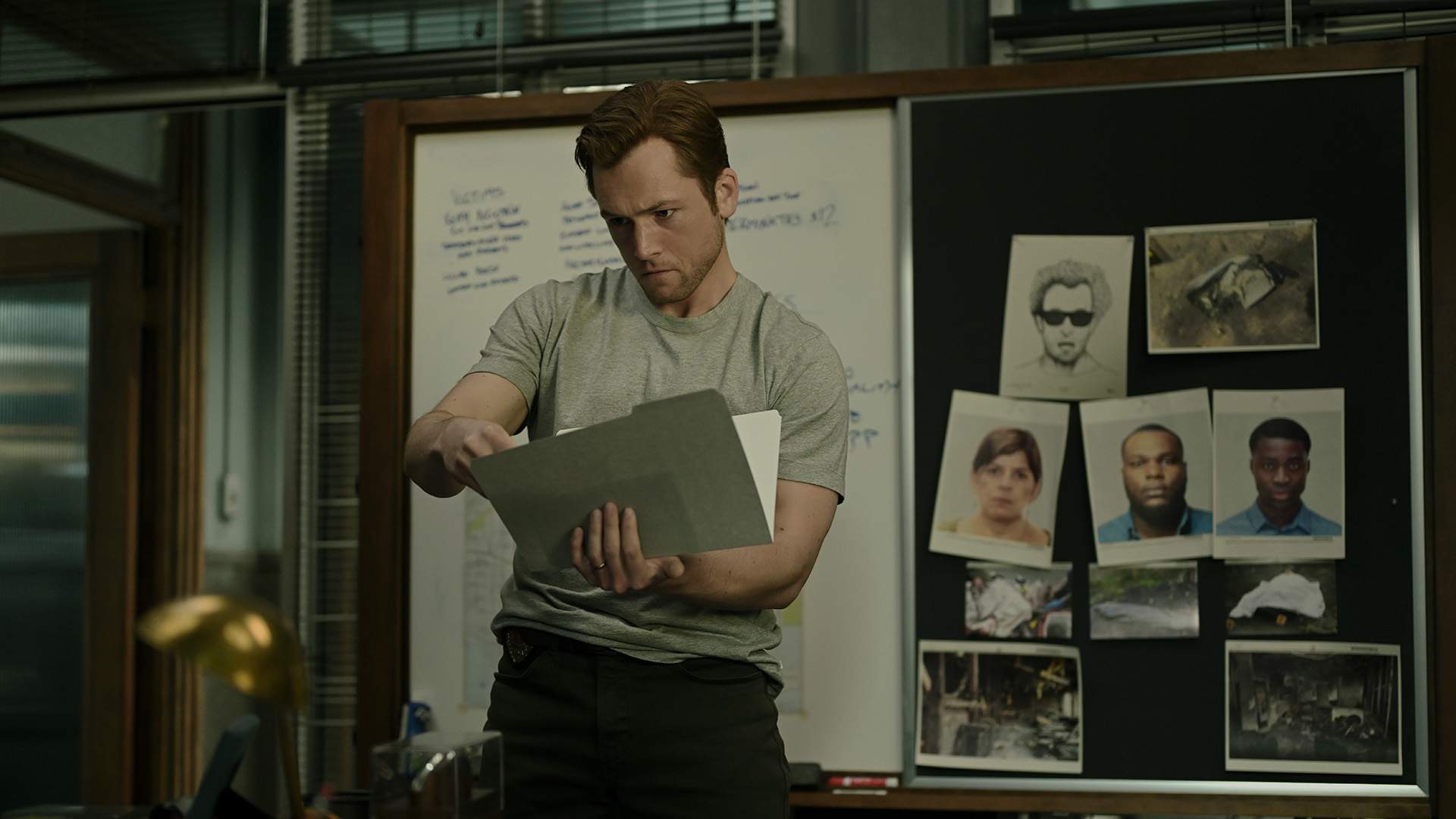
Smoke boasts a few more nifty links. Back when Egerton was just starting his on-screen career, one of his first roles was in the 2014 firefighter-focused British series The Smoke, for instance. "It's a weird moment," Egerton advises. "When I first started working on this, I sent a photo of myself in the firefighter gear to Rhashan Stone [Midsomer Murders] and Jamie Bamber [Beyond Paradise], who were two actors I worked with on that TV show The Smoke, saying 'this is weird'," he continues. "I'm glad that I've been employed long enough to end up doing two shows that are called the same thing. That's got to be a success on some level, right?"
Then there's the fact that this Smoke, which debuted with two episodes at the end of June 2025 and is unveiling the rest of its instalments weekly, is drawn from the Firebug podcast focusing on IRL serial arsonist John Orr — and that when a 2002 HBO TV movie also told his tale, it starred Black Bird's Ray Liotta alongside now-Smoke supporting cast member Leguizamo. What interested the latter in stepping back into this story a second time? "Because this time it's better-written, it's better-directed — no offence. Ray Liotta was brilliant as John Orr, but I think this is a better version," Leguizamo tells Concrete Playground.
"I think Dennis Lehane took some liberties, which I think made it much more interesting. It's based on, not a direct copy of what really happened, so I think that makes it more fun. He had a whole bunch of new characters, and he really gets into the mind and pathology of this character, the arsonist. And I think that's what's fascinating about this series."
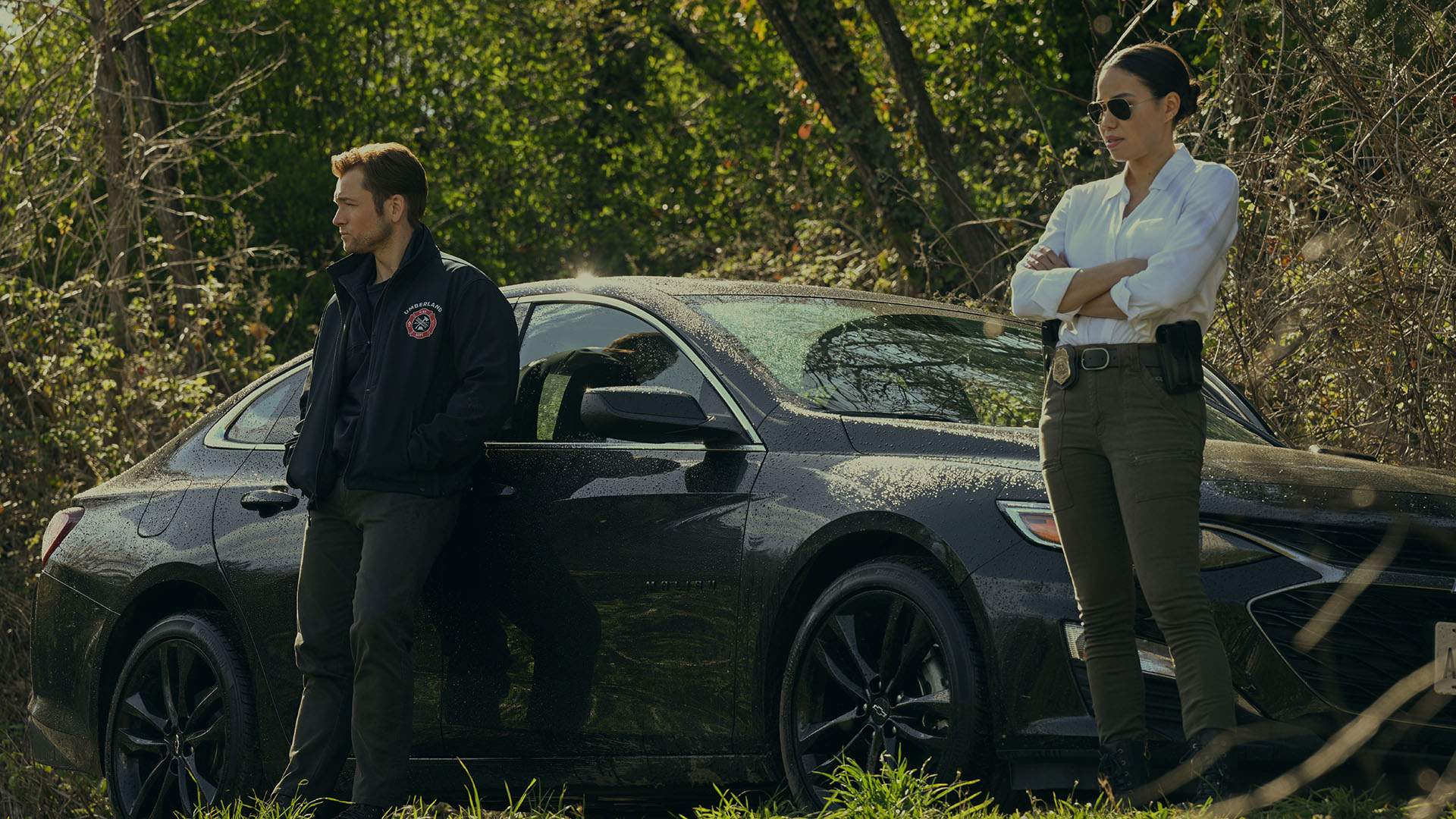
As Leguizamo notes, Smoke isn't a strict adaptation of John Orr's life. He isn't a character in the series, in fact. Lehane, who enjoyed great success on the page before his screen work — his books Mystic River, Shutter Island, Gone Baby Gone and Live By Night were all adapted into movies directed by Clint Eastwood, Martin Scorsese and Ben Affleck, respectively (Affleck helmed both Gone Baby Gone and Live By Night) — fictionalises many details, including monikers, in finding a new way into this story not only after Firebug but also Point of Origin.
"I was trying to write about self-delusion. I was trying to write about chaos," the scribe who got his TV start penning episodes of The Wire, then worked on Boardwalk Empire, Mr Mercedes and The Outsider, explains. "I was trying to write about a world in which people feel so powerless and confused now that there are extremely powerful people who suggest with a straight face what we need to do is just burn it all down. Burn it all down. You don't like the way the government works? Burn it all down. Do we have anything to replace it with? Nope. But burn it all down. That's going on in the world, and at a pretty consistent level. And I thought this would be a fun way to look at it."
"So everybody in this show is, I think, both psychologically complex and psychologically chaotic. And then they're emotionally chaotic. And then there's fire moving everywhere, which is chaotic unto itself. And it was just a way to look at a world that right now feels like it's on fire."
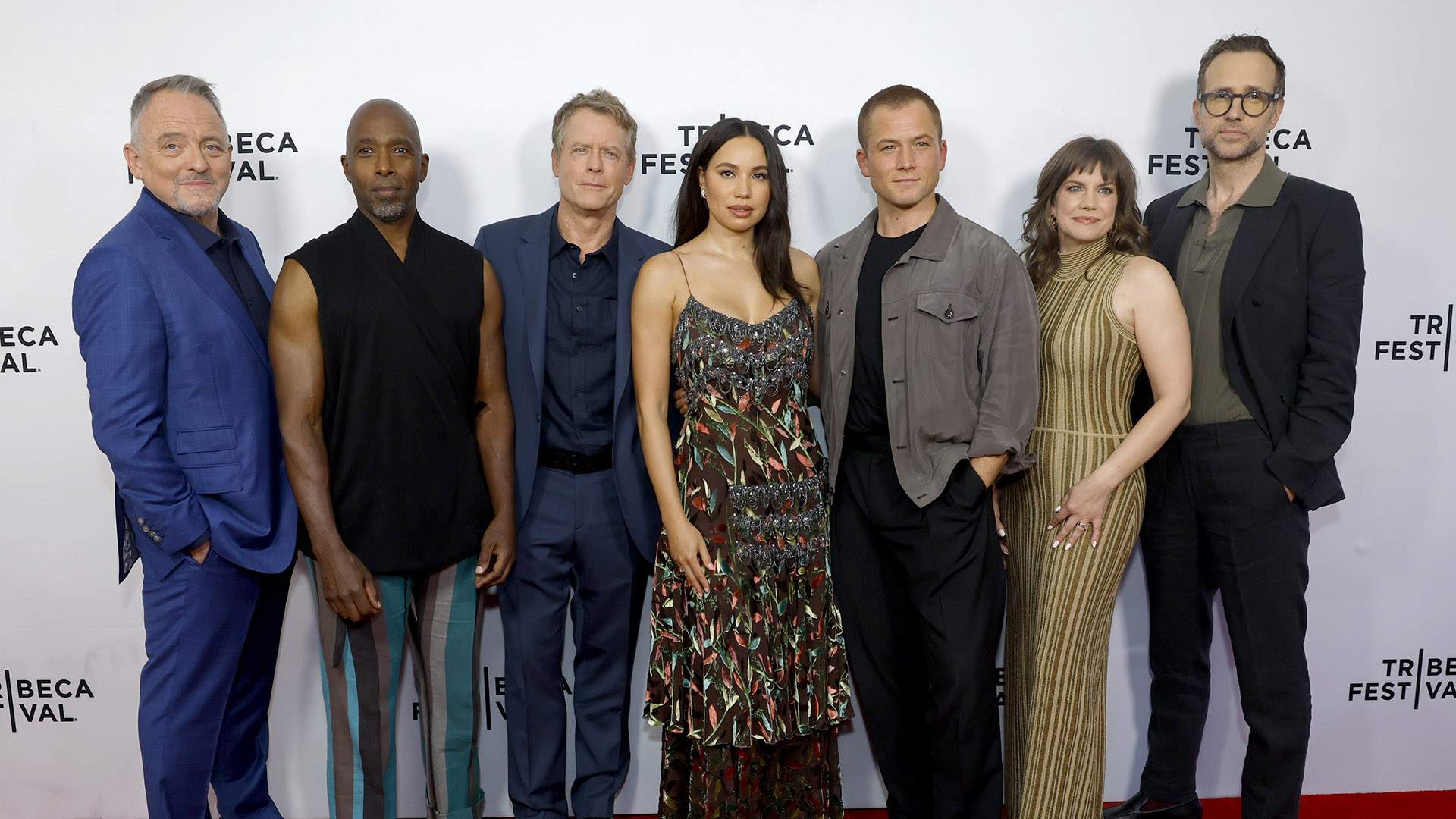
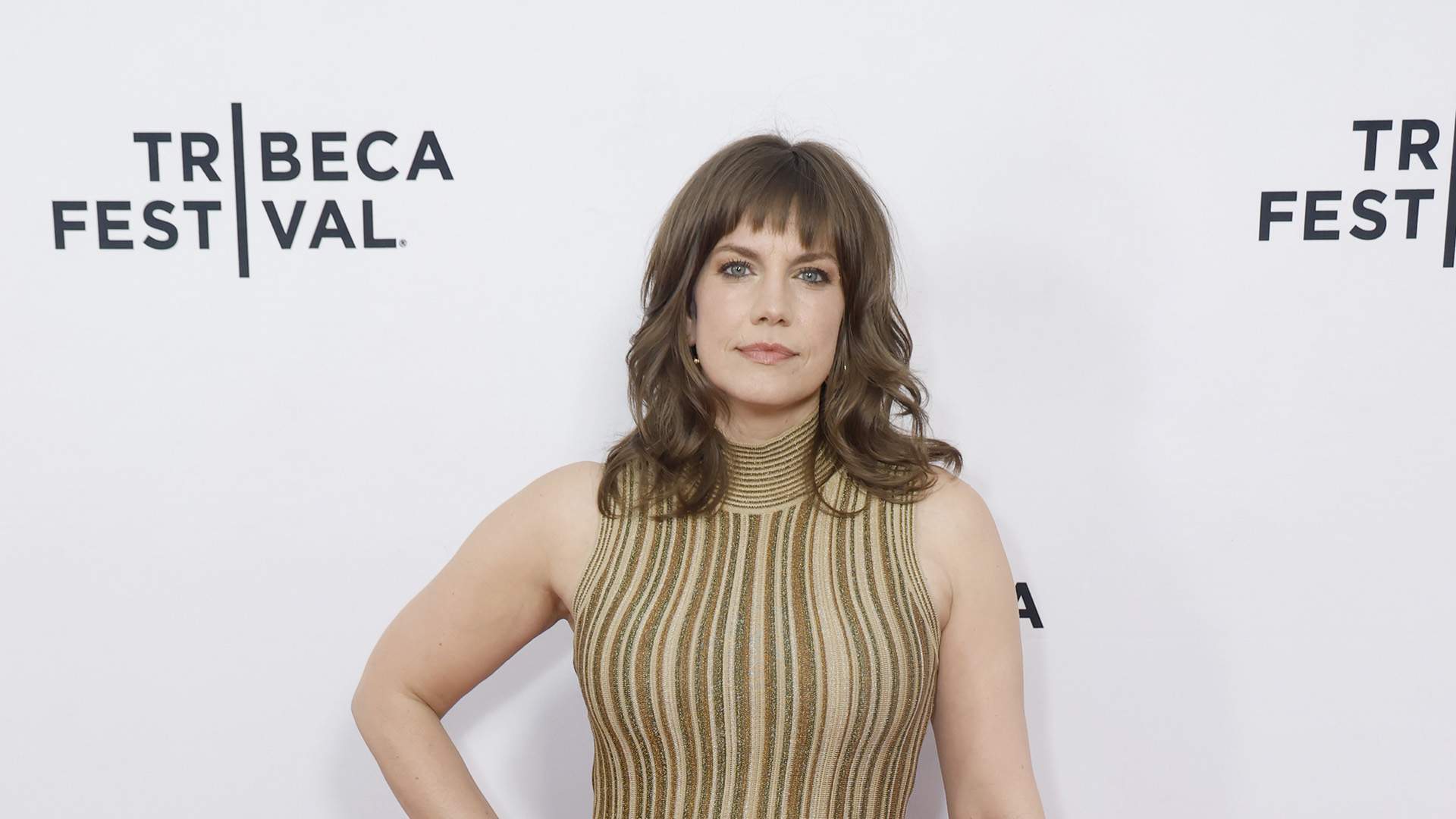
John Lamparski/Getty Images for Tribeca Festival
Plenty of Smoke's complexity and chaos springs from Gudsen, who isn't just looking into the fires that are burning across his town, and is also an aspiring novelist writing about what he knows. "Dave is such a fascinating, extreme role," reflects Egerton of his latest recent part with a cat-and-mouse dynamic, because Black Bird and Carry-On also fall into the same category. "There's a few moments in this show that really come to mind very quickly as being extreme or strange moments. And I've got to be honest with you, I really love doing those moments," he says. "I do think of myself as an artist, but deep down inside I'm still the kid who wanted to climb on my school desk and have everybody look at me — so those moments, I do enjoy as an actor."
What appealed to Egerton, Lehane and Kinnear about reteaming so soon after Black Bird? And to Spall, Leguizamo and Chlumsky about being a part of a series about the fine line between arsonists and arson investigators with them? What's the draw, too, of portraying morally ambiguous yet playful characters — and of jumping in when there isn't a single person in the series who is clearcut, and keeping audiences guessing about almost everyone is baked into the story? In addition to reckoning with people not being who you think they are, plus exploring what makes folks tick when they're attracted to things that can kill them or bring about their downfall, we also spoke with Egerton, Lehane, Kinnear, Spall, Leguizamo and Chlumsky about all of the above, plus more.

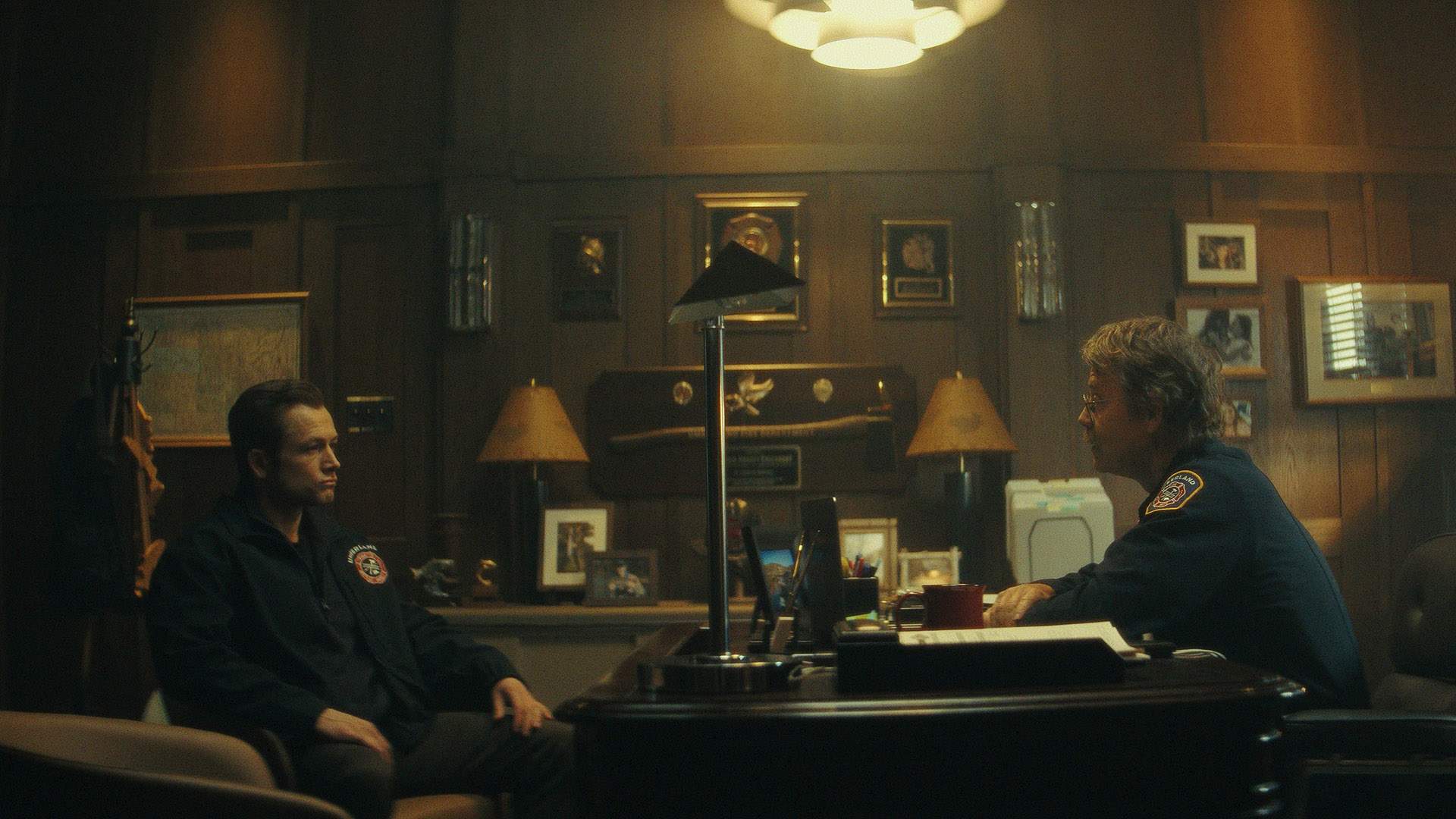
On Reteaming on Another Crime-Thriller Series Developed by Lehane, Starring Egerton and Co-Starring Kinnear That's Unpacking the Human Psyche and Questioning Appearances
Taron: "I think as an actor, you are only ever as good as the words on the page, and you're only ever as good as the person opposite you in the scene. And I really believe that.
And I think in the case of the work I've done with Dennis, they are — both Jimmy and Dave — just very, very rich, well-drawn characters. And they're characters drawn by Dennis. And so I feel very privileged to be in this collaborative partnership with him. As long as he wants to employ me, I'm going to work with him because he writes tremendous roles.
It's not always going to be the case. He's going to want to do things without me and that's cool. But if he wants me to do something, I'm down.
I really love working with Dennis, and we've struck up a really great friendship and partnership over the past five years."
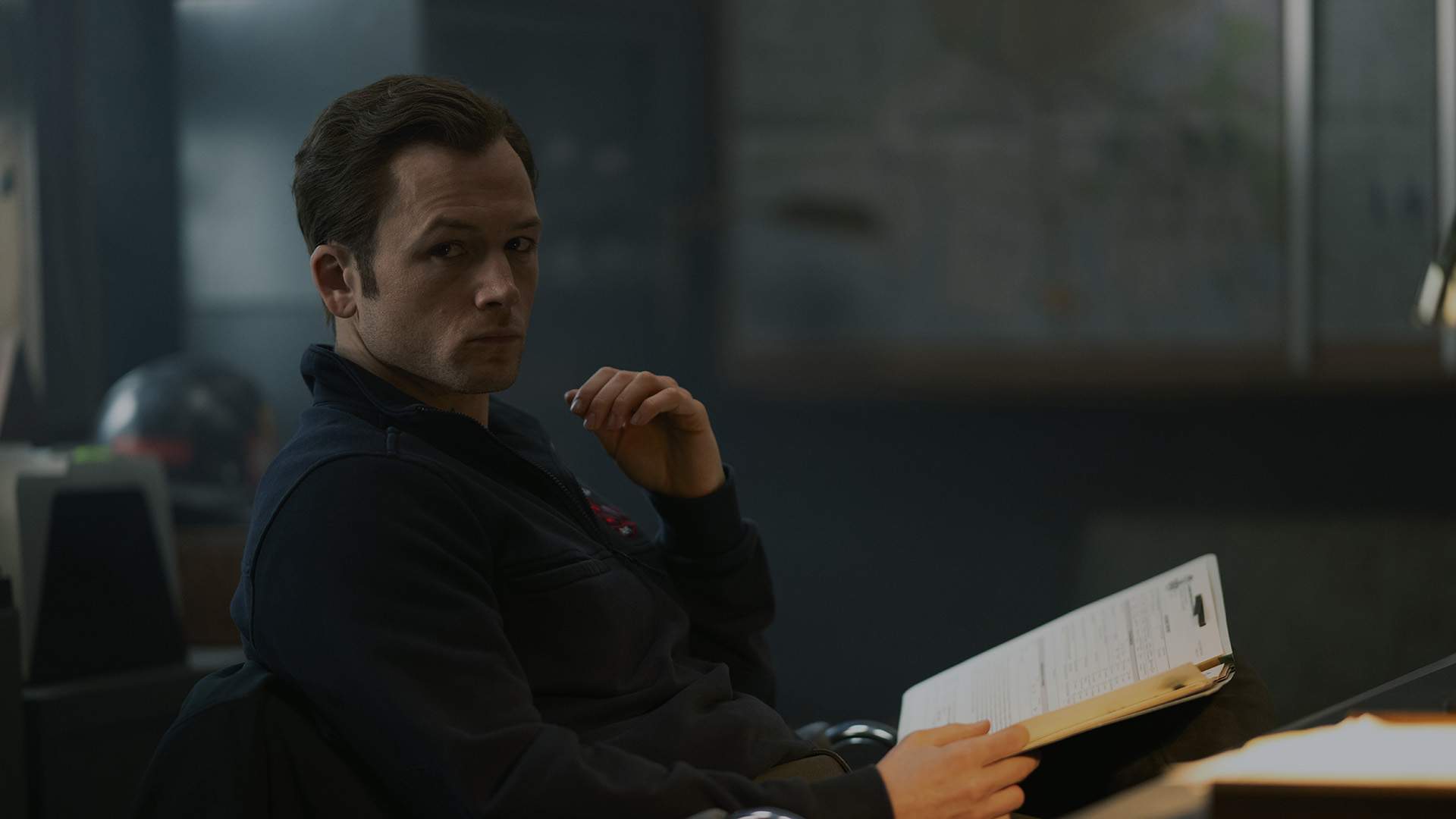
Dennis: "I knew I wanted to do it with Taron because I love working with Taron, and because the two of us have a great shorthand and a rather immense amount of trust between each other — for where we're willing to go and how we're willing to push each other. So in that regard, that was a no-brainer to bring Taron in on this.
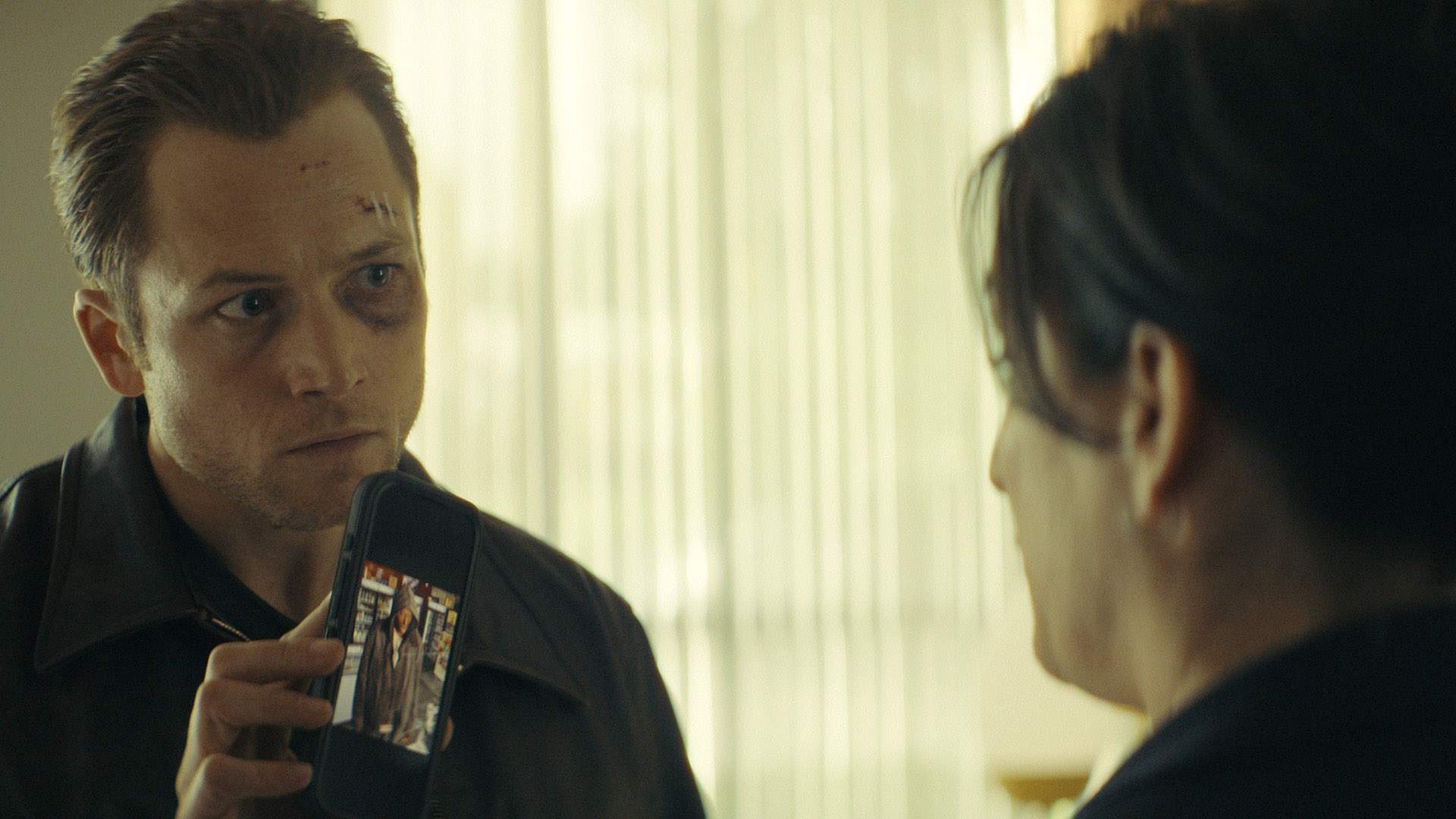
It's an interesting thing, because Jimmy in Black Bird goes on a journey in which he's kind of a callow, shallow guy at the beginning, and by the end, by moving through this transformation, he's become a better human being, but he's lost a lot of his swagger. Dave starts off as oh, you think he's this sweet, heroic fireman, arson investigator — but very quickly, we start to put a lie to that, and by the third episode we've pretty much lit the whole concept on fire. And now it's really about the rabbit hole of 'how demented is this guy's psyche?' — and that becomes the journey of the show.
So it's almost inverse. And it was fun to write, it was fun for Taron to play."
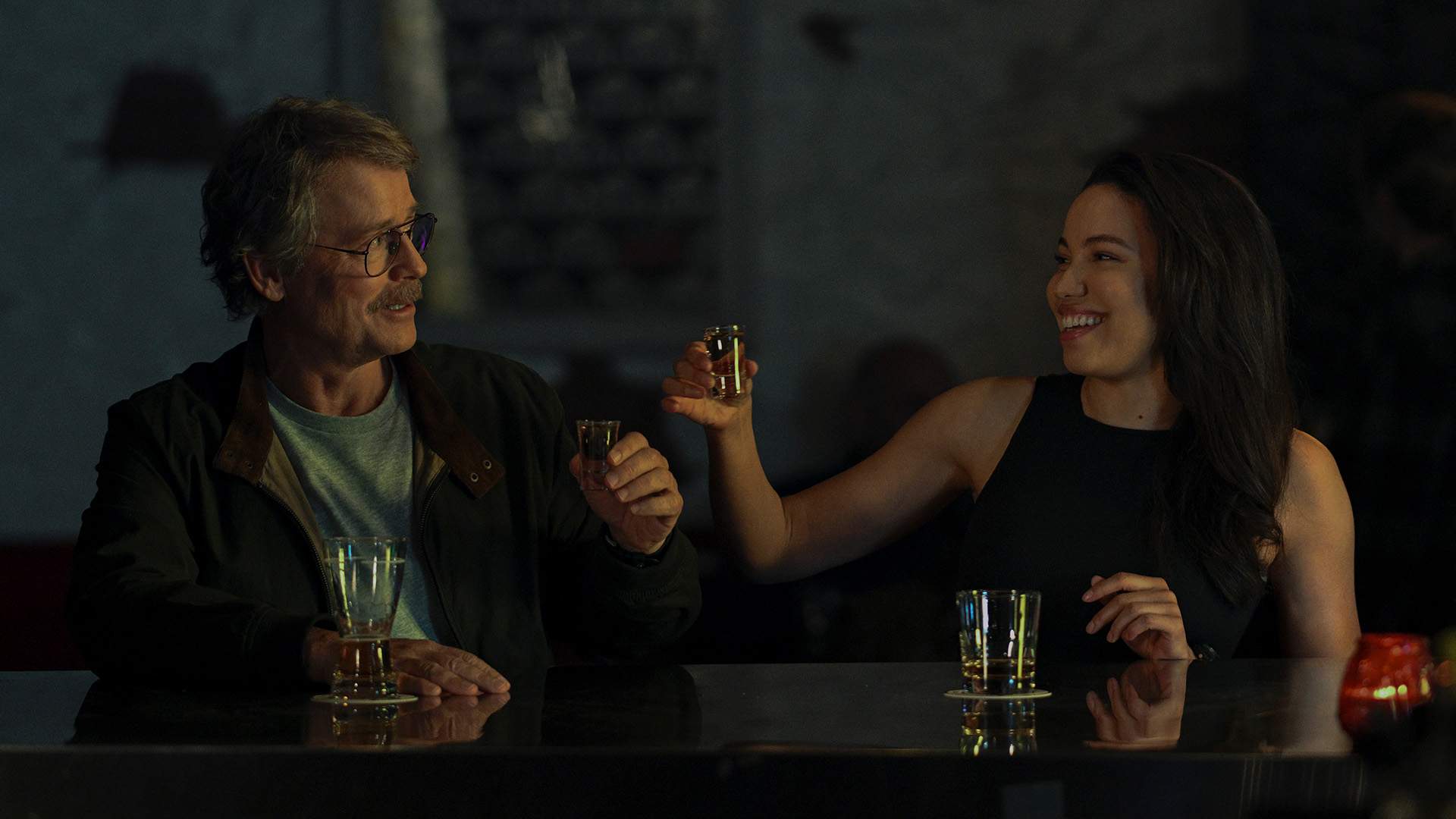
Greg: "I just think they're good dudes. What can I say? Taron and Dennis, they're both super-talented. Who doesn't like to work with talented people?
And in addition to them, we have a whole cast of talented people. So I knew, I just had great confidence that that this would be a good show. And it would be unexpected — and it would like any good novel, it would be a page-turner and keep the audience hooked and guessing.
He certainly didn't disappoint in Black Bird. I know he — I mean, I guess you never know, but I have great confidence just in his ability."
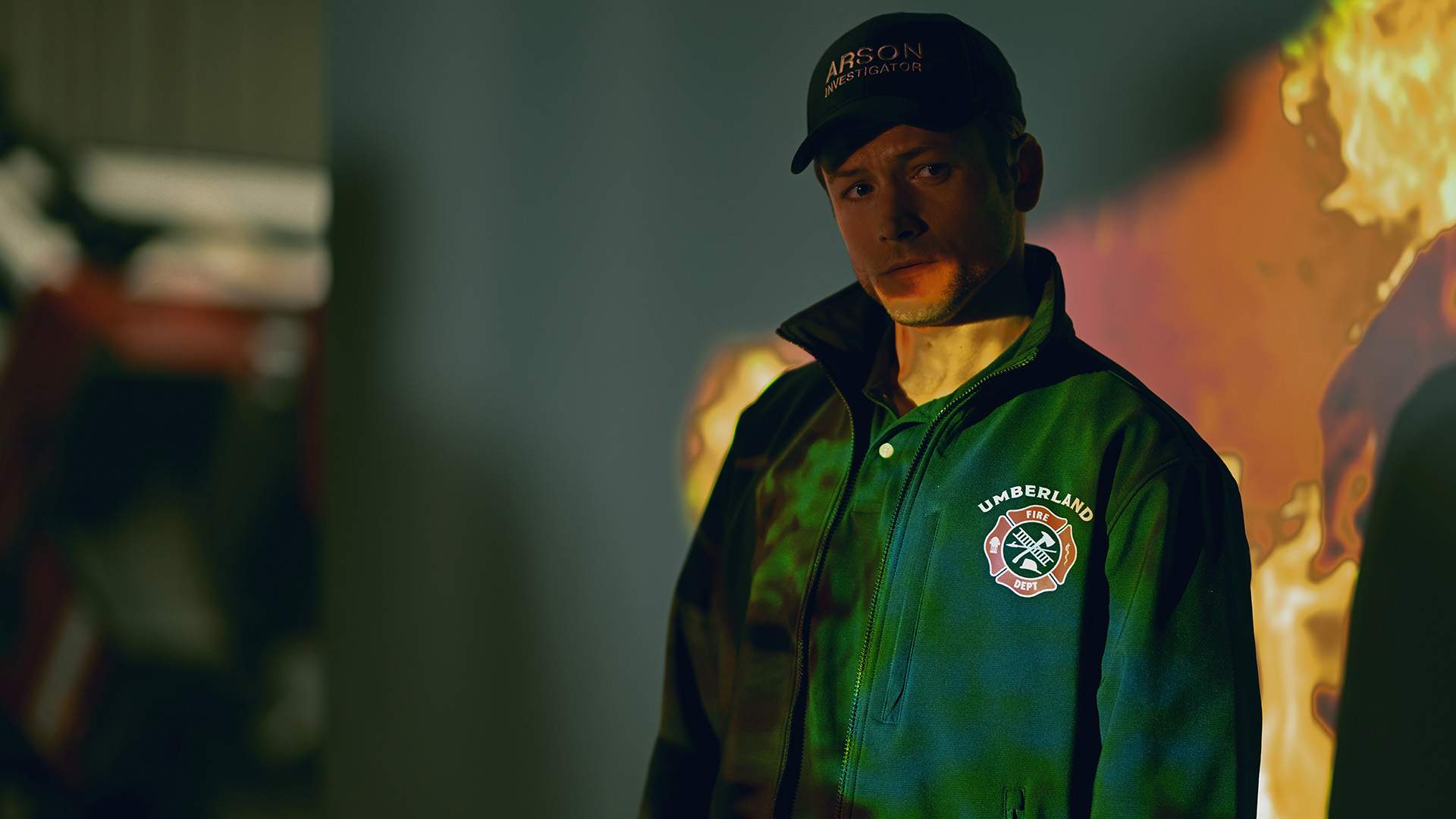
On What's Interesting About Digging Into a Cat-and-Mouse Dynamic as an Actor
Taron: "I think there's obviously tremendous tension in a cat-and-mouse dynamic — and the feeling that a great deal is at stake. And stakes are important for really good storytelling, I suppose.
I have to say, I do, having been the mouse in the cat and mouse dynamic of Carry-On, there is something nice about playing Dave, who is probably a little bit of both. I think he would probably style himself as a persecuted man at a certain point in this show, but as we know, he's anything but a victim.
But that's very central to his pathology, I think. I think he's a man who styles himself as what he needs to be at any one time. And I think it probably suits Dave's needs to be thought of as a victim, as a mouse, some of the time."
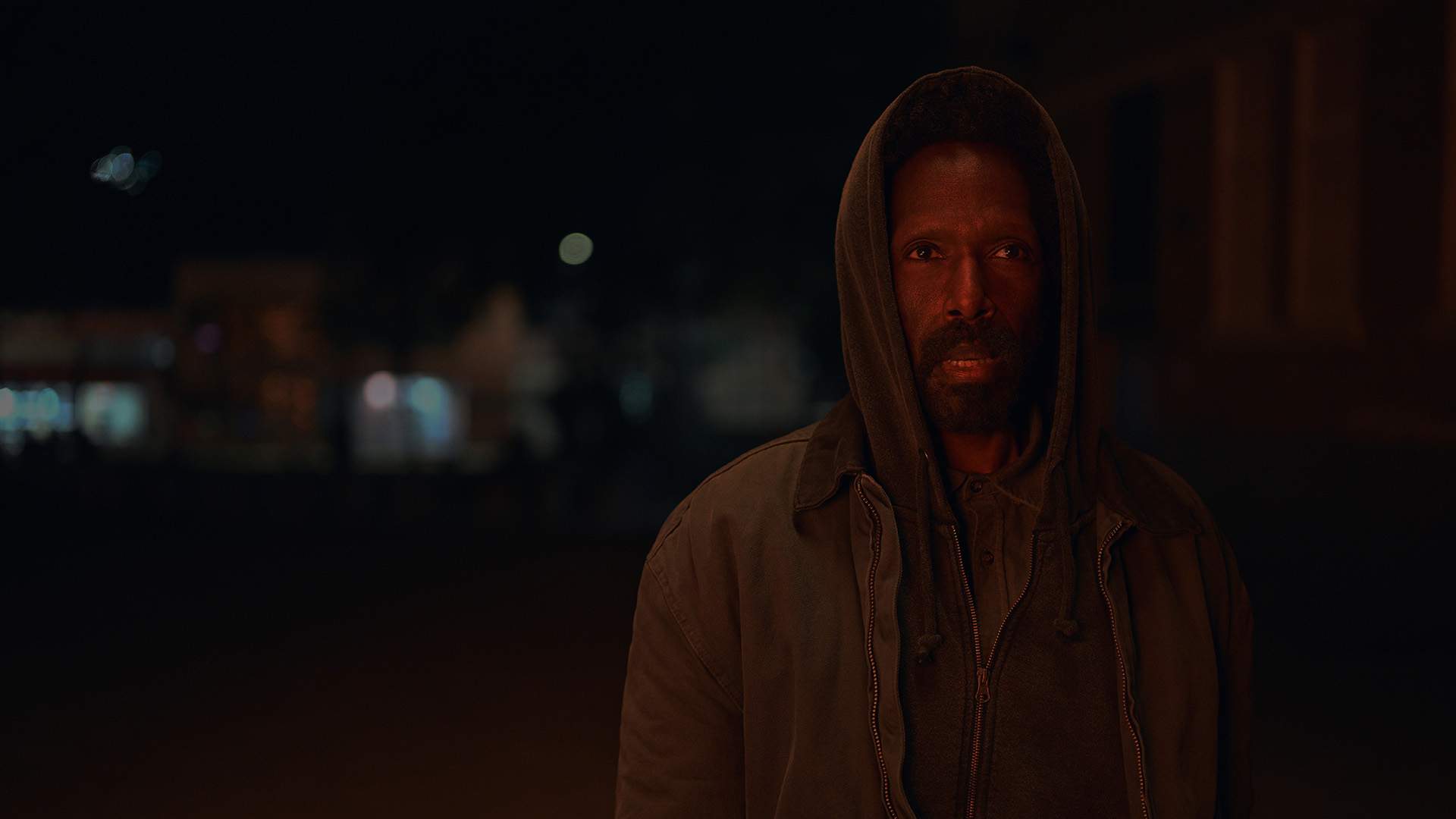
Anna: "A lot of acting is about identifying intentions, and the cat-and-mouse structure of storytelling is delicious for that. You have to commit. You have to ask 'why this mouse?' if you're the cat — 'why this cat?' if you're the mouse, to extend the metaphor.
And it's all about figuring out those motivations. And what's so awesome is, in a show like ours, because it refuses to be cut and dry, you're always discovering new motivations. And you're always discovering like 'oh wait, this is what I thought this was', but once you see it, you're like 'oh, maybe that's what it was like'.
It keeps living. It doesn't die on the page. It just keeps living and generating its own fire."
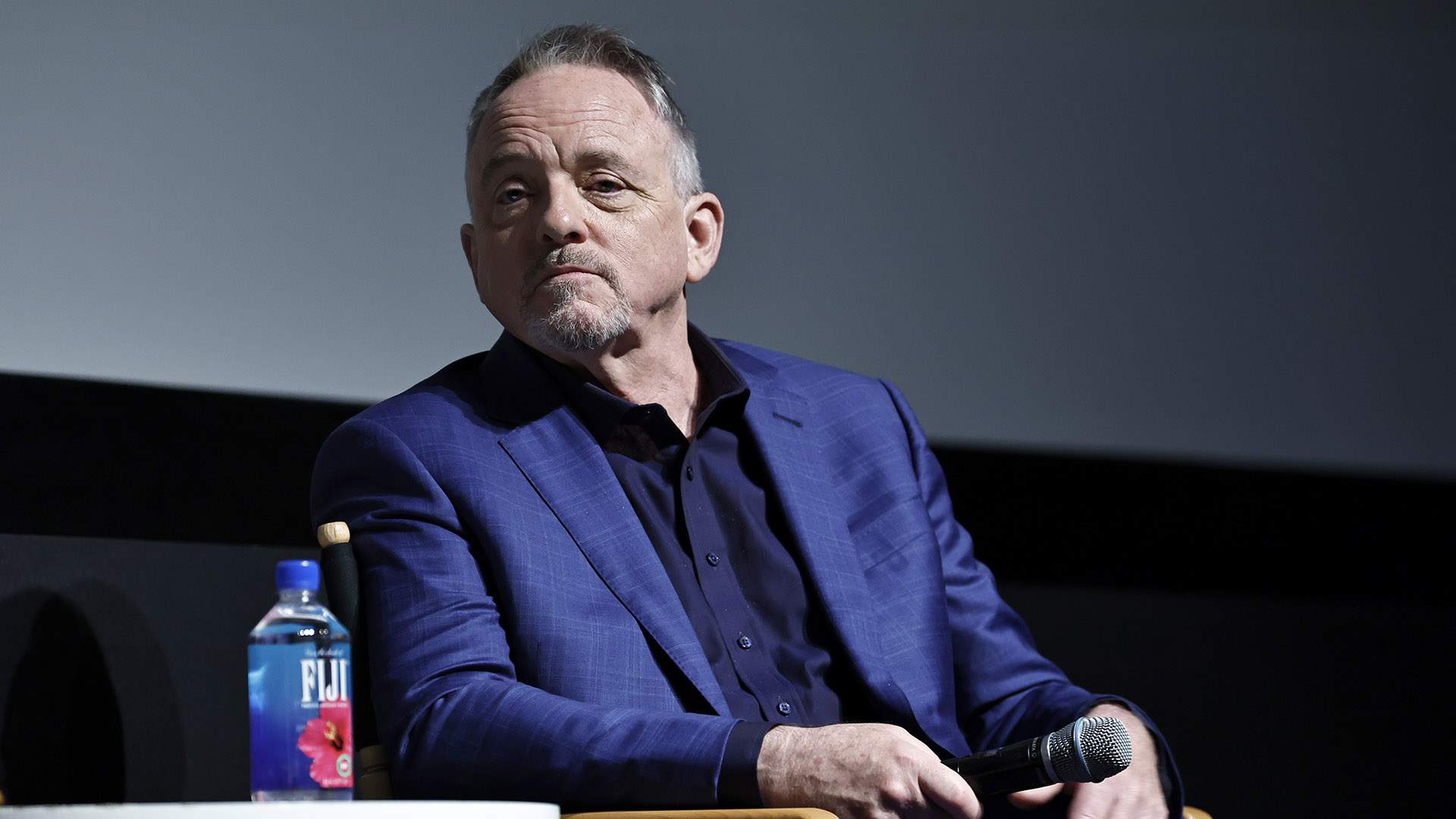
John Lamparski/Getty Images for Tribeca Festival
On Whether Moving Into Creating TV Shows Was the Plan for Lehane When He Penned His First Novel or Scored His First Screenwriting Gig
Dennis: "It definitely wasn't 30 years ago. It didn't really take effect — it didn't take hold even when I was doing The Wire. I think it was when I was doing Boardwalk that I said 'well, I really like this. I like the social aspect of this. I like the feel of it. Maybe one day I'll run a show'.
And then we moved to LA three years later, and then it just really, my life changed drastically, and then it just took hold. And I ultimately became a showrunner."
On How Lehane Having His Own Books, Such as Mystic River and Shutter Island, Adapted for the Screen Helped Put Him on the Path to Making Television Himself
Dennis: "I think it opened some doors for me in LA, in Hollywood. People knew who I was. But my desire was never to make movies — which is weird because I love movies. I'm a movie fanatic.
But my desire, I started to realise — it was when I was doing Mr Mercedes with David Kelley that I realised 'wow, the form seems to feel just like writing a novel'. If you've got ten episodes and they're 50 minutes apiece, that's 500 pages. Most novels and manuscripts are somewhere between 400–500 pages. That felt natural.
So it felt as if I understood, at an organic level, how to tell a story for television — where writing for the movies is much more like writing a short story."
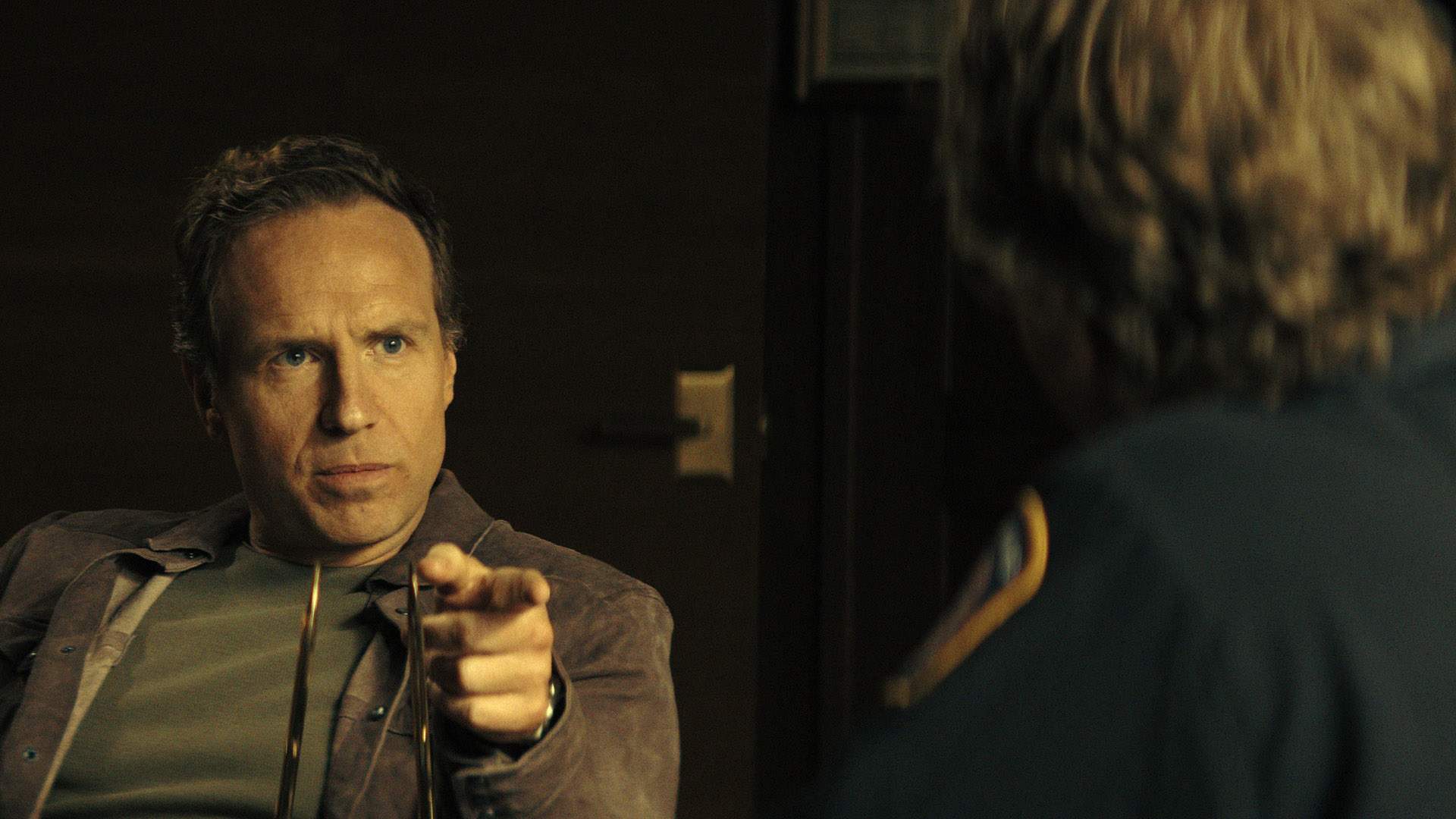
On the Appeal of Being a Part of a Series That Explores the Fine Line Between Arson Investigators and Arsonists
Rafe: "It's an unusual subject matter. I don't think I've ever thought about the idea of arson investigation. I don't think it ever crossed my mind. But of course it's a thing.
Now, it's an extraordinary story, based in some ways on a real case. And yeah, I was interested in that, the idea of it, but what really hooked me in was the complexity of the characters — was their moral ambiguity, was their richness, was how each character was so well-defined, and how each character went on a very succinct journey.
And I was really excited to play Steven. I was really thrilled to have a conversation with Dennis Lehane about it. I was really flattered to be asked.
It's really great when people that you respect ask you to be in stuff. I never get over that. I'm always really made-up and flattered when someone of his calibre would want me to be in one of his shows. So I was flattered into doing it."
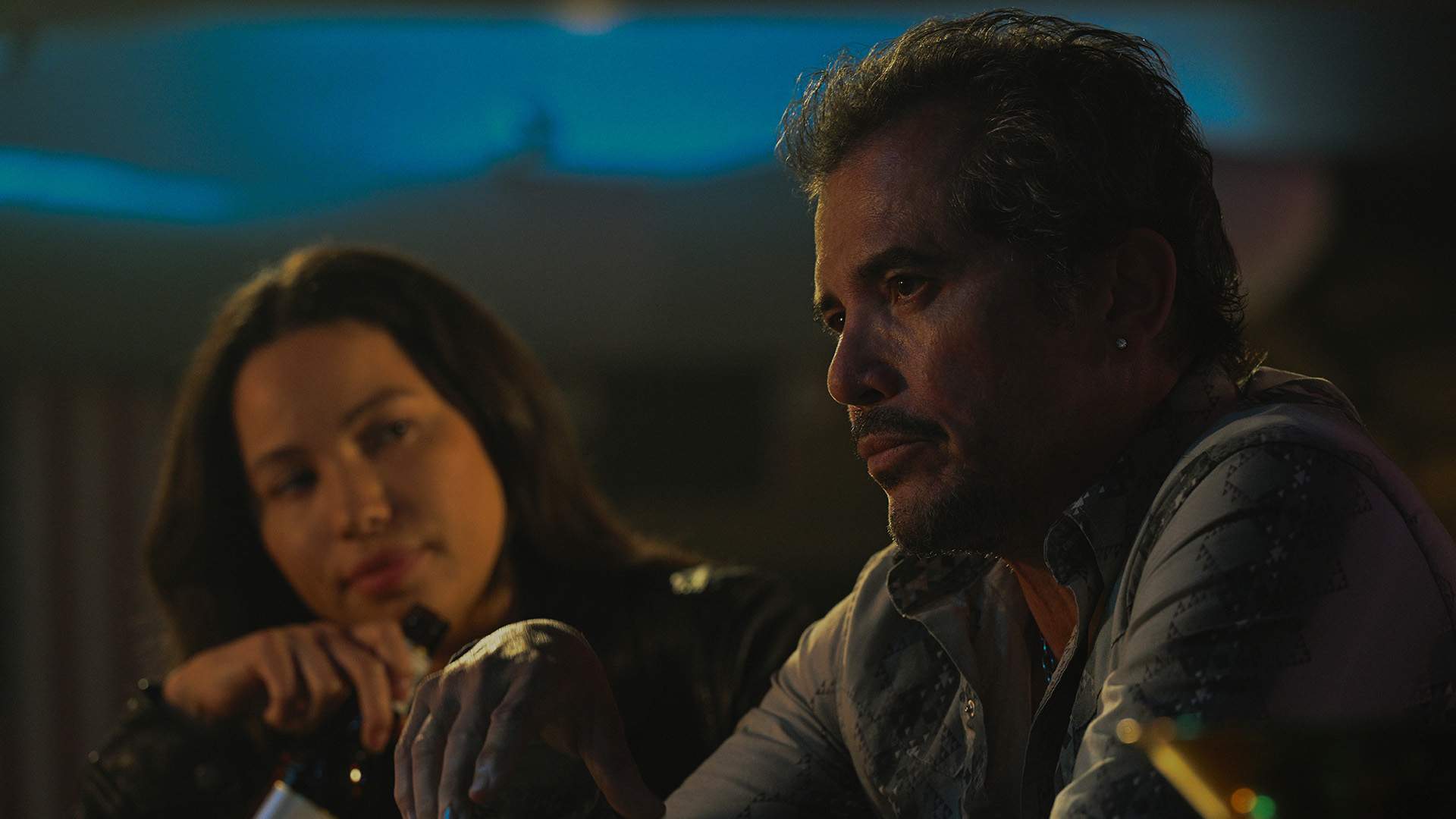
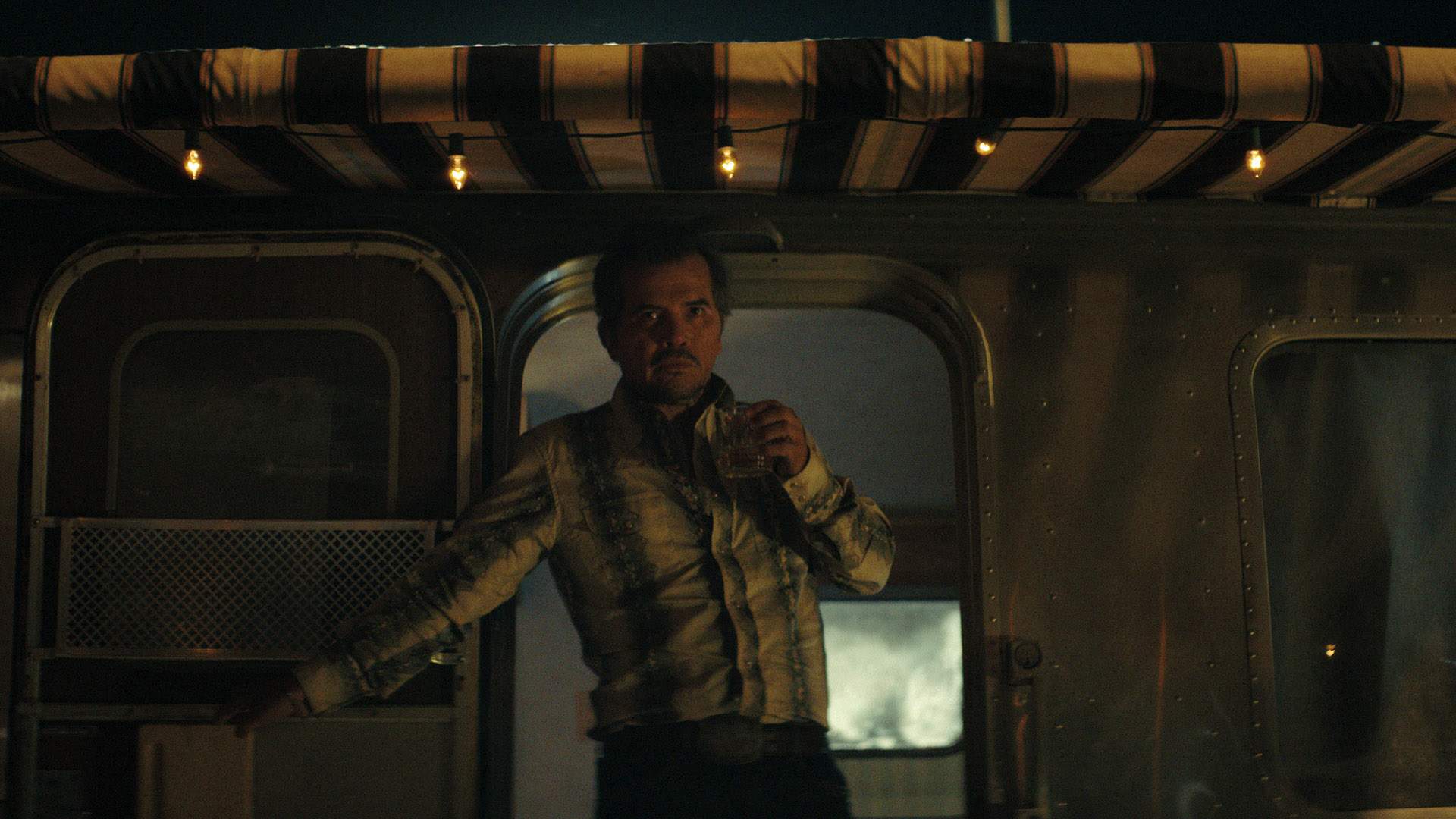
John: "First of all, Dennis Lehane is one of the great writers, true-crime writers of our time. So the series was so well-written, and you don't get great writing like this too often. So that was a gift in itself.
And then this character he wrote for me is unbelievable. This crazy, broken loser, loveable loser, who nobody believes but he knows the truth. It's an incredible role to play. I was so excited to be a part of it."
John Lamparski/Getty Images for Tribeca Festival
Anna: "The writing. It's always the writing — the writing, the writing. Dennis Lehane is, I think, exactly what the world needs right now.
We have to examine the things that he is fearlessly willing to examine. The way he writes, he gives every character that he's creating space and advocacy. And he allows the audience to ask their own questions and to engage with the storytelling.
He's never telling you what to think — and this is exactly what I sign up for as an actor."
On Going From Black Bird to Taking Inspiration From the Firebug Podcast and John Orr's Story
Dennis: "So the sort of missing piece there is a guy named Kary Antholis. So Kary Antholis was a producer with me on Black Bird. Kary was obsessed with the John Orr case and had created Firebug. So he was the producer and narrator and writer of Firebug.
And he pitched me when we were in the final stages on Black Bird, and I listened to it, and I said 'well, I don't think I'm the guy to tell the story of John Orr's trial, or the fires in San Bernardino and Glendale in the 1980s. That's not really my jam. It's not what I want to do. But I love the pathology of this guy. I would love to base a character on him, on his pathology. I would like to create a guy who is just as delusional, who is just as in denial, who is an arson investigator chasing an arsonist who happens to be him, and writing a book about an arson investigator chasing an arsonist whose arsons are mirrors for the real arsons that only the real arsonists would know about. That's a story I want to tell. Everything else, I kind of want to throw out'.
And he was like 'great'. And so that's what we did as our launching pad. And I went off and told this story, which is very different than the John Orr story."
On Stepping Into a Series with Real Life as a Basis, Even If the True Story Is Being Fictionalised
Greg: "I was familiar with the podcast. And certainly there are fire chiefs, some people in that storyline, that I guess maybe Harvey is based on, but he's an amalgamation of a maybe a few different people.
Most of it was just in the script I felt like Dennis had really written. Like I say, I used the basis of that podcast, a great piece of source information — I suspect we'll be seeing a lot more podcasts as sources for shows, because they're so rich and they offer so much creative backdrop to work with.
I felt like this, though, had all been put into a script. And I felt like all of the characters had a real journey.
I liked the character he had asked me to play. I worked with the Dennis, of course, on Black Bird, so it was great to come back to the party again."
On Egerton's Run of Portraying Morally Ambiguous, Playful Characters — and Being Great At It
Taron: "The secret is, the truth is, he is me. That's the thing. When you're an actor, sometimes when actors talk about the lengths with which they go to become someone else, there's something I think is slightly disingenuous about it because — or not disingenuous, that's mean, that's sounds judgmental. My experience of being an actor is not that you become someone else, it's that you express yourself through the prism of a character that has traits that are different to you.
It's still you. It's still Taron. It's still me. It's still Taron existing in a set of imaginary circumstances that are different from the ones that have characterised my own life.
So Dave is — although I am not an arsonist, I am exercising the muscles of imagination to be a version of me in that situation.
I think I have a few of those on the way over the next 18 months — a few morally, either ambiguous or bankrupt, characters. And for some reason I'm entering a phase in my life where those are the roles that I'm playing, and I'm really okay with it. It's interesting.
I think as somebody who started their career playing more archetypically heroic roles, there's a real appeal in like fucking shit up a bit, you know?"
On Fleshing Out Characters When There Isn't a Single Person in the Series That's Clearcut — and When Keeping Audiences Guessing About Almost Everyone Is Baked Into the Story
John: "Oh, I love that. That's what I live for — these roles that are not black and white, that are really complex and you can sink your teeth into, that allow you to be the full spectrum of human life.
Life doesn't present itself with villains and heroes. It's just very complex and grey — in the grey zone.
I really enjoyed this character, because there was so much to do in terms of he thinks he's sexy, nobody believes him, he thinks he's right, everybody thinks he's wrong. I think it's a very relatable sort of character. So it was a lot of fun for me."
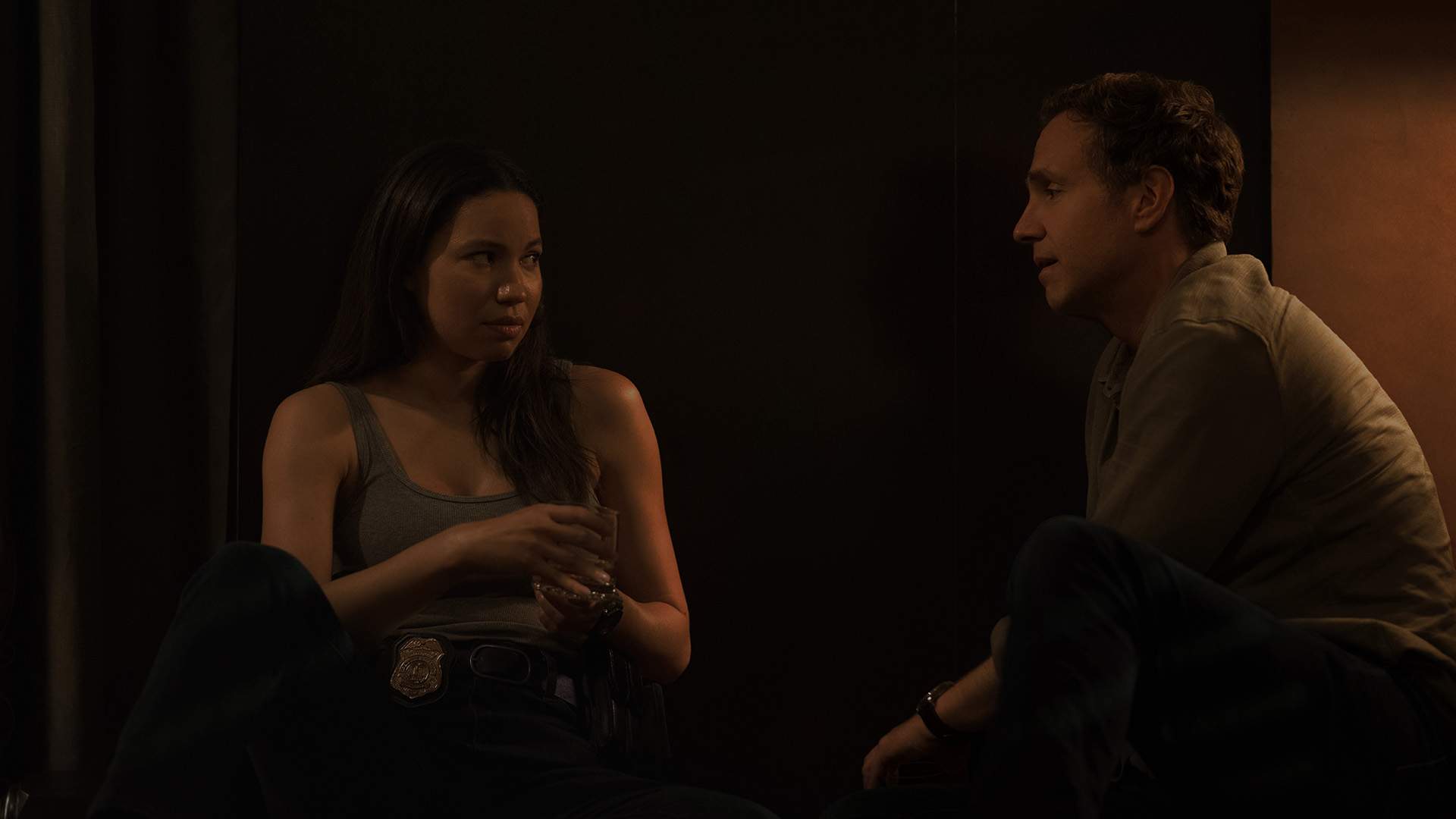
Rafe: "I think that the first thing you need to work out is the character's intention, is what they want and how they go about getting it, without passing judgment on it. You can never really have your own personal view on the person that you're playing. You need to believe that they're doing what they think is right.
And so Steven, my character, from the outside is obviously dubious at points. But he is able to justify everything he does in his own mind.
Now, from an objective point of view, a lot of the things that he does are wrong. But he would be very good at telling you why you were wrong in thinking he was wrong. And he's someone that's used to getting what he wants.
So all of this stuff that I'm talking about is the stuff that me, as an actor, hooks into. What does the character want? What does he need? How does he go about getting those things? What gets in the way of him achieving those objectives? All of those things are really playable.
And when you've got writing as detailed, as rich as this, it makes that pretty easy. Then you get there on the day and you try and make it sound real. That's it. You try and make it sound real and like real people talking — which, as I say, is easier when the when the writing is as excellent as this."
On Playing Someone Who Is Forced to Reckon with the Fact That a Person He Knows Is Completely Different to Who He Thought He Was
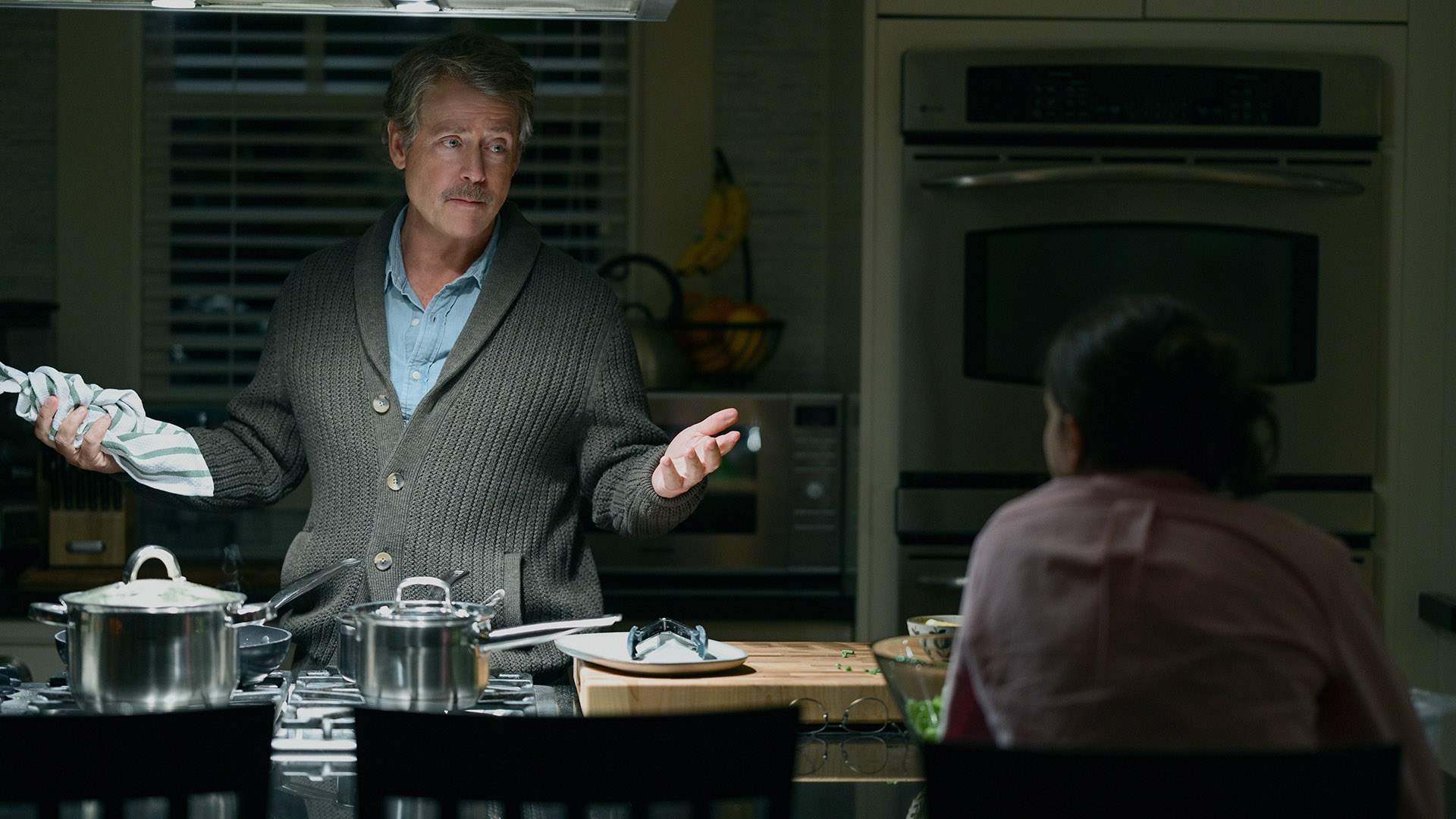
Greg: "I don't think people want to see what they don't want to see. I think Harvey is, I don't think it's — I guess he could be naive, but I just think it's that human condition of not wanting to be surprised by a friend.
It's too painful. It hurts to have someone you trust break that. So he's kind of the last man standing in this when it comes to his assessment of one particular character, but he comes around and gets on board, but it takes a minute."
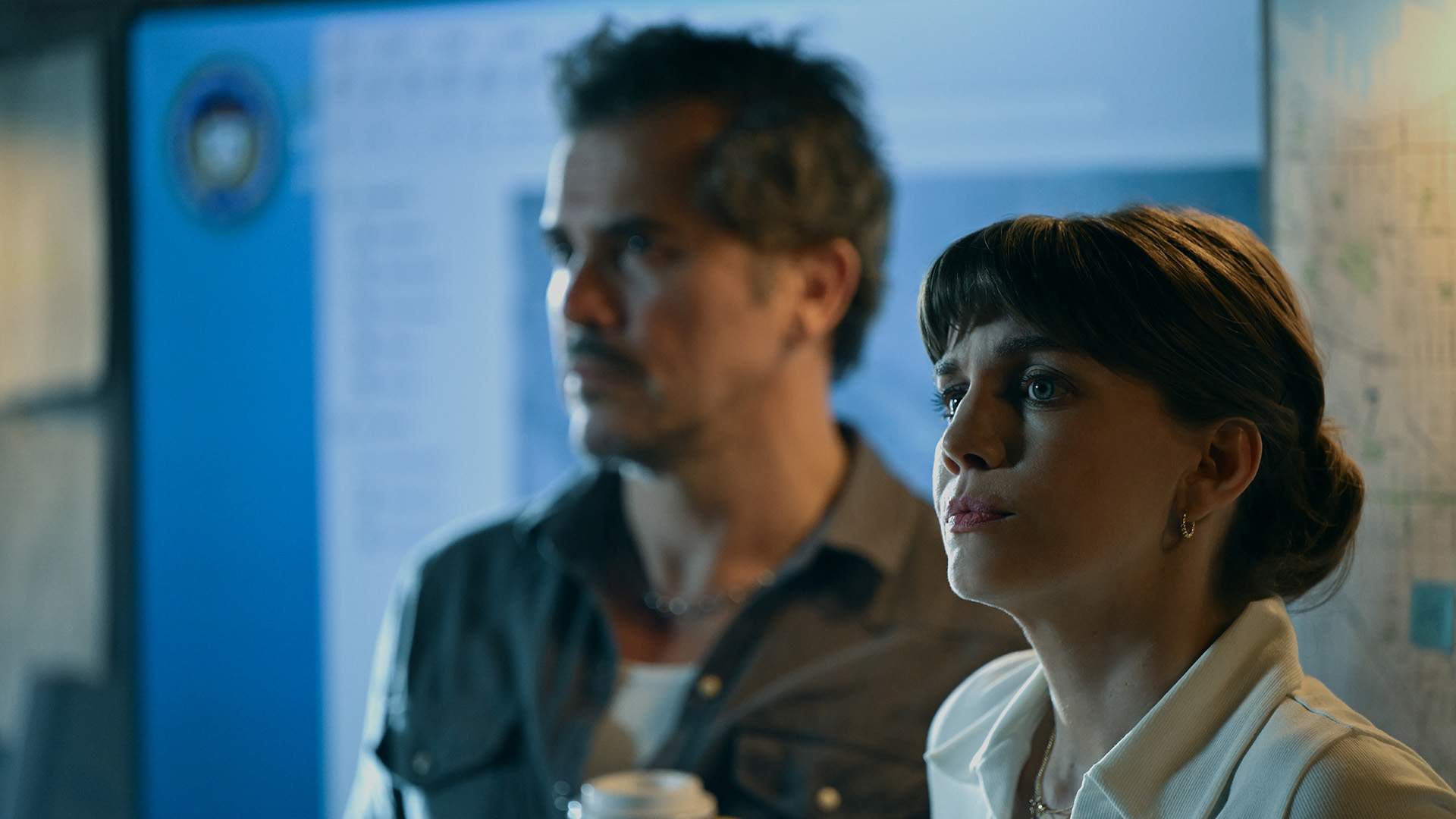
On Chlumsky Taking on Roles with a True-Crime Angle After Veep with Inventing Anna and Now Smoke
Anna: "I will engage in true-crime as a genre if the story is good — and when the story is good, that's what matters to me.
It's funny, but these roles have been really excellent journeys into the people who are having to engage with these kinds of things every single day. And I appreciate it. I appreciate getting to play them."
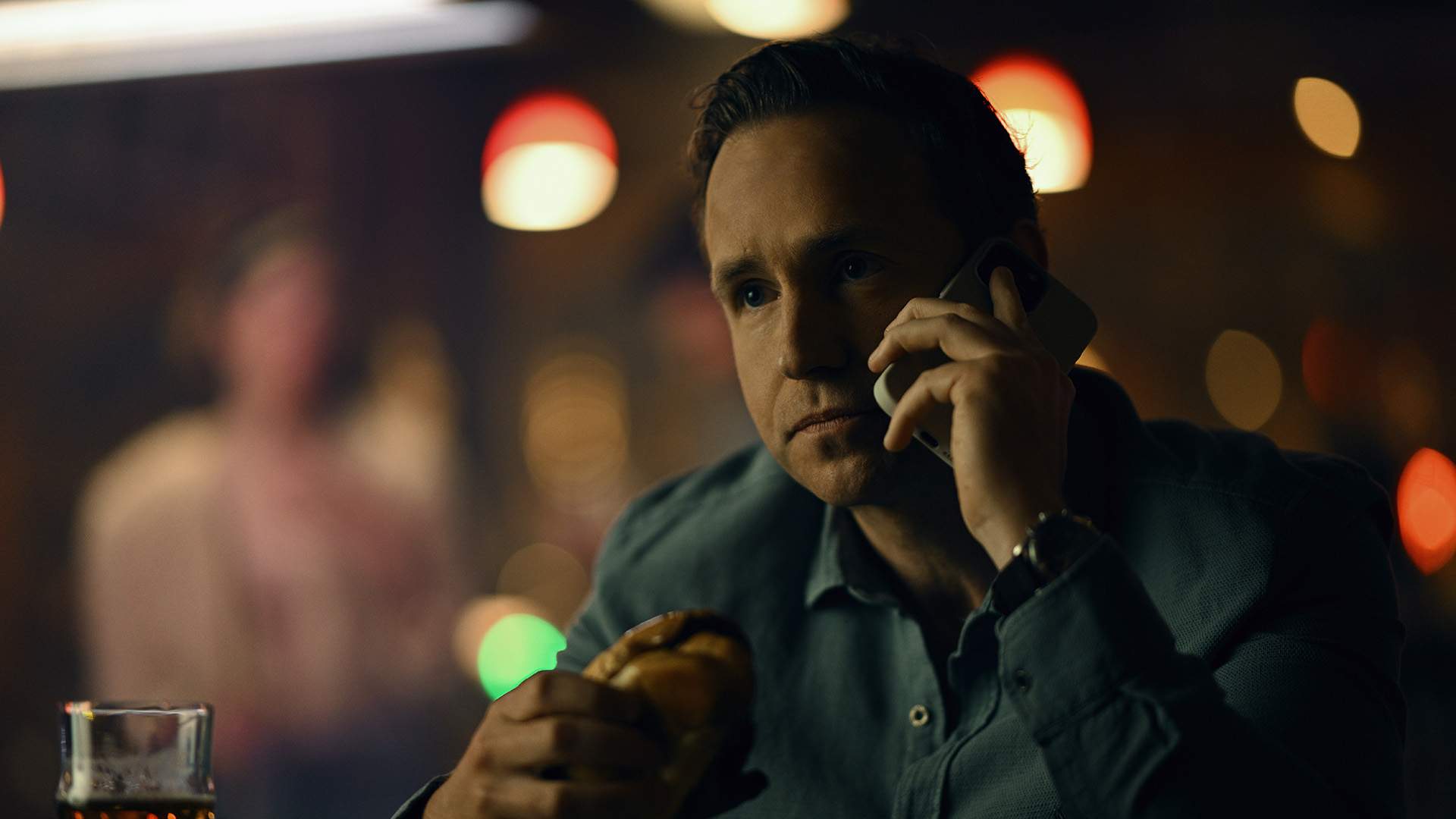
On Exploring What Makes People Tick When They're Drawn to Things That Can Kill Them or Bring About Their Downfall, Especially When They're Far From Being Honest About Themselves
Rafe: "That's a really good question. I think that bad people don't know they're bad people. They think they're good. I think everyone thinks they're good.
And so it's interesting to work out, when you're playing a character, what he puts out into the world and how others perceive him, and the dichotomy between those two things.
He makes mistakes, but I like him, and I think that that is always good. And I think I always like the characters that I play, even if they're bad people, because I'm inside them.
It's difficult to talk about acting, really, because it's such a sort of slippery old thing — and ultimately it is the process of throwing a load of shit against the wall and seeing what sticks. And it's quite a private process.
But sometimes it's really fun, and this was one of those cases — and I don't know why. I think it's to do with the people that I was working with. I think that's what it comes down to, is being surrounded by really clever people that make your job easier."
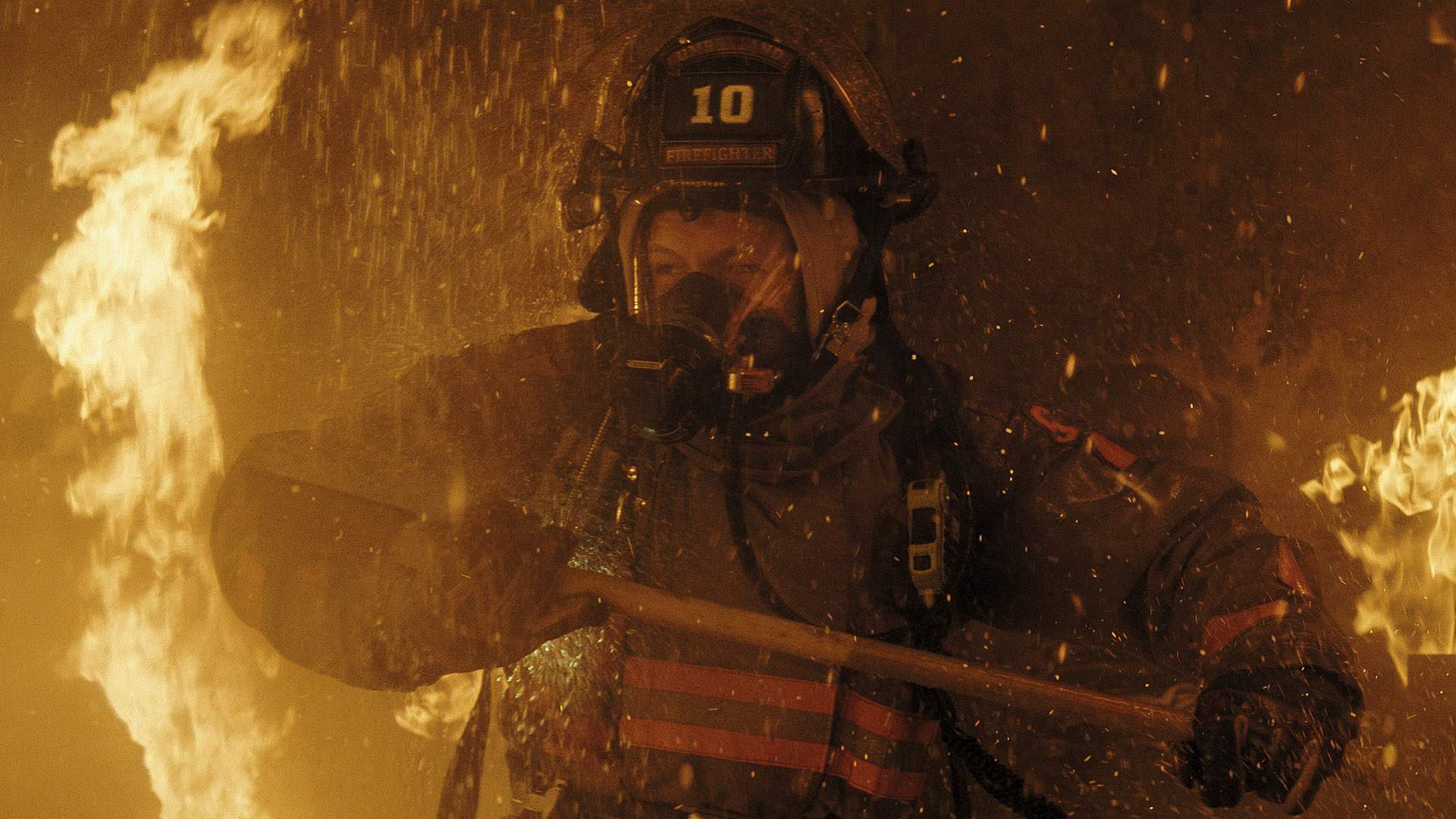
On the Crucial Commitment to Using Practical Effects Wherever Possible — and Getting Performances That Are Truly Responding to the Fire as a Result
Dennis: "We were adamant about that from the very beginning. The first production meeting, that was the topic: 'how do we make this?'. If they could do it in Backdraft before CGI existed, then the problem has to be how CGI is being employed, not how they used to do fire.
So we came up with a fusion of practical fire, CGI fire, put them together. If you had the practical fire in a scene, then the CGI artist could go in there and know what he was matching to. There's a fire — match to that.
With the opening scene in which the fireman, Dave Gudsen, is trapped in a fire and runs toward his own reflection — that opening sequence was shot with Taron using nothing but practical fire on what's called a burn stage. So I don't think Taron had to do much acting there. That was pretty much 'aaaaah' — I wasn't going on that stage.
But later, in some of the other scenes where the fire was far less practical, the actors were just bringing it, man. They were just bringing it. And we were documenting it and then filling in those fires later."
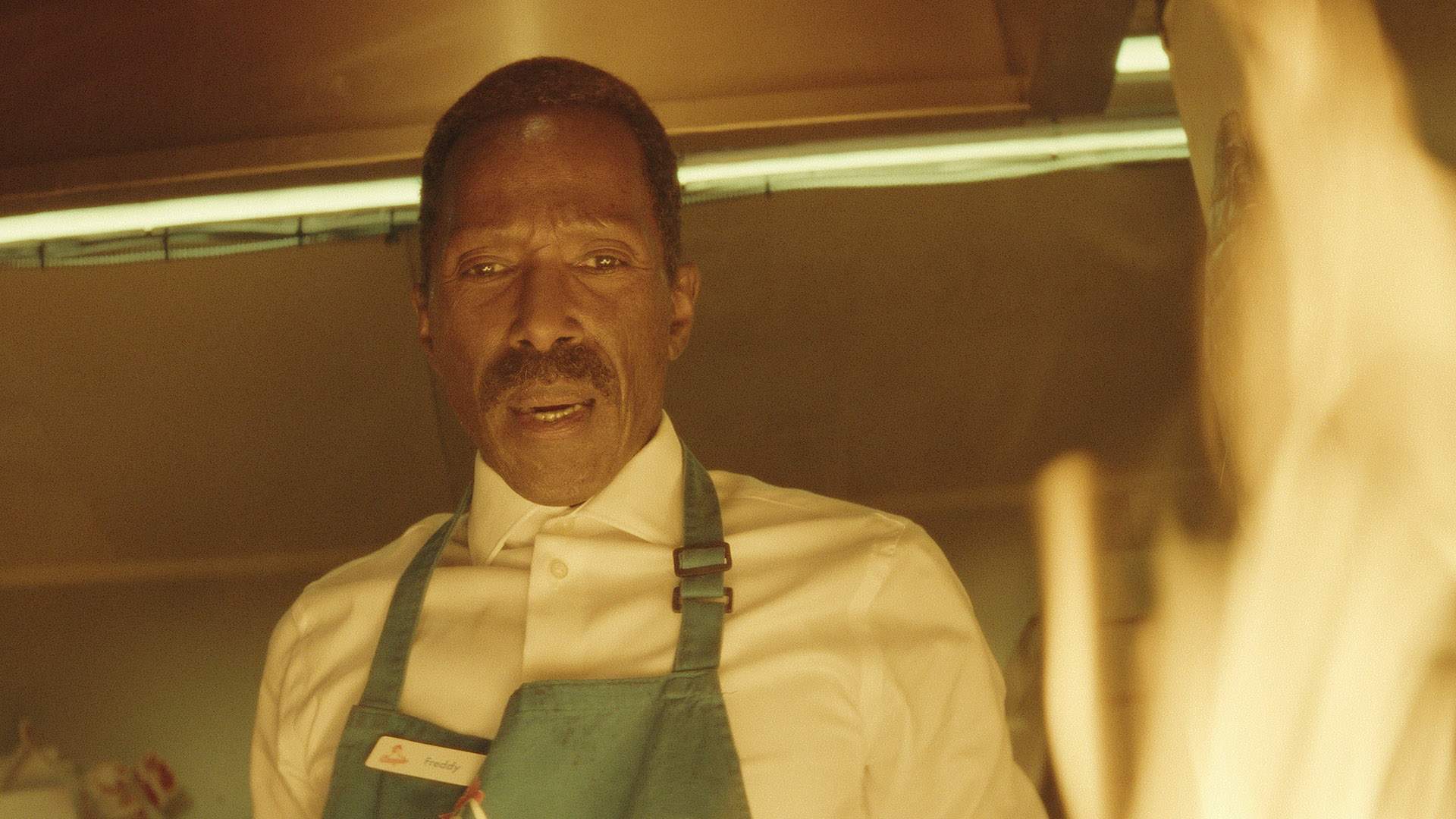
Taron: "It's interesting. I didn't anticipate, when I first read the scripts, that Dennis would elect to shoot the fire practically. And it's a really amazing sequence. I think he chose to do that because that moment, for Dave, the opening sequence of the show, it's more than just the turbulent moment from his past. It's a kind of existential moment where something happened for him that changed who he is, and even I don't fully understand what that was, but it's something to do with his relationship with himself. It's something to do with his own self-image.
And I think the significance of that event meant that it needed to be particularly cinematic and almost visually poetic. And the fire looked stunning in that sequence. It really is quite beautiful to behold. And I'd argue that it's better executed than anything that could have been done with computer-generated imagery. So I really loved that sequence.
In terms of preparation, you do a little bit of training with the breathing apparatus to make sure that you're safe and set to go in there — because you can't step on a set like that without a regulator, and all the crew are wearing them as well.
But beyond the rehearsal we did, which was quite rigorous because it's a dangerous set, I didn't go and do any special firefighter training or anything."
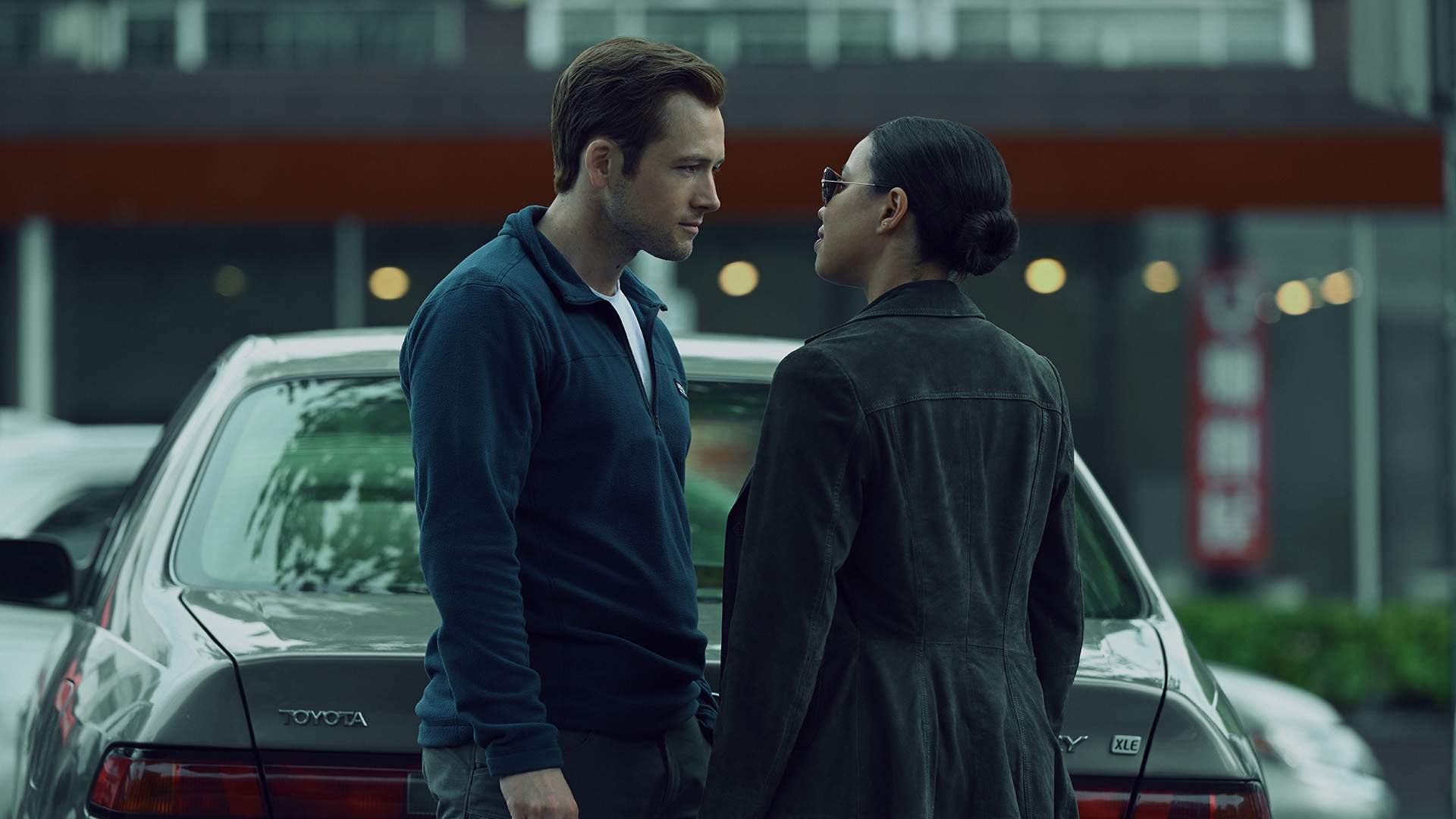
On How the Smoke Cast Reflects Upon Their Careers So Far and Their Paths to the Series
Taron: "The life of an actor is strange for many reasons, but it's very strange to have a moving video chronology of your own life.
And sometimes I'll put on the telly or put on Netflix, like things I've been in sometimes pop up on Netflix and I'm all of a sudden having, like I put on the telly and there's a bit of me at 24 — and I find it really weird. And it's quite creepy. Because in my head, I look the same as I did when I was 24. And then I see a bit of a clip of Kingsman and I'm like 'no, no, definitely not'. And it's weird.
I don't get super-reflective about my career so far, and I feel just enormously grateful to still be working and really grateful to be playing leading roles — and to be working with the great people that I get the chance to work with. And I don't take any of it for granted, ever. I am such a fortunate individual.
I'm really glad that I'm still being employed."
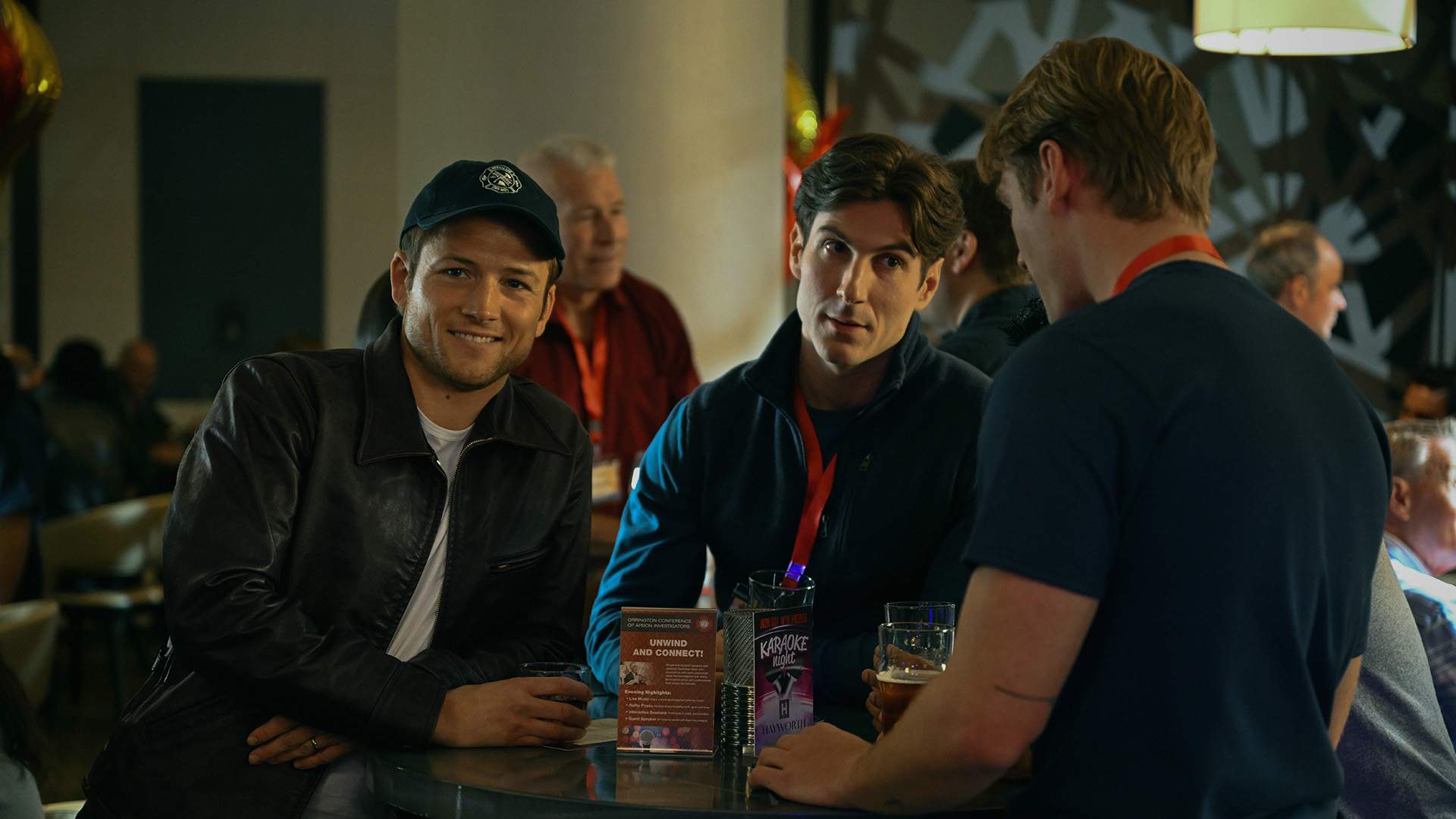
Rafe: "It's one thing getting opportunities, I think, as young actors. And I think that we put a lot of stock in like 'the big break', the idea of that — and there's a lot of reverence of that. That's never really been the case in my career. Like, I've always just done, just kept going, and done one thing and another thing and keep getting asked to do things.
It's all I've ever wanted, really, is just to sustain a career. Because that's the most-difficult thing, is sustaining — is to keep going and to keep employed in good work. It's really difficult. It's a really difficult thing.
So I'm just very, very grateful that I get to do it, because I really like my job. I really, really like — I love acting. I love actors. My dad's an actor, grew up around them.
I think it's both a very important and very silly thing to do, and I'm very grateful for those things."
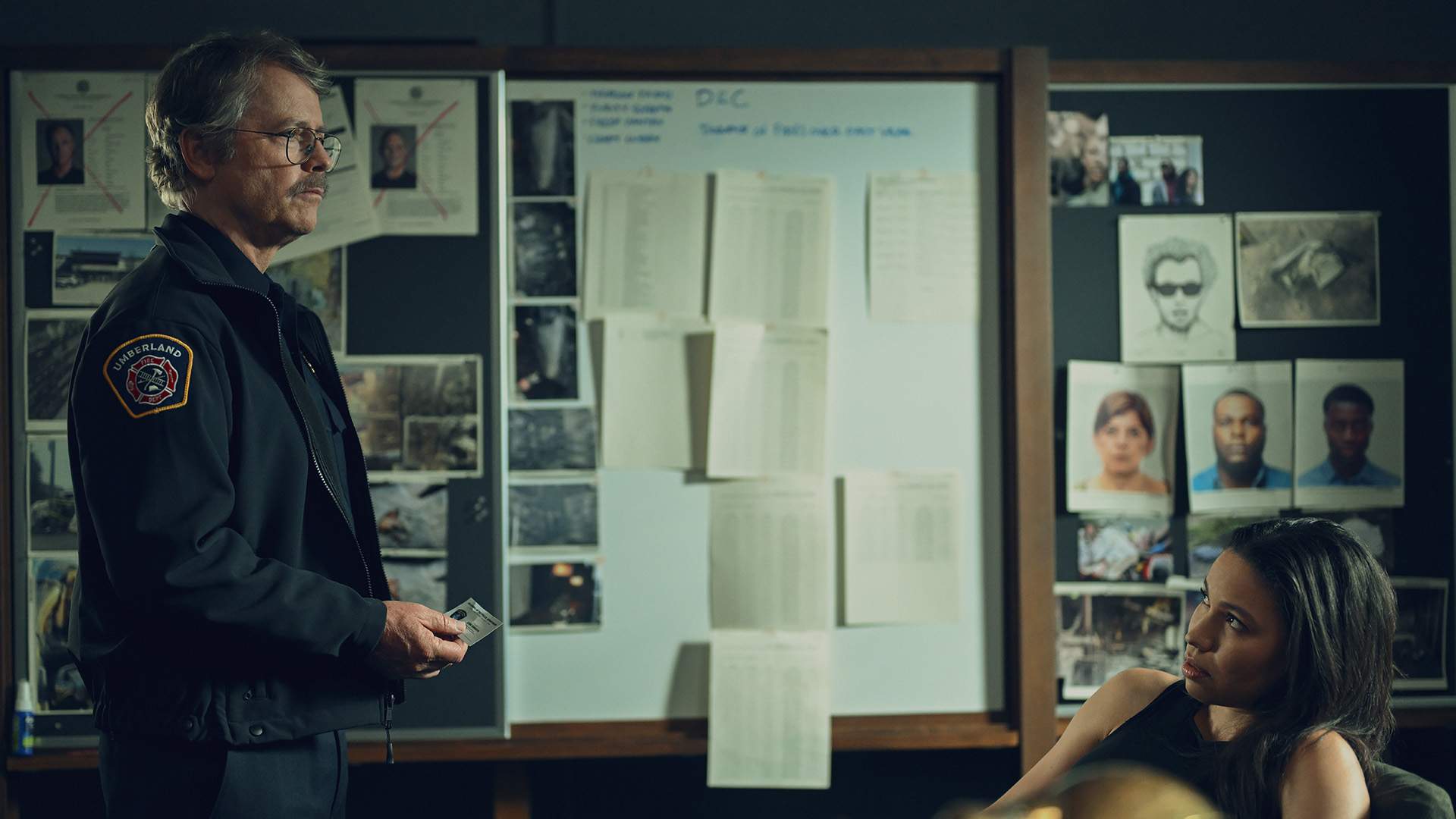
Greg: "It's funny, we [Kinnear and Spall] both played Atticus Finch [in To Kill a Mockingbird], so we've both been through the same path. Plus, Rafe's done a lot of comedy and a lot of drama. I have been able to have kind of done both of that as well, which is really great. I feel very fortunate to be able to do both.
This, I feel like Harvey's got — there's a little humour and a little warmth with him, and there's a little drama mixed into it.
Whatever's led me here, it's the right mix of stuff, because I find myself more often than not being real happy with whatever it is that I'm doing at the time. That's certainly the case of Smoke."
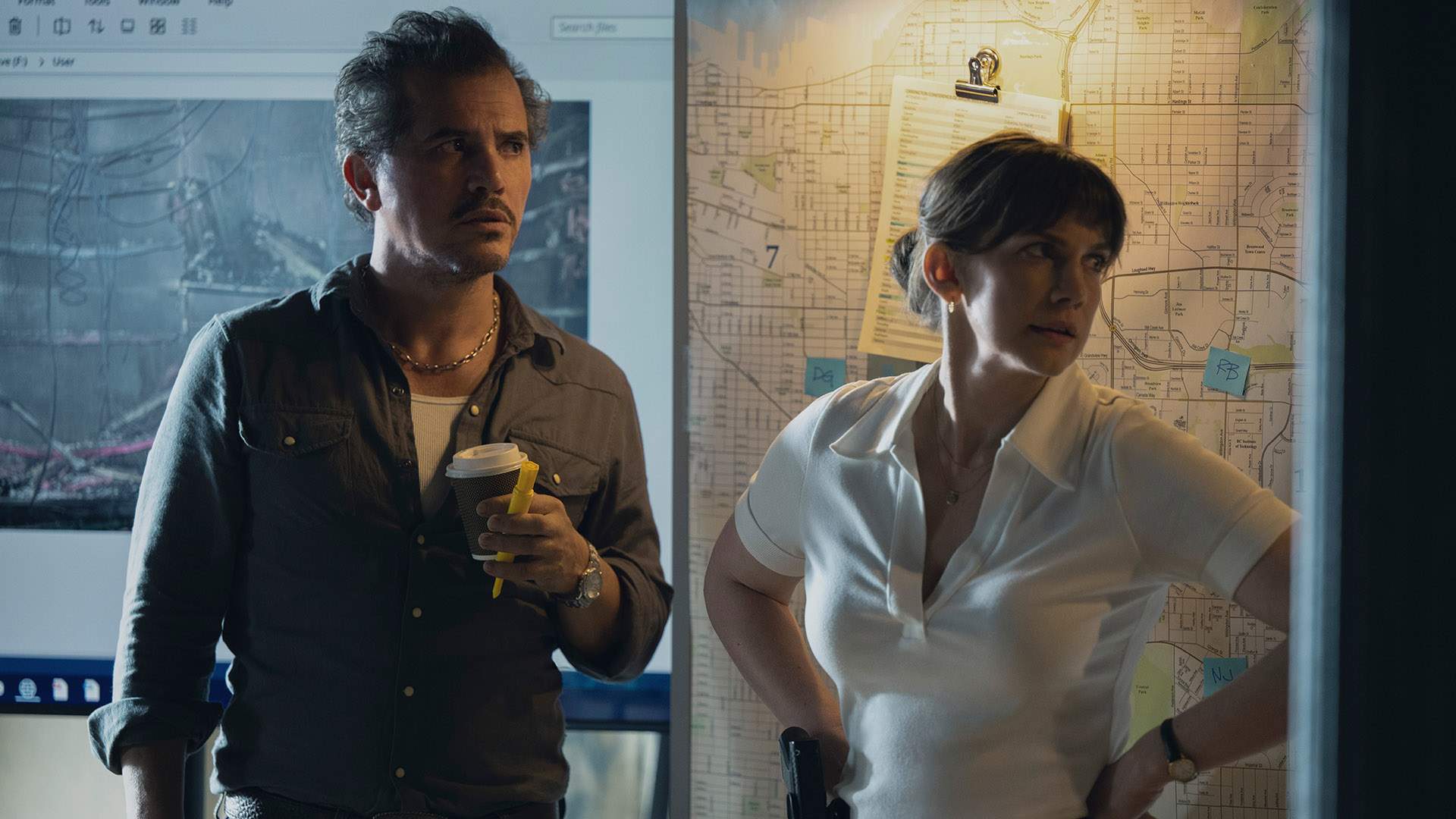
Anna: "I just want to tell the truth and explore the human condition. And if I get to in beautiful text, then I feel like I'm engaging in the culture and I'm engaging in the world, that's really anything anybody can ask for.
So I'm just very proud that I'm still getting to answer questions about a show that I still feel that way about.
I'm that kind of actor who's always wanting to stretch in different in ways. It's what keeps me alive in the craft. So it always feels like a gift when I get to stretch something."
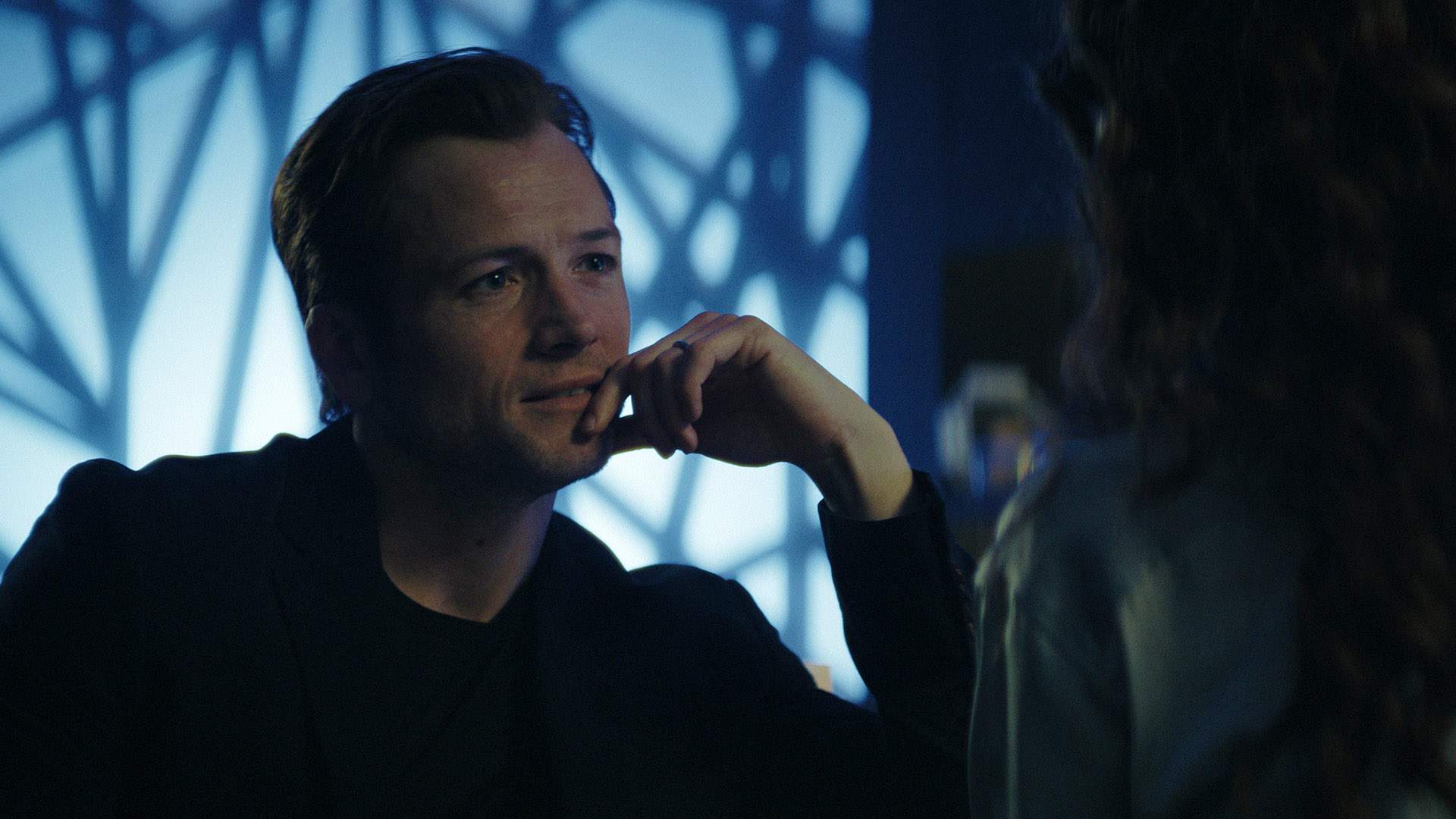
John: "I love to be a part of things that really make you think deeper than most shows. I like to be in work that makes a statement, that tries to change the way the world is and makes it a better place. That's what I strive for. And hopefully I hit that mark more than not.
I've had to fight for appropriate representation and appropriate roles that I felt should have came my way, or been offered to me, because I'm a Latin actor in America. And I've had to deal with quite a bit of racism in this country, even though we're such a huge — we've been here since the beginning, the first European language spoken in this country was Spanish, not English, but we're still the most aggressively excluded ethnic group in America, even though we're 20 percent of the population.
So I've had to deal with a lot of a lot of that, and luckily I haven't given up, and have persevered. And I think my fanbase is what's helped me to stay strong and to continue.
And luckily Dennis Lehane saw something in me for the role of Ezra, and I'm really thankful for that."
Smoke streams via Apple TV+.


- A Weekender's Guide to the Barossa Valley and Beyond
- From Cosy Mysteries to AI-Era Satire: The Best New Australian Books to Curl Up With This August
- The Best Restaurants in Sydney to Take Your Dad This Father's Day (or Any Day)
- The Best Australian Shoe Brands to Know Right Now
- Dark Arts, Hedonism and Exploration: A Weekender's Guide to Visiting Hobart for Dark Mofo
- The Best Australian Fashion Brands to Know Right Now