Overview
With slouchy off-shoulder tops ruling the streets, Drake's Views enjoying an unexpected chart renaissance, and a King Kylie cameo, it feels like we've stepped into the rose-tinted days of 2016 lately.
As friends and celebrities alike flood the feed with decade-old throwbacks, look out for flower crowns and American Apparel tennis skirts. Pinkish Rio de Janeiro-esque overlays on grainy iPhone 7 selfies. Zara Larson's Lush Life. Safe to say, the millennials are nostalgic.
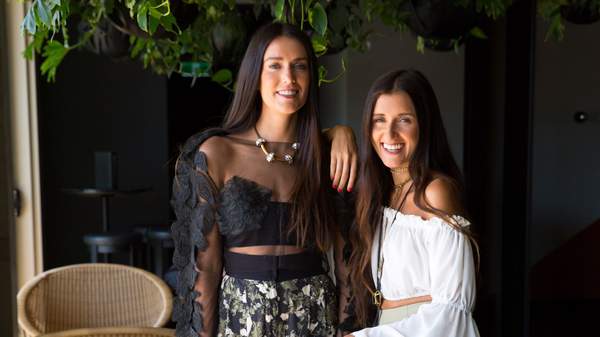
Amid the never-ending summer vibes, the cult TWOOBS platforms emerged. Founded in Byron Bay by sisters Jess and Stef Dadon, the brand recently marked its 10th birthday with a nostalgic post revisiting its earlier days. A 2016 snap aptly captures the founders decked out in neoprene Triangl bikinis and early prototypes of the now-signature OG sandals.
The Dadon sisters were part of the primordial wave of fashion bloggers who turned their outfit posts into full-time careers. Howtwolive (it's still up!) began in 2012 as a daily outfit diary documenting their shared wardrobe while one of them spent six months in Paris. They became known for their playful, slightly absurd style — think doll heads, wacky prints, and out-there sunglasses — and, above all, a devotion to platforms.


"We hated heels. We hated being uncomfortable," Stef shares. "That was where the seeds for TWOOBS were planted. We were known as platform wearers."
The Dadon sisters built a following the old-fashioned way: first on their blog, and then on Instagram six months later. The early posts were, as Jess puts it, "taken in very lo-fi ways that would not fly on Instagram today". A stark contrast to today's collective urge to log off, she shares that people were hungrier for content in the early 2010s — her lunch breaks were spent scrolling through iconic blogs like the Olsens Anonymous.

While an Instagram following translates to cash today, influencer marketing wasn't as lucrative back then. In fact, it didn't exist. For the sisters' first big break, they were flown out to Sydney to style and model in a campaign for a major brand. Their earnings? $250 in total, plus $150 worth of clothing. In 2025, that's the rough cost of an Instagram story from a microinfluencer.
"It was a very different era, and we were definitely doing it for the love of it rather than the money," Stef says. "We saw how people started to get paid for their work, which was awesome... but back then it was much more organic and fun and freeing. Everybody was just doing it as a side hustle because they loved fashion."

At the height of the absurdly chunky shoe (Jeffery Campbell's Litas set the tone), Stef recalls the OG sandal being likened to orthopedic shoes. Its adjustable velcro straps and sensible flat soles exuded a utilitarian streak once reserved for the outdoors, if anywhere. It certainly stood out at New York Fashion Week in February 2016, where the Dadon sisters debuted the sandals with bikini-clad models braving the -4 degrees weather.
The OG still toed the line, though — a triple-stack version was regrettably recalled when a customer almost broke an ankle in them.

A decade later, the OG and its taller sister, the OG+, are performing better than before. "People still call them ugly to this day, but it's kind of like, you want ugly shoes now," Stef quips.
Lately, the sisters are partial to the BFF, a chic summer thong born out of "looking at people's feet" at airports. "We noticed men, particularly, wearing these daggy flip flops a few years ago. I remember discussing that on the right person with the right outfit, they could actually be pretty cool," Jess laughs. Eight chic colour variations also amping up the summer appeal; Jess's pick is a playful red tone called Spaghetti Sauce, while Stef defaults to classic black.

The BFF is constructed to feel as weightless as possible — the toe post was only perfected on the seventh try — and its cloud-like soles star carbon-soaking sugarcane and bouncy natural rubber. All TWOOBS feature 100% recycled materials — one of the sustainable initiatives introduced to the brand after the founders witnessed the volume of waste in the fashion.
Subcultures began protesting fast fashion – a term coined by The New York Times in the '90s — as early as the 1970s, but the trend cycle was unstoppable. For decades, sustainability remained the niche domain of anti-sweatshop activists and environmental campaigners, while mainstream shoppers chased bargains bucked by supply chains that could turn runway looks into $20 tops at breakneck speed.
"I think price was really what was driving the customer so heavily," Jess says. "It wasn't for another few years until the conversation started to become really environmentally-focused."
Like many, TWOOBS initially introduced a cruelty-free ('vegan' was the buzzy shorthand) ethos before moving on to greener pastures. From zero-waste packaging to recyclable materials, she and Stef have inched forward until they realised that a 'sustainable fashion brand' doesn't exist.

But a sustainble-r one does. TWOOBS' Byron Bay location is fitted out exclusively through Takesies Backsies — a fun recycling program where old TWOOBS are exchanged for a cash voucher, and broken down to produce office supplies — and the project saved approximately 150 kilograms of plastic from landfill. Today, the store accepts non-TWOOBS shoes too.
As cozzie livs strikes again, Jess and Stef are observing an unsettling Temu and SHEIN resurgence. Consumer focus has shifted yet again and TWOOBS has repackaged itself, but that doesn't mean that sustainable-r practices go out the window.
"If we can convince everyone to buy our shoes because they're so comfy and so cool, then we're convincing people to buy better for the planet."
Find out more about TWOOBS story and shop the collection online.
Images: supplied