This Just In: A Study Reveals That Two in Three Aussies Prefer Op Shop Treasures to First-Hand Finds
This Salvos study makes the case for an op shop run.
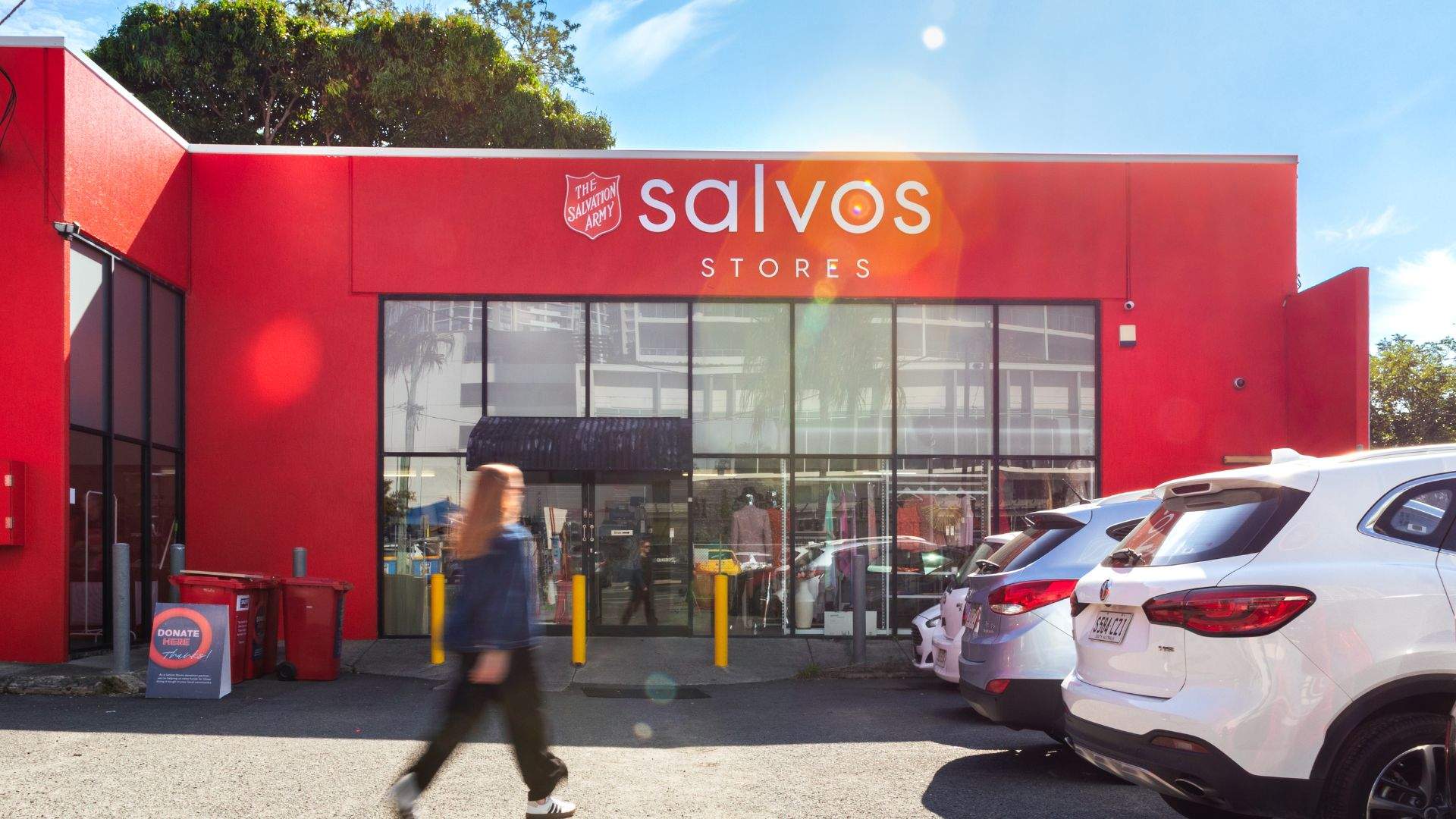
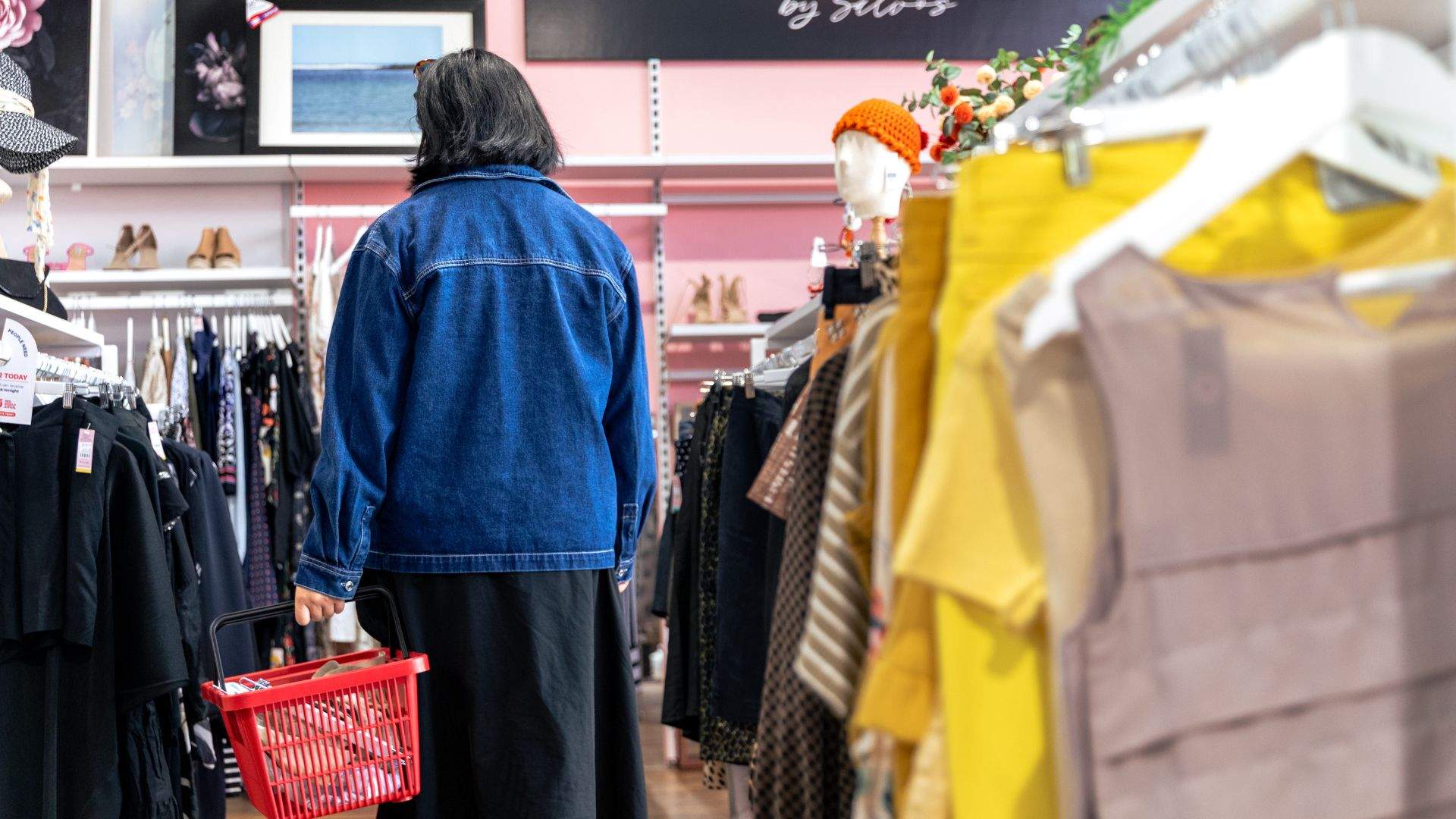
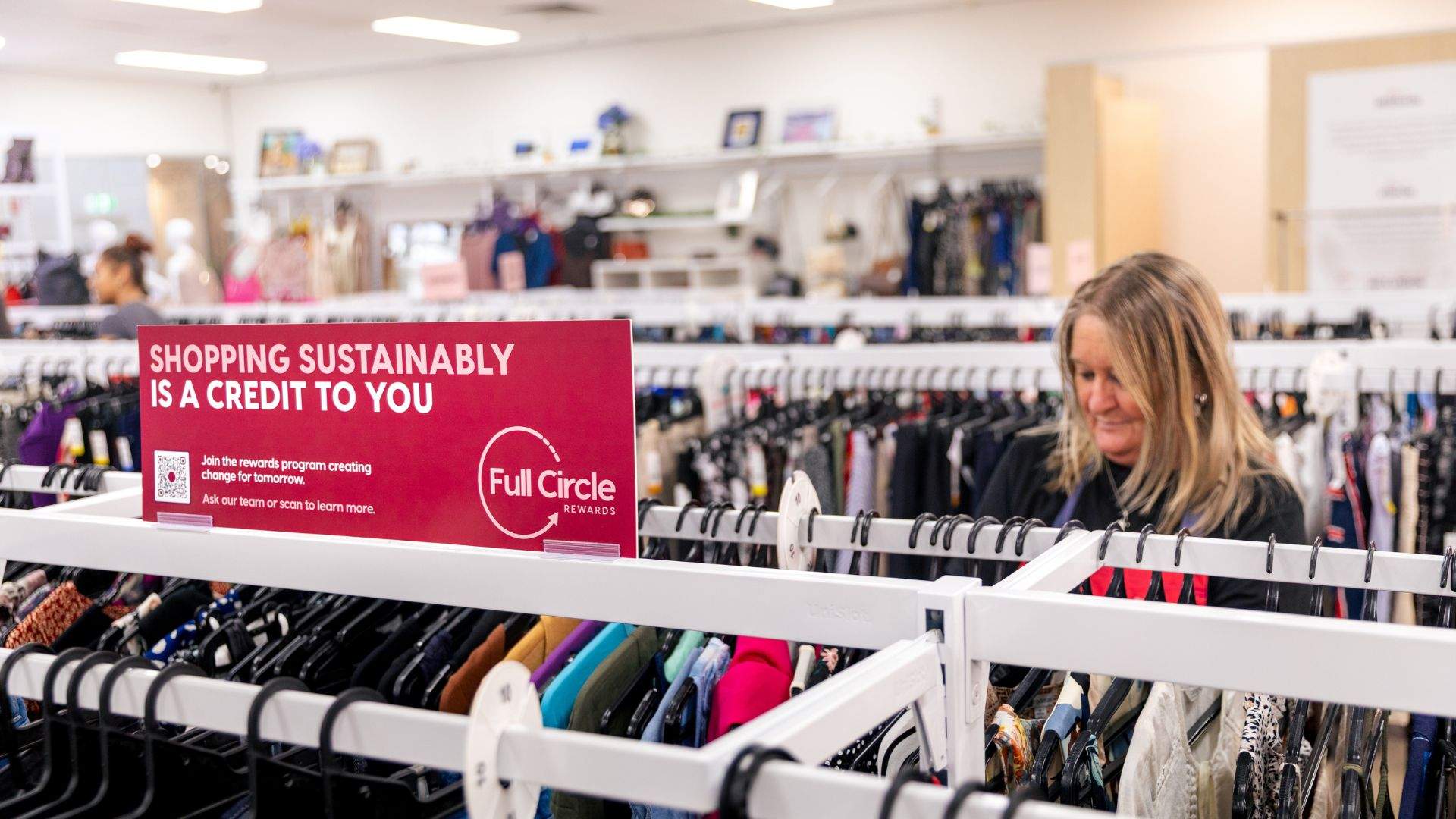
Have you ever struck gold in an op-shop? It's a high, isn't it? The thrill — akin to finding money on the ground or winning a game — comes from small victories like picking up a piece that emulates a current trend (say, anything aquamarine right now) or a trinket to fill that empty space on your shelf. Dedicated thrifters take on bigger conquests, such as finding a brand new wedding dress at a regional Salvos.
Op shopping has long been a practical (and sometimes, necessary) cost-cutting measure. A recent study from Salvos and Glow Research has pulled back the curtain on the incredible highs and lows of the op shopping experience — naturally, 60% of Australians value the savings, but the data reveals that more shoppers are rummaging the racks for fun today.
Almost three-quarters of respondents agree that the experience feels like a treasure hunt, and that finding the right item brings a sense of personal accomplishment. You never know what lies in your local second-hander, but you're likely to luck out. A crystal chandelier, a rare Dobro guitar — these are among the items of "exceptional value" that 68% of Aussies have purchased at op-shops.
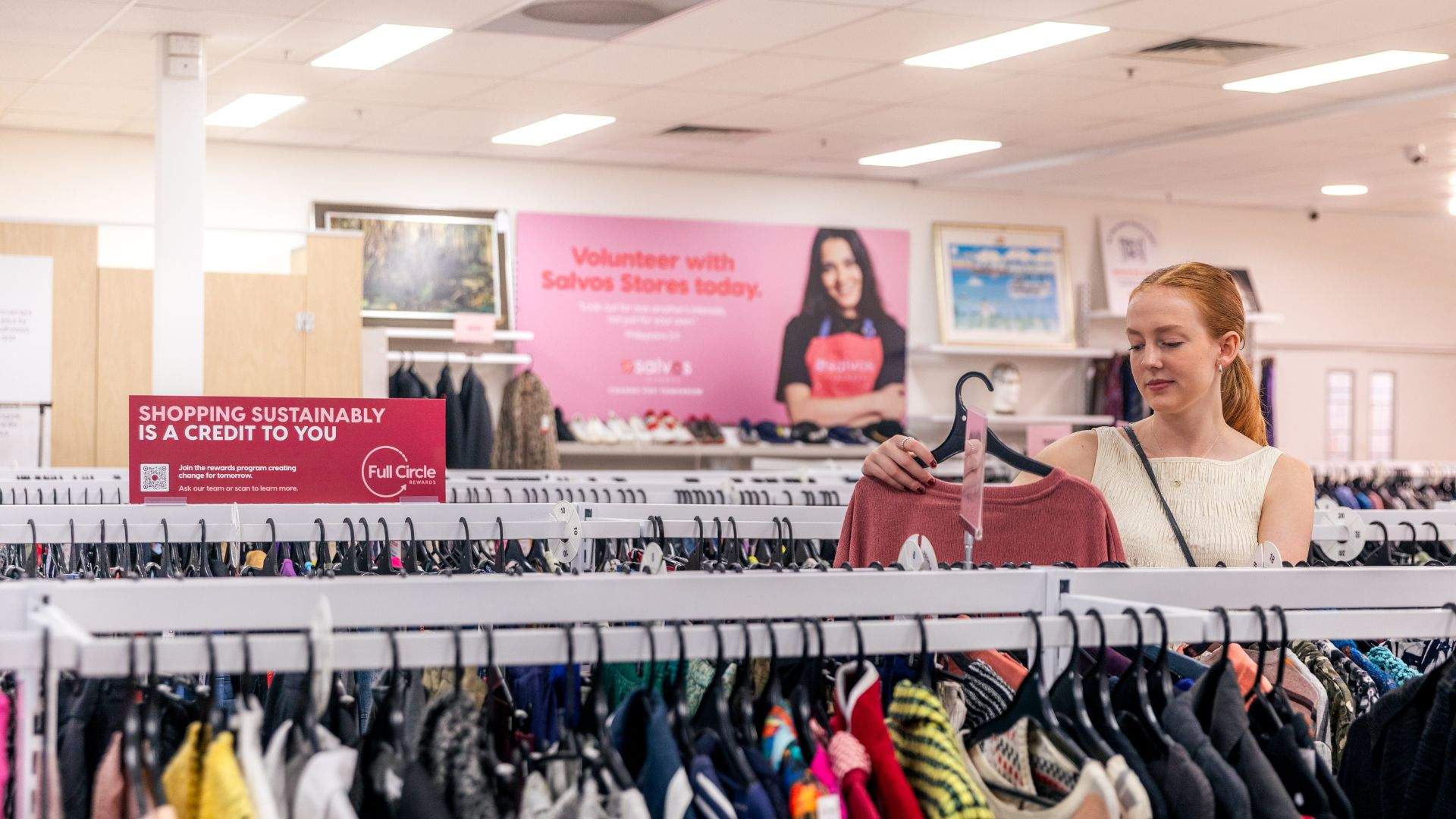
This unending potential for discovery explains why two in three Australians find op shopping more exciting than browsing boutiques or department stores. Hard-to-find items have a maverick appeal, but the unique potential and individuality of these items also raise the stakes for shoppers.
Something mass-produced can be bought anytime, but who knows when you'll see those vintage leather boots again? Salvos reports shoppers are twice as likely to regret leaving something behind at the op shop than at a regular retail store. It's the opposite of buyer's remorse; 48% of shoppers have returned to the op shop for a previously abandoned item. If they're lucky, it hasn't been snapped up by another discerning eye.
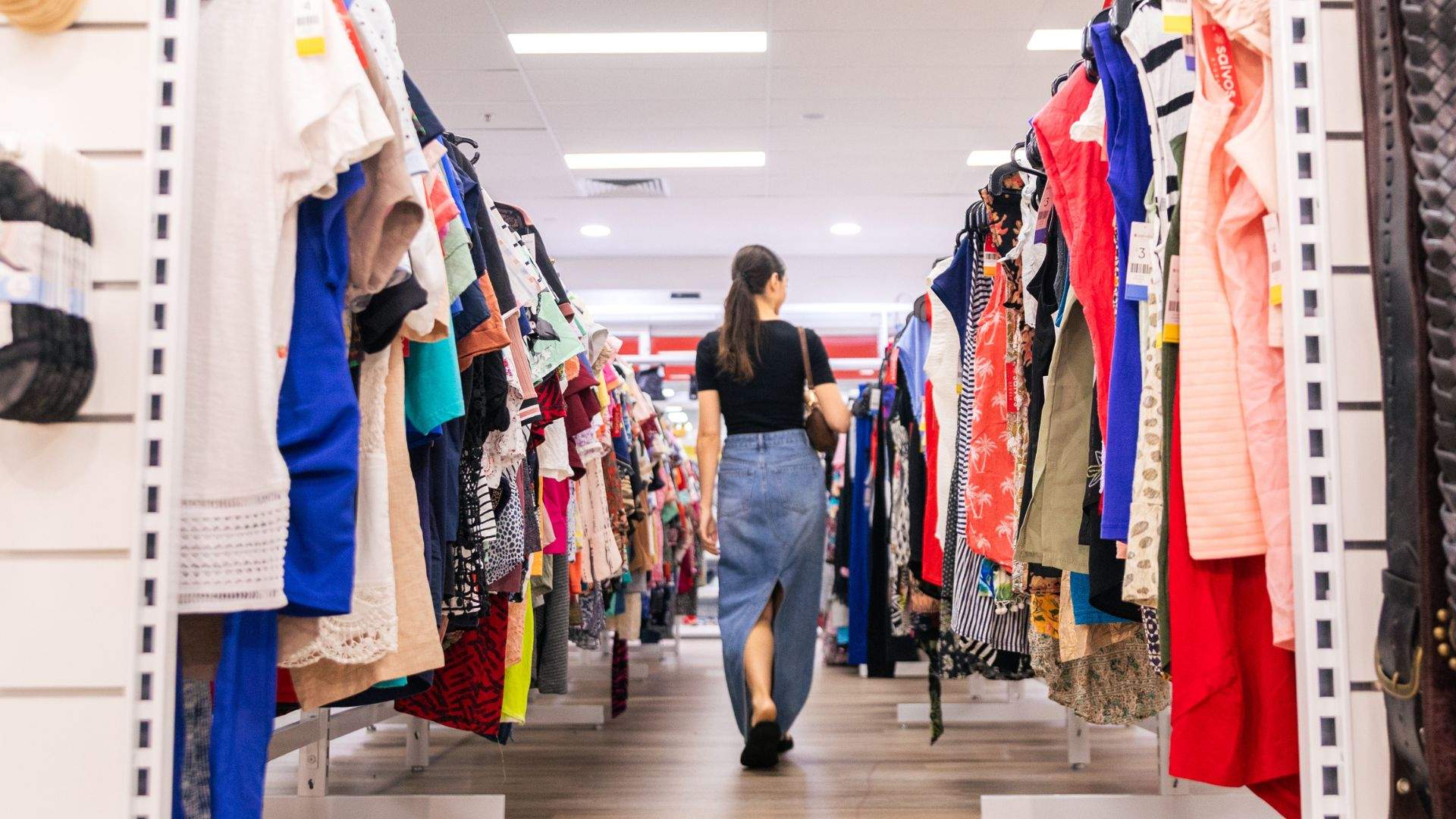
Interestingly, op shops backed by charities even offset the guilt of impulse spending for almost 70% of respondents. As sustainability becomes an increasingly urgent topic, you're less likely to feel guilty when you're avoiding fast fashion. Still, moderation is always wise.
This data was supplied by Salvos and was based on a study of a national representative sample of 1000 Australians.
Images: supplied
Like what you see? Subscribe to the Concrete Playground newsletter to get stories just like these straight to your inbox.


- From Cosy Mysteries to AI-Era Satire: The Best New Australian Books to Curl Up With This August
- The Best Australian Shoe Brands to Know Right Now
- Dark Arts, Hedonism and Exploration: A Weekender's Guide to Visiting Hobart for Dark Mofo
- The Best Australian Fashion Brands to Know Right Now
- The 12 Best Walks In and Around Sydney
- Sydney's Best Bottomless Brunches