This Just In: Sydney's Eastern and Northern Suburbs are Bleeding Residents While Affordability Gives Western Sydney a Growth Spurt
Though the harbour city keeps growing, population data hints that its future may lay away from the shoreline.
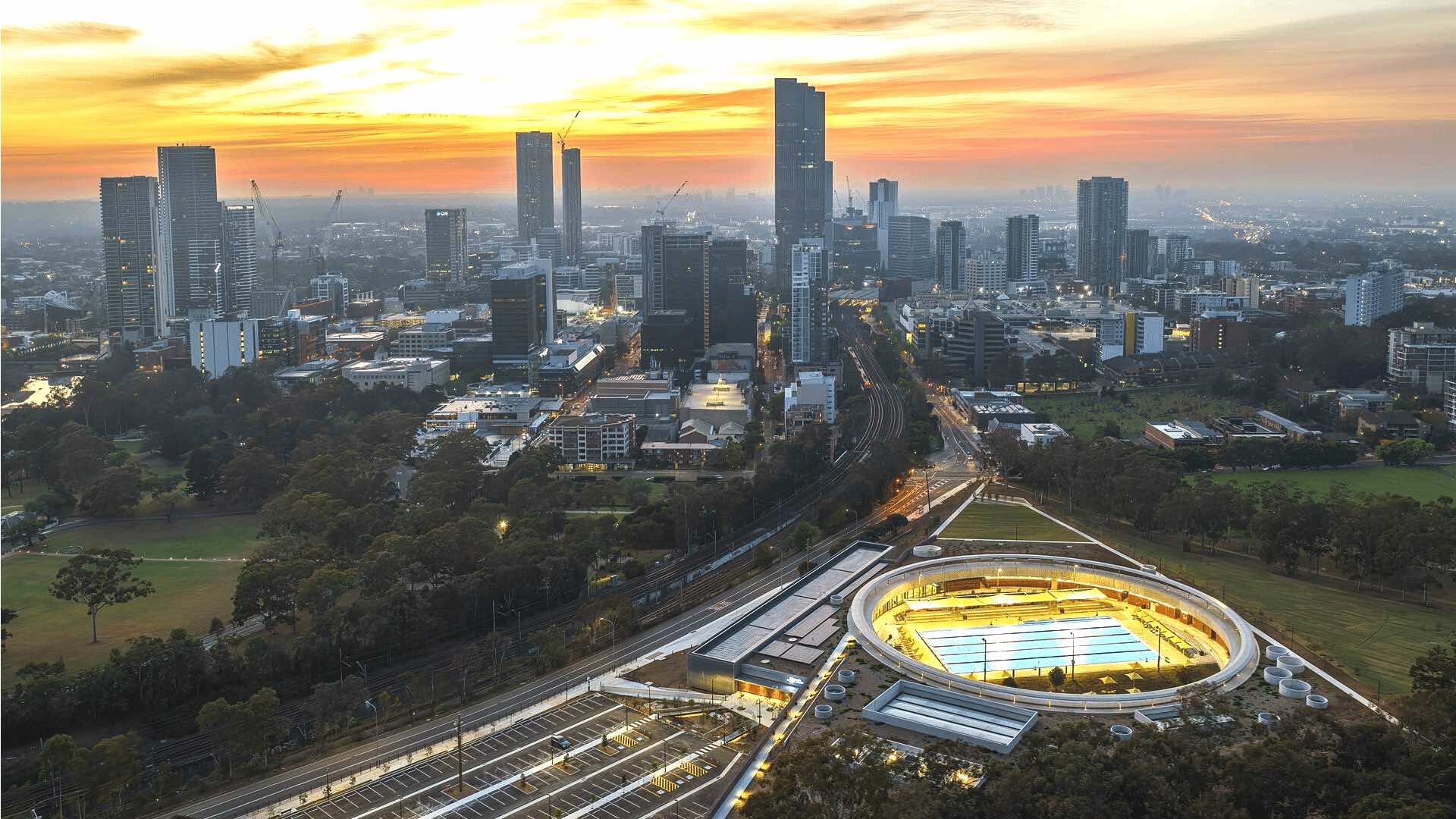
While Australia's population continues to grow, it's a sporadic mix of where. The same can be said for Sydney, a famously multicultural city of over five million people, but that population ebbs and flows. Now, new data compiled by the Sydney Morning Herald has provided a snapshot into the future of the Harbour City by analysing its population in detail — revealing which suburbs saw the most change in 2025.
Affordability plays an important role in population statistics, and this study proves it. Overall, in 2025, Sydney saw the most residents move away of all Australian capital cities, bidding farewell to over 33,000 residents. At a more local level, a shift is underway that hints at an interesting future for the city.
Destination NSW
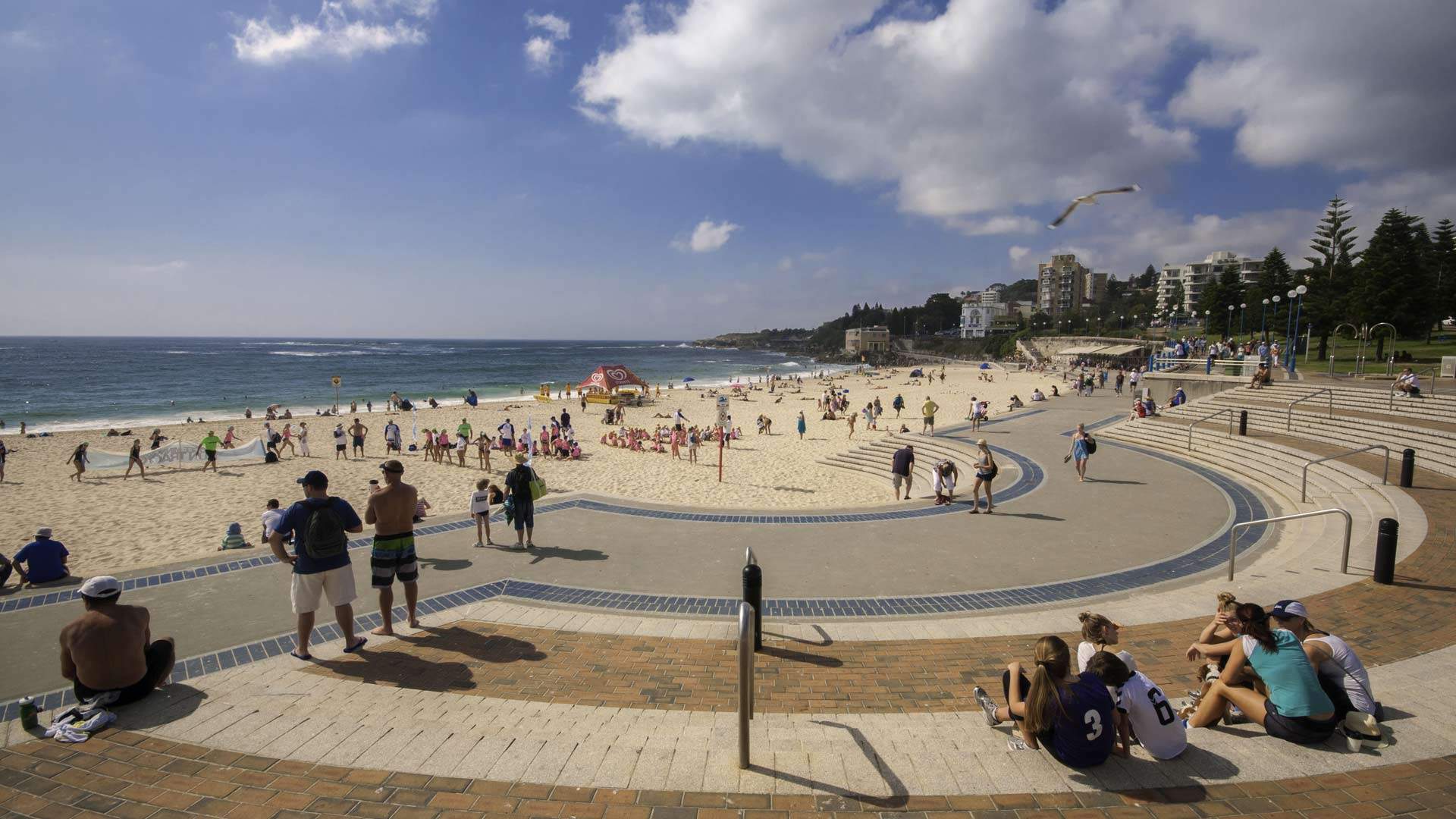
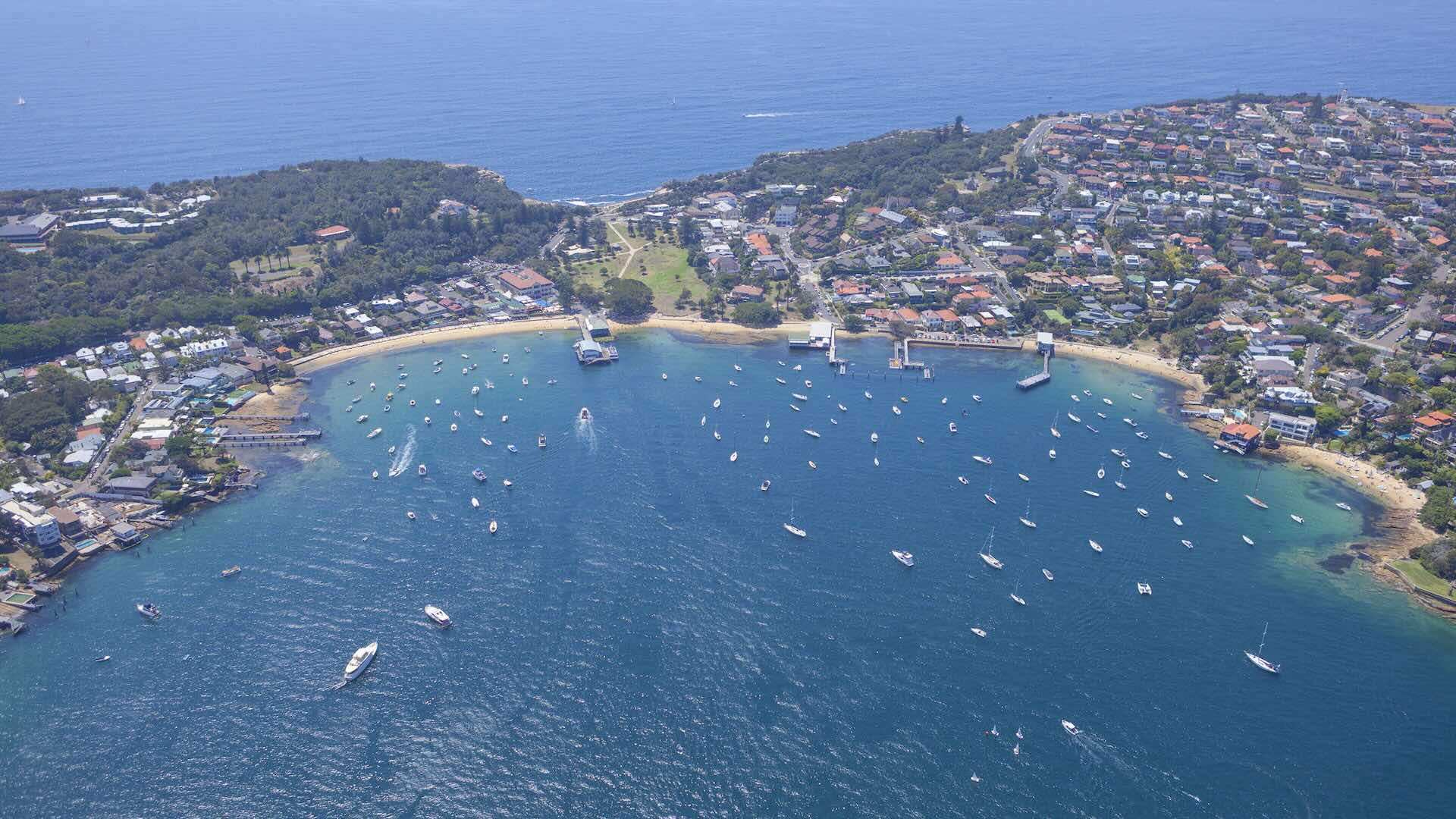
In 2025, some of Sydney's most stereotypically popular suburbs saw a decline in population. High prices in the sunny Eastern Suburbs are pushing residents out, with Coogee and Clovelly losing over 100 permanent residents, and the Rose Bay/Vaucluse/Watsons Bay area also seeing a total loss, albeit by just 33 residents.
Suburbs that saw the steepest declines are home to ageing populations, with Sydney's upper North Shore losing approximately 160 residents between Wahroonga, Turramurra, Gordon/Killara and Lindfield/Roseville — in total, 42 Sydney suburbs saw more deaths than births over the year. The suburb with the biggest loss overall was in Kariong, west of Gosford, which lost a total of 1.6 percent of its population, followed by a 1.4 percent loss in Castle Hill East.
iStock
Meanwhile, growth was almost unanimous in Western Sydney. The most growth was in the Box Hill to Nelson area, which saw a growth of 17 percent (approximately 3911 people). That was followed by the Austral/Greendale area at almost 16 percent growth and the Marsden Park/Shanes Park area at almost 12 percent growth.
Despite the net loss of 33,282 residents, Sydney's population continued to grow last year — albeit at the slowest rate since the depths of the COVID pandemic — welcoming over 75,000 new residents. In terms of density, Sydney's inner-city reigns supreme, with Haymarket/Sydney South, Chippendale and Ultimo taking the top three positions for population density at 22,903, 20,476 and 18,851 residents per square kilometre, respectively.
KPMG urban economist Terry Rawnsley told SMH that the data reveals Western Sydney has a bright future, saying, "Housing affordability in the eastern suburbs is pushing people out, whereas the west is proving a stable option for many young families." Pair these findings with the Western Sydney Airport and Metro West projects, both new arteries in the region, and the new dawn of Sydney could be where the sun sets.
Like what you see? Subscribe to the Concrete Playground newsletter to get stories just like these straight to your inbox.